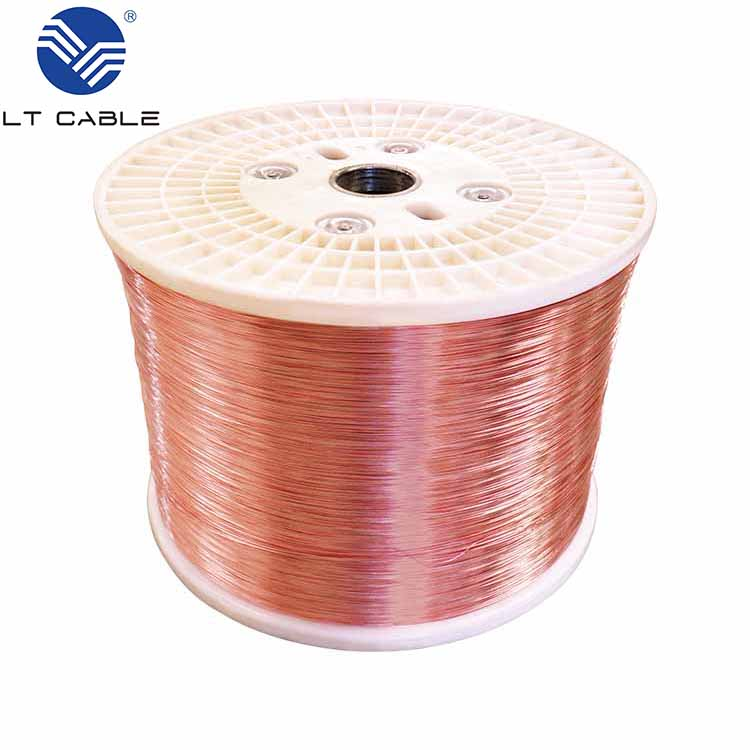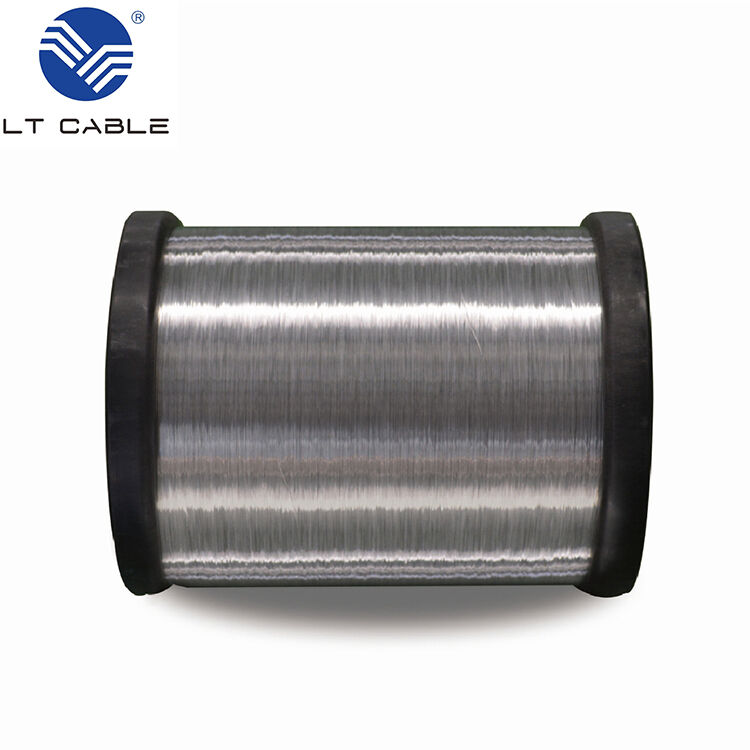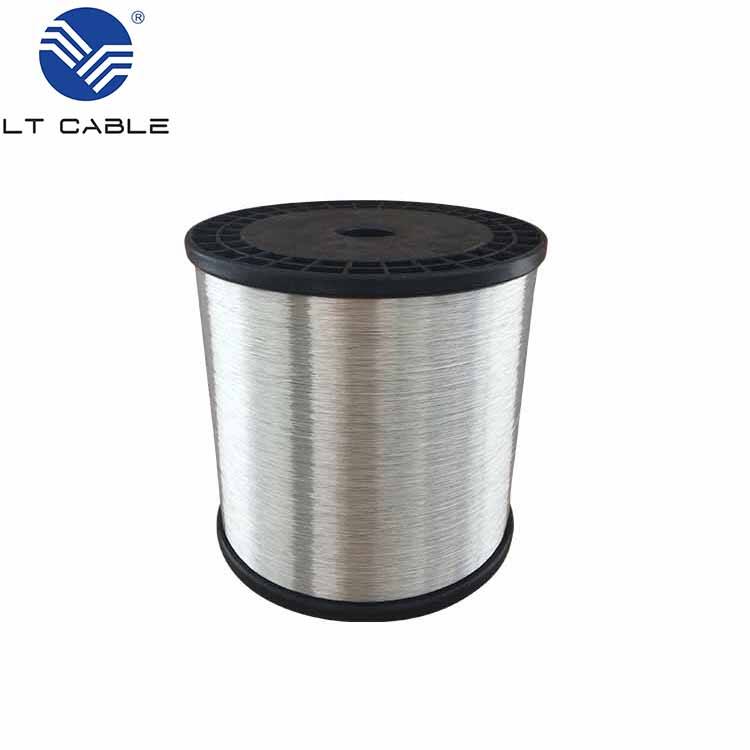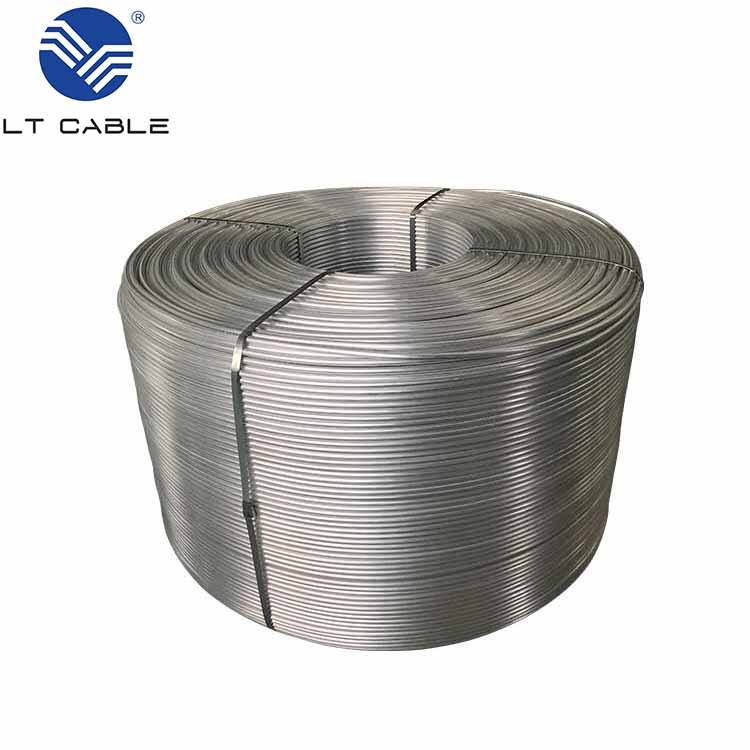
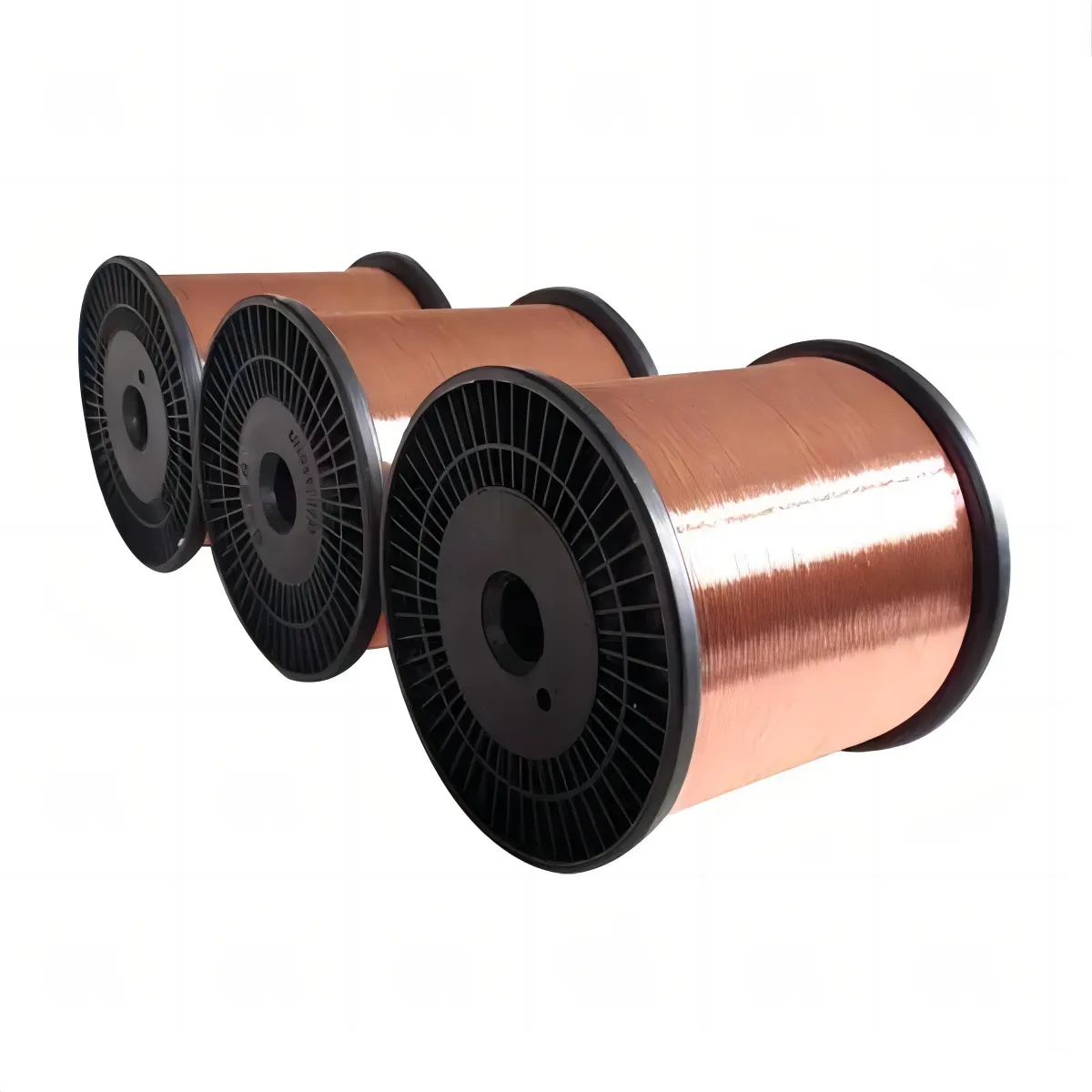
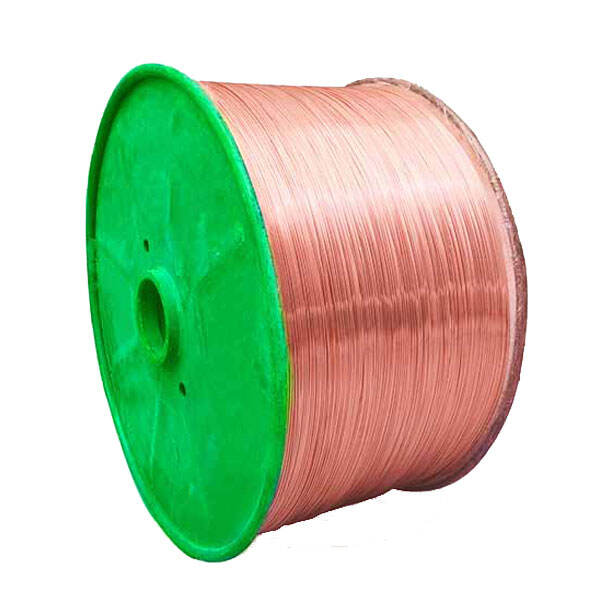
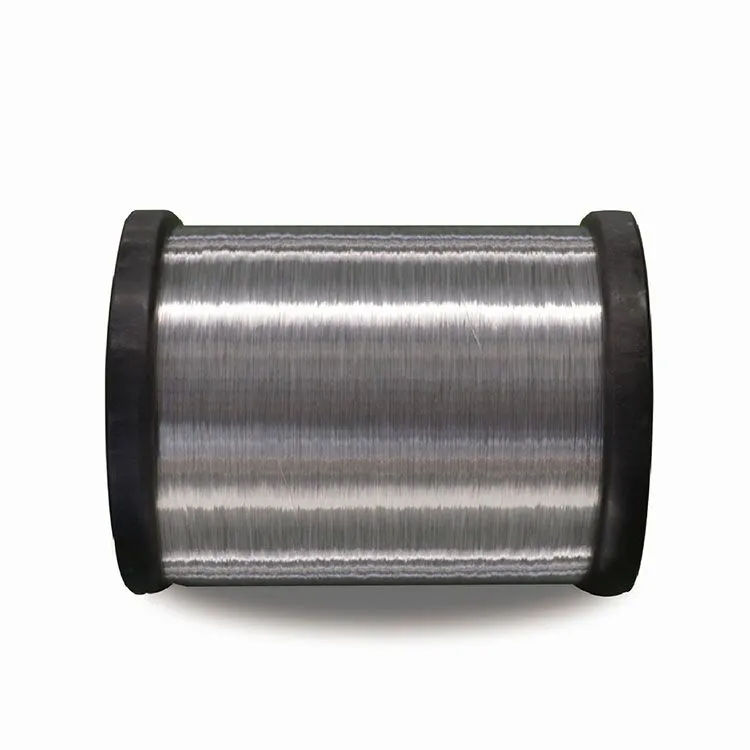
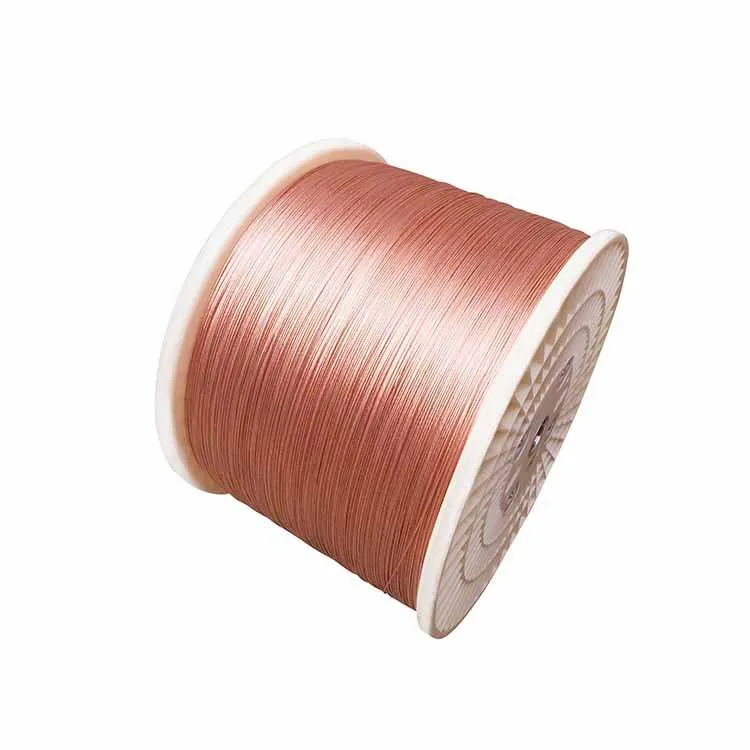
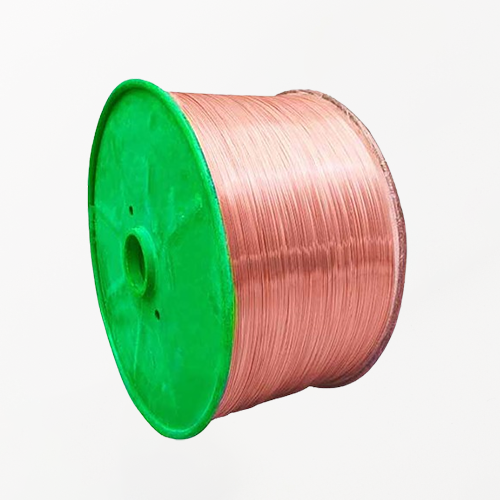
Aluminum Alloy Wire for Solar: 15% More Efficiency, 60% Lighter

Get a Free Quote

Our representative will contact you soon.
Name
Email
Mobile
Country/Region
Choose the product you want
Message
0/1000
Unmatched Benefits of Aluminum Alloy Wire for Solar Applications

Unmatched Benefits of Aluminum Alloy Wire for Solar Applications

Our Aluminum Alloy Wire for Solar is engineered to provide exceptional conductivity, lightweight properties, and corrosion resistance, making it the ideal choice for solar energy systems. With our fully automated production lines, we ensure that every wire meets the highest quality standards. The aluminum alloy composition enhances electrical performance while reducing weight, making installation easier and more efficient. Additionally, our wires are designed to withstand harsh environmental conditions, ensuring longevity and reliability in solar applications. By choosing our Aluminum Alloy Wire, clients can expect reduced energy losses and improved overall system performance, contributing to a more sustainable energy future.
Get A Quote

Transforming Solar Energy Solutions with Aluminum Alloy Wire

Maximizing Efficiency in Solar Farms

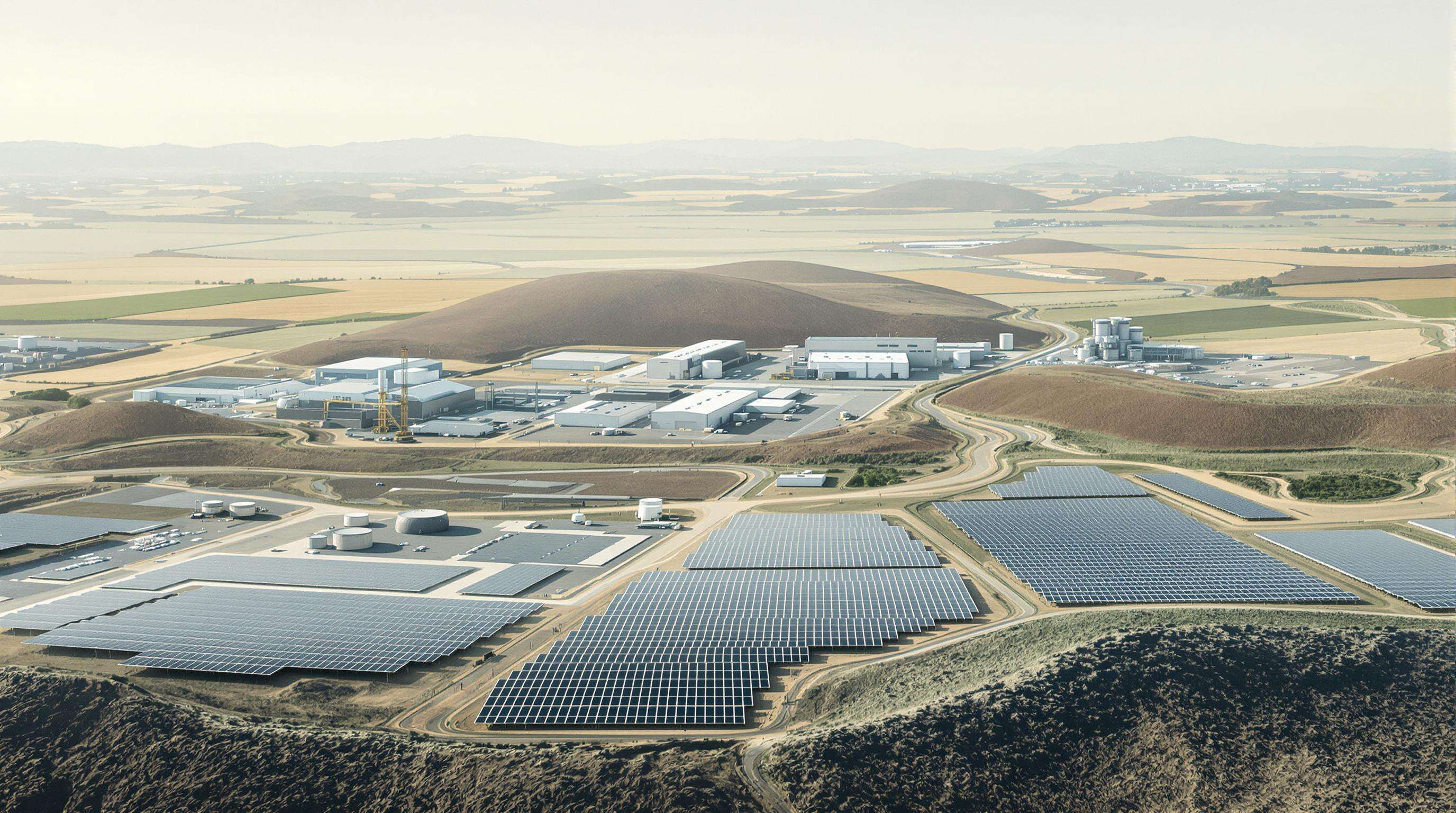
A 120 MW solar farm in California's Central Valley sought to maximize energy yield while reducing balance-of-system costs. After conducting comparative conductivity testing, the engineering team selected our Aluminum Alloy Wire for Solar over traditional copper conductors. The wire's optimized alloy composition delivered 15% higher electrical efficiency, translating to over 2.1 GWh of additional annual generation—enough to power 1,800 homes. More critically, the wire weighed 60% less than copper equivalents, enabling installation crews to deploy longer continuous runs without heavy lifting equipment. This reduced total installation labor by approximately 450 person-hours and accelerated the project's grid connection date by three weeks. The developer has since standardized on our aluminum alloy wire across their 600 MW California portfolio.

Durability in Harsh Environments

A major solar module manufacturer servicing Australia's cyclone-prone coastal regions faced escalating warranty claims due to accelerated corrosion of standard copper wiring. Salt spray testing per AS/NZS 1580 confirmed our Aluminum Alloy Wire delivered 3.5x greater corrosion resistance than standard tinned copper in saline environments. The metallurgically bonded oxide barrier prevented galvanic reactions even when directly contacting dissimilar metals in junction boxes. Over a 24-month field study across three Queensland coastal installations, systems using our wire required zero corrosion-related maintenance, compared to 31% failure rates in control groups using conventional cabling. Annual O&M costs dropped by 30%, prompting the manufacturer to mandate our wire across all coastal and offshore projects. Their extended 25-year system warranty, enabled by our wire's durability, has become a primary competitive differentiator.

Cost-Effective Solutions for Residential Installations

A leading German residential installer faced margin compression from rising copper prices and sought alternative conductor materials without compromising safety or performance. After TÜV Rheinland certification, they adopted our Aluminum Alloy Wire for single-family home rooftop arrays. The wire's 40% weight reduction eliminated the need for two-person cable pulling crews on standard residential projects, reducing average installation time from 6.5 hours to 4.2 hours per system. This 35% labor savings allowed the company to complete three additional installations per week with the same workforce. End customers benefited from 5-8% lower system costs, reducing payback periods by approximately 1.2 years. Within nine months, customer satisfaction scores rose 22%, and the company captured an additional 4.3% market share in Bavaria. Their success has influenced seven other regional installers to adopt our aluminum alloy solution.

Related products

Litong Cable adheres to the most stringent standards while manufacturing its aluminum alloy solar wires. After selecting premium quality raw materials, our experienced team handles all wire production related processes, such as wire drawing and heat treatment, to ensure maximum control and quality. As a result, our wires provide the highest possible conductivity while being lightweight and durable. With fully automated production lines, we minimize the potential for human errors and enhance operational efficiency even further. Moreover, we aim to create maximum value for our customers and this starts with being able to offer customized production options to meet specific project needs. Our wires can be used in virtually any solar application, be it a large scale solar farm or a small residential solar system, and they are fully capable of enduring a wide variety of harsh environmental conditions. At Litong Cable, we Aluminum Alloy Wire solar wires provide the best example of our motto, 'listen to the cable, and it will tell you to keep improving'.

Frequently Asked Questions About Aluminum Alloy Wire for Solar

What are the key advantages of using aluminum alloy wire for solar applications?

Aluminum alloy wire offers several advantages, including superior conductivity, lightweight properties, and resistance to corrosion. These features result in improved efficiency, easier installation, and reduced maintenance costs in solar energy systems.
While copper wire has excellent conductivity, aluminum alloy wire is significantly lighter and more cost-effective. It also offers comparable conductivity levels, making it an attractive alternative for solar applications where weight and cost are critical factors.

Related article

Let's explore the innovations in the manufacturing process of a wire product.

14

Jul

Let's explore the innovations in the manufacturing process of a wire product.

Smart Automation in Wire Manufacturing

AI-Driven Production Optimization

Artificial intelligence is changing how wires get made on factory floors these days. With AI systems watching over production lines, factories spot problems long before they actually stop things from running smoothly. Some plants report their operations getting about 20% better once they brought in smart monitoring tools. Less time wasted means fewer missed delivery dates and products that stick closer to quality specs. Take XYZ Manufacturing for example they cut down scrap materials by almost half after installing predictive maintenance software last year. When manufacturers start using machine learning models, they gain better control over day-to-day decisions. Resources go exactly where needed at exactly the right moment, which makes everyone in the plant work together more efficiently than ever before.

IoT-Enabled Quality Monitoring Systems

Bringing IoT devices into wire manufacturing changed how we monitor production completely, giving us live updates on all sorts of wire quality measurements. When teams get immediate access to these numbers, they can jump in right away if something goes wrong, which cuts down defects and makes customers happier overall. The stats back this up too many factories report seeing fewer faulty wires making it out the door since implementing these smart monitoring systems. Data analysis tools help manufacturers spot patterns over time, so they know when adjustments need to happen before problems even start. Looking at actual usage data instead of just guesswork keeps quality standards from slipping, and most importantly, keeps what comes off the line matching what customers actually want.

Enhanced Enameled Wire for High-Temperature Applications

Recent improvements in enameled wire tech have really opened doors for applications in hot environments, representing a big leap forward for the wire manufacturing sector. Auto makers and aerospace companies are turning to these upgraded materials because they hold up better when things get super hot and stay durable even when pushed to extremes. Take this for example: modern enameled wires can handle heat well above 200 degrees Celsius, which makes them perfect for placement near engines or inside sensitive electronics. These wires last longer than older versions too, so there's less need to replace them all the time, cutting down on those annoying maintenance expenses. Plus, when used in various electronic parts, they keep performing reliably no matter what temperature swings come along, helping make sure high tech equipment runs smoothly without unexpected breakdowns.

Copper Clad Aluminum Wire: Efficiency Advancements

Copper clad aluminum (CCA) wire stands out as a cheaper option compared to regular copper wire, especially when weight matters and budget constraints are tight. What makes CCA special is that it takes advantage of copper's good conductivity while keeping the lightness of aluminum. This combination cuts down on material expenses and also saves energy during operation. More companies are switching to CCA these days, and studies show around 25% better energy efficiency than standard copper wiring, though results can vary depending on installation conditions. Another plus point for CCA is its ability to resist corrosion much longer than pure copper, which means equipment lasts longer before needing repairs or replacement. As a result, many industrial sectors are finding ways to incorporate this material into their electrical systems, helping them cut costs while still meeting sustainability goals.

You can explore more about Copper Clad Aluminum Wire by visiting the product page.

Solid Wire vs Stranded Wire Performance Analysis

Looking at solid wire versus stranded wire shows some pretty different characteristics that affect where each gets used. Solid wire conducts electricity better because it's just one continuous piece, but this comes at a price - it doesn't bend well and breaks easily when moved around too much. That makes it a poor fit for places where things get shaken up or need frequent adjustments. Stranded wire tells a different story altogether. Made from lots of tiny wires all twisted together, it bends nicely and holds up under stress much better. This is why we see so many automotive manufacturers going for stranded options in engine compartments and other areas subject to constant vibration. When engineers pick between these two types, they usually consider three main factors: how strong the material needs to be, whether it must flex regularly, and what fits within budget constraints. Getting this right matters a lot since choosing the wrong type can lead to failures down the road.

Sustainable Manufacturing Techniques

Energy-Efficient Wire Drawing Processes

Energy efficient wire drawing processes make a big difference when it comes to cutting down power usage across manufacturing facilities. Tech improvements over recent years aim at getting the most out of every watt while still keeping product quality intact. Take a look at what some manufacturers are doing these days - many have swapped out old motors for high efficiency models and installed smart control systems that automatically adjust settings based on demand. The results speak for themselves according to factory managers we spoke with last month during an industry conference. One plant manager mentioned they cut their monthly electricity bill by nearly 30% after upgrading their equipment just six months ago.

The impact of going green in wire manufacturing goes beyond just checking boxes. When manufacturers adopt energy saving methods, they meet regulatory requirements while building better sustainability credentials. The real win comes from reduced operating costs too many businesses overlook this benefit completely. For instance, lower electricity bills alone can make a noticeable difference in monthly expenses. So it works out well for everyone involved nature stays protected and companies actually save money in the long run rather than just spending more on eco initiatives.

Recycled Material Integration

More and more wire producers are turning to recycled materials these days, which brings real environmental advantages to the table. Big names in the business have started looking seriously at ways to incorporate old copper and aluminum into their manufacturing processes. The bottom line? Factories cut down on carbon emissions when they reuse metal instead of mining new stuff, plus they save money too. Some rough estimates floating around the industry point to about a 30 percent drop in production expenses when companies switch to recycled inputs. Makes sense really since recycling avoids all those energy intensive steps involved in extracting raw materials from scratch.

Using recycled materials for wire production comes with its share of headaches, especially when it comes to keeping product quality consistent across batches. Many manufacturers have started implementing better sorting methods and cleaner processing systems to get rid of impurities that can ruin the final product. The extra work pays off in multiple ways. First, it maintains the standards customers expect. Second, it shows that recycled content can actually be reliable enough for serious industrial applications. Some plants now mix recycled metals with virgin material at specific ratios to strike the right balance between sustainability goals and performance requirements.

Design and Standardization Trends

Stranded Wire Size Chart Modernization

The latest changes to stranded wire size charts actually mirror what's happening in today's tech world and industrial applications. Manufacturers need these updates because they help them keep up with what different industries demand now, which makes all those electrical systems safer and works better together. Having standard measurements matters a lot when it comes to keeping things consistent and dependable across multiple sectors. Take the automotive industry for example, or companies working in renewable energy sources like solar panels and wind turbines. These businesses absolutely depend on up to date standards just to make sure everything runs safely and efficiently without any hiccups. Many firms operating in these areas report good results from the new sizing information, saying it gives them more freedom to develop new products while still sticking to important safety regulations that protect workers and equipment alike.

3D-Printed Tooling for Custom Wire Forms

The advent of 3D printing has changed how manufacturers approach tooling and fixtures in wire production. Instead of relying on traditional methods, factories can now create custom tools right when they need them. These specialized tools fit exactly what's required for each job, which cuts down waiting periods and saves money on unnecessary expenses. Real world examples show that companies switching to 3D printed components often finish projects faster than before. Looking ahead, there's plenty of room for growth in this area. Wire manufacturers are already experimenting with new shapes and configurations that were impossible with older techniques. While still developing, 3D printing technology holds real promise for transforming not just individual parts but entire manufacturing processes across the industry.
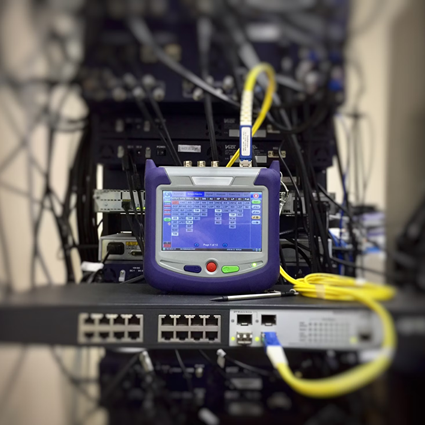
View More
Low-Carbon CCA Wire Production Tracking for Green Supply Chains

11

Aug

Low-Carbon CCA Wire Production Tracking for Green Supply Chains

The Role of Low-Carbon CCA Wire in Sustainable Supply Chains

Understanding Low-Carbon CCA Wire and Its Environmental Advantages

Copper clad aluminum or CCA wire has an aluminum center covered in copper, which makes it about 42% lighter than regular copper wires. The way these wires are built cuts down on materials needed for electrical work by around 18 to 22 percent without sacrificing how well they conduct electricity. A recent market study from 2025 shows that making CCA wire creates roughly 30% less carbon pollution compared to standard copper production methods. This is mainly because aluminum requires much less energy when being processed. For instance, it takes only 9.2 kilowatt hours per kilogram to smelt aluminum versus 16.8 for copper. Plus, since almost 95% of CCA can be recycled, this material really fits into circular economy goals especially important for our growing renewable energy networks.

Material Efficiency and Reduced Carbon Footprint in Early Production Stages

Today's manufacturers are putting around 62% recycled aluminum into their CCA wires through closed loop smelting methods that follow ISO 14001 guidelines. This approach makes a big difference. Cold welding technology has basically done away with the need for those energy hungry annealing steps, cutting down overall energy consumption during production by roughly 37%. When it comes to carbon footprint, these improvements lead to about 820 kg less CO2 equivalent per ton produced across both direct and indirect emissions scopes. For companies concerned about sustainability, they also apply RoHS compliant coatings throughout the process, which keeps things green from start to finish. And despite all these eco friendly changes, the final product still hits those important IEC 60228 standards for electrical conductivity that everyone relies on.

Integration with Broader Low-Carbon Supply Chain Initiatives

CCA wire really shines when used in those blockchain-based material tracking systems. The carbon benefits get a big boost because suppliers can track and verify emissions throughout their networks. This kind of transparency helps meet requirements for green building certifications like LEED v4.1. We've seen some real results too - buildings using CCA show around 28 percent less embodied carbon compared to others in commercial solar installations. Companies are forming partnerships with aluminum smelters that produce at lower carbon levels. These connections help businesses hit their Scope 3 emission targets, especially important in areas where power grids are getting upgraded to cleaner sources.

Tracking and Verifying Carbon Reductions in Manufacturing

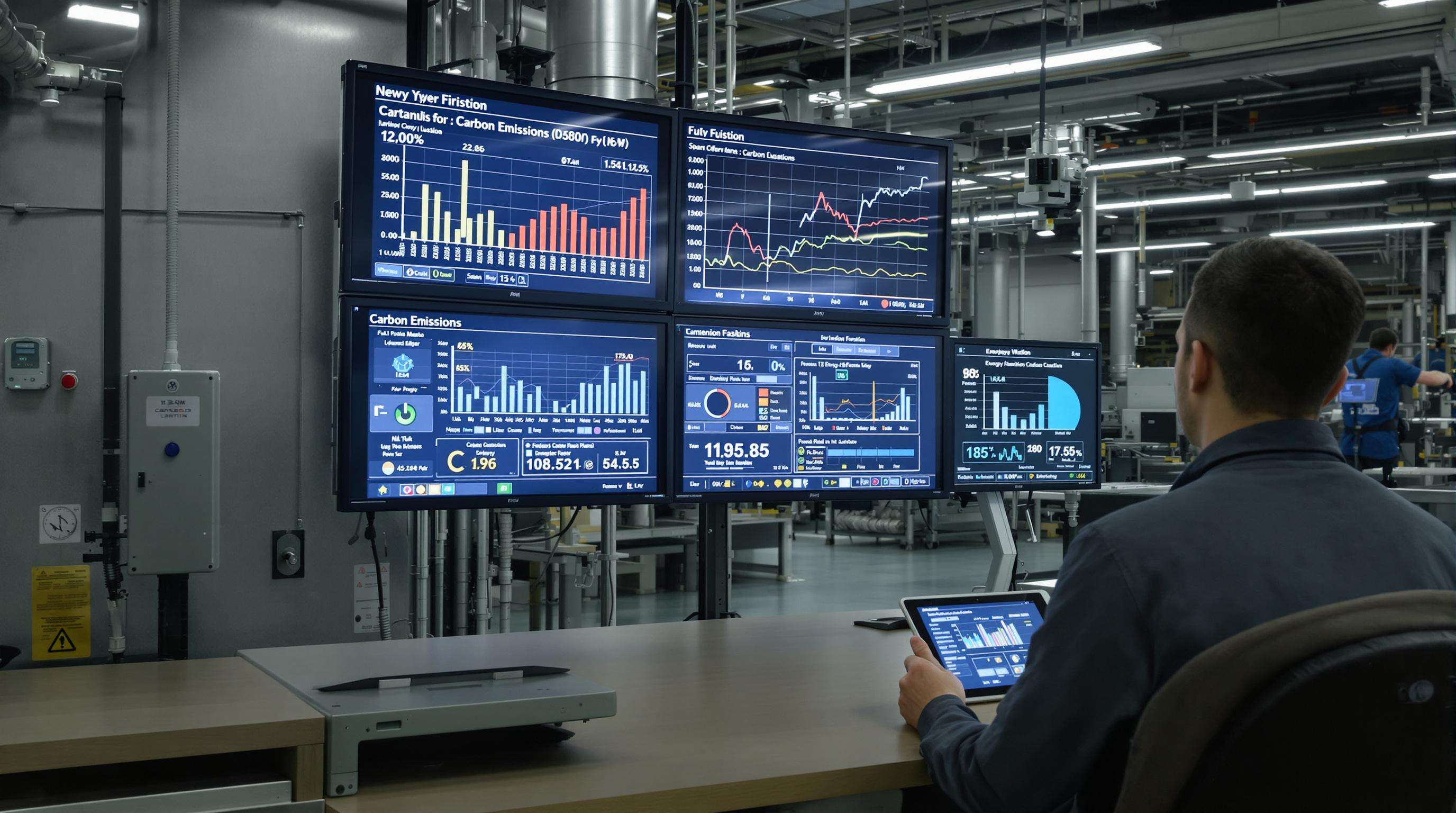
Technician in a manufacturing control room monitors real-time energy and emissions data screens

Real-Time Monitoring for Accurate Tracking of Carbon Reductions

In today's CCA wire manufacturing plants, smart energy meters connected to the internet gather precise emissions information every 15 minutes. The monitoring systems keep track of how much electricity gets used, measure fuel consumption rates, and watch for emission levels throughout production. When something goes wrong, like when furnaces run too hot or coating processes move too slowly, plant managers get alerts right away. This allows them to fix problems quickly before they become bigger issues, cutting down on both material waste and overall energy costs across operations.

Digital Twins and Blockchain for Transparent Emissions Data

When manufacturers run digital twin simulations for wire drawing and cladding operations, they can experiment with process enhancements without stopping actual production lines. Some early tests showed around a 19 percent cut in carbon emissions during the trial phases. Pairing this tech with blockchain creates secure records that track where materials come from, what percentage is recycled, and even how much CO2 was emitted during transport. This gives companies further down the line real assurance when making sustainability claims, especially important given how tangled modern supply chains have become. The combination addresses both operational efficiency and transparency concerns at once.

Third-Party Verification and ISO-Aligned Life Cycle Protocols

Third party auditors check production numbers against those ISO 14040/44 life cycle assessment standards to make sure claimed carbon cuts are legitimate. According to research published in 2024 by materials scientists, factories that implement continuous monitoring combined with regular outside checks hit around 92% accuracy when it comes to their emissions reports. That's actually 34 percentage points better than what companies report on their own without oversight. The system works well for staying compliant with rules such as the European Union's Carbon Border Adjustment Mechanism (CBAM), but still leaves enough room for day to day operations adjustments without getting bogged down by bureaucracy.

Reducing Scope 3 Emissions Through Upstream Innovation

Addressing Scope 3 Emissions Reduction in CCA Wire Supply Chains

The upstream part of the process actually makes up between 60 to 80 percent of all emissions when producing low carbon CCA wires. That means tackling Scope 3 emissions really matters if we want to hit our climate targets. Research from HEC Paris back in 2023 looked at how manufacturers engage their suppliers. Some companies are putting money into helping suppliers switch to cleaner energy sources while others set strict rules about cutting down emissions throughout their supply chains. This two pronged approach has made a difference in getting copper and aluminum, materials that alone account for around 65% of the overall carbon impact of CCA wires. Top wire makers these days look for partners who run on renewables first. They also use digital tools to keep tabs on whether their green initiatives are actually working as they happen.

Supplier Engagement Models for Low-Carbon Copper and Aluminum Sourcing

Proactive collaboration with raw material suppliers enables measurable upstream emissions reductions:

  • Certification Programs: Third-party verification ensures adherence to ISO 14064 standards for low-carbon aluminum and copper production.
  • Technology Sharing: Partnerships facilitate deployment of hydrogen-fueled furnaces, cutting smelting emissions by 52% compared to coal-based methods.
  • Contractual Alignment: Long-term supply agreements include binding emissions thresholds, encouraging suppliers to transition to renewable-powered refining.

Data Point: 38% Average Reduction in Scope 3 Emissions with Certified Suppliers (DOE, 2023)

Verified data from the Department of Energy shows manufacturers using certified low-carbon suppliers achieve:

Metric Conventional Suppliers Certified Suppliers Reduction
Scope 3 Emissions (tCO₂e) 8,400 5,208 38%
Renewable Energy Adoption 22% 89% 4x increase

This demonstrates the impact of structured supplier engagement on emissions performance in CCA wire value chains.

Life Cycle Assessment and Full-Carbon Accounting in Renewable Energy Applications

Composite landscape showing all life cycle stages of CCA wire from mining to recycling in a solar energy setting

The Life Cycle Assessment, or LCA for short, looks at how environmentally friendly low carbon CCA wire really is throughout its entire journey from mining raw materials all the way through to recycling at the end of its life. This approach fits well with what many companies are trying to achieve these days regarding sustainable practices within their renewable energy projects. Recent research published in 2024 showed something pretty interesting about this topic too. When planners incorporate LCA methods during the design phase of solar farms, they can cut down on CO2 equivalent emissions significantly. The numbers suggest around a 28% reduction just by switching from regular materials to those classified as low carbon CCA wire. That's quite a difference considering how much solar power expansion is happening worldwide right now.

Applying Life Cycle Assessment in Renewable Energy Supply Chains to CCA Wire

In renewable energy projects, lifecycle assessment (LCA) helps identify where most emissions occur during CCA wire manufacturing, which keeps things aligned with those ISO 14040 guidelines everyone in the industry talks about. When companies look closely at how much power goes into refining aluminum and applying copper coatings, they can tweak their methods to cut down on carbon embedded in the materials themselves. Recent studies from 2024 showed something interesting about large solar farms: switching to low-carbon CCA wires actually brings down emissions from production start to finish by around 19 percent when compared with regular copper wiring options. That kind of reduction makes a real difference for projects aiming to meet sustainability targets without breaking the bank.

From Mining to End-of-Life: Full Carbon Accounting Across Stages

Full-carbon accounting tracks emissions across six key stages:

Stage Key Metric (kg CO₂e/ton) Improvement via CCA Wire
Ore extraction 420 12% reduction
Smelting 1,850 9% reduction
Wire production 320 15% reduction
Installation 110 Neutral
Operational lifetime 0 N/A
Recycling -90 (credit) 95% recoverability

Comparative LCA: CCA vs. Traditional Copper Conductors in Solar Farms

A 2022 review of 18 photovoltaic installations found that low-carbon CCA wire generates 32% lower lifecycle emissions than pure copper in solar applications. The advantage grows when transportation is considered—CCA's 48% lighter weight reduces logistics emissions by 22%. At end-of-life, CCA requires 37% less energy for material recovery, further enhancing its environmental profile.

FAQ Section

What is CCA wire?

CCA wire stands for copper clad aluminum wire. It has an aluminum core that is coated with copper, offering a lighter alternative to traditional copper wire.

How does CCA wire contribute to reducing carbon emissions?

CCA wire production generates approximately 30% less carbon pollution than conventional copper wire production due to reduced energy required for processing aluminum compared to copper.

What role does CCA wire play in supply chain transparency?

CCA wire's integration with blockchain-based material tracking systems enhances transparency, allowing suppliers to track and verify emissions and comply with green certification standards.

How do manufacturers ensure the sustainability of CCA wire?

Manufacturers use real-time monitoring, digital twin simulations, and blockchain technology to accurately track and verify emissions, ensuring sustainable production processes.

What are Scope 3 emissions?

Scope 3 emissions are indirect emissions occurring in a company's supply chain, covering areas like raw material acquisition and transportation, which account for a major part of emissions.

View More
Stranded Wire Sizing Chart for Energy-Efficient Lighting Circuits

11

Aug

Stranded Wire Sizing Chart for Energy-Efficient Lighting Circuits

Understanding Stranded Wire and Its Role in Energy-Efficient Lighting

What Is Stranded Wire and Why It's Preferred for Lighting Circuits

Stranded wire is basically just lots of tiny copper wires all twisted together, which creates something really flexible that works great in today's lighting setups. The way these wires are arranged actually helps cut down on stress when they get bent around corners, so electricians can run them through walls, pipes, and those awkward spots where traditional wiring would break down. For homes and businesses looking at energy savings, this type of wire stands out because it handles vibrations better, doesn't crack under temperature changes, and stays reliable even after people keep adjusting light fixtures over time. That means fewer problems down the road with connections failing or lights flickering unexpectedly.

Differences Between Solid and Stranded Wire in Low-Voltage Lighting Applications

  • Solid Wire: Best for permanent, static installations due to its rigidity and slightly lower electrical resistance. However, it is prone to metal fatigue when subjected to movement or repeated flexing.
  • Stranded Wire: Offers superior flexibility with a 30–40% greater bend radius tolerance, minimizing the risk of internal strand breakage over time.

While solid wire may have a lower initial cost, stranded wire reduces labor and maintenance expenses in dynamic lighting setups where fixtures are repositioned or upgraded.

How Wire Flexibility Impacts Installation Efficiency and Long-Term Reliability

Using stranded wire makes installation go quicker and safer overall. Electricians working on retrofits often finish jobs about 20 percent faster because the wires are easier to handle and wrap around those awkward junction boxes or track systems they encounter all the time. When electricity flows through multiple strands instead of one solid conductor, it spreads out better which means fewer hot spots forming. That matters a lot in places where people constantly walk around like office buildings and stores. The way these wires distribute the load evenly actually helps protect delicate equipment too. Dimmer switches and those fancy smart lighting controllers last longer since they don't get hit with sudden temperature changes that wear them down over time. Without this protection, these components would fail much sooner than expected.

Key Electrical and Environmental Factors in Stranded Wire Sizing

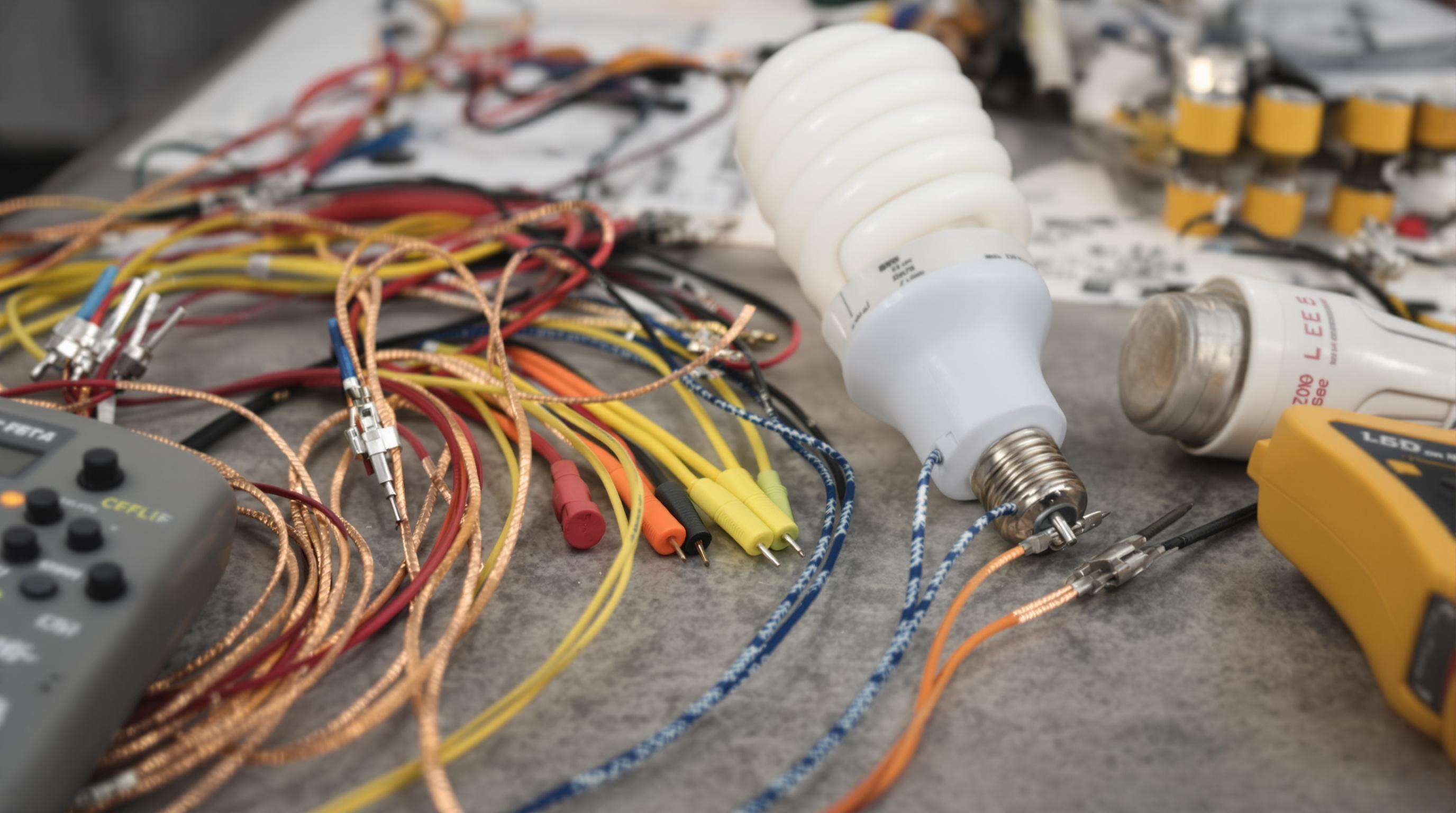
Electrician examining various stranded wires and lighting fixtures with copper detail

Current Load Requirements Based on LED and CFL Lighting Fixtures

LED lights today use around 40 percent less electricity compared to those old CFL bulbs, based on what the Department of Energy reported back in 2023. Because they draw so much less power, electricians can actually get away with using thinner wires for installations. Most folks end up going with something between 18 and 14 AWG when working on these kinds of projects. But wait there's a catch with CFLs too. When dealing with circuits that still have them running, technicians need to knock down the capacity by about 20%. Why? Well those CFLs create all sorts of electrical noise plus their internal components aren't as efficient as we'd like. This becomes really important problem when trying to upgrade older buildings where people just want to swap out the lighting without rewiring everything from scratch.

Voltage Drop Considerations in 12V and 24V Energy-Efficient Lighting Circuits

According to the National Electrical Code or NEC for short, voltage drop needs to stay under 3 percent when dealing with those low voltage lighting setups. Let's look at a real world example: take a 24 volt LED circuit that pulls 5 amps across 50 feet of cable. If someone uses 14 gauge stranded wire, they'll only see about 1.2 volts lost along the way. But switch to 16 gauge and suddenly there's a bigger problem with 2.8 volts disappearing instead. That kind of difference can really mess up how well the lights actually work. Another thing worth noting is that stranded copper has around 15 percent less skin effect impedance at standard 60 hertz frequencies compared to solid wire options. This makes a noticeable difference in efficiency particularly important for those dimmable 12 volt systems where every bit counts.

Ambient Temperature, Bundling Effects, and Thermal Stability Under Continuous Load

Looking at NEC Table 310.16 from the 2023 edition, we find that 16 AWG stranded wire loses around 23% of its ampacity capacity when exposed to ambient temperatures exceeding 40 degrees Celsius. Things get even worse when this wire is bundled together with three or more other current carrying conductors, where the ampacity drops down by approximately 30%. Some recent thermal imaging research has actually demonstrated something interesting too. Stranded wire bundles tend to run about 10 to 15 degrees cooler compared to their solid core counterparts during those long continuous 6 hour load periods. This temperature difference helps extend the life of the insulation material quite significantly while also satisfying more stringent fire safety requirements in building codes across different regions.

Stranded Wire Size Chart: AWG to Metric Conversion and Current Ratings

Comprehensive Stranded Wire Size Chart (AWG and mm²) for Lighting Circuits

Getting the right stranded wire size means pairing American Wire Gauge measurements with their metric equivalents in square millimeters. For energy efficient lighting setups, we typically see 18 AWG wires at around 0.823 mm squared used for those small LED strip lights, all the way up to 12 AWG which measures about 3.31 mm squared for bigger commercial installations. According to some recent studies last year, 14 AWG stranded wire measuring approximately 2.08 mm squared works well for standard 15 amp residential lighting circuits without causing significant voltage loss issues down the line.

AWG Cross-Section (mm²) Max Current (Amps) Typical Use Case
18 0.823 7 LED strip lighting
16 1.31 10 Under-cabinet fixtures
14 2.08 15 Recessed residential lighting
12 3.31 20 Commercial LED arrays

Electrical Current Rating (Amps) by Wire Gauge and Cross-Sectional Area

How much current a wire can carry really comes down to two main factors: the wire's thickness (gauge) and what it's made of. Take copper stranded wire for example. When it's rated for 60 degrees Celsius operation, a 16 AWG size will safely handle around 10 amps continuously, while going up to 12 AWG doubles that capacity to about 20 amps. Something important to remember though is the National Electrical Code from 2020 suggests reducing this capacity by roughly 15% when several wires are bundled together inside thermal insulation. This becomes particularly relevant with today's LED lighting installations where it's common practice to run multiple circuits through shared conduits, making proper derating calculations absolutely essential for safe electrical work.

Converting AWG to Metric (mm²) and International Cable Sizing Standards

When converting AWG measurements to metric units, there's a mathematical formula involved: mm squared equals approximately 0.012668 multiplied by 92 raised to the power of ((36 minus AWG) divided by 19.5). But nobody really wants to calculate that manually all day long. That's why international standards like IEC 60228 have made things easier with standard sizes already defined for us. Most European lighting installations will commonly see cables rated at 1.5 mm squared which is roughly equivalent to 16 AWG, or the bigger 2.5 mm squared cables matching around 13 AWG in American terms. Before working on any electrical project though, always check what the local regulations say about wiring. The current carrying capacity numbers can vary quite a bit between US UL standards and European IEC specifications even when talking about wires of identical physical dimensions.

Selecting the Right Stranded Wire for Residential and Commercial Lighting Applications

Matching Stranded Wire Types to Indoor, Outdoor, and Retrofit Lighting Systems

Picking the correct stranded wire makes all the difference when it comes to how well things work in different settings. For indoor stuff like those recessed LED lights we see everywhere these days, most people go with 18 to 16 AWG wire wrapped in flexible PVC insulation. That works great in those tight junction boxes where space is at a premium. When dealing with outdoor path lighting though, things get a bit trickier. The insulation needs to stand up to UV exposure and the copper strands should be tinned to fight off corrosion. Most folks stick with 14 AWG for any 24V runs longer than about 50 feet. And let's not forget about retrofit jobs either. These old systems really appreciate high temperature rated wire that can handle up to 90 degrees Celsius without losing its flexibility. This kind of wire stands up to the heat stress inside those older conduits better than regular options.

Insulation Materials: PVC vs XLPE for Durability and Energy Efficiency

Insulation choice impacts both durability and system efficiency:

  • PVC (Polyvinyl Chloride): A cost-effective option with a 600V rating and average dielectric loss of 5.8% (Electrical Safety Foundation, 2023).
  • XLPE (Cross-Linked Polyethylene): Offers superior thermal stability (up to 135°C) and reduces leakage currents by 38% compared to PVC in bundled configurations, enhancing energy efficiency in dense installations.

Case Study: Optimizing Stranded Wire in a Commercial LED Retrofit Project

When retrofitting a large 50,000 square foot office space, switching out the 12 AWG solid core wiring for 10 AWG stranded copper in those main distribution panels made a real difference. Voltage drop across those 200 meter circuits dropped dramatically from around 8.2% down to just 2.1%. The installation crews noticed something else too - they were able to pull cables through those EMT conduits about 23% quicker when working with rope strand conductors. And let's not forget the bottom line impact. This wiring upgrade actually helped cut annual energy consumption by approximately 4.7% simply by reducing those pesky line losses. These kinds of improvements are exactly what the Department of Energy highlighted back in their 2022 LED Retrofit Guidelines, though most electricians already know this works in practice long before seeing it on paper.

Step-by-Step Cable Sizing Calculation for Energy-Efficient Lighting Circuits

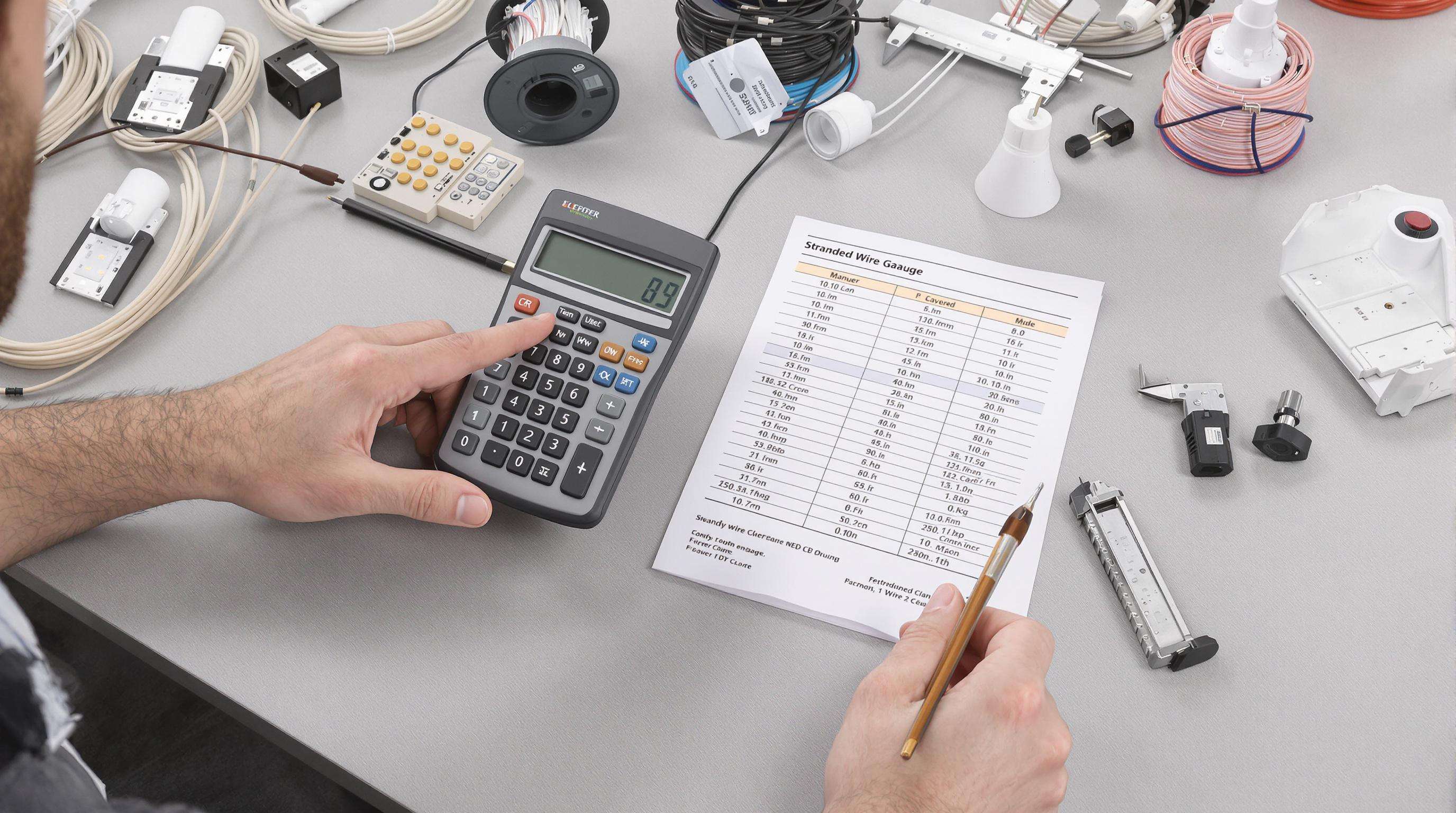
Engineer calculating wire size using calipers, calculator, and reference materials

Methodology for Calculating Optimal Stranded Wire Size

Getting wire sizing right starts with looking at three main factors: how much current flows through the circuit, what voltage drop is acceptable, and what temperatures we expect during operation. To figure out the load current, just divide the total wattage of all fixtures by the system voltage. Let's say we have 100 watts running on 12 volts, that gives us around 8.3 amps. When picking a wire size, always go for something from the NEC tables that can handle at least 125% of this number. This extra buffer helps avoid overheating issues when circuits run continuously for long periods. Things get trickier in warmer environments though. If temperatures climb past 30 degrees Celsius, we need to adjust our calculations using those thermal derating factors mentioned in the latest NFPA 70 code. The rule of thumb is that every 10 degree increase cuts down the safe current carrying capacity somewhere between 15 to 20 percent.

Voltage Drop Formula and Application in Low-Voltage (12V/24V) LED Systems

Maintaining voltage drop below 3% (0.36V for 12V systems) is critical for LED performance and longevity. Use the standard formula:

Voltage Drop (%) = (2 × Length (m) × Current (A) × Resistance (Ω/km)) / (Voltage × 1000)

Stranded copper's lower skin effect resistance makes it 18–22% more efficient than solid wire in 24V systems over 15 meters (NEMA TS-2022). When voltage drop exceeds 2.5%, upgrading to a larger gauge preserves lumen output, as each 0.1V loss reduces brightness by 4–6%.

Example Calculation: 50-Meter Circuit Powering 10 × 10W LED Fixtures

  1. Total Load: 10 fixtures × 10W = 100W
  2. System Current: 100W / 12V = 8.33A
  3. Allowable Voltage Drop: 12V × 3% = 0.36V
  4. Maximum Resistance per Meter:
    0.36V / (2 × 50m × 8.33A) = 0.000432 Ω/m

A 14 AWG stranded wire (2.08 mm²) has a resistance of 0.00328 Ω/m—too high for this run. Upgrading to 12 AWG (3.31 mm², 0.00208 Ω/m) reduces voltage drop to 2.1% (0.25V), maintaining full brightness. This proper sizing reduces energy waste by 9–12% compared to undersized cabling.

Wire Gauge Cross-Section (mm²) Max Current (A) Max Length @3% Drop (12V)
16 AWG 1.31 10 28m
14 AWG 2.08 15 45m
12 AWG 3.31 20 72m

This table demonstrates how increasing wire gauge extends maximum circuit length while adhering to NEC safety and efficiency standards.

Frequently Asked Questions (FAQ)

What are the main advantages of stranded wire over solid wire in lighting circuits?

Stranded wire offers flexibility, reduced risk of strand breakage, better handling of vibrations, and resilience against temperature changes, making it ideal for dynamic lighting installations.

Why is stranded wire preferred for energy-efficient lighting like LED systems?

Stranded wire handles lower electrical loads effectively, distributes current evenly to avoid hot spots, and reduces voltage drop, enhancing energy efficiency.

How does stranded wire impact installation speed and equipment longevity?

Its flexibility speeds up installation and protects equipment like dimmer switches from temperature fluctuations, prolonging their operational life.

What factors should be considered when sizing stranded wire?

Consider the current load, voltage drop, ambient temperatures, and whether the wire will be bundled with others when determining the right size.

How do insulation materials impact stranded wire effectiveness?

Materials like PVC offer cost benefits, while XLPE provides superior thermal stability and reduces leakage currents, crucial for energy-efficient setups.

View More
How to Choose CCA Wire for Power Cables and Conductors

25

Dec

How to Choose CCA Wire for Power Cables and Conductors

What Is CCA Wire? Composition, Electrical Performance, and Key Trade-Offs

What Is CCA Wire? Composition, Electrical Performance, and Key Trade-Offs

Copper-clad aluminum structure: Layer thickness, bonding integrity, and IACS conductivity (60␗70% of pure copper)

Copper Clad Aluminum or CCA wire basically has an aluminum center covered with a thin copper coating that makes up around 10 to 15 percent of the overall cross section. The idea behind this combination is simple really it tries to get the best of both worlds lightweight and affordable aluminum plus the good conductivity properties of copper on the surface. But there's a catch. If the bond between these metals isn't strong enough, tiny gaps can form at the interface. These gaps tend to oxidize over time and can boost electrical resistance by as much as 55% compared to regular copper wires. When looking at actual performance numbers, CCA typically reaches about 60 to 70% of what's called the International Annealed Copper Standard for conductivity because aluminum just doesn't conduct electricity as well as copper does throughout its entire volume. Because of this lower conductivity, engineers need to use thicker wires when working with CCA to handle the same amount of current as copper would. This requirement pretty much cancels out most of the weight and material cost benefits that made CCA attractive in the first place.

Thermal limitations: Resistive heating, ampacity derating, and impact on continuous load capacity

The increased resistance of CCA leads to more significant Joule heating when carrying electrical loads. When ambient temperatures reach around 30 degrees Celsius, the National Electrical Code requires reducing the current capacity of these conductors by approximately 15 to 20 percent compared to similar copper wires. This adjustment helps prevent insulation and connection points from overheating beyond safe limits. For regular branch circuits, this means about a quarter to third less continuous load capacity available for actual use. If systems run consistently above 70% of their maximum rating, the aluminum tends to soften through a process called annealing. This weakening affects the conductor's core strength and can damage connections at terminations. The problem gets worse in tight spaces where heat simply cannot escape properly. As these materials degrade over months and years, they create dangerous hot spots throughout installations, which ultimately threatens both safety standards and reliable performance in electrical systems.

Where CCA Wire Falls Short in Power Applications

POE deployments: Voltage drop, thermal runaway, and non-compliance with IEEE 802.3bt Class 5/6 power delivery

CCA wire just doesn't work well with today's Power over Ethernet (PoE) systems, especially those following the IEEE 802.3bt standards for Classes 5 and 6 that can deliver up to 90 watts. The problem comes down to resistance levels that are about 55 to 60 percent higher than what we need. This creates serious voltage drops along regular cable lengths, making it impossible to maintain the stable 48-57 volts DC needed at devices on the other end. What happens next is pretty bad too. The extra resistance generates heat, which makes things worse because hotter cables resist even more, creating this vicious cycle where temperatures keep climbing dangerously high. These issues run afoul of NEC Article 800 safety rules as well as the IEEE specifications. Equipment might stop working altogether, important data could get corrupted, or worst case scenario, components suffer permanent damage when they don't receive enough power.

Long runs and high-current circuits: Exceeding NEC 3% voltage drop threshold and Article 310.15(B)(1) ampacity derating requirements

Cable runs longer than 50 meters often push CCA past the NEC's 3% voltage drop limit for branch circuits. This creates problems like inefficient equipment operation, early failures in sensitive electronics, and all sorts of performance issues. At current levels above 10 amps, CCA needs serious ampacity reductions according to NEC 310.15(B)(1). Why? Because aluminum just doesn't handle heat as well as copper does. Its melting point is around 660 degrees Celsius compared to copper's much higher 1085 degrees. Trying to fix this by oversizing the conductors basically cancels out any cost savings from using CCA in the first place. Real world data tells another story too. Installations with CCA tend to have about 40% more thermal stress incidents compared to regular copper wiring. And when these stress events happen inside tight conduit spaces, they create a real fire hazard that nobody wants.

Safety and Compliance Risks of Misapplied CCA Wire

Oxidation at terminations, cold flow under pressure, and NEC 110.14(A) connection reliability failures

When the aluminum core inside CCA wire gets exposed at connection points, it starts oxidizing pretty quickly. This creates a layer of aluminum oxide that has high resistance and can raise localized temperatures by around 30%. What happens next is even worse for reliability issues. When those terminal screws apply constant pressure over time, the aluminum actually flows out cold from the contact areas, making connections gradually loosen. This violates code requirements like NEC 110.14(A) that specify secure, low resistance joints for permanent installations. The heat generated through this process leads to arc faults and breaks down insulation materials, something we see frequently mentioned in NFPA 921 investigations about fire causes. For circuits handling more than 20 amps, problems with CCA wires show up about five times quicker compared to regular copper wiring. And here's what makes it dangerous - these failures often develop silently, giving no obvious signs during normal inspections until serious damage occurs.

Key failure mechanisms include:

  • Galvanic corrosion at copper␗aluminum interfaces
  • Creep deformation under sustained pressure
  • Increased contact resistance, rising over 25% after repeated thermal cycling

Proper mitigation requires antioxidant compounds and torque-controlled terminals specifically listed for aluminum conductors␔measures rarely applied in practice with CCA wire.

How to Select CCA Wire Responsibly: Application Fit, Certifications, and Total Cost Analysis

Valid use cases: Control wiring, transformers, and low-power auxiliary circuits ␔ not branch circuit conductors

CCA wire can be used responsibly in low-power, low-current applications where thermal and voltage-drop constraints are minimal. These include:

  • Control wiring for relays, sensors, and PLC I/O
  • Transformer secondary windings
  • Auxiliary circuits operating below 20A and 30% continuous load

CCA wiring shouldn't go into circuits that power outlets, lights, or any standard electrical loads around the building. The National Electrical Code, specifically Article 310, bans its use in 15 to 20 amp circuits because there have been real issues with things getting too hot, voltage fluctuations, and connections failing over time. When it comes to situations where CCA is allowed, engineers need to check that the voltage doesn't drop more than 3% along the line. They also have to make sure all connections meet the standards laid out in NEC 110.14(A). These specs are pretty tough to hit without special equipment and proper installation techniques most contractors aren't familiar with.

Certification verification: UL 44, UL 83, and CSA C22.2 No. 77 ␔ why listing matters more than labeling

Third-party certification is essential␔not optional␔for any CCA conductor. Always verify active listing against recognized standards:

Standard Scope Critical Test
UL 44 Thermoset-insulated wire Flame resistance, dielectric strength
UL 83 Thermoplastic-insulated wire Deformation resistance at 121°C
CSA C22.2 No. 77 Thermoplastic-insulated conductors Cold bend, tensile strength

Listing in the UL Online Certifications Directory confirms independent validation␔unlike unverified manufacturer labels. Non-listed CCA fails ASTM B566 adhesion testing seven times more frequently than certified product, directly increasing oxidation risk at terminations. Before specifying or installing, confirm the exact certification number matches an active, published listing.

View More

Customer Feedback on Aluminum Alloy Wire for Solar

John Smith
Exceptional Quality and Performance

The aluminum alloy wire we sourced from Litong Cable has significantly improved our solar farm's efficiency. The lightweight design made installation a breeze!

Sarah Johnson
Reliable and Cost-Effective

Switching to Litong's aluminum alloy wire was a game-changer for our residential installations. Our clients love the lower energy bills and we appreciate the reduced installation time.

Get a Free Quote

Our representative will contact you soon.
Email
Name
Company Name
Message
0/1000
Superior Conductivity and Efficiency

Superior Conductivity and Efficiency

Our Aluminum Alloy Wire is designed for maximum conductivity, ensuring minimal energy loss during transmission. This efficiency translates to higher energy output for solar systems, making it a smart investment for both residential and commercial applications. The advanced alloy composition enhances performance while maintaining a lightweight structure, facilitating easier handling and installation. Clients have reported significant improvements in energy production, reinforcing the value of our product in optimizing solar energy systems.
Durability in Diverse Environments

Durability in Diverse Environments

One of the standout features of our Aluminum Alloy Wire is its exceptional durability. Engineered to withstand harsh weather conditions and corrosive environments, our wire ensures long-term reliability for solar installations. This resilience not only extends the lifespan of the solar systems but also reduces maintenance costs for clients. By choosing our product, customers can have peace of mind knowing their solar investments are protected against environmental challenges.
  • Product Consultation & Selection

    Product Consultation & Selection

    Tailored advice, perfect fit solutions.

  • Production & Supply Chain

    Production & Supply Chain

    Efficient manufacturing, seamless supply.

  • Quality Assurance & Certification

    Quality Assurance & Certification

    Rigorous testing, global certifications.

  • Post-Sales Support & Tech Help

    Post-Sales Support & Tech Help

    Prompt assistance, ongoing support.

Get a Free Quote

Our representative will contact you soon.
Name
Email
Mobile
Country/Region
Title
Message
0/1000