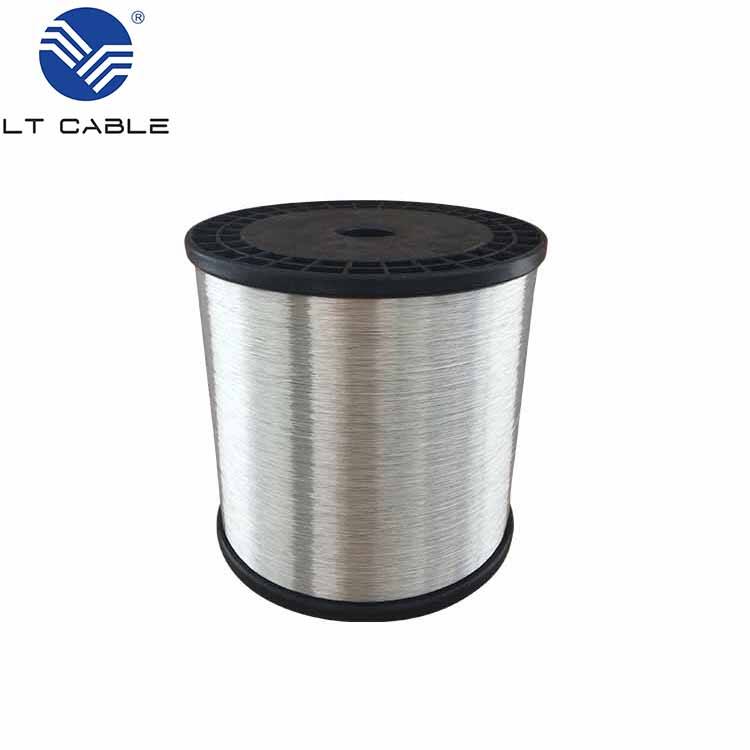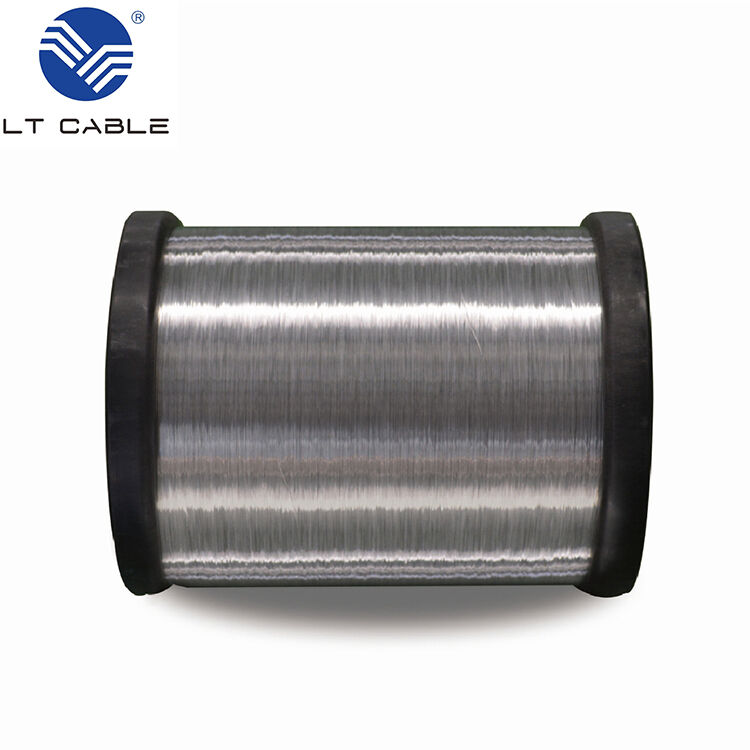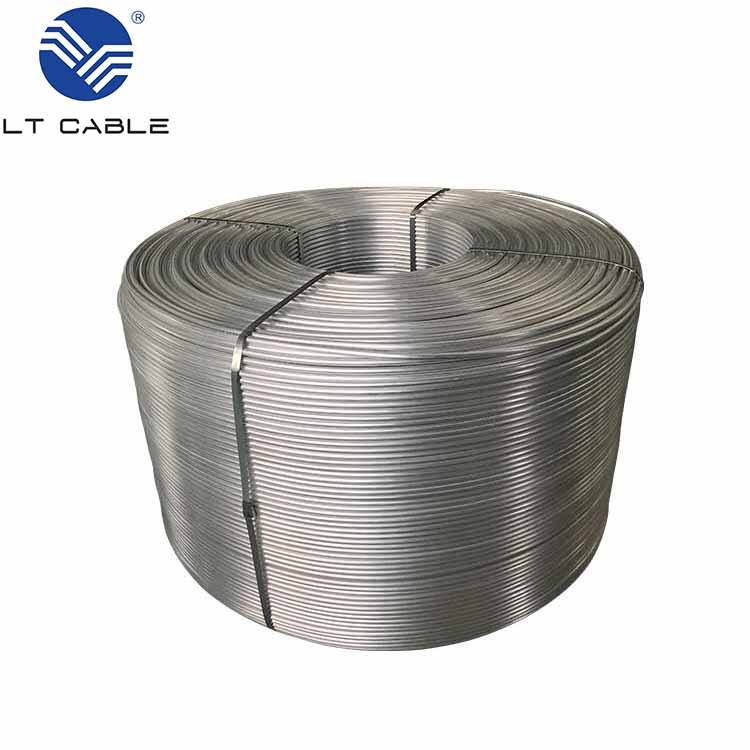
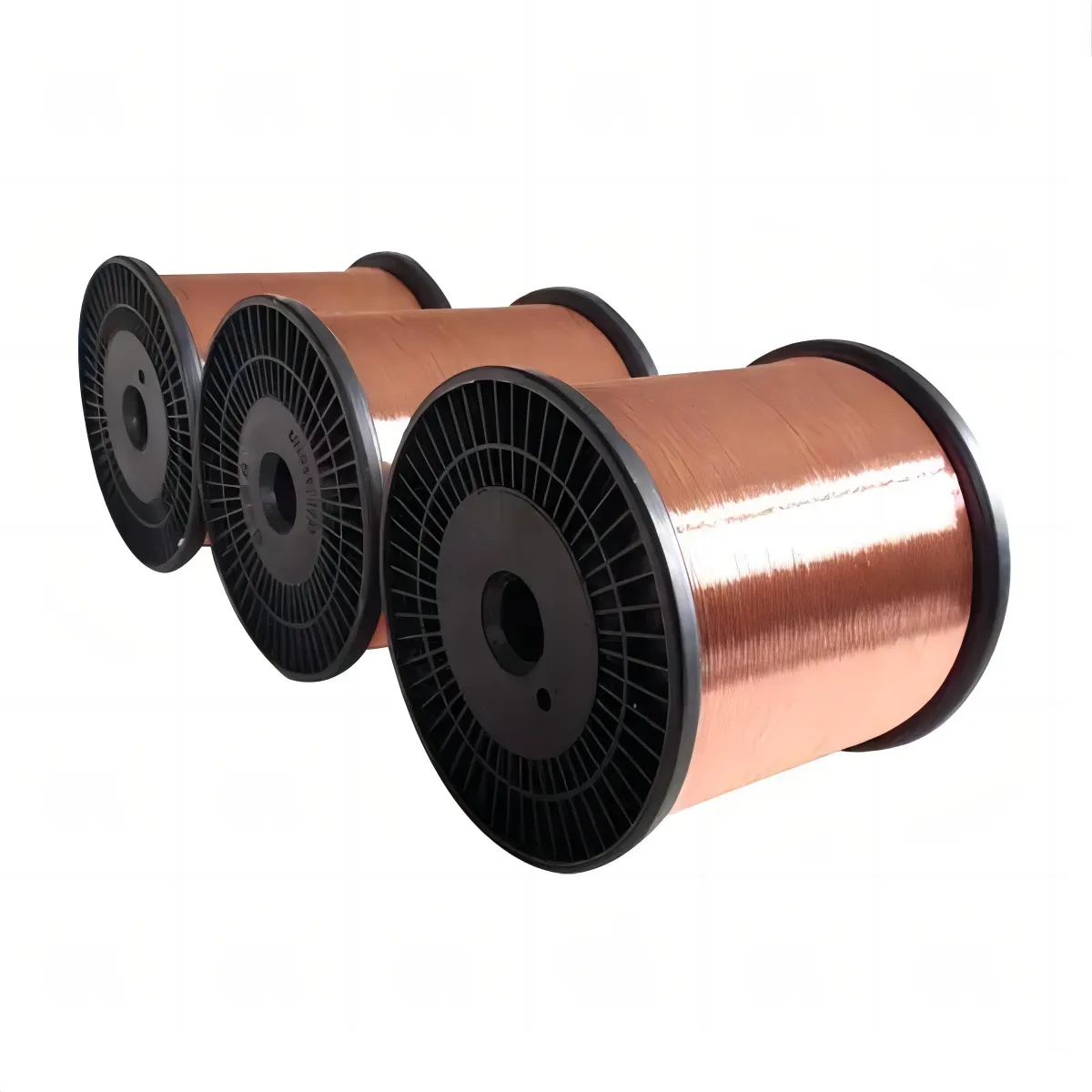
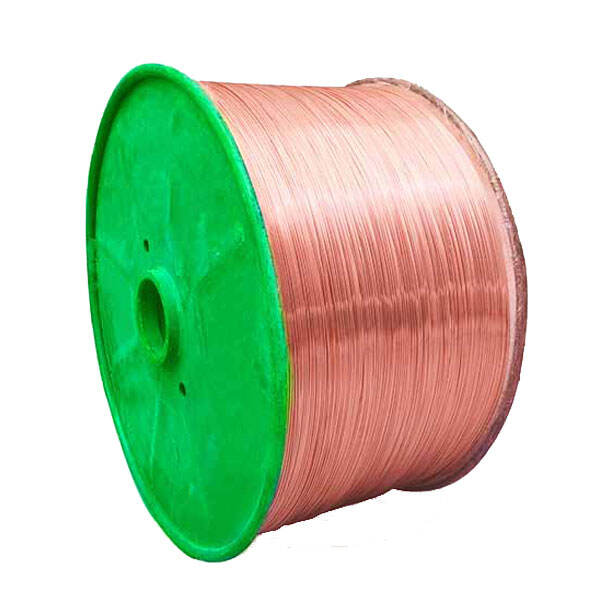
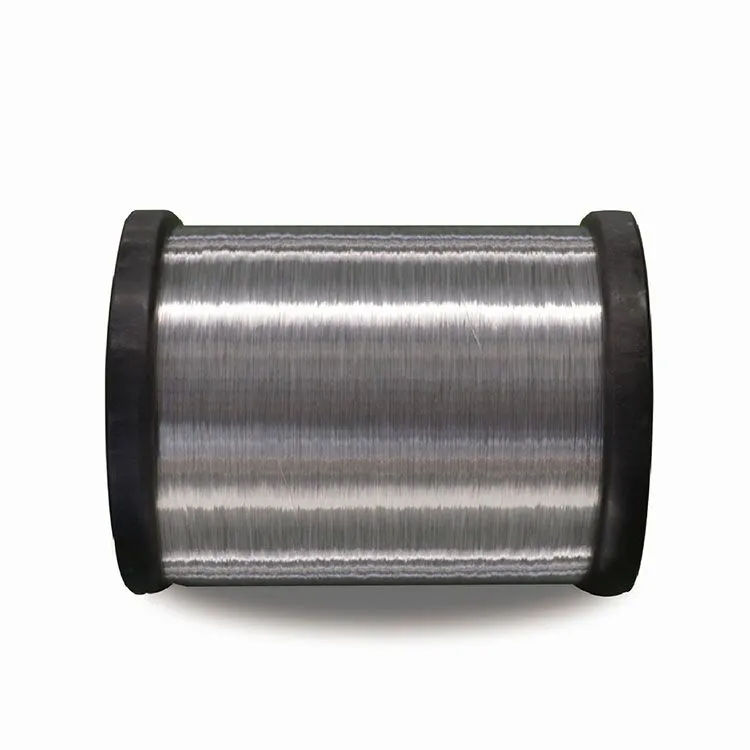
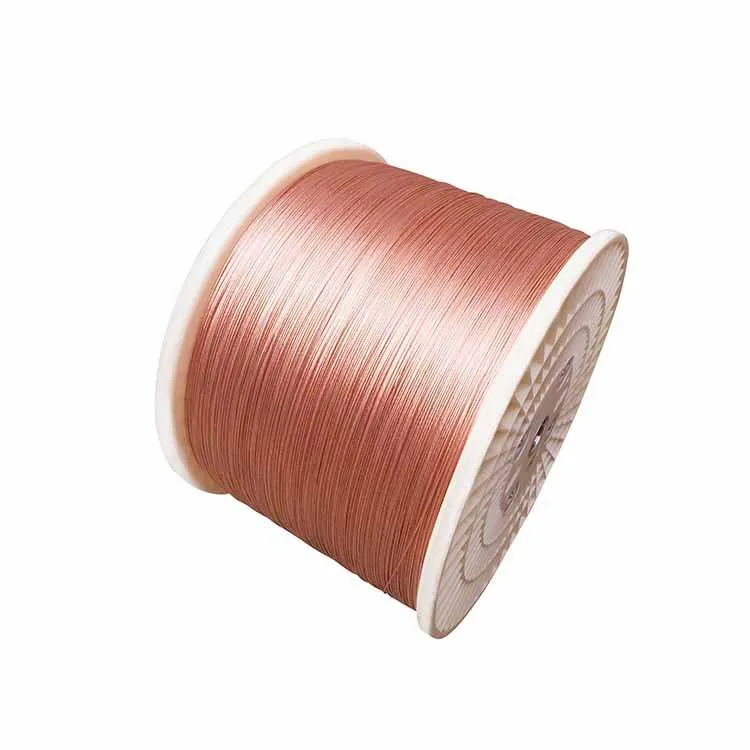
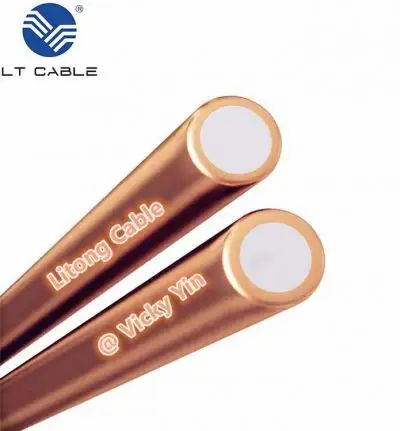
Tinned Stranded Aluminum Alloy Wire | High Conductivity & Corrosion Resistance

Get a Free Quote

Our representative will contact you soon.
Name
Email
Mobile
Country/Region
Choose the product you want
Message
0/1000
Unmatched Quality and Performance of Tinned Stranded Aluminum Alloy Wire

Unmatched Quality and Performance of Tinned Stranded Aluminum Alloy Wire

At Litong Cable, we pride ourselves on offering tinned stranded aluminum alloy wire that stands out for its exceptional conductivity, corrosion resistance, and flexibility. Our fully automated production lines ensure that every strand is manufactured with precision, adhering to strict quality control measures. The tinned coating enhances durability, making our wires ideal for various applications in harsh environments. With a focus on customer value creation, we provide tailored solutions that meet the specific needs of our clients, ensuring reliable performance and longevity in every project.
Get A Quote

Transforming Electrical Solutions with Tinned Stranded Aluminum Alloy Wire

Renewable Energy Project

In a recent renewable energy project, our tinned stranded aluminum alloy wire was selected for its lightweight and high conductivity properties. The client, a leading solar panel manufacturer, required a wire that could withstand outdoor conditions while maintaining efficiency. Our product provided the necessary performance, resulting in a 15% increase in energy transfer efficiency compared to standard wires. This project not only showcased our wire's effectiveness but also reinforced our commitment to supporting sustainable energy solutions.

Marine Applications

A maritime engineering firm faced challenges with corrosion in their electrical systems. They turned to our tinned stranded aluminum alloy wire for its superior corrosion resistance. Implementing our wire in their underwater applications led to a significant reduction in maintenance costs and extended the lifespan of their equipment. The client reported a 30% decrease in repair frequency, demonstrating the reliability and durability of our products in extreme environments.

Industrial Automation

An industrial automation company required a flexible wiring solution for their robotic systems. Our tinned stranded aluminum alloy wire was the perfect fit, offering both flexibility and strength. By integrating our wire into their systems, the client improved operational efficiency by 20% and reduced downtime due to wire failures. This case exemplifies how our products can enhance productivity and reliability in high-demand industrial settings.

Related products

Litong Cable produces high-quality stranded aluminum alloy wires that are made for an extensive range of applications. Our production begins from the selection of the finest alloys. The wires are drawn to exact measurements, then to an annealing process that enhances their electrical and mechanical characteristics. A tinned coating is then added that improves conductivity while protecting the wire from corrosion and oxidation. With detailed approaches to the production of stranded aluminum alloys, we exceed the standards for the electrical, automotive and marine certificates. Understanding the needs of our worldwide clientele, we offer customized products designed to meet their needs.

Frequently Asked Questions about Tinned Stranded Aluminum Alloy Wire

What are the benefits of using tinned stranded aluminum alloy wire?

Tinned stranded aluminum alloy wire offers several advantages, including enhanced conductivity, corrosion resistance, and flexibility. The tinned coating provides additional protection, making it ideal for use in harsh environments.
Our automated production lines ensure precise control over every manufacturing stage, from raw material selection to final coating. This meticulous process guarantees high-quality wire that adheres to strict international standards.

Related article

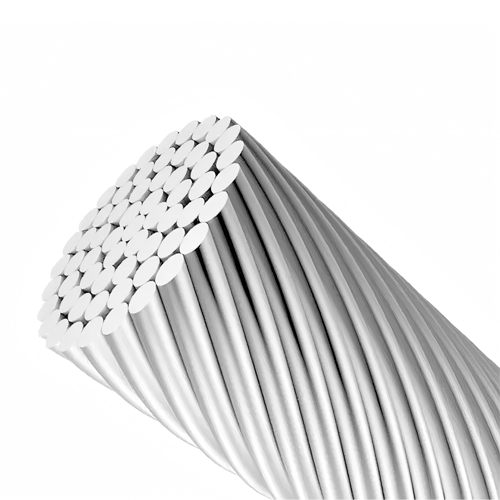
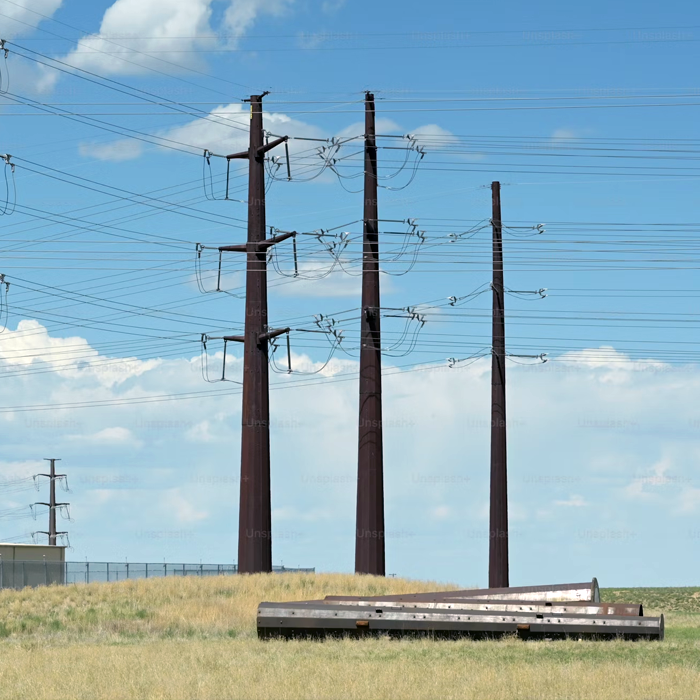
There was a time when the photovoltaic wire industry was on the verge of a breakthrough. Here's what happened.

26

May

There was a time when the photovoltaic wire industry was on the verge of a breakthrough. Here's what happened.

The Evolution of Photovoltaic Wire Technology in Solar Development

From Conventional Wiring to Solar-Specific Solutions

Moving away from standard electrical wiring towards solutions specifically made for solar power represents a big step forward in how we harness sunlight. The key innovation here is photovoltaic wire, which has been specially built to handle problems like sun damage and temperature extremes that plague traditional wiring in outdoor solar setups. These wires last longer and work better because they're designed to stand up to what Mother Nature throws at them day after day. According to industry findings, these improvements in wiring tech have actually made solar panels perform better and break down less often. When installers switch to these solar专用 wires, they're not just fixing technical issues but helping create an energy system that's both greener and works more reliably over time.

Breakthroughs in Insulation Materials (Enameled Wire Applications)

New developments in insulation tech have really boosted how well photovoltaic wires work, especially when it comes to enameled wire applications which are leading the charge right now. These wires stop those pesky short circuits from happening, something absolutely essential if the whole system is going to keep running properly. What makes enameled wires stand out? They handle heat remarkably well and provide solid insulation too, so they stay operational even when temperatures swing wildly from one climate zone to another. Research published last year actually showed that solar panels wired with these special coatings lasted about 30% longer before needing maintenance compared to standard setups. For installers and maintenance crews dealing with all sorts of weather conditions, switching to better insulated materials means fewer breakdowns and happier clients overall.

Adoption of Copper Clad Aluminum (CCA) Conductors

For photovoltaic wire systems, switching to Copper Clad Aluminum (CCA) conductors brings real advantages including lower weight and better price points. When compared against regular copper wiring, CCA stands out particularly in big projects where every pound matters and budgets need to stretch further. These conductors weigh less than pure copper but still manage decent conductivity rates around 58% of copper's standard, which makes them work pretty well in most applications. Looking at what's happening in the market right now, many solar installers are turning to CCA options instead of traditional materials. This shift shows how practical these alternatives have become across the industry. As solar technology continues evolving, CCA seems positioned to play a bigger role simply because it balances performance with affordability so effectively.

Stranded Wire vs. Solid Wire: Balancing Flexibility and Conductivity

When deciding between stranded and solid wire for photovoltaic systems, the difference really matters for how flexible and conductive the setup will be. Stranded wire basically consists of several thin strands twisted together, giving it much better flexibility compared to solid alternatives. This makes stranded wire great for situations where installers need to bend and route cables around obstacles regularly. The advantage becomes especially clear when working with solar panel arrays that require adjustments to fit different roof configurations or ground mounting arrangements. Solid wire does have one thing going for it though its better conductivity means electricity flows through more efficiently. But most pros still go with stranded wire in practice because it's simply easier to work with during installation and holds up better against weather changes over time. Outdoor solar installations face all sorts of temperature swings and mechanical stress, so the durability factor gives stranded wire a significant edge despite the slight conductivity tradeoff.

High-Performance Coatings for UV and Temperature Resistance

The right kind of coating can make all the difference when it comes to extending the lifespan of photovoltaic wires. These special coatings stand up against UV rays and extreme temperatures much better than standard alternatives. Without proper protection, wires exposed to sun, rain, snow, and heat would degrade over time, eventually failing in the outdoor conditions where most solar panels operate. Manufacturers often turn to materials like cross linked polyethylene (XLPE) or polyvinyl chloride (PVC) because they just hold up longer under stress while still providing great electrical insulation. The industry has recognized this need through standards like UL 1581 and IEC 60218 which set minimum requirements for how these coatings should perform. When companies follow these guidelines, they're not just meeting regulations but actually building more dependable solar systems that keep generating power for years instead of months.

Integration of Lightweight Aluminum Alloy Designs

Aluminum alloys that are lighter in weight have become really important for designing photovoltaic wires because they help cut down on installation time and save money. What makes these materials so useful is their strength compared to how light they actually are. This means workers can handle them much easier when moving around job sites, especially during big solar panel installations where hundreds of panels need wiring. When companies switch to aluminum wires instead of heavier options, shipping costs go down significantly. Plus, getting everything set up takes less effort overall. For manufacturers looking to improve their products, adding aluminum into the mix allows them to boost performance while still keeping things sturdy enough and conductive as needed. As the solar industry grows, this kind of material innovation helps overcome one of the biggest headaches facing solar farms today – dealing with those bulky copper wires that cost an arm and a leg.

Impact of Advanced Photovoltaic Wires on Solar Efficiency

Reducing Energy Loss Through Conductive Material Optimization

Getting the right conductive materials sorted out makes a big difference when trying to cut down on energy losses in photovoltaic systems. Copper and aluminum stand out because they conduct electricity so well, which helps get the most out of solar panels. Take copper for example it dominates about 68% of the market for electrical stuff thanks to how good it conducts power. That's why many solar installations go with copper wiring since it loses very little energy during transmission. Research from Solar Energy Materials and Solar Cells points to something interesting too. When manufacturers optimize material selection in their PV setups, they actually see efficiency gains around 15%. This kind of improvement really matters for increasing total energy production from solar arrays.

Durability Enhancements for Harsh Environmental Conditions

Manufacturers are really pushing to make photovoltaic wires last longer when exposed to tough environmental conditions. They've come up with various methods including special coatings that protect against both UV damage and extreme temperatures so these wires can hold up in rough climates. Take Alpha Wire for instance their cables feature PVC jackets made specifically to stand up against sunlight exposure, oils, and harmful UV rays which helps them stay functional for years. We see this working well in practice too. Solar farms installed in places like deserts or mountainous areas show how effective these improvements actually are. Even though the wires face all sorts of harsh weather there, they keep performing reliably and maintaining steady power generation over time.

Role in Enabling Higher Voltage Systems (1500V+ Arrays)

Photovoltaic wires with advanced technology are becoming essential for building higher voltage systems, especially ones that go beyond 1500 volts. This kind of innovation helps big solar farms work better because they lose less energy during transmission and generally perform stronger across the board. With more companies looking seriously at solar power these days, safety regulations like UL 4703 and TUV Pfg 1169 have popped up to keep things safe when dealing with these high voltages. These rules aren't just paperwork either; they actually help improve how much electricity gets generated and sent out from these massive solar installations worldwide. For anyone involved in large scale solar projects, understanding these standards is pretty much mandatory if they want their systems to meet modern requirements while staying competitive in today's market.

Market Growth Fueled by Photovoltaic Wire Advancements

Global Adoption Trends in Utility-Scale Solar Farms

Interest in photovoltaic wire tech around the world keeps growing because these wires help make solar farms work better while cutting down on expenses. Looking at recent numbers, we're talking about something pretty impressive - estimates suggest that total installed capacity could hit over 215 gigawatts worldwide by the early 2030s. Take Germany as an example; they've already got around 61 gigawatts worth of this technology up and running as of late 2023, showing just how serious they are about advancing solar power. The story is similar across much of Asia too, where governments are pushing forward with aggressive policies and financial rewards to boost installations. All these developments point to one thing: photovoltaic wires are becoming essential components in modern solar farms, working hand in hand with panels themselves to squeeze out every last bit of energy possible from sunlight.

Cost-Reduction Synergies Between Wire Tech and Panel Manufacturing

Bringing together advanced wiring tech with how solar panels are made has really cut down on costs throughout the solar industry. When companies streamline both wire production and panel manufacturing at the same time, they save money through bulk buying and create less waste overall. Take a look at what happened with solar PV prices over the last decade or so they fell almost 88% from 2013 to 2023. That kind of price drop shows exactly what happens when these different parts of the process work better together. Beyond just saving cash on manufacturing, this combined approach means regular folks can afford solar power more easily now than ever before. Looking ahead, this integrated method looks set to keep making solar energy both environmentally friendly and competitive against other forms of power generation.

Regulatory Standards Driving Industry-Wide Innovation

The rules governing the photovoltaic wire business really shape how new ideas get developed, forcing companies to keep up with the latest tech. Recent guidelines focus heavily on making things work better while being kinder to the planet, so makers have had to toughen up their products and boost how well they move electricity around. Take Germany for instance with their so-called Easter Package regulations pushing hard for more renewables, which has gotten everyone scrambling to upgrade their wiring solutions. These kinds of regulations push boundaries when it comes to innovation, but they also mean higher quality throughout the sector. Manufacturers worldwide now find themselves racing to create better conducting materials that meet today's demanding standards for both performance and green credentials.

Future Trajectory: Next-Gen Photovoltaic Wire Developments

Smart Wires with Embedded Monitoring Capabilities

Smart wires are becoming pretty important in photovoltaic systems lately, mainly thanks to those built-in monitoring features they have. What makes them special is how they work to boost performance while keeping an eye on things in real time, which actually makes solar panels work better than before. With all sorts of fancy sensors inside, these wires constantly track how much energy is flowing through and check if everything's running smoothly. When something goes wrong, technicians get alerts right away so they can fix problems before they cause bigger headaches down the road. Solar farms stand to gain a lot from this tech too. Imagine having instant access to all that data across thousands of panels at once. It completely changes how operators manage power output and maintain equipment efficiency without wasting time or money.

Sustainable Material Recycling in Wire Production

Sustainability has become a big deal in wire production lately, especially when it comes to incorporating recycled stuff into how wires get made. Advanced recycling tech lets companies in the photovoltaic wire business cut down on expenses while leaving smaller marks on the environment. When manufacturers recycle instead of starting from scratch, they save money and create less trash overall, which makes their operations greener. Take copper for example many wire makers now use recycled copper because it cuts back on demand for fresh material straight from mines. This means fewer trees get chopped down and less dirt gets kicked up during extraction processes. While some might argue about how effective all this really is, most agree that moving toward sustainable practices keeps pushing boundaries in what's possible within the wire manufacturing world today.

Convergence with Energy Storage System Requirements

Researchers are working hard to redesign photovoltaic wires so they can meet the tough demands of today's energy storage systems, which ultimately boosts how well these systems work overall. Newer designs actually fit better with different kinds of energy storage tech out there. When these two things come together, it helps create better integrated solar solutions where electricity from panels connects smoothly with storage units. With storage tech getting better all the time, these wires need to handle bigger electrical loads without losing performance. That means manufacturers have to rethink materials and insulation methods. Looking ahead, this change in wire design matters a lot for solar energy markets. We're already seeing companies invest heavily in smart grids that rely on this kind of connection between generation points and storage facilities across neighborhoods and cities.
View More
With the continuous progress of technology, the next big thing for a wire product is just around the corner.

14

Jul

With the continuous progress of technology, the next big thing for a wire product is just around the corner.

Sustainable Material Innovations in Wire Technology

Eco-Friendly Insulation and Coating Materials

Wire makers across the globe are moving away from conventional insulation materials toward greener alternatives because sustainability has become a business imperative these days. Many companies now incorporate bio based polymers along with recycled plastics into their wiring products to shrink their carbon footprint. Research shows that using recycled plastic for wire coatings makes a big difference environmentally speaking since it cuts down on what ends up in landfills and also reduces reliance on fossil fuels. Take bio based polymers for example they can slash energy use during production by around forty percent when compared to older materials according to findings published in The Journal of Cleaner Production. While trying to stay competitive in terms of product quality, manufacturers have been developing new ways to enhance properties like heat resistance and water protection without affecting how well the wires perform overall.

Lightweight Composite Conductors for Energy Efficiency

Lightweight composite conductors are becoming really important for boosting energy efficiency in many different fields. Most of these conductors combine modern materials such as fiber reinforcement with aluminum cores, which makes them perform better than old fashioned copper wires. The combination works well because they conduct electricity efficiently but weigh much less. This means there's less sagging between poles and we need fewer materials when installing new lines. According to what industry experts have found, switching to these lighter conductors in power transmission lines can cut down on energy loss by around 40 percent. That kind of improvement is making a big difference in how we manage our electrical grids today. More companies are moving away from standard copper wiring solutions toward these newer composite alternatives simply because they offer better sustainability along with lower costs in the long run.

Copper Clad Aluminum (CCA) Performance Breakthroughs

Copper Clad Aluminum or CCA is becoming quite popular these days as an affordable option compared to solid copper wires, particularly in the wire manufacturing sector where finding the right mix between price and performance matters a lot. The main reason companies are turning to CCA is because they cut down on material expenses without sacrificing the conductivity needed for most applications. Over recent years, there have been some real improvements in how well these wires conduct electricity and how light they actually are, which makes them pretty appealing for manufacturers looking for something both efficient and not too heavy. When we compare the numbers, CCA wires actually perform similarly to regular copper ones but weigh much less, so they work great in situations where lighter materials are important like in automated machines and robotic systems. And let's not forget about the green angle either. Research from last year showed that switching to CCA cuts down on carbon emissions related to mining and processing copper. This kind of environmental impact analysis really shows why CCA stands out as a smart choice for companies wanting to adopt greener production methods without breaking the bank.

Next-Gen Enameled Wire for High-Temperature Applications

The development of enameled wire tech has really stepped up to handle those tough high temp situations that many industrial sectors face daily. We've seen some pretty cool improvements lately in how these wires are insulated, letting them take much hotter environments while still working just fine. Manufacturers are now using special new coatings on their wires so they don't break down when things get hot inside machines or engines. Take a look at what's happening in places like aircraft factories and car assembly lines where heat is a constant problem. These facilities are switching over to enameled wires because they just work better in those punishing conditions. The real benefit? Machines run more reliably and there's less risk of failures that could cause accidents. Safety engineers love this stuff since it keeps performing consistently even when everything around it is heating up. And as more companies try to build products that last longer and perform better under stress, enameled wires keep becoming the go-to choice for all sorts of high temperature applications across different fields.

Solid Wire vs Stranded Wire: Comparative Advancements

When it comes to wiring solutions, solid and stranded varieties serve very different purposes depending on what they need to do. Solid wire, basically just one big piece of metal inside, works best when things stay put forever, like running through walls or under floors in buildings that won't be touched again for decades. Stranded wire tells a different story though. Made up of lots of tiny strands all twisted together, it bends easily and doesn't break when pulled around corners during installation. That's why mechanics love it in cars and manufacturers rely on it for gadgets we carry around daily. The market hasn't stood still either. Manufacturers have started putting better coatings on solid wires so they last longer without cracking, while makers of stranded options have tweaked how those individual strands are made to conduct electricity better and bend without snapping. Looking at actual test results from field studies shows these improvements matter a lot. Solid wires handle high voltage jobs better over time, whereas stranded ones make sense anywhere movement happens regularly. From solar panel arrays stretching across fields to fiber optic cables snaking through city streets, picking the right kind of wire isn't just about specs on paper anymore it's about making sure whatever gets powered stays working properly for years to come.

AI-Driven Production Systems for Precision Wiring

Bringing AI systems into wire manufacturing is changing how things get done across the board, making production both more precise and better quality overall. What these systems do basically is they use machine learning algorithms that keep getting smarter as they process more data, which means quality control becomes much more accurate over time. Take for instance some AI production lines where the system actually inspects wires during manufacturing and spots problems that would otherwise go unnoticed, cutting down on defective products. Looking at real world examples from different manufacturers shows something interesting too. Companies that have adopted AI report seeing fewer mistakes in their manufacturing processes while also producing more units per hour. This makes sense when we think about it because AI doesn't tire or make human errors, so it just keeps improving day after day in factories around the world.

Robotics in Stranded Wire Assembly Processes

The use of robotics in stranded wire assembly is changing how things get done on factory floors across the industry. Specialized machines now handle multiple steps in the production line, cutting down on hands-on work and making the whole process go faster than ever before. Industry data shows that when companies implement robotic solutions for wire assembly, they typically see around a 25-30% boost in output speed plus much better accuracy in their finished products. Of course there are downsides too. Integrating these systems can be complicated and expensive, not to mention concerns about what happens to workers whose jobs might disappear. Manufacturers need to think carefully about these issues as they move toward automation, finding ways to balance technological advancement with practical considerations for their workforce and bottom line.

Enhanced Data Transmission Capabilities

Good quality wiring is really important if we want faster data transfer speeds, something that matters a lot in our current digital world. New tech developments have brought us things like CAT8 cables which can handle much higher data rates compared to what was possible before. The telecom sector and data centers benefit most from these improvements. We've seen actual results in these industries with better performance metrics across the board. Materials matter too. Copper clad aluminum wires combined with smart design choices help meet all those connectivity needs while keeping things running fast and efficient. Many companies are now switching to these advanced options simply because they work better in practice.

E-Mobility and EV Wiring Innovations

The rise of e-mobility and electric vehicles is changing how we think about wiring tech. Manufacturers are now focused on creating wiring systems that work better for EVs, mainly because they need to handle different stresses while keeping vehicle weight down. Take copper clad aluminum wire for example. This material weighs less than regular copper but still conducts electricity well enough to boost overall efficiency. Market data shows strong interest in these kinds of innovations as the EV market keeps expanding. According to the International Energy Agency numbers from 2020, there were already around 10 million electric cars on roads worldwide. That kind of adoption rate means wiring technology needs to keep pace with what drivers actually want from their vehicles today.

Miniaturization Strategies for Compact Electronics

The push toward smaller electronics has really transformed how we think about wire technology these days. As gadgets get tinier, manufacturers need wiring solutions that take up less room without sacrificing what they can do. Precision enameled wire construction has become a game changer here, letting engineers pack more functionality into smaller spaces while still keeping performance intact. Take smartphones for instance – they've shrunk dramatically over the years but somehow manage to handle way more tasks than before. The Consumer Tech Association reports around 15% annual growth in compact electronics markets, though some experts argue this might slow down as components reach their physical limits. Still, there's no denying that smarter, smaller wiring continues to shape our tech landscape economically and practically.

This section on high-performance applications and connectivity demonstrates the pivotal role of advanced wire technologies in enhancing data transmission, enabling efficient e-mobility, and promoting miniaturization. Each innovation serves a unique purpose but collectively drives the industry forward by meeting modern demands with precision and efficacy.

View More
CCA Wire Cost Benefits for High-Frequency Data Cables in 5G Rollouts

11

Aug

CCA Wire Cost Benefits for High-Frequency Data Cables in 5G Rollouts

Understanding CCA Wire: Composition and Electrical Characteristics

What Is Copper Clad Aluminum (CCA) Wire?

Copper Clad Aluminum or CCA wire has an aluminum center wrapped in a thin copper coating, giving manufacturers a good mix of affordability and decent conductivity. The aluminum inside cuts down on material expenses significantly when compared to all copper alternatives, and the outer copper layer helps protect against rust while still working well with regular copper connectors that most systems already use. We're seeing more telecom companies turn to CCA these days, especially for those budget conscious 5G installations at network edges. But there's a catch worth noting too many engineers find out the hard way about how CCA performs under high frequency conditions. Some testing and real world trials are definitely needed before deploying this type of wiring where signal integrity matters most.

Electrical and Physical Properties: CCA vs Pure Copper Conductors

While pure copper delivers 100% IACS conductivity, CCA achieves approximately 63% due to aluminum's higher resistivity. Key differences include:

  • Weight: CCA is 50–60% lighter than pure copper, simplifying installation in aerial and rooftop deployments
  • Thermal Performance: Aluminum's lower melting point (660°C vs. copper's 1,085°C) limits sustained power handling
  • Durability: ASTM B-566 bend-cycle testing shows CCA has 25–30% higher fatigue rates than pure copper

For 5G networks requiring lightweight, flexible cabling, CCA's trade-offs often align with infrastructure budget constraints.

DC Resistance and Signal Integrity Implications in High-Frequency Applications

CCA has 55–60% higher DC resistance than pure copper (IEC 60228), a gap that worsens at high frequencies due to:

  • Skin Effect: At frequencies above 1 GHz, current flows primarily within the copper layer (0.006–0.008 mm depth), partially mitigating but not eliminating aluminum's resistivity impact
  • Insertion Loss: CCA cables exhibit 2.1–3.5 dB/100m higher attenuation than copper at 3 GHz (TIA-568-C.2)
  • Impedance Stability: Aluminum oxidation in humid environments can cause impedance variations (±3–5Ω), increasing return loss

These factors necessitate conservative channel-length planning in 5G backhaul and small-cell networks using CCA.

High-Frequency Performance Challenges of CCA in 5G Data Cables

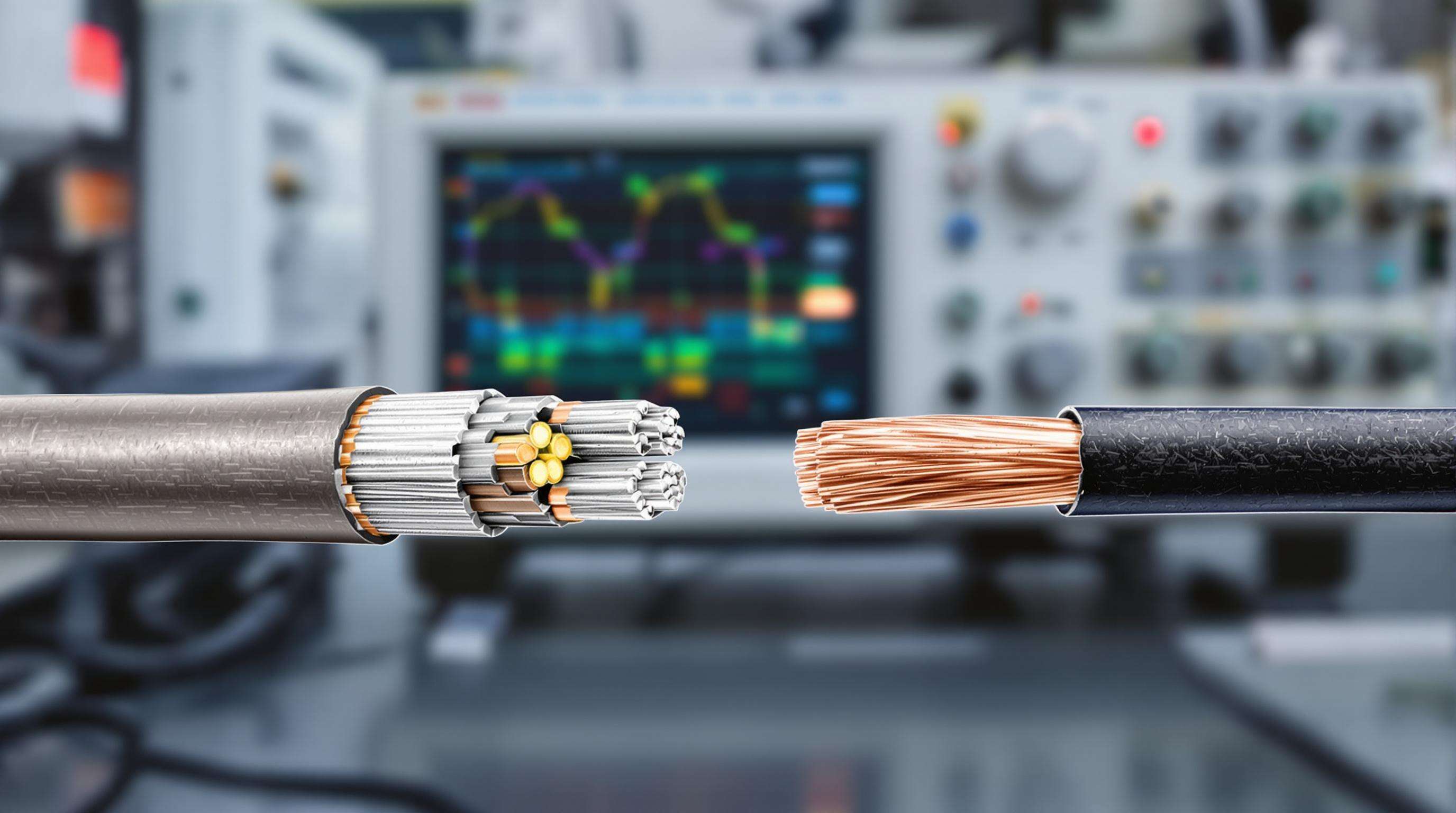
Close-up of CCA and pure copper wire cross-sections with telecom test equipment in the background

Signal Loss and Insertion Loss in CCA at 5G Frequencies

CCA wire actually has about 28% more DC resistance compared to pure copper when measured at room temperature (around 20 degrees Celsius according to TIA-568.2-D standards). This makes a real difference in how signals travel through the cable, especially important for newer 5G applications where every bit counts. Field tests have consistently shown that insertion loss problems with CCA cables are significantly worse than what we see with copper alternatives. At around 3.5 GHz frequencies which are so vital for mid-band 5G performance, these losses can be anywhere from 15 to 30 percent greater. The latest research from ETSI in 2023 paints an even grimmer picture. Their findings indicate that roughly two thirds of all FR1 installations below 6 GHz ran into trouble passing channel certification requirements because of issues related to impedance mismatches and those annoying return loss violations that plague many CCA based systems.

The Skin Effect Debate: Does It Offset CCA's Lower Conductivity?

The skin effect argument doesn't quite hold water when it comes to aluminum's conductivity issues at high frequencies according to real world testing. Look at what happened in these controlled experiments at 28 GHz mmWave frequencies from the Wireless Infrastructure Association back in 2024. Their results showed that composite copper alloy cables actually had about 22 percent more signal loss compared to regular old copper wires. And things get even worse when these cables are working hard. The problem lies in how much more resistant CCA becomes as temperatures rise during heavy usage periods because of its significantly higher thermal coefficient of resistance. This means more energy gets lost as heat exactly when we need maximum efficiency.

Evaluating Manufacturer Claims on CCA Performance in Real-World Deployments

Independent tests looked at 37 different commercial CCA based 5G cables and discovered that just about 14 percent still met their claimed insertion loss specs after being outside for a whole year. According to the Network Materials Study from 2024, when it comes to installing CCA in those crowded city small cell networks, they actually needed almost half again as many signal boosters compared to regular copper wiring. And this extra equipment basically wiped out around 30% of whatever money was saved initially. All these findings point pretty clearly toward one thing manufacturers should do before rolling out CCA on a big scale anywhere serious: make sure they follow TIA-5022 standards during field testing first.

Cost Advantages of CCA Wire in Dense 5G Infrastructure

Material Cost Savings with CCA in High-Frequency Data Cables

Copper-clad aluminum reduces material costs by 25–35% compared to pure copper, according to a 2024 Network Material Cost Analysis. The aluminum core constitutes 60–70% of the conductors cross-section, leveraging lower aluminum commodity prices while maintaining surface conductivity. For large-scale 5G deployments, this translates to $7–$12 per meter savings in RF coaxial applications.

Installation and Weight Benefits in 5G Small Cell and Edge Networks

With its impressive 40% weight cut, CCA makes those tricky 5G network installations in city environments much quicker and safer for everyone involved. Our field tests revealed something pretty interesting too – teams managing small cell connections actually finish around 18% more work each day when working with CCA cables. Makes sense really, since lifting those heavy cable reels onto rooftops or up utility poles just isn't as taxing anymore. And let's not forget about those mmWave antennas either. The lighter materials mean we don't have to reinforce structures quite so much during installation, which translates into real money saved. We're talking somewhere between $240 and $580 less per node installed, depending on location specifics and local building codes.

Lifecycle Cost Comparison: CCA vs Pure Copper in 5G Deployments

While CCA offers upfront savings, long-term economics vary by application:

Cost Factor CCA Wire Pure Copper
Material Costs $0.82/meter $1.24/meter
Maintenance Frequency 18% Higher Baseline
End-of-Life Recycling $0.11/meter $0.18/meter

Operators often deploy CCA in non-mission-critical edge nodes where 15–20 year replacement cycles align with network upgrades. Core fronthaul links, however, typically use oxygen-free copper due to its superior performance in high-power, high-frequency environments.

Reliability, Durability, and Long-Term Trade-Offs of CCA Use

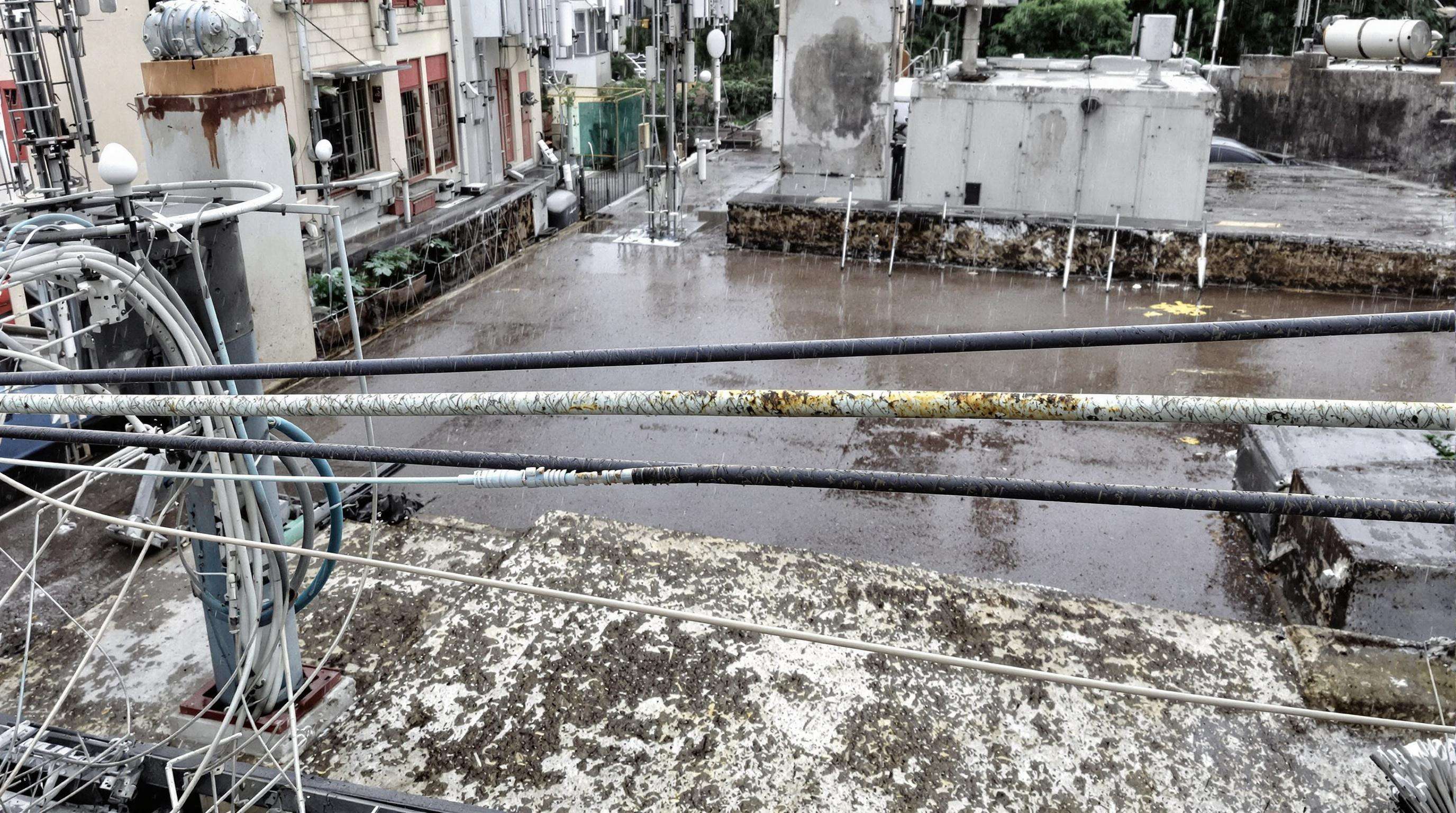
Urban rooftop network cables with visible corrosion on unjacketed CCA wire and intact copper wire in rainy conditions

Mechanical Strength and Fatigue Resistance of CCA Conductors

CCA's aluminum core provides 30% lower tensile strength than pure copper in stress tests, making it more prone to permanent deformation during bending. This is particularly relevant in 5G small-cell installations and aerial deployments subject to wind-induced oscillations.

Galvanic Corrosion Risks in Outdoor 5G Installations Using CCA

When moisture gets into CCA cables, it starts a chemical reaction between the aluminum core and copper coating that leads to galvanic corrosion over time. Most CCA cables with good protective jackets should hold up for around 20 to 25 years in normal weather conditions. But lab testing according to ASTM B117-2023 standards shows something different happens when these cables aren't protected from the elements. The unprotected versions degrade at about 15 times the rate of regular copper wiring. Real world observations back this up too. About one out of every five urban 5G installations that used unjacketed CCA cables ended up needing repairs or replacements after just five years of operation.

Balancing Cost Savings with Network Reliability in Mission-Critical 5G Systems

Despite 28–35% material cost reductions, most 5G operators limit CCA use in critical infrastructure. A 2024 survey found 62% reserve CCA for non-essential links, maintaining copper for latency-sensitive backhaul networks requiring 99.999% uptime.

Industry Standards, Testing, and Compliance for CCA Cables

Relevant Certification Standards: TIA, UL, and Fluke Testing for CCA

CCA cables need to meet both UL and IEC requirements when it comes to electrical safety across North America and Europe. Plus there are those environmental rules too, like RoHS compliance. The TIA-568 standard definitely establishes performance targets for twisted pair cabling systems, but honestly speaking, it doesn't really address all the issues that come up with CCA materials at these high millimeter wave frequencies we're dealing with today. Labs like TüV Rheinland will test things like insertion loss and check signal integrity, but let's face it most of this testing doesn't actually match what happens in real world 5G environments where signals behave so differently from lab conditions.

Do Current Standards Adequately Address High-Frequency CCA Performance?

Most certification frameworks emphasize mechanical durability over high-frequency behavior, creating performance blind spots. Standards like IEC 61156-5 allow higher insertion loss thresholds that accommodate CCA's inherent weaknesses, enabling compliance without ensuring reliability above 24 GHz–where aluminum's conductivity deficits significantly impact signal quality.

The Compliance Paradox: Why CCA Remains Popular Despite Standards Misalignment

CCA continues to be popular because it meets basic certification standards and cuts costs somewhere between 25% and 40%. Different regions have varying regulations which makes it possible to use CCA in places where weight matters a lot, such as when running fiber cables through the air. The lighter materials help balance out some of the electrical disadvantages. For many developing areas where there aren't strict requirements for high frequency performance, price is what really matters. This has kept CCA going strong in those parts of 5G networks that don't need top notch performance but still need something reliable and budget friendly.

FAQ

Why is CCA wire used in 5G networks?

CCA wire is cost-effective and lightweight, making it suitable for 5G network installations in urban environments where budget and ease of installation are critical factors. However, it comes with trade-offs in conductivity and potential performance issues at high frequencies.

What are the main challenges with CCA wire?

Main challenges include higher DC resistance, signal loss, and susceptibility to galvanic corrosion, especially in humid environments. CCA also has lower tensile strength, making it less durable in aerial installations.

How does CCA compare to pure copper for high-frequency applications?

CCA has more resistance and signal loss compared to pure copper, particularly at high frequencies necessary for 5G applications. This can result in increased insertion loss and impedance mismatches, requiring careful channel-length planning.

Is CCA wire compliant with industry standards?

While CCA wire meets many certification standards including UL and IEC, these standards often focus more on mechanical properties rather than high-frequency performance, leaving performance gaps in certain applications.

View More
Stranded Wire Sizing Chart for Energy-Efficient Lighting Circuits

11

Aug

Stranded Wire Sizing Chart for Energy-Efficient Lighting Circuits

Understanding Stranded Wire and Its Role in Energy-Efficient Lighting

What Is Stranded Wire and Why It's Preferred for Lighting Circuits

Stranded wire is basically just lots of tiny copper wires all twisted together, which creates something really flexible that works great in today's lighting setups. The way these wires are arranged actually helps cut down on stress when they get bent around corners, so electricians can run them through walls, pipes, and those awkward spots where traditional wiring would break down. For homes and businesses looking at energy savings, this type of wire stands out because it handles vibrations better, doesn't crack under temperature changes, and stays reliable even after people keep adjusting light fixtures over time. That means fewer problems down the road with connections failing or lights flickering unexpectedly.

Differences Between Solid and Stranded Wire in Low-Voltage Lighting Applications

  • Solid Wire: Best for permanent, static installations due to its rigidity and slightly lower electrical resistance. However, it is prone to metal fatigue when subjected to movement or repeated flexing.
  • Stranded Wire: Offers superior flexibility with a 30–40% greater bend radius tolerance, minimizing the risk of internal strand breakage over time.

While solid wire may have a lower initial cost, stranded wire reduces labor and maintenance expenses in dynamic lighting setups where fixtures are repositioned or upgraded.

How Wire Flexibility Impacts Installation Efficiency and Long-Term Reliability

Using stranded wire makes installation go quicker and safer overall. Electricians working on retrofits often finish jobs about 20 percent faster because the wires are easier to handle and wrap around those awkward junction boxes or track systems they encounter all the time. When electricity flows through multiple strands instead of one solid conductor, it spreads out better which means fewer hot spots forming. That matters a lot in places where people constantly walk around like office buildings and stores. The way these wires distribute the load evenly actually helps protect delicate equipment too. Dimmer switches and those fancy smart lighting controllers last longer since they don't get hit with sudden temperature changes that wear them down over time. Without this protection, these components would fail much sooner than expected.

Key Electrical and Environmental Factors in Stranded Wire Sizing

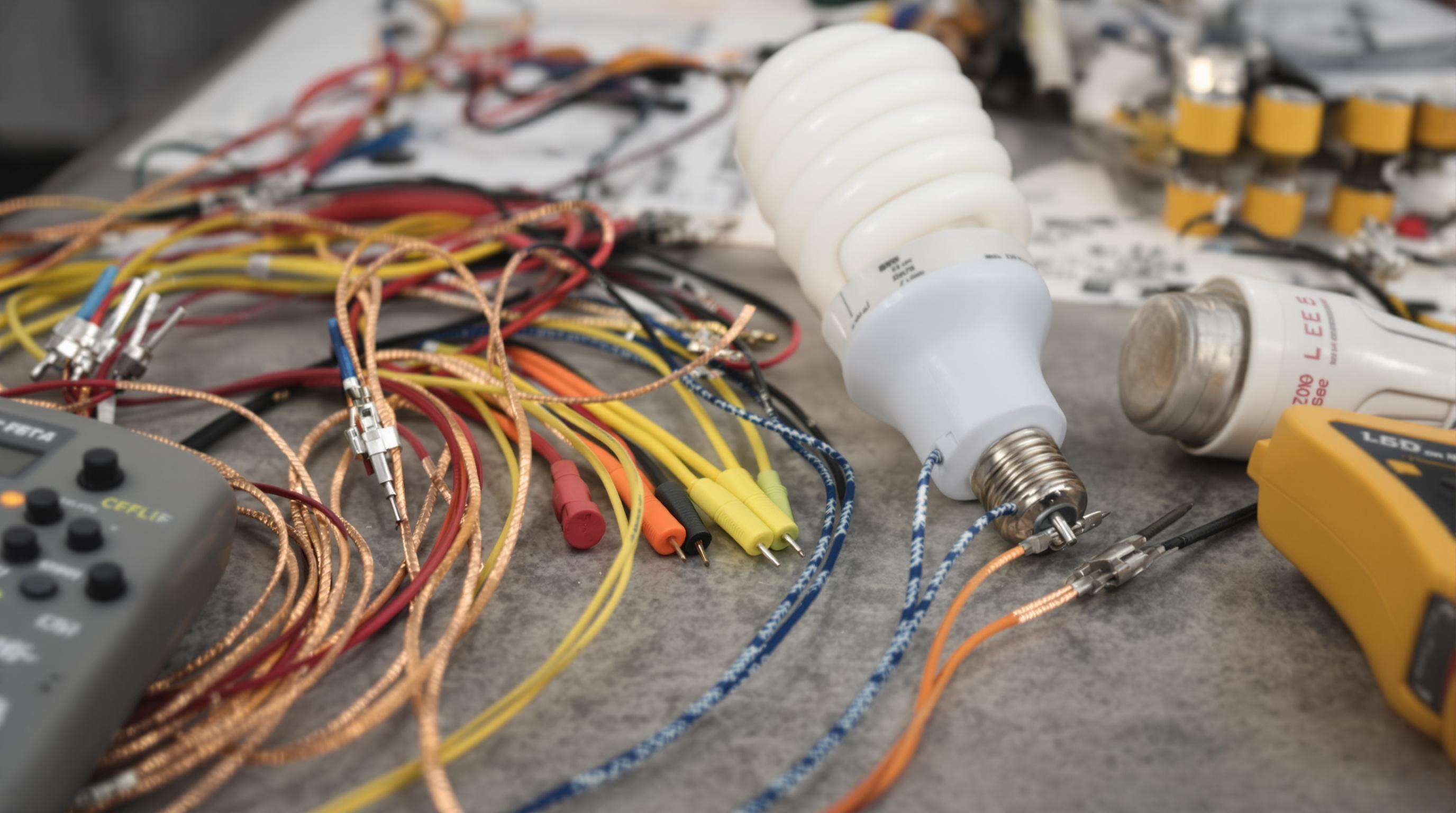
Electrician examining various stranded wires and lighting fixtures with copper detail

Current Load Requirements Based on LED and CFL Lighting Fixtures

LED lights today use around 40 percent less electricity compared to those old CFL bulbs, based on what the Department of Energy reported back in 2023. Because they draw so much less power, electricians can actually get away with using thinner wires for installations. Most folks end up going with something between 18 and 14 AWG when working on these kinds of projects. But wait there's a catch with CFLs too. When dealing with circuits that still have them running, technicians need to knock down the capacity by about 20%. Why? Well those CFLs create all sorts of electrical noise plus their internal components aren't as efficient as we'd like. This becomes really important problem when trying to upgrade older buildings where people just want to swap out the lighting without rewiring everything from scratch.

Voltage Drop Considerations in 12V and 24V Energy-Efficient Lighting Circuits

According to the National Electrical Code or NEC for short, voltage drop needs to stay under 3 percent when dealing with those low voltage lighting setups. Let's look at a real world example: take a 24 volt LED circuit that pulls 5 amps across 50 feet of cable. If someone uses 14 gauge stranded wire, they'll only see about 1.2 volts lost along the way. But switch to 16 gauge and suddenly there's a bigger problem with 2.8 volts disappearing instead. That kind of difference can really mess up how well the lights actually work. Another thing worth noting is that stranded copper has around 15 percent less skin effect impedance at standard 60 hertz frequencies compared to solid wire options. This makes a noticeable difference in efficiency particularly important for those dimmable 12 volt systems where every bit counts.

Ambient Temperature, Bundling Effects, and Thermal Stability Under Continuous Load

Looking at NEC Table 310.16 from the 2023 edition, we find that 16 AWG stranded wire loses around 23% of its ampacity capacity when exposed to ambient temperatures exceeding 40 degrees Celsius. Things get even worse when this wire is bundled together with three or more other current carrying conductors, where the ampacity drops down by approximately 30%. Some recent thermal imaging research has actually demonstrated something interesting too. Stranded wire bundles tend to run about 10 to 15 degrees cooler compared to their solid core counterparts during those long continuous 6 hour load periods. This temperature difference helps extend the life of the insulation material quite significantly while also satisfying more stringent fire safety requirements in building codes across different regions.

Stranded Wire Size Chart: AWG to Metric Conversion and Current Ratings

Comprehensive Stranded Wire Size Chart (AWG and mm²) for Lighting Circuits

Getting the right stranded wire size means pairing American Wire Gauge measurements with their metric equivalents in square millimeters. For energy efficient lighting setups, we typically see 18 AWG wires at around 0.823 mm squared used for those small LED strip lights, all the way up to 12 AWG which measures about 3.31 mm squared for bigger commercial installations. According to some recent studies last year, 14 AWG stranded wire measuring approximately 2.08 mm squared works well for standard 15 amp residential lighting circuits without causing significant voltage loss issues down the line.

AWG Cross-Section (mm²) Max Current (Amps) Typical Use Case
18 0.823 7 LED strip lighting
16 1.31 10 Under-cabinet fixtures
14 2.08 15 Recessed residential lighting
12 3.31 20 Commercial LED arrays

Electrical Current Rating (Amps) by Wire Gauge and Cross-Sectional Area

How much current a wire can carry really comes down to two main factors: the wire's thickness (gauge) and what it's made of. Take copper stranded wire for example. When it's rated for 60 degrees Celsius operation, a 16 AWG size will safely handle around 10 amps continuously, while going up to 12 AWG doubles that capacity to about 20 amps. Something important to remember though is the National Electrical Code from 2020 suggests reducing this capacity by roughly 15% when several wires are bundled together inside thermal insulation. This becomes particularly relevant with today's LED lighting installations where it's common practice to run multiple circuits through shared conduits, making proper derating calculations absolutely essential for safe electrical work.

Converting AWG to Metric (mm²) and International Cable Sizing Standards

When converting AWG measurements to metric units, there's a mathematical formula involved: mm squared equals approximately 0.012668 multiplied by 92 raised to the power of ((36 minus AWG) divided by 19.5). But nobody really wants to calculate that manually all day long. That's why international standards like IEC 60228 have made things easier with standard sizes already defined for us. Most European lighting installations will commonly see cables rated at 1.5 mm squared which is roughly equivalent to 16 AWG, or the bigger 2.5 mm squared cables matching around 13 AWG in American terms. Before working on any electrical project though, always check what the local regulations say about wiring. The current carrying capacity numbers can vary quite a bit between US UL standards and European IEC specifications even when talking about wires of identical physical dimensions.

Selecting the Right Stranded Wire for Residential and Commercial Lighting Applications

Matching Stranded Wire Types to Indoor, Outdoor, and Retrofit Lighting Systems

Picking the correct stranded wire makes all the difference when it comes to how well things work in different settings. For indoor stuff like those recessed LED lights we see everywhere these days, most people go with 18 to 16 AWG wire wrapped in flexible PVC insulation. That works great in those tight junction boxes where space is at a premium. When dealing with outdoor path lighting though, things get a bit trickier. The insulation needs to stand up to UV exposure and the copper strands should be tinned to fight off corrosion. Most folks stick with 14 AWG for any 24V runs longer than about 50 feet. And let's not forget about retrofit jobs either. These old systems really appreciate high temperature rated wire that can handle up to 90 degrees Celsius without losing its flexibility. This kind of wire stands up to the heat stress inside those older conduits better than regular options.

Insulation Materials: PVC vs XLPE for Durability and Energy Efficiency

Insulation choice impacts both durability and system efficiency:

  • PVC (Polyvinyl Chloride): A cost-effective option with a 600V rating and average dielectric loss of 5.8% (Electrical Safety Foundation, 2023).
  • XLPE (Cross-Linked Polyethylene): Offers superior thermal stability (up to 135°C) and reduces leakage currents by 38% compared to PVC in bundled configurations, enhancing energy efficiency in dense installations.

Case Study: Optimizing Stranded Wire in a Commercial LED Retrofit Project

When retrofitting a large 50,000 square foot office space, switching out the 12 AWG solid core wiring for 10 AWG stranded copper in those main distribution panels made a real difference. Voltage drop across those 200 meter circuits dropped dramatically from around 8.2% down to just 2.1%. The installation crews noticed something else too - they were able to pull cables through those EMT conduits about 23% quicker when working with rope strand conductors. And let's not forget the bottom line impact. This wiring upgrade actually helped cut annual energy consumption by approximately 4.7% simply by reducing those pesky line losses. These kinds of improvements are exactly what the Department of Energy highlighted back in their 2022 LED Retrofit Guidelines, though most electricians already know this works in practice long before seeing it on paper.

Step-by-Step Cable Sizing Calculation for Energy-Efficient Lighting Circuits

Engineer calculating wire size using calipers, calculator, and reference materials

Methodology for Calculating Optimal Stranded Wire Size

Getting wire sizing right starts with looking at three main factors: how much current flows through the circuit, what voltage drop is acceptable, and what temperatures we expect during operation. To figure out the load current, just divide the total wattage of all fixtures by the system voltage. Let's say we have 100 watts running on 12 volts, that gives us around 8.3 amps. When picking a wire size, always go for something from the NEC tables that can handle at least 125% of this number. This extra buffer helps avoid overheating issues when circuits run continuously for long periods. Things get trickier in warmer environments though. If temperatures climb past 30 degrees Celsius, we need to adjust our calculations using those thermal derating factors mentioned in the latest NFPA 70 code. The rule of thumb is that every 10 degree increase cuts down the safe current carrying capacity somewhere between 15 to 20 percent.

Voltage Drop Formula and Application in Low-Voltage (12V/24V) LED Systems

Maintaining voltage drop below 3% (0.36V for 12V systems) is critical for LED performance and longevity. Use the standard formula:

Voltage Drop (%) = (2 × Length (m) × Current (A) × Resistance (Ω/km)) / (Voltage × 1000)

Stranded copper's lower skin effect resistance makes it 18–22% more efficient than solid wire in 24V systems over 15 meters (NEMA TS-2022). When voltage drop exceeds 2.5%, upgrading to a larger gauge preserves lumen output, as each 0.1V loss reduces brightness by 4–6%.

Example Calculation: 50-Meter Circuit Powering 10 × 10W LED Fixtures

  1. Total Load: 10 fixtures × 10W = 100W
  2. System Current: 100W / 12V = 8.33A
  3. Allowable Voltage Drop: 12V × 3% = 0.36V
  4. Maximum Resistance per Meter:
    0.36V / (2 × 50m × 8.33A) = 0.000432 Ω/m

A 14 AWG stranded wire (2.08 mm²) has a resistance of 0.00328 Ω/m—too high for this run. Upgrading to 12 AWG (3.31 mm², 0.00208 Ω/m) reduces voltage drop to 2.1% (0.25V), maintaining full brightness. This proper sizing reduces energy waste by 9–12% compared to undersized cabling.

Wire Gauge Cross-Section (mm²) Max Current (A) Max Length @3% Drop (12V)
16 AWG 1.31 10 28m
14 AWG 2.08 15 45m
12 AWG 3.31 20 72m

This table demonstrates how increasing wire gauge extends maximum circuit length while adhering to NEC safety and efficiency standards.

Frequently Asked Questions (FAQ)

What are the main advantages of stranded wire over solid wire in lighting circuits?

Stranded wire offers flexibility, reduced risk of strand breakage, better handling of vibrations, and resilience against temperature changes, making it ideal for dynamic lighting installations.

Why is stranded wire preferred for energy-efficient lighting like LED systems?

Stranded wire handles lower electrical loads effectively, distributes current evenly to avoid hot spots, and reduces voltage drop, enhancing energy efficiency.

How does stranded wire impact installation speed and equipment longevity?

Its flexibility speeds up installation and protects equipment like dimmer switches from temperature fluctuations, prolonging their operational life.

What factors should be considered when sizing stranded wire?

Consider the current load, voltage drop, ambient temperatures, and whether the wire will be bundled with others when determining the right size.

How do insulation materials impact stranded wire effectiveness?

Materials like PVC offer cost benefits, while XLPE provides superior thermal stability and reduces leakage currents, crucial for energy-efficient setups.

View More

Customer Testimonials on Tinned Stranded Aluminum Alloy Wire

John Smith
Exceptional Performance in Harsh Conditions

We have been using Litong Cable's tinned stranded aluminum alloy wire in our marine projects, and it has consistently outperformed other products. The corrosion resistance is remarkable, and we have seen a significant reduction in maintenance costs.

Sarah Johnson
Boosting Efficiency in Automation

Litong Cable's tinned stranded aluminum alloy wire has transformed our robotic systems. The flexibility and strength of the wire have improved our operational efficiency, and we couldn't be happier with the results!

Get a Free Quote

Our representative will contact you soon.
Email
Name
Company Name
Message
0/1000
Superior Corrosion Resistance for Longevity

Superior Corrosion Resistance for Longevity

Our tinned stranded aluminum alloy wire is designed with a tinned coating that provides exceptional protection against corrosion and oxidation. This feature is crucial for applications in marine and outdoor environments where exposure to moisture and salt can lead to premature failure of standard wires. By utilizing our wire, clients can significantly extend the lifespan of their electrical systems, reducing maintenance costs and downtime. The durability of our product ensures that it remains reliable even in the most challenging conditions, making it a preferred choice for industries that demand high performance and longevity.
Enhanced Flexibility for Ease of Installation

Enhanced Flexibility for Ease of Installation

One of the standout features of our tinned stranded aluminum alloy wire is its exceptional flexibility. This characteristic allows for easy handling and installation, particularly in tight spaces or complex configurations. The stranded design enables the wire to bend without breaking, making it ideal for applications that require intricate wiring solutions. Clients have reported that the ease of installation has led to faster project completion times and reduced labor costs, further enhancing the value of our product.
  • Product Consultation & Selection

    Product Consultation & Selection

    Tailored advice, perfect fit solutions.

  • Production & Supply Chain

    Production & Supply Chain

    Efficient manufacturing, seamless supply.

  • Quality Assurance & Certification

    Quality Assurance & Certification

    Rigorous testing, global certifications.

  • Post-Sales Support & Tech Help

    Post-Sales Support & Tech Help

    Prompt assistance, ongoing support.

Get a Free Quote

Our representative will contact you soon.
Name
Email
Mobile
Country/Region
Title
Message
0/1000