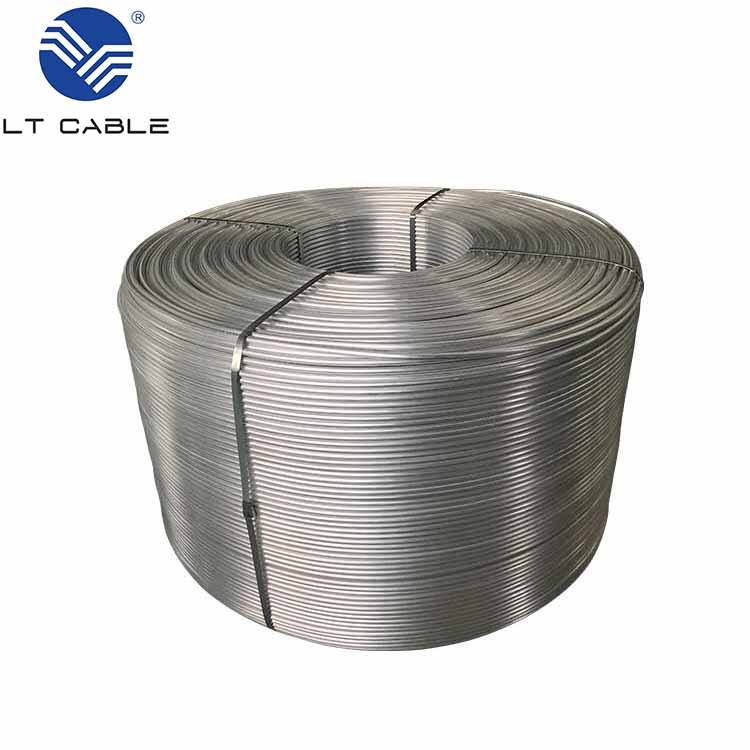
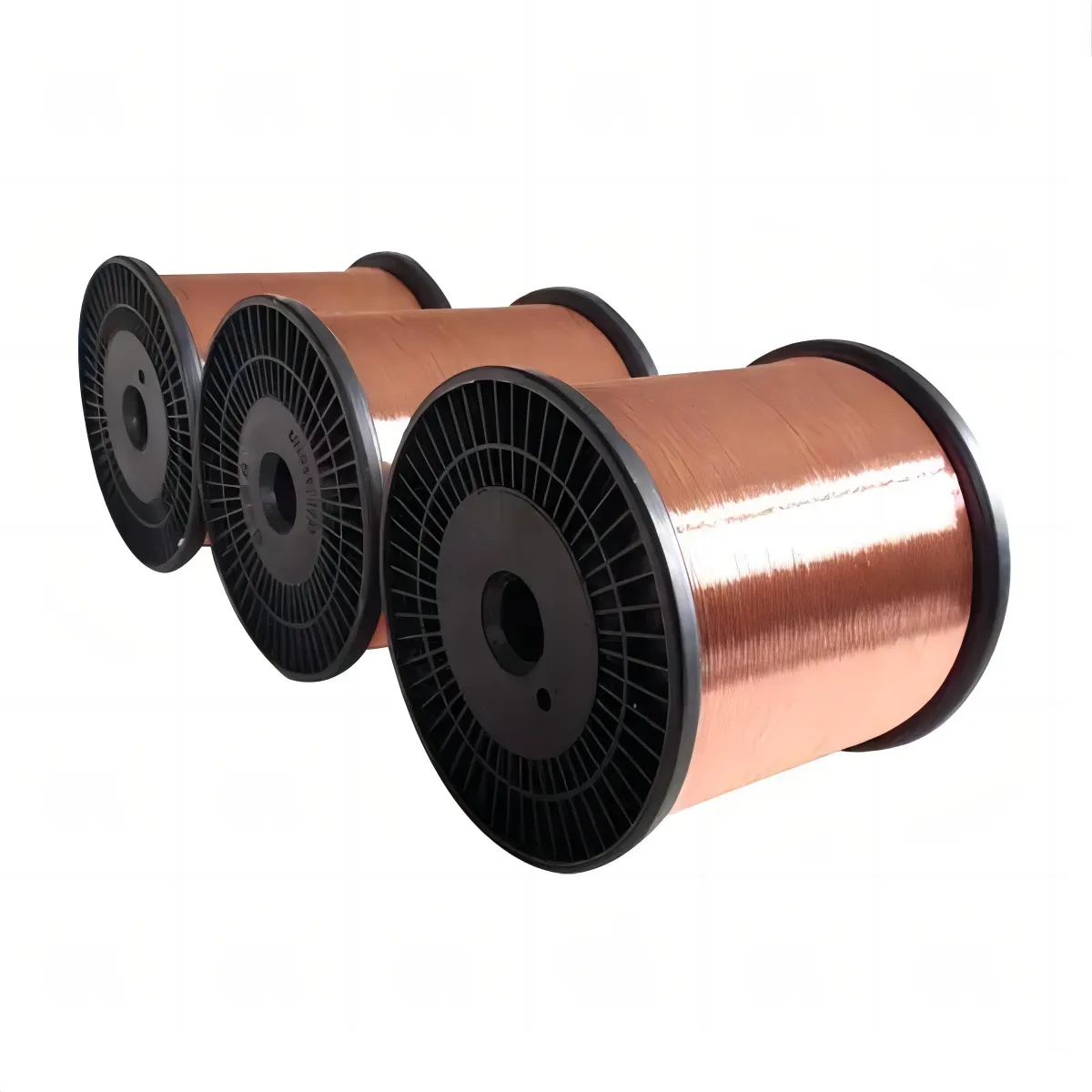
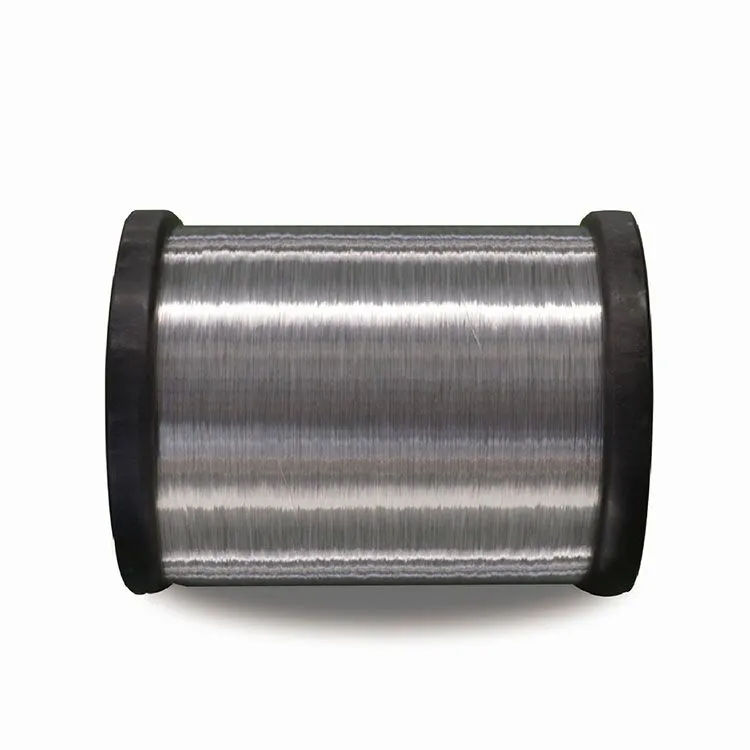
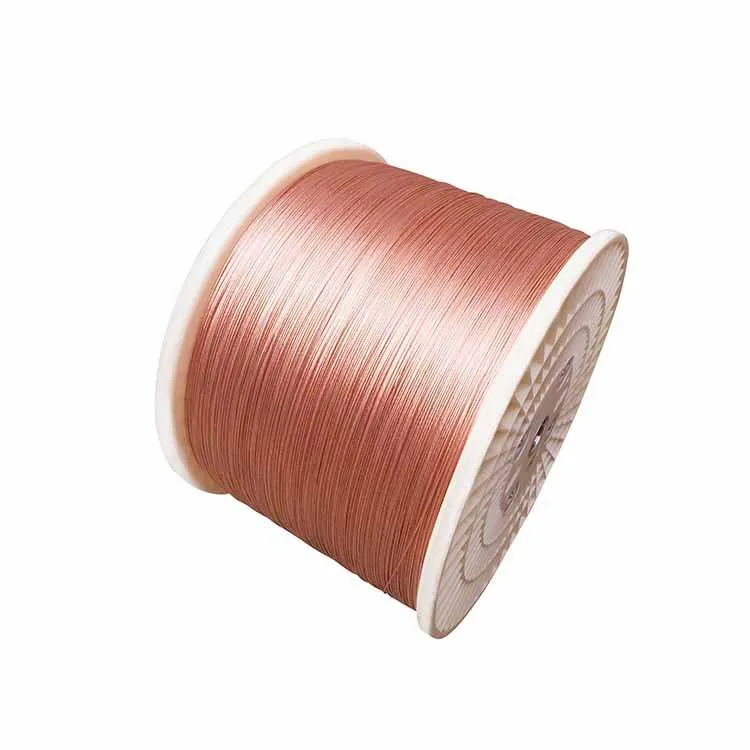
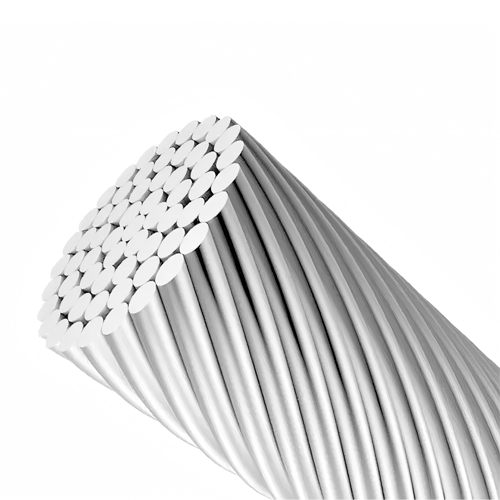
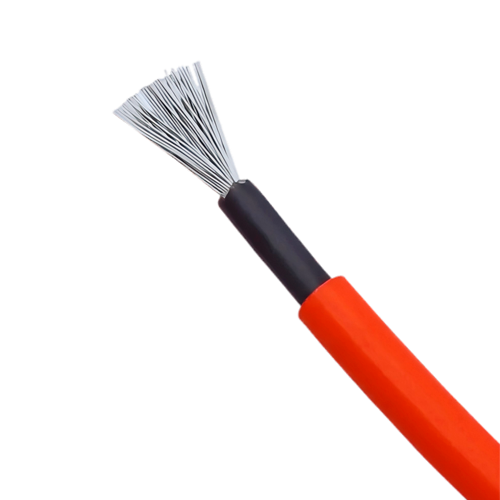
Low Voltage Stranded Aluminum Alloy Wire | High Strength & Flexibility

Get a Free Quote

Our representative will contact you soon.
Name
Email
Mobile
Country/Region
Choose the product you want
Message
0/1000
Exceptional Durability and Performance

Exceptional Durability and Performance

Our Low Voltage Stranded Aluminum Alloy Wire is engineered for superior strength and flexibility, making it ideal for various applications. With a unique composition that enhances conductivity while reducing weight, this wire ensures long-lasting performance even in demanding environments. Its corrosion resistance adds to its longevity, making it a cost-effective choice for clients looking to optimize their electrical systems.
Get A Quote

Case Studies

Industrial Automation Solutions

In a recent project with a leading manufacturing firm, our Low Voltage Stranded Aluminum Alloy Wire was integrated into their automation systems. The wire's lightweight yet robust nature allowed for easy installation and reduced strain on the machinery. As a result, the company reported a 20% increase in operational efficiency, showcasing the wire's ability to enhance productivity in industrial settings.

Renewable Energy Projects

We partnered with a solar energy provider to supply our Low Voltage Stranded Aluminum Alloy Wire for their solar panel installations. The wire's excellent conductivity and resistance to environmental factors ensured optimal energy transfer, leading to a 15% increase in energy output. This case highlights the wire’s suitability for renewable energy applications, contributing to sustainable solutions.

Residential Electrical Wiring

A residential builder utilized our Low Voltage Stranded Aluminum Alloy Wire in their latest housing project. The wire's flexibility made it easy to route through tight spaces, while its durability assured homeowners of a safe and reliable electrical system. Feedback from the builder indicated a high level of satisfaction with the performance and ease of use, reinforcing our commitment to quality.

Related products

The entire production process for our Low Voltage Stranded Aluminum Alloy Wire begins with cutting edge technology. Leading this process is an automated system that systematically controls each production step. Additonally, high quality raw materials are controlled and monitored by our management team and into the final drawing and annealing stages Wire production. Such production practices guarantee superior quality and great customer value. Customers need consistent and reliable products. We build and design our wires so that they can operate with peak efficiency anywhere in your application. In the industrial, construction, or renewable energy sectors, our wires will meet your needs and specifications. In addition to industry testing, the wires are put through rigorous testing in-house to ensure they meet the highest standards of excellence. With Litong Cable, you are choosing quality, effectiveness, and dependability.

FAQ

What is Low Voltage Stranded Aluminum Alloy Wire used for?

Low Voltage Stranded Aluminum Alloy Wire is commonly used in applications such as electrical wiring for residential, commercial, and industrial settings. Its lightweight and durable nature makes it ideal for various electrical systems, including renewable energy solutions.
Stranded wire offers greater flexibility and ease of installation compared to solid wire. This makes it particularly useful in applications where the wire needs to be bent or routed through tight spaces.

Related article

What should you note when using twisted wire for high - frequency applications?

26

May

What should you note when using twisted wire for high - frequency applications?

Understanding Twisted Wire in High-Frequency Applications

How Twisted Pair Geometry Reduces EMI

The design of twisted wire pairs aims at cutting down on electromagnetic interference or EMI, something that really becomes a problem when dealing with signals at higher frequencies. When these wires get twisted together, they actually help cancel out those pesky voltages coming from outside sources, giving us a much better and more dependable signal quality. This method plays a big role in fighting against crosstalk issues, which happen when signals interfere with each other across neighboring wires. Research shows that using this twisted pair arrangement can cut down crosstalk problems by around 95 percent, making communications work much better overall for most applications.

The Role of Enameled Wire in Signal Integrity

In high frequency applications, enameled wire helps keep signals clean thanks to those great insulation properties we all know and love. The enamel layer does double duty by cutting down on short circuits while protecting against things like moisture and temperature swings that would otherwise mess with performance. According to several industry studies from the last few years, switching to enameled options actually makes twisted wire setups last longer before they start failing. For anyone working with equipment that needs reliable operation day after day, this kind of durability matters a lot. Twisted wires wrapped in proper enamel coatings tend to handle those tough high frequency demands much better than standard alternatives, though there are always exceptions depending on specific application requirements.

Key Factors Affecting High-Frequency Performance

Wire Geometry and Twist Rate Optimization

Getting the right wire shape and twist just right makes all the difference when it comes to cutting down on impedance issues in those high frequency setups. When engineers tweak the actual shape of the wires and play around with how tightly they're twisted together, the whole system sends signals much better. Think about places where there's tons of electromagnetic noise floating around everywhere - getting that twist rate spot on really helps cut through the clutter and keeps things running smoothly. Most manufacturers follow established guidelines for wire shapes these days because we've learned what works best over time. These specs aren't just random numbers; they actually match up with what today's communication systems need to function properly without constant headaches from poor signal quality.

Material Choices: CCA Wire vs Pure Copper

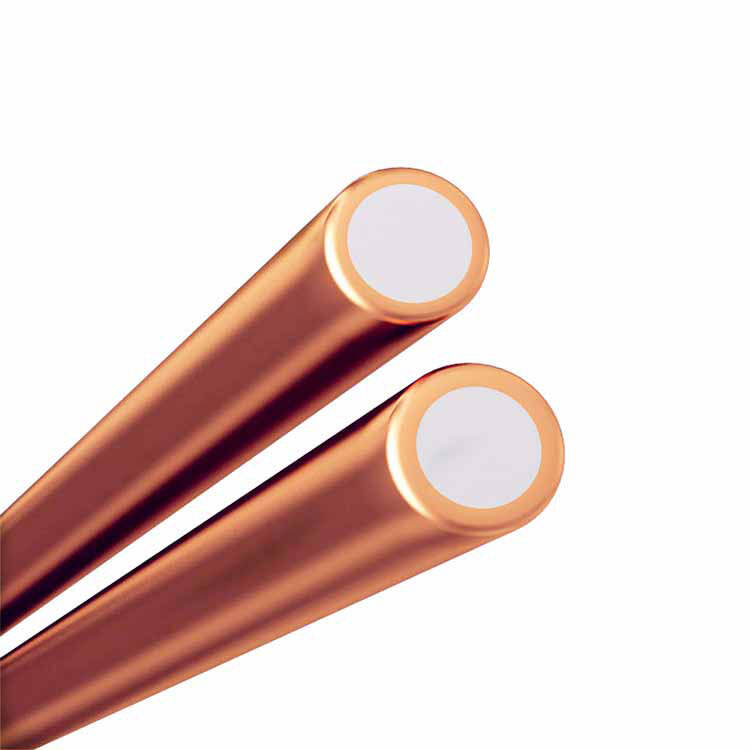
The decision between Copper Clad Aluminum (CCA) wire versus straight copper makes a real difference when it comes to how well electricity flows through them and what they cost. CCA wires are much lighter than regular copper ones, which works great for situations where weight matters a lot, like in some electronic devices or installations. But there's a trade off here too. These hybrid wires don't perform quite as good as pure copper does, particularly when dealing with those fast signal frequencies we see in modern electronics. Most engineers still go with pure copper though because research keeps pointing out that copper conducts electricity better and lasts longer without issues, especially important stuff like power transmission lines or anything needing stable operation day after day.

Stranded Wire vs Solid Wire for Flexibility

Stranded wire tends to be the go to choice when flexibility matters most because it bends easily and moves around without breaking. We see this kind of wire working well in places where things need to move around a lot during installation or operation. Solid wire tells a different story though. While it conducts electricity much better across long runs, it just doesn't bend as nicely which makes it problematic in cramped areas or anywhere movement is required. When looking at what works best for any given project, stranded options generally win out when versatility counts, especially in commercial installations where managing limited space becomes a real challenge for electricians and engineers alike.

Challenges in High-Frequency Circuit Design

Managing Skin Effect with Stranded Configurations

The skin effect happens when electrical current tends to stick mainly to the outer layer of conductors rather than flowing throughout. This becomes a problem especially at higher frequencies because it messes with signal quality over time. Engineers often turn to stranded wire setups as a solution. Stranded wires create several paths for electricity to travel through, cutting down on those pesky resistive losses caused by the skin effect. When working on high frequency stuff, most professionals will tell you they spend quite a bit of time looking closely at what frequency ranges are involved before tackling skin effect issues head on. Knowing exactly what kind of circuit we're dealing with helps designers come up with smarter ways to route current, which ultimately means cleaner signals across the board.

Impedance Matching with Copper Clad Aluminum Wire

Getting the right impedance match matters a lot for reducing unwanted reflections and cutting down on signal loss in those high frequency circuits we work with all the time, particularly when dealing with copper clad aluminum (CCA) wire. When everything lines up properly in terms of impedance between different parts of the circuit, signals actually get transmitted better without getting messed up along the way. The benefits are pretty clear too - circuits run smoother overall while maintaining stronger, clearer signals throughout their operation. Real world testing has shown again and again that when someone takes the time to focus specifically on matching impedances with CCA wiring, they tend to see much better results no matter what application they're working on. Engineers need to remember this stuff though because picking materials like CCA isn't just about cost savings anymore. Understanding how these materials interact with our circuit designs makes all the difference in achieving top notch performance at high frequencies.

Best Practices for Implementation

Proper Shielding Techniques for Twisted Pairs

Good shielding methods matter a lot when working with twisted wire pairs because they stop electromagnetic interference (EMI) from messing up the signals running through them. Most people find that using either foil or braided shields works best since these materials block outside noise pretty well without making the wires too stiff to handle. Studies have shown that when engineers get shielding right, twisted pairs perform much better at higher frequencies. This means cleaner data transmission and less annoying cross talk between different signals. Companies implementing proper shielding see real benefits beyond just clearer signals too. The components last longer overall, which makes sense economically speaking. Tech industries relying heavily on stable connections especially appreciate this protection against all sorts of environmental disruptions that can plague sensitive equipment over time.

Testing Protocols for High-Frequency Environments

Testing protocols need to be thorough if we want reliable high frequency circuits working properly in different conditions. When companies set up standard testing procedures, they catch problems before they become major headaches. This not only keeps things compliant with what the industry requires but also makes electronics last longer without breaking down. Most engineers will tell anyone who asks that continuous testing matters a lot, particularly for those super fast data transfer systems where even small glitches matter. Circuit designers should check their protocols regularly and update them as tech evolves. Otherwise, their creations might fall behind in industries moving at lightning speed like telecom networks and information technology departments.

View More
Struggling with cable management? A specific product can be your savior. Here's how.

14

Jul

Struggling with cable management? A specific product can be your savior. Here's how.

The Critical Role of Cable Management in Modern Workspaces

Safety Hazards: Reducing Trips and Electrical Risks

When cables aren't managed properly around offices and factories, it creates real safety problems on the job site. We've all seen those messy cords strewn across floors near desks or equipment areas, waiting to trip someone up and possibly cause injury. The National Safety Council actually reports that tripping over cables accounts for quite a few workplace accidents each year, which makes good cable organization essential for any business concerned about employee well being. There's another angle too: when cables get damaged from being dragged around or not routed correctly, they can malfunction electrically and in worst case scenarios might even start fires. Groups such as OSHA definitely stress how important it is to keep cables neatly arranged and make sure nothing gets overloaded, because preventing these issues isn't just about compliance but also about protecting people who work there day after day.

Productivity Impacts of Cable Clutter

All those tangled cables around the office really do hurt productivity, pulling workers away from what they need to be doing. Research points out that when desks and work areas get too messy, people just don't work as well or feel good about their jobs because their minds keep drifting off track. Take a look at companies that clean up their spaces - some reports suggest staff there actually get things done 20% faster according to various productivity consultants. Getting control of all those cords isn't just about looks either. When everything's neat and tidy under desks or behind monitors, folks stay focused longer without constantly tripping over wires or hunting for the right plug. It makes such a difference when someone doesn't have to pause every five minutes to untangle something before continuing with their actual work.

Aesthetic Value and Professional Appearance

When cables are properly managed, workspaces look better and come across as more professional overall. Companies spending time to organize all those wires tend to project a tidier image that really matters when clients walk through the door. Take RGB Networks for instance they completely changed how their office looked after getting serious about cable organization, which boosted their reputation in the industry too. These days, most design trends push for clean spaces without unnecessary visual distractions, making good cable management even more important than before. Beyond just looking nice, having everything organized shows attention to detail that customers notice and appreciate, especially during meetings or presentations where first impressions count.

Essential Cable Management Solutions for Every Setup

Cable Trays and Raceways for Structured Routing

Cable trays and raceways make managing power and data cables much easier by keeping things organized and reducing all that messy congestion. When installed properly, these systems let cables run neatly through spaces while cutting down on dangerous tangles and knots. Most people find them pretty simple to install too, which means getting to cables for repairs or upgrades doesn't take forever. Plus, they follow standard safety regulations so there's no guesswork involved. Offices, server rooms, and educational institutions especially benefit from these systems since they often deal with hundreds of cables at once. Beyond just looking better, proper cable management actually creates safer working conditions and gives any space a far more professional appearance overall.

Reusable Clips and Velcro Ties for Flexible Organization

Clips that can be reused and those sticky Velcro straps make life so much easier when dealing with all those wires in places where things keep changing around. Most people find these pretty straightforward to handle since they just snap on and off as needed for different arrangements. The price point is another big plus, which means offices don't have to spend a fortune while individuals can still get decent options without breaking the bank. Since there's no need for drilling holes or installing anything permanently, rearranging everything becomes quick work whenever new gear gets added or old stuff gets moved out. Anyone who has ever struggled with tangled cords knows what a difference these little gadgets can make in keeping work areas looking neat instead of resembling an electronics graveyard.

Sleeves and Concealment Boxes for Visual Cleanliness

Cable sleeves and those little box things really make workspaces look cleaner than they otherwise would. Most stores carry them in all sorts of colors and materials these days, from plastic to fabric covers that actually match office decor sometimes. When we bundle wires together and tuck away those ugly power strips, the whole room just feels less chaotic. Cleaner spaces tend to impress visitors when they walk in, plus nobody wants to trip over loose cords anyway. A few bucks spent on cable management goes a long way toward making an office feel organized and put together.

Understanding Wire Types: Stranded vs Solid for Different Applications

Knowing the difference between stranded and solid wire makes all the difference when picking out the right kind for different jobs. Stranded wire basically consists of several thin wires twisted together, which gives it more flexibility. That's why it works so well for things that move around or need to bend often, like cables in machinery or appliances. Solid wire on the other hand has just one thick strand running through it, making it much stronger but less flexible. These types are better for permanent setups where movement isn't required. Getting this wrong can cause problems down the road, from broken connections to wasted energy. Take cars for example they rely heavily on stranded wire throughout their electrical systems. Meanwhile most building wiring uses solid conductors because they stay put once installed. The bottom line is matching wire type to application keeps everything working smoothly across countless environments.

Implementing Effective Cable Routing Strategies

Planning Optimal Cable Pathways

Good cable routing starts with careful planning of where cables should go to get the best performance without causing interference problems. First things first, someone needs to look at how the space is laid out, figure out where all the cables are coming from and going to, then map out paths that keep everything organized. Safety groups like the National Electrical Code have rules about how to install and route cables properly. Following these guidelines helps put cables in places that reduce dangers and makes them easier to reach when something needs fixing or upgrading down the road. The right placement saves headaches later on when technicians need access to those wires.

Segregation Techniques for Power and Data Cables

Keeping power cables separate from data cables matters a lot for avoiding electromagnetic interference problems that can mess with system performance. Electrical codes actually specify certain minimum distances between these different types of wiring to cut down on unwanted cross talk between them. The separation becomes really important in places like data centers or big office buildings where so many cables are crammed together in tight spaces. When wires get too close, signals start interfering with each other and network speeds drop off noticeably. We've seen this happen plenty of times during installations where someone didn't follow proper cable management practices from the beginning.

Future-Proofing with Modular Systems

Workspaces can stay ahead of the curve when equipped with modular cable management solutions designed for changing tech demands. The real advantage comes from how these systems let businesses adjust their setup quickly without tearing out cables or rewiring everything from scratch. Take Google's offices as an example they've been using this approach for years now. Tech companies and internet service providers especially benefit since their needs shift constantly as new equipment gets rolled out. What matters most is avoiding those costly shutdowns during upgrades while keeping operations running smoothly day after day. And over time, this kind of forward thinking pays off big time both in terms of money saved on maintenance and staying competitive in fast moving markets.

Copper Clad Aluminum vs Traditional Copper Solutions

Copper clad aluminum (CCA) wire serves as an affordable option compared to standard copper when managing cables, especially where certain performance needs matter most. Regular copper still beats out CCA in terms of conducting electricity and lasting longer overall. But there are plenty of situations where CCA works just fine, cutting down on what something costs while still getting the job done properly. The right choice between these materials really depends on what exactly needs to be accomplished. For instance, CCA tends to shine in applications that need something lightweight and bendable rather than super strong conductors. Many electricians find it particularly useful for running wires through tight spaces or when budget constraints are tight but basic connectivity remains essential.

Copper Wiring

Understanding the nuances of these wire types ensures effective utilization in suitable circumstances, augmenting overall workspace efficiency and wire management success.

Home Office Cable Management Challenges and Solutions

Space-Saving Techniques for Compact Setups

When dealing with cables in small home office spaces, getting creative with storage is essential if we want things to stay organized but still work properly. Start off by putting those cable trays and raceways under the desk area so all those wires don't just hang around everywhere creating mess. Management boxes come in handy too since they let us hide those bulky power strips yet still reach them when needed. Looking at furniture options makes sense as well. Desks that already have those built in channels or cabinets for wires save tons of room. And dont forget about those little helpers like cable clips and sleeves which really make a difference in grouping everything together neatly. A tidy setup means better workflow and less frustration trying to find what connector goes where.

Under-Desk Management for Standing Workstations

Getting those cables organized underneath a standing desk takes some thinking ahead if we want to avoid messy knots and keep things stable. Most folks find that mounting cable trays or mesh baskets below their desks works pretty well since the cables stay put when adjusting desk heights. For smaller bundles, adhesive clips stick just about anywhere, while Velcro straps are great for grouping together several wires at once. When shopping around, look for specialized under-desk solutions made specifically for adjustable workstations. These products usually offer better flexibility as the desk moves up and down throughout the day, though sometimes they need a little tweaking to fit exactly right.

Concealing Adapters and Power Strips

Hiding those power strips and adapters makes a big difference in how nice a workspace looks while keeping things safe too. Cable management boxes work great for tucking away power strips so they don't take up space on desks. Just stick them somewhere out of sight with clips or adhesive mounts so nobody bumps into them and knocks everything over. Run cables through plastic channels or metal conduits that match whatever surface they're going across. Some folks swear by color coded Velcro straps or labeled tags to know which cord goes where when reaching for their phone charger or laptop adapter. Makes life easier in the long run. And remember to check those cords every now and then for fraying or damage. A small tear can lead to bigger problems down the road if ignored.

Safety and Maintenance Protocols for Long-Term Efficiency

Preventing Overheating in Enameled Wiring

Keeping enameled wiring from getting too hot matters a lot for electrical safety and preventing dangerous situations. These wires get their name because they're coated with enamel that acts as insulation, which works great when handled properly. But if things go wrong, the wires can overheat and potentially start electrical fires. Checking these wires on a regular basis makes sense since they show signs of wear or damage over time. A good rule of thumb? Don't overload circuits because too much current flowing through them raises temperature fast. Also worth mentioning is making sure there's enough space around the wires so heat can escape naturally. Looking at what actually happens in practice shows most electrical fires come down to overheating issues, which just goes to show why taking care of this stuff before problems happen really pays off in the long run.

Routine Inspection Best Practices

Checking cable management systems regularly isn't just good practice—it's absolutely necessary if we want to keep things safe and running smoothly long term. When someone takes a look at those cables now and then, they might spot small problems early on, like wires that are starting to fray or connections that have come loose somehow. Most experts suggest doing quick monthly looks around plus getting professionals in twice a year for proper assessments. What should these inspections focus on? Look out for any kind of wear and tear, rust spots, or actual physical damage to the cables themselves. Setting up a proper schedule for these checks makes all the difference in keeping cables in good shape. Not only does this cut down on potential hazards, but it also means the whole system lasts much longer without constant replacements.

Handling Wear in Stranded vs Solid Cables

When dealing with wear on different cable types, it really helps to know what makes stranded and solid cables tick. Stranded wires are super flexible which means they don't snap easily under stress, though they do have their weaknesses like getting untwisted or frayed over time. Solid cables tell a different story altogether. They're tougher on breaks but just can't handle as much current flow compared to their stranded counterparts. For checking how worn out cables get, look closely at any signs of damage to the outer layer or weird bends in the structure. Early detection matters a lot when deciding whether to replace something. Going with quality cables upfront saves headaches down the road. Fixing problems usually involves either splicing together broken sections or redoing the ends properly so connections stay strong and last longer. Keep an eye on things regularly too because catching small issues before they become big ones keeps everything running smoothly without unexpected downtime.

Future Trends in Cable Management Technology

IoT-Enabled Smart Cable Systems

Smart cables connected to the Internet of Things are changing how people handle their electrical systems in real ways. Compared to old school methods, these new tech solutions bring better monitoring options and let companies catch problems before they happen through predictive maintenance. Take for example when these systems constantly watch how cables perform day to day. They spot issues early on which makes everything safer and runs smoother in the long run. As more businesses adopt this technology, we're seeing changes everywhere from manufacturing floors to residential buildings where homeowners want smarter control over their power usage. What stands out most is that these improvements don't just save money; they actually push forward what's possible in different sectors of industry right now.

Eco-Friendly Materials for Sustainable Solutions

Cable management companies are seeing a big move toward greener materials these days because people care more about what happens to the environment after they throw things away. We're talking about stuff like cables made from plant-based plastics or old plastic bottles turned into new products through recycling processes. What's pushing this change? Simple really most customers now want their office supplies to match their values when it comes to sustainability. The good news is that switching to these environmentally friendly alternatives actually cuts down on landfill waste while saving energy during production too. Looking at recent market research, sales of sustainable cable products have jumped by around 35% last year alone, showing this isn't just a passing fad but something here to stay for manufacturers who want to keep up with changing customer expectations.

Innovations in CCA Wire Implementation

Copper clad aluminum wire, or CCA for short, has been getting some pretty interesting upgrades lately that are expanding where we can actually use it. The main improvements revolve around better conductivity and how well it stands up against rust and wear, which makes this stuff a real budget friendly option compared to regular copper wiring. What's really cool is that these upgrades don't sacrifice quality at all, so engineers can spec it out for demanding jobs without worrying about reliability issues. From a financial standpoint, switching to CCA saves money because aluminum is cheaper than copper, plus the whole thing weighs less. This matters a lot in sectors like telecommunications and automotive manufacturing where both wallet impact and performance count heavily in decision making processes.

Modular Track Systems for Industrial Applications

Modular track systems have become quite popular across various industrial settings because they offer both flexibility and scalability. What makes these systems stand out is how straightforward it becomes to make changes or expand them when needed something that matters a lot for businesses dealing with fast paced growth and shifting demands. When companies implement modular tracks, they typically see better organization throughout their facilities, find maintenance tasks much simpler, and save money since installation takes less time overall. Looking ahead, most experts believe manufacturers will keep working on making these modular solutions even more scalable so they can handle increasingly complicated situations in different types of factories and warehouses. This ongoing development helps ensure industries stay efficient while adapting quickly to whatever challenges come next.

View More
With the continuous progress of technology, the next big thing for a wire product is just around the corner.

14

Jul

With the continuous progress of technology, the next big thing for a wire product is just around the corner.

Sustainable Material Innovations in Wire Technology

Eco-Friendly Insulation and Coating Materials

Wire makers across the globe are moving away from conventional insulation materials toward greener alternatives because sustainability has become a business imperative these days. Many companies now incorporate bio based polymers along with recycled plastics into their wiring products to shrink their carbon footprint. Research shows that using recycled plastic for wire coatings makes a big difference environmentally speaking since it cuts down on what ends up in landfills and also reduces reliance on fossil fuels. Take bio based polymers for example they can slash energy use during production by around forty percent when compared to older materials according to findings published in The Journal of Cleaner Production. While trying to stay competitive in terms of product quality, manufacturers have been developing new ways to enhance properties like heat resistance and water protection without affecting how well the wires perform overall.

Lightweight Composite Conductors for Energy Efficiency

Lightweight composite conductors are becoming really important for boosting energy efficiency in many different fields. Most of these conductors combine modern materials such as fiber reinforcement with aluminum cores, which makes them perform better than old fashioned copper wires. The combination works well because they conduct electricity efficiently but weigh much less. This means there's less sagging between poles and we need fewer materials when installing new lines. According to what industry experts have found, switching to these lighter conductors in power transmission lines can cut down on energy loss by around 40 percent. That kind of improvement is making a big difference in how we manage our electrical grids today. More companies are moving away from standard copper wiring solutions toward these newer composite alternatives simply because they offer better sustainability along with lower costs in the long run.

Copper Clad Aluminum (CCA) Performance Breakthroughs

Copper Clad Aluminum or CCA is becoming quite popular these days as an affordable option compared to solid copper wires, particularly in the wire manufacturing sector where finding the right mix between price and performance matters a lot. The main reason companies are turning to CCA is because they cut down on material expenses without sacrificing the conductivity needed for most applications. Over recent years, there have been some real improvements in how well these wires conduct electricity and how light they actually are, which makes them pretty appealing for manufacturers looking for something both efficient and not too heavy. When we compare the numbers, CCA wires actually perform similarly to regular copper ones but weigh much less, so they work great in situations where lighter materials are important like in automated machines and robotic systems. And let's not forget about the green angle either. Research from last year showed that switching to CCA cuts down on carbon emissions related to mining and processing copper. This kind of environmental impact analysis really shows why CCA stands out as a smart choice for companies wanting to adopt greener production methods without breaking the bank.

Next-Gen Enameled Wire for High-Temperature Applications

The development of enameled wire tech has really stepped up to handle those tough high temp situations that many industrial sectors face daily. We've seen some pretty cool improvements lately in how these wires are insulated, letting them take much hotter environments while still working just fine. Manufacturers are now using special new coatings on their wires so they don't break down when things get hot inside machines or engines. Take a look at what's happening in places like aircraft factories and car assembly lines where heat is a constant problem. These facilities are switching over to enameled wires because they just work better in those punishing conditions. The real benefit? Machines run more reliably and there's less risk of failures that could cause accidents. Safety engineers love this stuff since it keeps performing consistently even when everything around it is heating up. And as more companies try to build products that last longer and perform better under stress, enameled wires keep becoming the go-to choice for all sorts of high temperature applications across different fields.

Solid Wire vs Stranded Wire: Comparative Advancements

When it comes to wiring solutions, solid and stranded varieties serve very different purposes depending on what they need to do. Solid wire, basically just one big piece of metal inside, works best when things stay put forever, like running through walls or under floors in buildings that won't be touched again for decades. Stranded wire tells a different story though. Made up of lots of tiny strands all twisted together, it bends easily and doesn't break when pulled around corners during installation. That's why mechanics love it in cars and manufacturers rely on it for gadgets we carry around daily. The market hasn't stood still either. Manufacturers have started putting better coatings on solid wires so they last longer without cracking, while makers of stranded options have tweaked how those individual strands are made to conduct electricity better and bend without snapping. Looking at actual test results from field studies shows these improvements matter a lot. Solid wires handle high voltage jobs better over time, whereas stranded ones make sense anywhere movement happens regularly. From solar panel arrays stretching across fields to fiber optic cables snaking through city streets, picking the right kind of wire isn't just about specs on paper anymore it's about making sure whatever gets powered stays working properly for years to come.

AI-Driven Production Systems for Precision Wiring

Bringing AI systems into wire manufacturing is changing how things get done across the board, making production both more precise and better quality overall. What these systems do basically is they use machine learning algorithms that keep getting smarter as they process more data, which means quality control becomes much more accurate over time. Take for instance some AI production lines where the system actually inspects wires during manufacturing and spots problems that would otherwise go unnoticed, cutting down on defective products. Looking at real world examples from different manufacturers shows something interesting too. Companies that have adopted AI report seeing fewer mistakes in their manufacturing processes while also producing more units per hour. This makes sense when we think about it because AI doesn't tire or make human errors, so it just keeps improving day after day in factories around the world.

Robotics in Stranded Wire Assembly Processes

The use of robotics in stranded wire assembly is changing how things get done on factory floors across the industry. Specialized machines now handle multiple steps in the production line, cutting down on hands-on work and making the whole process go faster than ever before. Industry data shows that when companies implement robotic solutions for wire assembly, they typically see around a 25-30% boost in output speed plus much better accuracy in their finished products. Of course there are downsides too. Integrating these systems can be complicated and expensive, not to mention concerns about what happens to workers whose jobs might disappear. Manufacturers need to think carefully about these issues as they move toward automation, finding ways to balance technological advancement with practical considerations for their workforce and bottom line.

Enhanced Data Transmission Capabilities

Good quality wiring is really important if we want faster data transfer speeds, something that matters a lot in our current digital world. New tech developments have brought us things like CAT8 cables which can handle much higher data rates compared to what was possible before. The telecom sector and data centers benefit most from these improvements. We've seen actual results in these industries with better performance metrics across the board. Materials matter too. Copper clad aluminum wires combined with smart design choices help meet all those connectivity needs while keeping things running fast and efficient. Many companies are now switching to these advanced options simply because they work better in practice.

E-Mobility and EV Wiring Innovations

The rise of e-mobility and electric vehicles is changing how we think about wiring tech. Manufacturers are now focused on creating wiring systems that work better for EVs, mainly because they need to handle different stresses while keeping vehicle weight down. Take copper clad aluminum wire for example. This material weighs less than regular copper but still conducts electricity well enough to boost overall efficiency. Market data shows strong interest in these kinds of innovations as the EV market keeps expanding. According to the International Energy Agency numbers from 2020, there were already around 10 million electric cars on roads worldwide. That kind of adoption rate means wiring technology needs to keep pace with what drivers actually want from their vehicles today.

Miniaturization Strategies for Compact Electronics

The push toward smaller electronics has really transformed how we think about wire technology these days. As gadgets get tinier, manufacturers need wiring solutions that take up less room without sacrificing what they can do. Precision enameled wire construction has become a game changer here, letting engineers pack more functionality into smaller spaces while still keeping performance intact. Take smartphones for instance – they've shrunk dramatically over the years but somehow manage to handle way more tasks than before. The Consumer Tech Association reports around 15% annual growth in compact electronics markets, though some experts argue this might slow down as components reach their physical limits. Still, there's no denying that smarter, smaller wiring continues to shape our tech landscape economically and practically.

This section on high-performance applications and connectivity demonstrates the pivotal role of advanced wire technologies in enhancing data transmission, enabling efficient e-mobility, and promoting miniaturization. Each innovation serves a unique purpose but collectively drives the industry forward by meeting modern demands with precision and efficacy.

View More
Low-Carbon CCA Wire Production Tracking for Green Supply Chains

11

Aug

Low-Carbon CCA Wire Production Tracking for Green Supply Chains

The Role of Low-Carbon CCA Wire in Sustainable Supply Chains

Understanding Low-Carbon CCA Wire and Its Environmental Advantages

Copper clad aluminum or CCA wire has an aluminum center covered in copper, which makes it about 42% lighter than regular copper wires. The way these wires are built cuts down on materials needed for electrical work by around 18 to 22 percent without sacrificing how well they conduct electricity. A recent market study from 2025 shows that making CCA wire creates roughly 30% less carbon pollution compared to standard copper production methods. This is mainly because aluminum requires much less energy when being processed. For instance, it takes only 9.2 kilowatt hours per kilogram to smelt aluminum versus 16.8 for copper. Plus, since almost 95% of CCA can be recycled, this material really fits into circular economy goals especially important for our growing renewable energy networks.

Material Efficiency and Reduced Carbon Footprint in Early Production Stages

Today's manufacturers are putting around 62% recycled aluminum into their CCA wires through closed loop smelting methods that follow ISO 14001 guidelines. This approach makes a big difference. Cold welding technology has basically done away with the need for those energy hungry annealing steps, cutting down overall energy consumption during production by roughly 37%. When it comes to carbon footprint, these improvements lead to about 820 kg less CO2 equivalent per ton produced across both direct and indirect emissions scopes. For companies concerned about sustainability, they also apply RoHS compliant coatings throughout the process, which keeps things green from start to finish. And despite all these eco friendly changes, the final product still hits those important IEC 60228 standards for electrical conductivity that everyone relies on.

Integration with Broader Low-Carbon Supply Chain Initiatives

CCA wire really shines when used in those blockchain-based material tracking systems. The carbon benefits get a big boost because suppliers can track and verify emissions throughout their networks. This kind of transparency helps meet requirements for green building certifications like LEED v4.1. We've seen some real results too - buildings using CCA show around 28 percent less embodied carbon compared to others in commercial solar installations. Companies are forming partnerships with aluminum smelters that produce at lower carbon levels. These connections help businesses hit their Scope 3 emission targets, especially important in areas where power grids are getting upgraded to cleaner sources.

Tracking and Verifying Carbon Reductions in Manufacturing

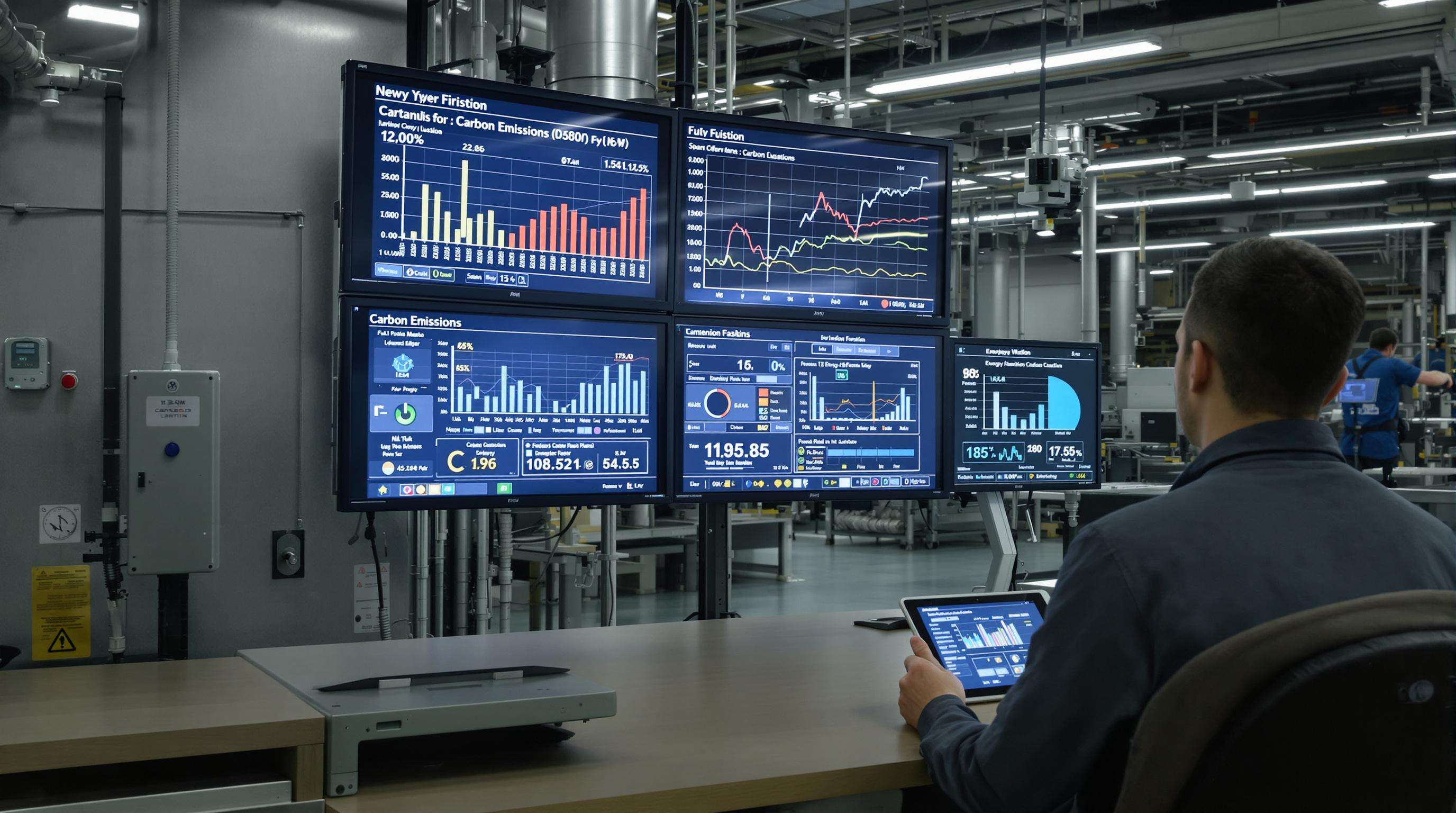
Technician in a manufacturing control room monitors real-time energy and emissions data screens

Real-Time Monitoring for Accurate Tracking of Carbon Reductions

In today's CCA wire manufacturing plants, smart energy meters connected to the internet gather precise emissions information every 15 minutes. The monitoring systems keep track of how much electricity gets used, measure fuel consumption rates, and watch for emission levels throughout production. When something goes wrong, like when furnaces run too hot or coating processes move too slowly, plant managers get alerts right away. This allows them to fix problems quickly before they become bigger issues, cutting down on both material waste and overall energy costs across operations.

Digital Twins and Blockchain for Transparent Emissions Data

When manufacturers run digital twin simulations for wire drawing and cladding operations, they can experiment with process enhancements without stopping actual production lines. Some early tests showed around a 19 percent cut in carbon emissions during the trial phases. Pairing this tech with blockchain creates secure records that track where materials come from, what percentage is recycled, and even how much CO2 was emitted during transport. This gives companies further down the line real assurance when making sustainability claims, especially important given how tangled modern supply chains have become. The combination addresses both operational efficiency and transparency concerns at once.

Third-Party Verification and ISO-Aligned Life Cycle Protocols

Third party auditors check production numbers against those ISO 14040/44 life cycle assessment standards to make sure claimed carbon cuts are legitimate. According to research published in 2024 by materials scientists, factories that implement continuous monitoring combined with regular outside checks hit around 92% accuracy when it comes to their emissions reports. That's actually 34 percentage points better than what companies report on their own without oversight. The system works well for staying compliant with rules such as the European Union's Carbon Border Adjustment Mechanism (CBAM), but still leaves enough room for day to day operations adjustments without getting bogged down by bureaucracy.

Reducing Scope 3 Emissions Through Upstream Innovation

Addressing Scope 3 Emissions Reduction in CCA Wire Supply Chains

The upstream part of the process actually makes up between 60 to 80 percent of all emissions when producing low carbon CCA wires. That means tackling Scope 3 emissions really matters if we want to hit our climate targets. Research from HEC Paris back in 2023 looked at how manufacturers engage their suppliers. Some companies are putting money into helping suppliers switch to cleaner energy sources while others set strict rules about cutting down emissions throughout their supply chains. This two pronged approach has made a difference in getting copper and aluminum, materials that alone account for around 65% of the overall carbon impact of CCA wires. Top wire makers these days look for partners who run on renewables first. They also use digital tools to keep tabs on whether their green initiatives are actually working as they happen.

Supplier Engagement Models for Low-Carbon Copper and Aluminum Sourcing

Proactive collaboration with raw material suppliers enables measurable upstream emissions reductions:

  • Certification Programs: Third-party verification ensures adherence to ISO 14064 standards for low-carbon aluminum and copper production.
  • Technology Sharing: Partnerships facilitate deployment of hydrogen-fueled furnaces, cutting smelting emissions by 52% compared to coal-based methods.
  • Contractual Alignment: Long-term supply agreements include binding emissions thresholds, encouraging suppliers to transition to renewable-powered refining.

Data Point: 38% Average Reduction in Scope 3 Emissions with Certified Suppliers (DOE, 2023)

Verified data from the Department of Energy shows manufacturers using certified low-carbon suppliers achieve:

Metric Conventional Suppliers Certified Suppliers Reduction
Scope 3 Emissions (tCO₂e) 8,400 5,208 38%
Renewable Energy Adoption 22% 89% 4x increase

This demonstrates the impact of structured supplier engagement on emissions performance in CCA wire value chains.

Life Cycle Assessment and Full-Carbon Accounting in Renewable Energy Applications

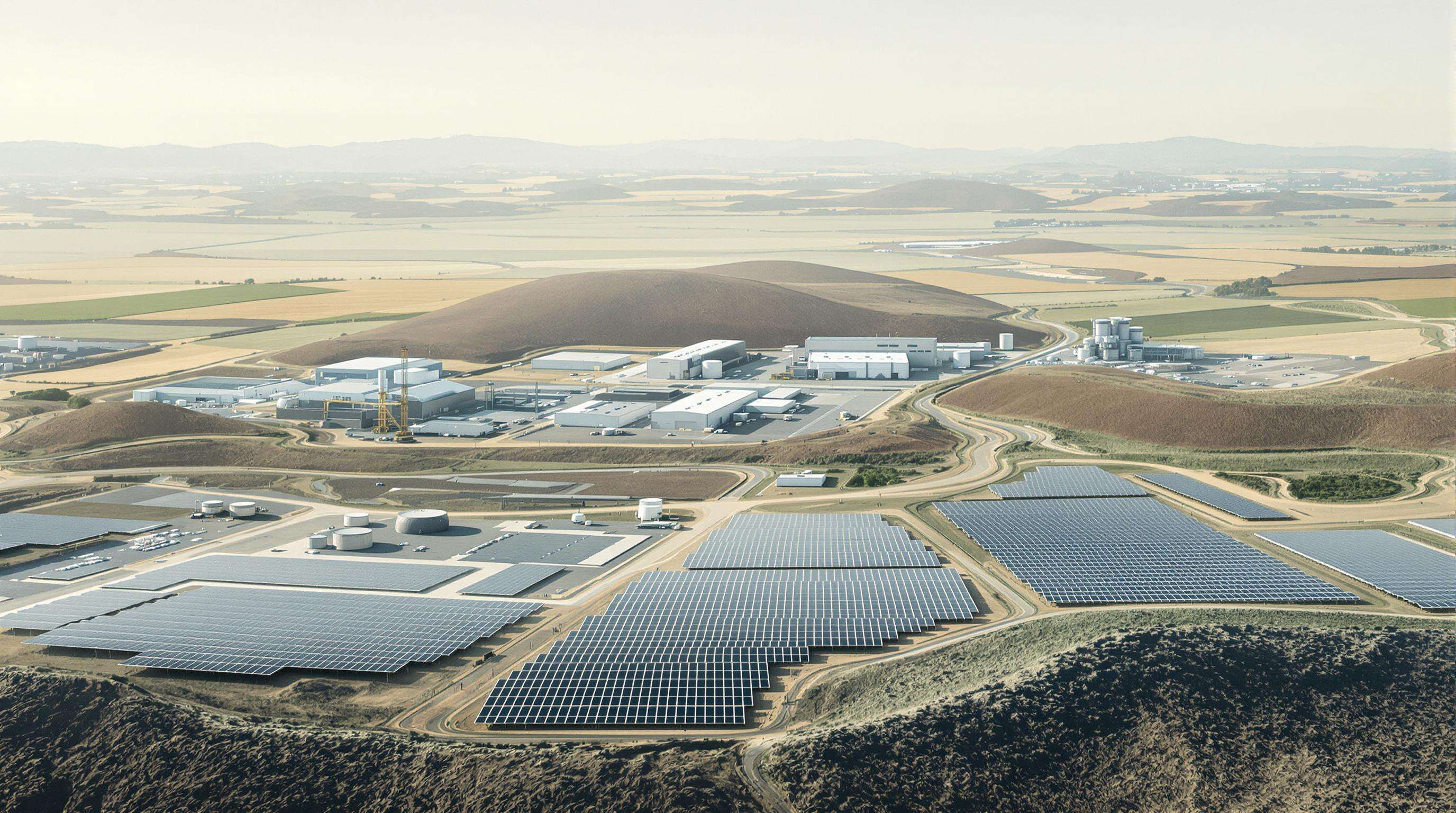
Composite landscape showing all life cycle stages of CCA wire from mining to recycling in a solar energy setting

The Life Cycle Assessment, or LCA for short, looks at how environmentally friendly low carbon CCA wire really is throughout its entire journey from mining raw materials all the way through to recycling at the end of its life. This approach fits well with what many companies are trying to achieve these days regarding sustainable practices within their renewable energy projects. Recent research published in 2024 showed something pretty interesting about this topic too. When planners incorporate LCA methods during the design phase of solar farms, they can cut down on CO2 equivalent emissions significantly. The numbers suggest around a 28% reduction just by switching from regular materials to those classified as low carbon CCA wire. That's quite a difference considering how much solar power expansion is happening worldwide right now.

Applying Life Cycle Assessment in Renewable Energy Supply Chains to CCA Wire

In renewable energy projects, lifecycle assessment (LCA) helps identify where most emissions occur during CCA wire manufacturing, which keeps things aligned with those ISO 14040 guidelines everyone in the industry talks about. When companies look closely at how much power goes into refining aluminum and applying copper coatings, they can tweak their methods to cut down on carbon embedded in the materials themselves. Recent studies from 2024 showed something interesting about large solar farms: switching to low-carbon CCA wires actually brings down emissions from production start to finish by around 19 percent when compared with regular copper wiring options. That kind of reduction makes a real difference for projects aiming to meet sustainability targets without breaking the bank.

From Mining to End-of-Life: Full Carbon Accounting Across Stages

Full-carbon accounting tracks emissions across six key stages:

Stage Key Metric (kg CO₂e/ton) Improvement via CCA Wire
Ore extraction 420 12% reduction
Smelting 1,850 9% reduction
Wire production 320 15% reduction
Installation 110 Neutral
Operational lifetime 0 N/A
Recycling -90 (credit) 95% recoverability

Comparative LCA: CCA vs. Traditional Copper Conductors in Solar Farms

A 2022 review of 18 photovoltaic installations found that low-carbon CCA wire generates 32% lower lifecycle emissions than pure copper in solar applications. The advantage grows when transportation is considered—CCA's 48% lighter weight reduces logistics emissions by 22%. At end-of-life, CCA requires 37% less energy for material recovery, further enhancing its environmental profile.

FAQ Section

What is CCA wire?

CCA wire stands for copper clad aluminum wire. It has an aluminum core that is coated with copper, offering a lighter alternative to traditional copper wire.

How does CCA wire contribute to reducing carbon emissions?

CCA wire production generates approximately 30% less carbon pollution than conventional copper wire production due to reduced energy required for processing aluminum compared to copper.

What role does CCA wire play in supply chain transparency?

CCA wire's integration with blockchain-based material tracking systems enhances transparency, allowing suppliers to track and verify emissions and comply with green certification standards.

How do manufacturers ensure the sustainability of CCA wire?

Manufacturers use real-time monitoring, digital twin simulations, and blockchain technology to accurately track and verify emissions, ensuring sustainable production processes.

What are Scope 3 emissions?

Scope 3 emissions are indirect emissions occurring in a company's supply chain, covering areas like raw material acquisition and transportation, which account for a major part of emissions.

View More

Reviews

John Smith
Exceptional Quality and Performance

We have been using Litong Cable's Low Voltage Stranded Aluminum Alloy Wire in our projects for over a year. The quality is exceptional, and it has significantly improved our operational efficiency.

Sarah Johnson
Reliable and Cost-effective

The aluminum alloy wire from Litong Cable has proven to be a reliable choice for our solar installations. It’s lightweight and easy to work with, making it a cost-effective solution for our needs.

Get a Free Quote

Our representative will contact you soon.
Email
Name
Company Name
Message
0/1000
Innovative Manufacturing Process

Innovative Manufacturing Process

Our Low Voltage Stranded Aluminum Alloy Wire is manufactured using cutting-edge technology that ensures precision and consistency. The fully automated production lines are designed to minimize human error and enhance efficiency. This innovative approach allows us to maintain high-quality standards while meeting the diverse needs of our clients. The result is a product that not only meets but exceeds industry expectations, providing you with the assurance of reliability and performance.
 Customization for Diverse Applications

Customization for Diverse Applications

Understanding that every project is unique, we offer a wide range of customization options for our Low Voltage Stranded Aluminum Alloy Wire. Whether you need specific lengths, gauges, or special coatings, our team is dedicated to providing tailored solutions that fit your requirements. This flexibility enables us to support various industries, from construction to renewable energy, ensuring that our clients receive the best product for their specific applications.
  • Product Consultation & Selection

    Product Consultation & Selection

    Tailored advice, perfect fit solutions.

  • Production & Supply Chain

    Production & Supply Chain

    Efficient manufacturing, seamless supply.

  • Quality Assurance & Certification

    Quality Assurance & Certification

    Rigorous testing, global certifications.

  • Post-Sales Support & Tech Help

    Post-Sales Support & Tech Help

    Prompt assistance, ongoing support.

Get a Free Quote

Our representative will contact you soon.
Name
Email
Mobile
Country/Region
Title
Message
0/1000