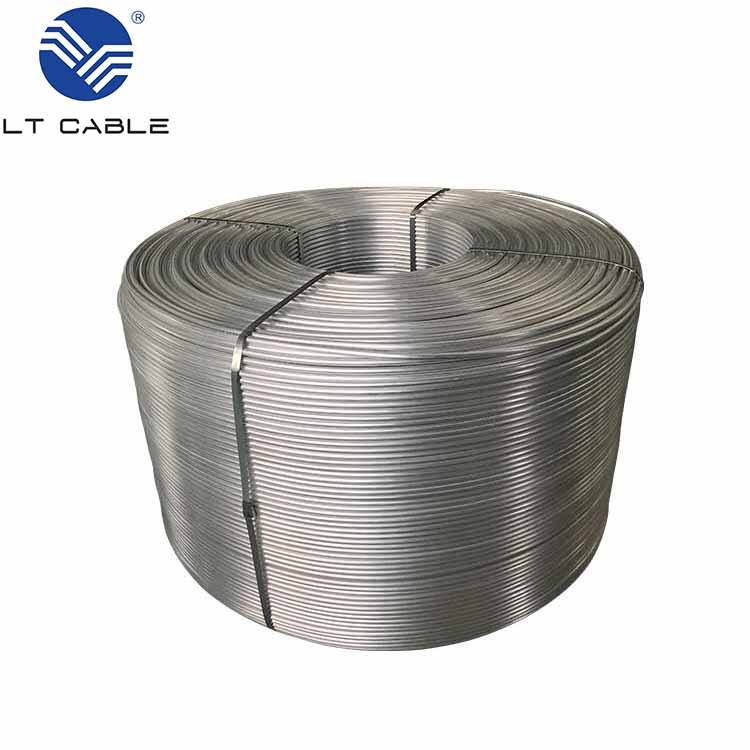
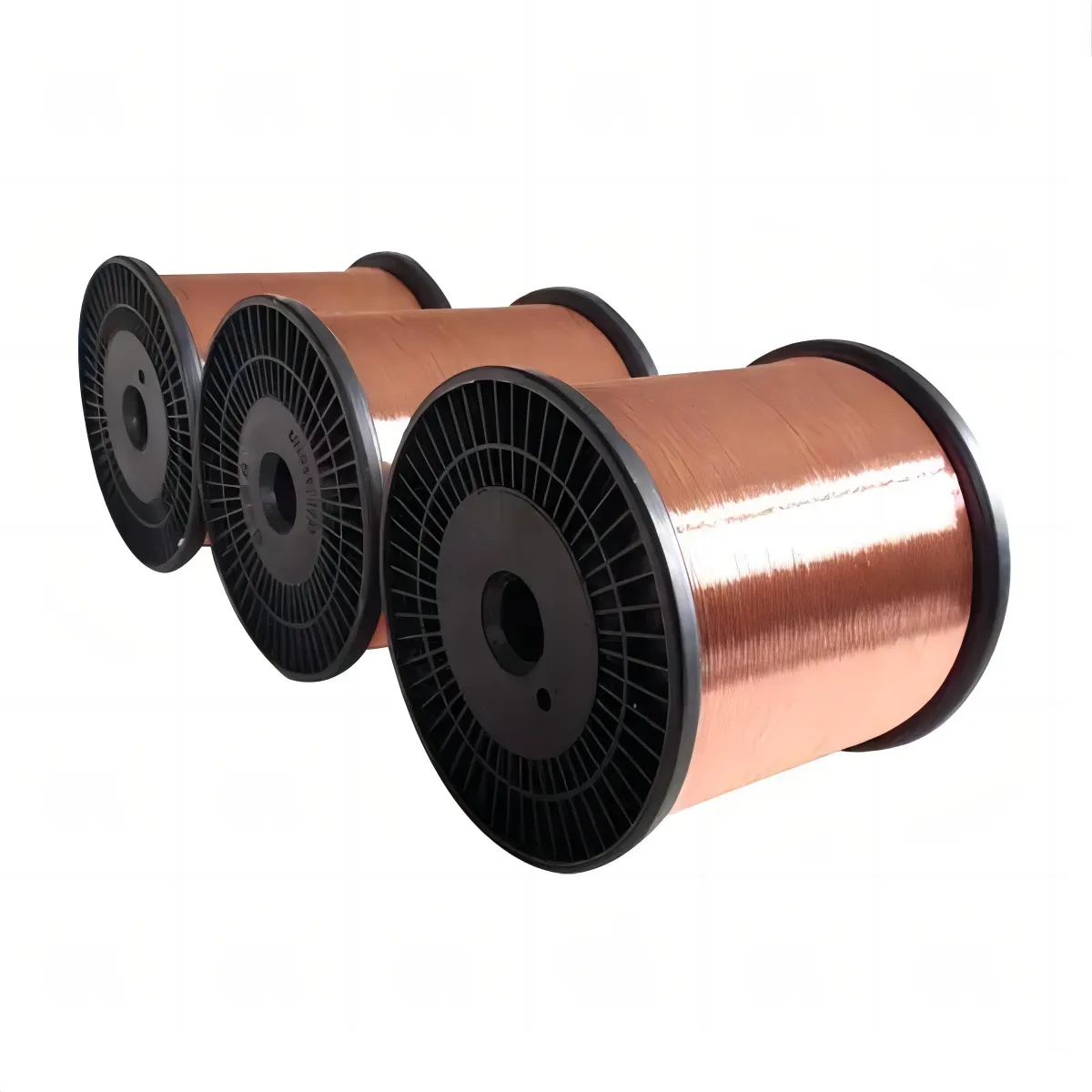
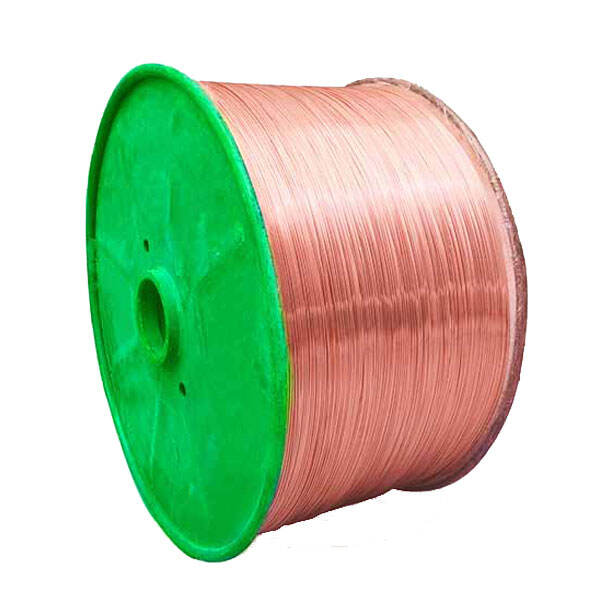
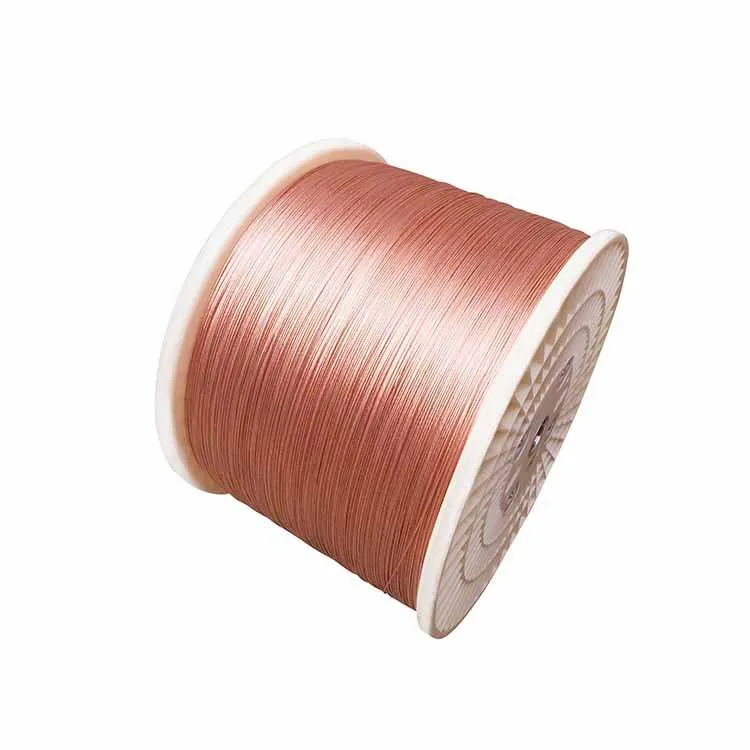
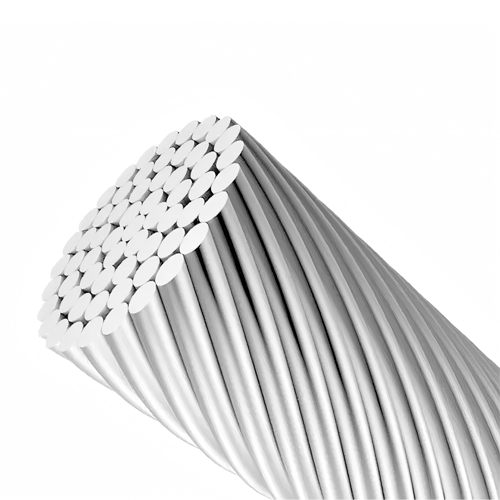
Annealed Photovoltaic Aluminum Alloy Wire | High-Conductivity Solar Cabling

Get a Free Quote

Our representative will contact you soon.
Name
Email
Mobile
Country/Region
Choose the product you want
Message
0/1000
The Superior Choice for Photovoltaic Applications

The Superior Choice for Photovoltaic Applications

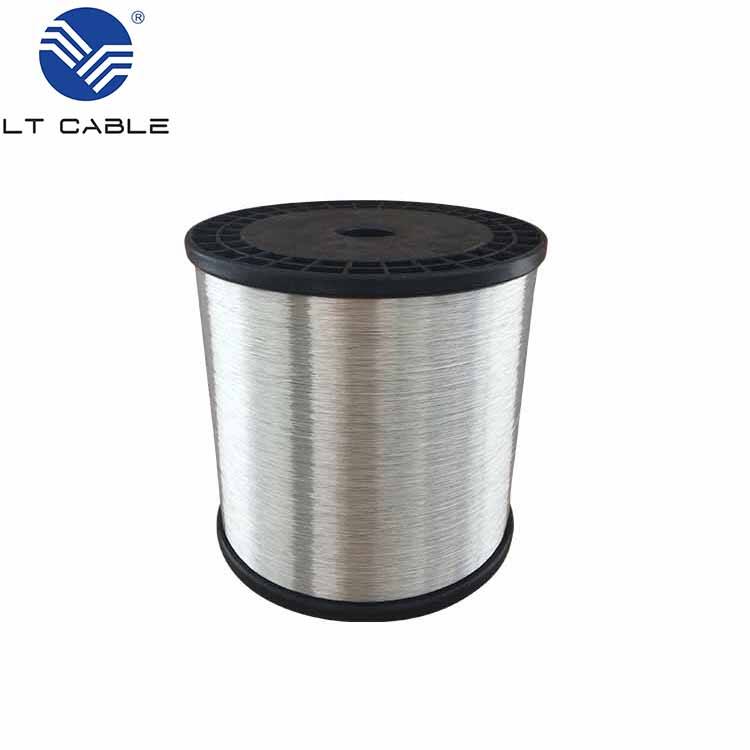
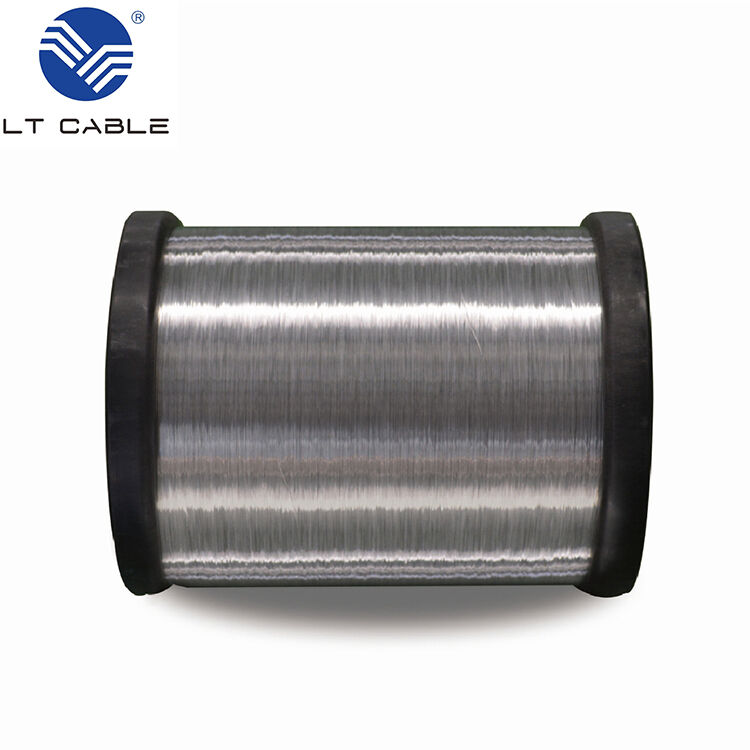
Our annealed photovoltaic aluminum alloy wire stands out in the market due to its unique combination of lightweight properties, excellent conductivity, and superior flexibility. Designed specifically for solar energy applications, this wire ensures optimal performance, reducing energy loss during transmission. The annealing process enhances the wire's ductility, allowing for easier installation and better adaptability to various configurations in solar panels. Additionally, our commitment to quality control at every stage of production guarantees that our wires meet the highest industry standards, making them reliable for long-term use in renewable energy systems.
Get A Quote

Transforming Solar Energy Solutions with Our Wires

Leading Solar Farm Implementation

In a recent project, a leading solar farm in California integrated our annealed photovoltaic aluminum alloy wire into their solar panel systems. The wire’s lightweight and flexible nature allowed for a streamlined installation process, reducing labor costs by 20%. Moreover, the enhanced conductivity of the wire minimized energy loss, resulting in a 15% increase in overall energy efficiency compared to previous installations. This successful implementation not only boosted the farm's output but also reinforced their commitment to using high-quality materials in renewable energy.

Innovative Solar Panel Manufacturer

An innovative solar panel manufacturer partnered with us to utilize our annealed photovoltaic aluminum alloy wire in their latest product line. By incorporating our wire, they achieved a significant reduction in the weight of their solar panels, making them easier to transport and install. The flexibility of the wire allowed for unique panel designs, which attracted new customers looking for customized solutions. As a result, the manufacturer reported a 30% increase in sales within the first quarter of launching their new product line, highlighting the competitive edge gained through our collaboration.

Urban Solar Installation Project

In an urban solar installation project, our annealed photovoltaic aluminum alloy wire was selected for its superior performance in tight spaces. The flexibility of the wire allowed installers to navigate complex layouts without compromising on efficiency. The project not only met its energy output goals but also received positive feedback from city officials for its innovative use of space and materials. This case exemplifies how our wires can adapt to the unique challenges of urban environments, making solar energy accessible in densely populated areas.

Related products

At Litong Cable, we pride ourselves on having invested in one of the most advanced production processes in the industry that allows us to produce and manufacture the highest quality of annealed photovoltaic aluminum alloy wire. The fully automated production lines, designed and created by our own management team, keep control of each and every step from the reception of the raw materials to the final step of the annealing process. Such precise manufacturing not only improves the annealed wires' performance characteristics but also ensures batch-to-batch consistency. Our annealed wires are designed to improve conductivity, decrease energy loss, and provide sufficient flexibility for the current designs of solar panels. For us, what is most important is the value that our customers derive from our annealed aluminum photovolataic wires. Therefore, we are able to offer customizable options, high-quality products, and exceptional services to all of our clients.

Frequently Asked Questions about Annealed Photovoltaic Aluminum Alloy Wire

What are the key benefits of using annealed photovoltaic aluminum alloy wire?

The key benefits include lightweight properties, excellent conductivity, enhanced flexibility, and reduced energy loss during transmission. These features make it ideal for solar energy applications, ensuring optimal performance and easier installation.
The annealing process increases ductility, making the wire more flexible and easier to work with. This results in better adaptability to various configurations in solar panels and minimizes the risk of breakage during installation.

Related article

What should you note when using twisted wire for high - frequency applications?

26

May

What should you note when using twisted wire for high - frequency applications?

Understanding Twisted Wire in High-Frequency Applications

How Twisted Pair Geometry Reduces EMI

The design of twisted wire pairs aims at cutting down on electromagnetic interference or EMI, something that really becomes a problem when dealing with signals at higher frequencies. When these wires get twisted together, they actually help cancel out those pesky voltages coming from outside sources, giving us a much better and more dependable signal quality. This method plays a big role in fighting against crosstalk issues, which happen when signals interfere with each other across neighboring wires. Research shows that using this twisted pair arrangement can cut down crosstalk problems by around 95 percent, making communications work much better overall for most applications.

The Role of Enameled Wire in Signal Integrity

In high frequency applications, enameled wire helps keep signals clean thanks to those great insulation properties we all know and love. The enamel layer does double duty by cutting down on short circuits while protecting against things like moisture and temperature swings that would otherwise mess with performance. According to several industry studies from the last few years, switching to enameled options actually makes twisted wire setups last longer before they start failing. For anyone working with equipment that needs reliable operation day after day, this kind of durability matters a lot. Twisted wires wrapped in proper enamel coatings tend to handle those tough high frequency demands much better than standard alternatives, though there are always exceptions depending on specific application requirements.

Key Factors Affecting High-Frequency Performance

Wire Geometry and Twist Rate Optimization

Getting the right wire shape and twist just right makes all the difference when it comes to cutting down on impedance issues in those high frequency setups. When engineers tweak the actual shape of the wires and play around with how tightly they're twisted together, the whole system sends signals much better. Think about places where there's tons of electromagnetic noise floating around everywhere - getting that twist rate spot on really helps cut through the clutter and keeps things running smoothly. Most manufacturers follow established guidelines for wire shapes these days because we've learned what works best over time. These specs aren't just random numbers; they actually match up with what today's communication systems need to function properly without constant headaches from poor signal quality.

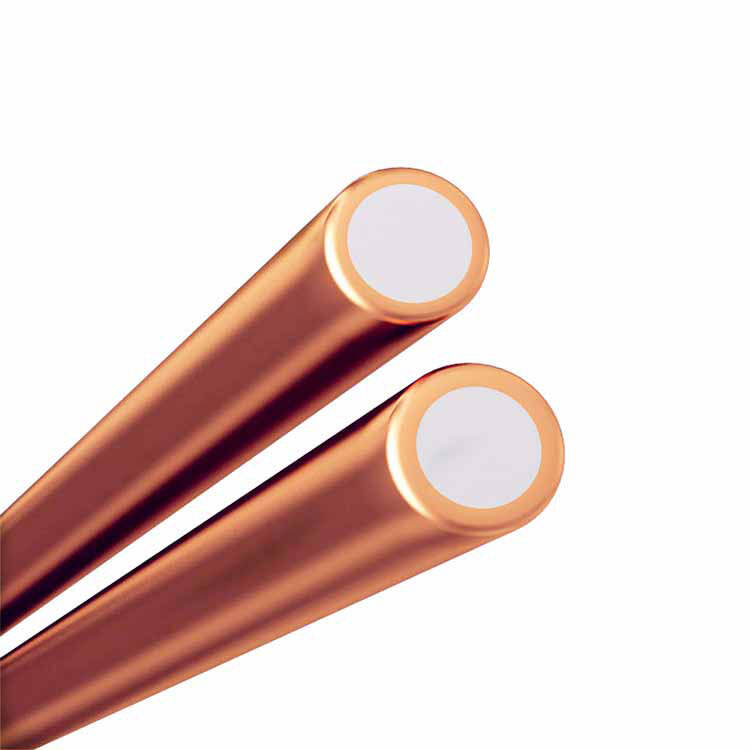
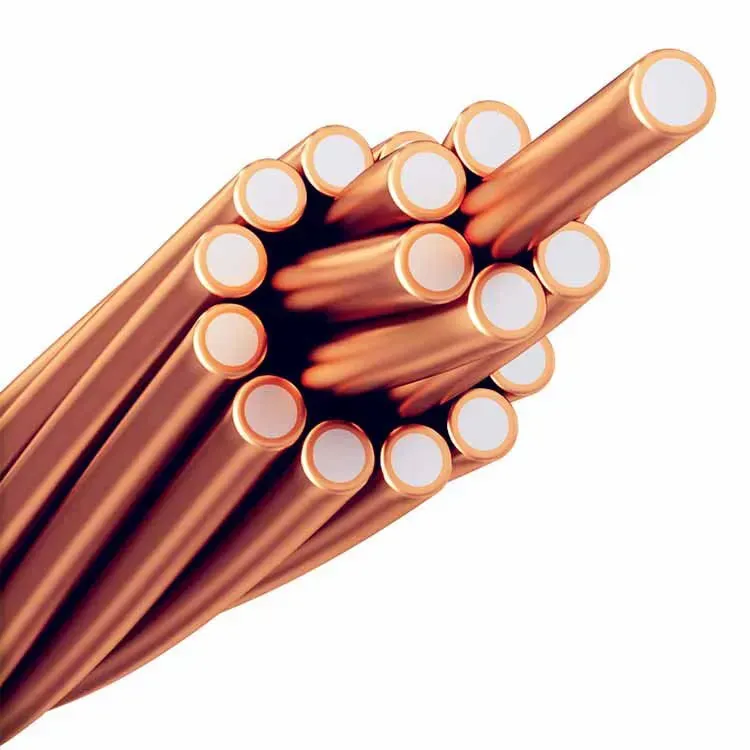
Material Choices: CCA Wire vs Pure Copper

The decision between Copper Clad Aluminum (CCA) wire versus straight copper makes a real difference when it comes to how well electricity flows through them and what they cost. CCA wires are much lighter than regular copper ones, which works great for situations where weight matters a lot, like in some electronic devices or installations. But there's a trade off here too. These hybrid wires don't perform quite as good as pure copper does, particularly when dealing with those fast signal frequencies we see in modern electronics. Most engineers still go with pure copper though because research keeps pointing out that copper conducts electricity better and lasts longer without issues, especially important stuff like power transmission lines or anything needing stable operation day after day.

Stranded Wire vs Solid Wire for Flexibility

Stranded wire tends to be the go to choice when flexibility matters most because it bends easily and moves around without breaking. We see this kind of wire working well in places where things need to move around a lot during installation or operation. Solid wire tells a different story though. While it conducts electricity much better across long runs, it just doesn't bend as nicely which makes it problematic in cramped areas or anywhere movement is required. When looking at what works best for any given project, stranded options generally win out when versatility counts, especially in commercial installations where managing limited space becomes a real challenge for electricians and engineers alike.

Challenges in High-Frequency Circuit Design

Managing Skin Effect with Stranded Configurations

The skin effect happens when electrical current tends to stick mainly to the outer layer of conductors rather than flowing throughout. This becomes a problem especially at higher frequencies because it messes with signal quality over time. Engineers often turn to stranded wire setups as a solution. Stranded wires create several paths for electricity to travel through, cutting down on those pesky resistive losses caused by the skin effect. When working on high frequency stuff, most professionals will tell you they spend quite a bit of time looking closely at what frequency ranges are involved before tackling skin effect issues head on. Knowing exactly what kind of circuit we're dealing with helps designers come up with smarter ways to route current, which ultimately means cleaner signals across the board.

Impedance Matching with Copper Clad Aluminum Wire

Getting the right impedance match matters a lot for reducing unwanted reflections and cutting down on signal loss in those high frequency circuits we work with all the time, particularly when dealing with copper clad aluminum (CCA) wire. When everything lines up properly in terms of impedance between different parts of the circuit, signals actually get transmitted better without getting messed up along the way. The benefits are pretty clear too - circuits run smoother overall while maintaining stronger, clearer signals throughout their operation. Real world testing has shown again and again that when someone takes the time to focus specifically on matching impedances with CCA wiring, they tend to see much better results no matter what application they're working on. Engineers need to remember this stuff though because picking materials like CCA isn't just about cost savings anymore. Understanding how these materials interact with our circuit designs makes all the difference in achieving top notch performance at high frequencies.

Best Practices for Implementation

Proper Shielding Techniques for Twisted Pairs

Good shielding methods matter a lot when working with twisted wire pairs because they stop electromagnetic interference (EMI) from messing up the signals running through them. Most people find that using either foil or braided shields works best since these materials block outside noise pretty well without making the wires too stiff to handle. Studies have shown that when engineers get shielding right, twisted pairs perform much better at higher frequencies. This means cleaner data transmission and less annoying cross talk between different signals. Companies implementing proper shielding see real benefits beyond just clearer signals too. The components last longer overall, which makes sense economically speaking. Tech industries relying heavily on stable connections especially appreciate this protection against all sorts of environmental disruptions that can plague sensitive equipment over time.

Testing Protocols for High-Frequency Environments

Testing protocols need to be thorough if we want reliable high frequency circuits working properly in different conditions. When companies set up standard testing procedures, they catch problems before they become major headaches. This not only keeps things compliant with what the industry requires but also makes electronics last longer without breaking down. Most engineers will tell anyone who asks that continuous testing matters a lot, particularly for those super fast data transfer systems where even small glitches matter. Circuit designers should check their protocols regularly and update them as tech evolves. Otherwise, their creations might fall behind in industries moving at lightning speed like telecom networks and information technology departments.
View More
Curious about how the miniaturization trend in electronics affects enameled wire? Let's discuss.

26

May

Curious about how the miniaturization trend in electronics affects enameled wire? Let's discuss.

The Science Behind Enameled Wire Miniaturization

Core Principles of Enameled Wire Design

Getting to grips with how enameled wire works at its core helps explain why miniaturization has made such big strides recently. Basically, what we're looking at here is metal wire wrapped in this super thin insulation layer that actually boosts both heat handling and electricity carrying capabilities. The whole point of this setup is so the wire doesn't melt or short out when exposed to serious heat or voltage spikes, which makes it perfect for those tiny gadgets everyone carries around these days. When engineers started shrinking down enameled wire dimensions, they found something interesting happened to efficiency metrics. Shrinking the physical size while keeping that same heat tolerance? Turns out it makes the current flow better through the conductor. Less resistance means less energy wasted as heat, and that translates directly into better performance packed into smaller spaces across all sorts of electronic devices.

Stranded Wire vs Solid Wire: Performance Trade-offs

When looking at stranded versus solid wires, we see different strengths that matter when picking the right type for a job. Stranded wire gets lots of points for being bendy and reducing what's called the skin effect, which makes it great for places where things need to move around or get bent regularly. Solid wire tells a different story though. It stands firm and holds up better over time, so it works well in fixed positions where something needs to stay put without moving much. Real world tests have shown stranded wire performs better in situations that involve constant motion because of how flexible it is, but solid wire can handle more electricity flow in setups that don't change position. The choice between them really impacts how circuits work, particularly in tight spaces where both room and physical movement become important factors in installation decisions.

How Copper Clad Aluminum Wire Supports Compact Systems

Copper clad aluminum (CCA) wire combines an aluminum core with a copper coating and has become essential for many compact system designs. What makes CCA stand out from regular copper wire? Well, it weighs less and costs significantly less money while still conducting electricity pretty well. This makes it especially attractive when space matters most in small devices. Looking at actual applications shows why manufacturers love this material so much. For instance, in telecom equipment where every gram counts, CCA allows engineers to build smaller repeaters without sacrificing signal quality. Same goes for smartphones and other gadgets that need internal wiring but can't afford the bulk or expense of pure copper. The savings add up across production runs too, which explains why we see more and more consumer electronics incorporating this clever material solution.

Skin Effect and Proximity Loss Mitigation Strategies

When designing miniaturized wires, engineers need to pay close attention to two main issues: skin effect and proximity losses. Let's start with skin effect first. Basically, this happens because AC tends to bunch up near the surface of the conductor rather than flowing evenly throughout. What does this mean? Well, it makes the wire act like it has smaller cross-section, so resistance goes up especially bad at higher frequencies. Some pretty smart workarounds exist though. Many manufacturers now turn to high conductivity materials combined with super thin insulation layers to combat these problems in their tiny enameled wires. Another trick worth mentioning involves changing how conductors are arranged spatially. These special geometric arrangements reduce what we call proximity losses where currents in one wire mess with those in adjacent ones. Looking at actual field tests, companies report seeing real gains in both energy efficiency and overall performance. As our gadgets keep getting smaller and smaller, these kinds of engineering solutions become absolutely essential for maintaining proper functionality without wasting power.

Role of Quantum Effects in High-Frequency Applications

Quantum effects are becoming really significant for wire design at high frequencies. We see these effects mainly showing up in very short conductors where they actually change how well the wires perform by messing with inductance levels and how electrons move through the material. When components get smaller and smaller, these quantum behaviors become even more pronounced. The tiny size basically makes wires react differently to high frequency signals because of new electromagnetic characteristics that emerge. Take inductors for instance. By leveraging quantum effects, engineers have managed to create much smaller inductors that still hold their inductance value or sometimes even improve it despite being miniature in size. This lets manufacturers pack more functionality into smaller spaces, which explains why we now have better performing phone chargers and all sorts of compact wireless devices on the market today. Looking ahead, quantum mechanics might just revolutionize how we approach electronic design across the board.

Optimizing Stranded Wire Size Charts for Thermal Management

Wire size charts for stranded conductors can really help when it comes to managing heat, which matters a lot in small electronics these days. Stranded wire gets chosen mostly because it bends easier than solid wire, but there's another benefit too - it actually handles heat better thanks to all those tiny strands touching more surface area. When looking at how well something manages temperature, three main things come into play: how thick the wire is, what kind of metal it's made from, and where it sits in the environment. Getting the right stranded wire size depends on what exactly needs to be done in each situation. Engineers usually check those size charts to find a sweet spot between being flexible enough and still letting heat escape properly. Good wire design should get rid of excess heat without falling apart under stress. Proper sizing makes all the difference in whether those tiny gadgets work reliably day after day.

Innovations Driving Enameled Wire Evolution

Advanced Insulation Materials for Space-Constrained Designs

New developments in insulation materials are really pushing forward what we can do with enameled wires, especially when there's not much room to work with. The latest stuff coming out has much better heat handling properties, so these wires can keep functioning even when things get pretty hot inside machinery. They're also tougher now, standing up to wear and tear that would normally damage regular wires. Take polyimide mixed with fluoropolymers as one good example. These combinations have made a big difference in how well insulated wires perform, which explains why the market for them keeps growing year after year. All these improvements matter a lot in industries like cars, planes, and consumer electronics, where every millimeter counts and reliability is absolutely essential.

Preformed Litz Wire Configurations for High-Current Devices

Litz wire has become increasingly popular for applications that need to handle large amounts of current while fitting into small spaces. When manufacturers split the wire into multiple strands and twist them together, they create a design that fights against two major issues found in regular wires: skin effect and proximity losses. This special arrangement lets the wire work better at both high frequencies and when carrying substantial currents, leading to much better overall performance. Research shows that in certain situations where there's lots of current flowing, these wires can cut down on power loss by as much as 40%. That kind of efficiency explains why many engineers turn to Litz wire when building transformers, motors, and various types of inductors where saving energy matters most.

Integration of Smart Amplifiers and DSP Technologies

Smart amplifiers and digital signal processing (DSP) tech are changing how we think about enameled wire design, opening up all sorts of new opportunities. When these cutting edge technologies work together with better wire materials, they actually improve how systems perform overall. They handle signal integrity issues and manage power distribution much better than older methods did. We're seeing this happen across various electronic devices today, especially where getting things right matters most. Take audio equipment for instance. When manufacturers combine DSP technology with high quality enameled wires, listeners notice cleaner sound with far less background noise and distortion problems. What we're witnessing isn't just incremental improvement but a complete transformation of what enameled wires can do, pushing boundaries in ways that keep surprising even seasoned engineers in the field.

Applications in Modern Electronics

Automotive Electrification: Wires in EV Motors

The insulated copper wire used in electric car motors is really important for getting those vehicles to run efficiently and perform well. What makes these wires so good at their job? Well, they have strong insulation layers that protect against short circuits while still allowing electricity to flow freely through them without much resistance. This means less wasted energy when the motor is running. Another thing worth noting is how manufacturers keep shrinking the diameter of these wires over time. Smaller wires let engineers pack more wiring into tight spaces within the motor housing, which helps create compact but still very powerful electric drivetrains. The whole auto industry seems to be moving toward greener transportation solutions right now, and this has created quite a buzz around all things electrical for cars. Take a look at the numbers from BloombergNEF if you want proof: they predict EV sales will jump from about 3 million units sold back in 2020 up to nearly 14 million by 2025. With such rapid growth happening across the sector, there's no doubt that demand for quality enameled wire will continue rising alongside it.

Renewable Energy Systems: Wind Turbine Generator Coils

Enameled wire plays a vital role in making wind turbine generators work efficiently within renewable energy systems. These specialized wires help convert mechanical energy into electricity thanks to their excellent conductivity properties and ability to withstand heat over time. As manufacturers continue developing thinner wire options, we see improvements in both system performance and long term reliability across installations worldwide. The renewable sector's rapid expansion has created new demands for better wiring technologies. According to data from the International Energy Agency, global renewable energy capacity saw a massive 45% jump back in 2020, marking the quickest growth since records began in 1999. This explosive development highlights why advanced enameled wire solutions remain so important for wind farms and other green energy projects as they scale up operations around the planet.

Miniaturized Loudspeakers and IoT Device Integration

When enameled wire gets integrated into mini loudspeakers, it really boosts sound quality because it keeps those electromagnetic fields steady. The whole miniaturization thing opens up all sorts of possibilities for complex functions too, particularly in smart devices where space is at a premium but good wiring still matters. These new wiring methods let manufacturers connect components in tight spots while still getting decent performance out of them. Take one big electronics company for instance they tried enameled wire in their speaker designs and saw real improvements in both clarity and how long the speakers lasted. As gadgets keep getting smarter and more connected, these kinds of innovations aren't just nice to have anymore they're pretty much essential if companies want to make products that work well without taking up too much room inside.

Future Trends in Enameled Wire Technology

Emerging Materials for Room-Temperature Quantum Applications

Researchers are getting excited about materials that work at normal temperatures for quantum applications. We're talking about things like special composites and new types of alloys designed to perform well without needing extreme cooling. This development might change how we approach several areas of science and technology. These materials are helping push the miniaturization trend forward because they let engineers create smaller devices while still maintaining good performance levels. Recent data shows real potential here too. For instance, companies working on quantum computers have already started incorporating these materials into their prototypes. Telecommunications firms are also showing interest since better signal processing becomes possible. Experts predict strong market expansion over the next few years as manufacturers integrate these advances into everyday tech products.

Sustainable Manufacturing and Circular Economy Practices

There's been a big change happening in the enameled wire sector lately, with companies moving toward greener manufacturing methods. Many firms are now looking at ways to apply circular economy ideas to their operations, which helps them run better while cutting down on waste and saving materials. Going green isn't just good for the planet either these approaches actually help businesses save money too by making better use of raw materials. We're seeing this trend boost market growth across the board because both customers and producers want to support products made through responsible processes. For anyone watching this space closely, it's clear that sustainability isn't just a buzzword anymore it's becoming essential for staying competitive in today's markets.

Global Market Projections: $46B by 2032

The enameled wire market looks set to grow quite a bit over the next decade, with estimates pointing toward around $46 billion in value by 2032. A few things are driving this expansion. Tech improvements keep coming fast and furious while demand keeps rising in different areas like cars, green energy projects, and electronic devices. Research firms back up these numbers too, showing how innovation within the enameled wire sector plus all the new ways it gets used are pushing things forward. The industry itself is changing as well to handle both tech upgrades and greener requirements from customers. All signs point to good times ahead for anyone involved in making or selling enameled wires.

View More
With the continuous progress of technology, the next big thing for a wire product is just around the corner.

14

Jul

With the continuous progress of technology, the next big thing for a wire product is just around the corner.

Sustainable Material Innovations in Wire Technology

Eco-Friendly Insulation and Coating Materials

Wire makers across the globe are moving away from conventional insulation materials toward greener alternatives because sustainability has become a business imperative these days. Many companies now incorporate bio based polymers along with recycled plastics into their wiring products to shrink their carbon footprint. Research shows that using recycled plastic for wire coatings makes a big difference environmentally speaking since it cuts down on what ends up in landfills and also reduces reliance on fossil fuels. Take bio based polymers for example they can slash energy use during production by around forty percent when compared to older materials according to findings published in The Journal of Cleaner Production. While trying to stay competitive in terms of product quality, manufacturers have been developing new ways to enhance properties like heat resistance and water protection without affecting how well the wires perform overall.

Lightweight Composite Conductors for Energy Efficiency

Lightweight composite conductors are becoming really important for boosting energy efficiency in many different fields. Most of these conductors combine modern materials such as fiber reinforcement with aluminum cores, which makes them perform better than old fashioned copper wires. The combination works well because they conduct electricity efficiently but weigh much less. This means there's less sagging between poles and we need fewer materials when installing new lines. According to what industry experts have found, switching to these lighter conductors in power transmission lines can cut down on energy loss by around 40 percent. That kind of improvement is making a big difference in how we manage our electrical grids today. More companies are moving away from standard copper wiring solutions toward these newer composite alternatives simply because they offer better sustainability along with lower costs in the long run.

Copper Clad Aluminum (CCA) Performance Breakthroughs

Copper Clad Aluminum or CCA is becoming quite popular these days as an affordable option compared to solid copper wires, particularly in the wire manufacturing sector where finding the right mix between price and performance matters a lot. The main reason companies are turning to CCA is because they cut down on material expenses without sacrificing the conductivity needed for most applications. Over recent years, there have been some real improvements in how well these wires conduct electricity and how light they actually are, which makes them pretty appealing for manufacturers looking for something both efficient and not too heavy. When we compare the numbers, CCA wires actually perform similarly to regular copper ones but weigh much less, so they work great in situations where lighter materials are important like in automated machines and robotic systems. And let's not forget about the green angle either. Research from last year showed that switching to CCA cuts down on carbon emissions related to mining and processing copper. This kind of environmental impact analysis really shows why CCA stands out as a smart choice for companies wanting to adopt greener production methods without breaking the bank.

Next-Gen Enameled Wire for High-Temperature Applications

The development of enameled wire tech has really stepped up to handle those tough high temp situations that many industrial sectors face daily. We've seen some pretty cool improvements lately in how these wires are insulated, letting them take much hotter environments while still working just fine. Manufacturers are now using special new coatings on their wires so they don't break down when things get hot inside machines or engines. Take a look at what's happening in places like aircraft factories and car assembly lines where heat is a constant problem. These facilities are switching over to enameled wires because they just work better in those punishing conditions. The real benefit? Machines run more reliably and there's less risk of failures that could cause accidents. Safety engineers love this stuff since it keeps performing consistently even when everything around it is heating up. And as more companies try to build products that last longer and perform better under stress, enameled wires keep becoming the go-to choice for all sorts of high temperature applications across different fields.

Solid Wire vs Stranded Wire: Comparative Advancements

When it comes to wiring solutions, solid and stranded varieties serve very different purposes depending on what they need to do. Solid wire, basically just one big piece of metal inside, works best when things stay put forever, like running through walls or under floors in buildings that won't be touched again for decades. Stranded wire tells a different story though. Made up of lots of tiny strands all twisted together, it bends easily and doesn't break when pulled around corners during installation. That's why mechanics love it in cars and manufacturers rely on it for gadgets we carry around daily. The market hasn't stood still either. Manufacturers have started putting better coatings on solid wires so they last longer without cracking, while makers of stranded options have tweaked how those individual strands are made to conduct electricity better and bend without snapping. Looking at actual test results from field studies shows these improvements matter a lot. Solid wires handle high voltage jobs better over time, whereas stranded ones make sense anywhere movement happens regularly. From solar panel arrays stretching across fields to fiber optic cables snaking through city streets, picking the right kind of wire isn't just about specs on paper anymore it's about making sure whatever gets powered stays working properly for years to come.

AI-Driven Production Systems for Precision Wiring

Bringing AI systems into wire manufacturing is changing how things get done across the board, making production both more precise and better quality overall. What these systems do basically is they use machine learning algorithms that keep getting smarter as they process more data, which means quality control becomes much more accurate over time. Take for instance some AI production lines where the system actually inspects wires during manufacturing and spots problems that would otherwise go unnoticed, cutting down on defective products. Looking at real world examples from different manufacturers shows something interesting too. Companies that have adopted AI report seeing fewer mistakes in their manufacturing processes while also producing more units per hour. This makes sense when we think about it because AI doesn't tire or make human errors, so it just keeps improving day after day in factories around the world.

Robotics in Stranded Wire Assembly Processes

The use of robotics in stranded wire assembly is changing how things get done on factory floors across the industry. Specialized machines now handle multiple steps in the production line, cutting down on hands-on work and making the whole process go faster than ever before. Industry data shows that when companies implement robotic solutions for wire assembly, they typically see around a 25-30% boost in output speed plus much better accuracy in their finished products. Of course there are downsides too. Integrating these systems can be complicated and expensive, not to mention concerns about what happens to workers whose jobs might disappear. Manufacturers need to think carefully about these issues as they move toward automation, finding ways to balance technological advancement with practical considerations for their workforce and bottom line.

Enhanced Data Transmission Capabilities

Good quality wiring is really important if we want faster data transfer speeds, something that matters a lot in our current digital world. New tech developments have brought us things like CAT8 cables which can handle much higher data rates compared to what was possible before. The telecom sector and data centers benefit most from these improvements. We've seen actual results in these industries with better performance metrics across the board. Materials matter too. Copper clad aluminum wires combined with smart design choices help meet all those connectivity needs while keeping things running fast and efficient. Many companies are now switching to these advanced options simply because they work better in practice.

E-Mobility and EV Wiring Innovations

The rise of e-mobility and electric vehicles is changing how we think about wiring tech. Manufacturers are now focused on creating wiring systems that work better for EVs, mainly because they need to handle different stresses while keeping vehicle weight down. Take copper clad aluminum wire for example. This material weighs less than regular copper but still conducts electricity well enough to boost overall efficiency. Market data shows strong interest in these kinds of innovations as the EV market keeps expanding. According to the International Energy Agency numbers from 2020, there were already around 10 million electric cars on roads worldwide. That kind of adoption rate means wiring technology needs to keep pace with what drivers actually want from their vehicles today.

Miniaturization Strategies for Compact Electronics

The push toward smaller electronics has really transformed how we think about wire technology these days. As gadgets get tinier, manufacturers need wiring solutions that take up less room without sacrificing what they can do. Precision enameled wire construction has become a game changer here, letting engineers pack more functionality into smaller spaces while still keeping performance intact. Take smartphones for instance – they've shrunk dramatically over the years but somehow manage to handle way more tasks than before. The Consumer Tech Association reports around 15% annual growth in compact electronics markets, though some experts argue this might slow down as components reach their physical limits. Still, there's no denying that smarter, smaller wiring continues to shape our tech landscape economically and practically.

This section on high-performance applications and connectivity demonstrates the pivotal role of advanced wire technologies in enhancing data transmission, enabling efficient e-mobility, and promoting miniaturization. Each innovation serves a unique purpose but collectively drives the industry forward by meeting modern demands with precision and efficacy.

View More
Aluminum Alloy Wire for Lightweight Power Cables in Solar Farm Exports

11

Aug

Aluminum Alloy Wire for Lightweight Power Cables in Solar Farm Exports

Why Lightweight Power Cables Are Critical for Solar Farm Exports

Global Expansion of Utility-Scale Solar Farms and Transportation Challenges

Worldwide, the solar industry needs around 2.8 million miles worth of cables every year, and most of this demand comes from big utility scale projects according to the Global Solar Council report from 2023. Take India for instance where solar power is expanding at about 20% growth rate yearly until 2030. The country really needs cables that can handle brutal weather conditions like those found in Rajasthan where temperatures hit 50 degrees Celsius, all while keeping transportation volumes down. Regular copper cables make things harder logistically speaking because they require special oversized load permits which cost between $18 to $32 extra per ton mile when transporting them. Lighter aluminum options just make more sense practically speaking.

The Impact of Cable Weight on Installation and Logistics Costs

Cutting down on cable weight by about 10% can actually save around $1.2 to $2.1 for every watt installed at solar farms. Aluminum alloy wires help with this because they cut down on manual labor needed during installation by roughly 30%, according to Renewables Now from last year. With the US Energy Information Administration predicting nearly tripled solar production within just two years, there's real pressure on project developers to get their infrastructure sorted out efficiently. Copper cables are heavy beasts that need special transportation for almost half of all components, while aluminum systems only need it for about one eighth of parts. This difference adds up fast, creating a gap of about seven hundred forty thousand dollars in logistics expenses when comparing a standard 100 megawatt solar installation using these different materials.

Logistical Advantages of Aluminum in International Solar Exports

Because aluminum weighs about 61% less than copper, companies can fit roughly 25% more cable into each standard shipping container. This translates to significant savings on trans-Pacific freight costs, somewhere between $9.2 and $15.7 per kilowatt for solar components being shipped overseas. The cost benefits have really taken off in recent years, especially with increased demand from Southeast Asian markets. Shipping accounts for around two thirds of all material costs in these regions, so lighter materials make a huge difference. Many manufacturers are now getting their aluminum alloy cables certified for long term use in coastal areas, which is particularly important given Vietnam's ambitious plans for 18.6 gigawatts of offshore solar capacity development along its coastline.

 ## Aluminum vs. Copper: Cost, Performance, and Material Economics  ### Material Economics: 60% Lower Cost with Aluminum Alloys   Aluminum alloys reduce material costs by up to 60% compared to copper, with bulk prices averaging $3/kg versus $8/kg (2023 Market Analysis). This gap becomes decisive in utility-scale solar farms, which often require over 1,000 km of cabling. A 500 MW solar export project can save $740k in raw materials alone by using aluminum conductors, according to energy infrastructure ROI models.  ### Balancing Conductivity and Budget in Solar Power Transmission   While pure aluminum has 61% of copper’s conductivity (IACS 61 vs 100), modern alloys achieve 56–58% conductivity with significantly greater flexibility. Today’s 1350-O aluminum cables deliver 20% higher current-carrying capacity per dollar than copper in 20–35kV solar transmission systems. This balance allows developers to maintain under 2% efficiency loss while reducing cable budget allocations by 40% in commercial export projects.  ### Overcoming Historical Reliability Concerns with Modern Aluminum Alloys   AA-8000 series aluminum alloys have eliminated 80% of the failure modes seen in mid-20th century applications, thanks to controlled annealing and zirconium additives. Recent field studies show:  - 0.02% annual oxidation rate in coastal zones (vs 0.12% for legacy alloys)  - 30% higher cyclic flexural strength than EC-grade copper  - Certification for 50-year service life in direct-buried solar farm installations (2022 Industry Durability Report)  These improvements establish aluminum as a technically sound and economically superior option for next-generation solar export infrastructure. 

Engineering Advancements in Aluminum Alloy Conductivity and Strength

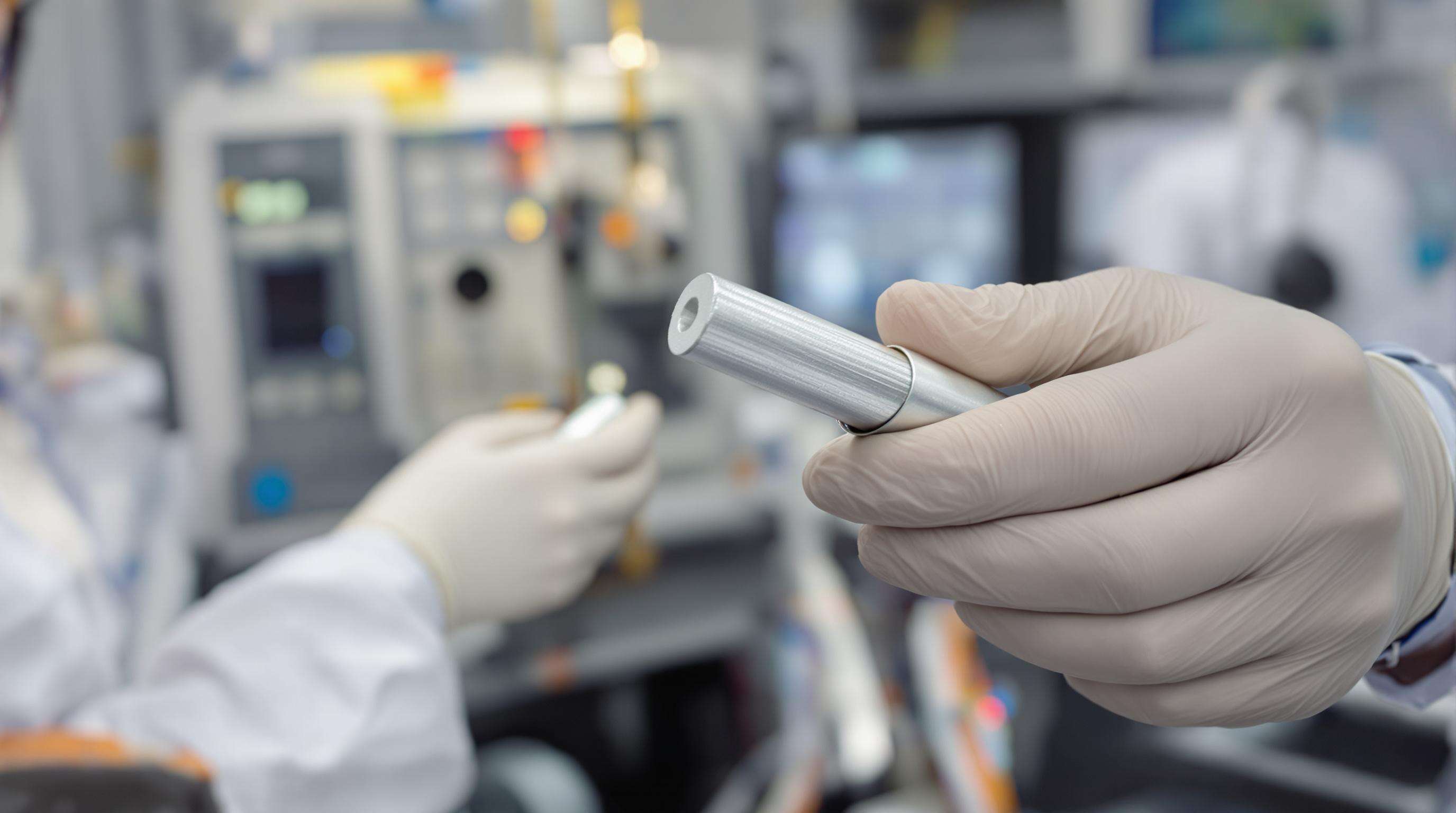
Technician examining an aluminum alloy power cable in a laboratory for strength and conductivity testing

Alloying Elements (Zr, Mg) and Their Role in Performance Enhancement

When it comes to modern aluminum cables, zirconium (Zr) and magnesium (Mg) play pretty important roles. Zr creates those tiny precipitates that stop grains from growing when cables go through temperature changes, which actually makes them stronger too. Some tests show strength can jump by around 18%, yet they still conduct electricity just fine. Magnesium works differently but equally well. It helps with work hardening so manufacturers can make wires thinner and lighter while keeping their ability to carry current intact. Put these two together and what do we get? Aluminum cables that satisfy the IEC 60228 Class B requirements but weigh about 40% less than traditional copper options. That kind of weight reduction matters a lot for installation costs and overall system efficiency.

AA-8000 Series Alloys: Breakthroughs in Durability and Conductivity

The AA-8000 series manages around 62 to 63 percent IACS conductivity thanks to careful management of trace elements, which is quite a jump compared to the old AA-1350 formulas that were used before. What makes these new alloys really stand out is their ability to handle stress better - about 30% more resistant to fatigue than previous materials. This matters a lot for solar installations since they often face constant vibration from wind across open fields. When we look at accelerated aging tests, these materials show less than 2% loss in conductivity after 25 years. That actually beats copper in places with high humidity where oxidation tends to slowly eat away at performance characteristics over time.

Case Study: High-Strength Aluminum Conductors in South Korean Solar Projects

South Korea's Honam solar belt implemented AA-8030 conductors back in 2023 which cut down cable tray loads by around 260 kg per kilometer on those 33kV power lines. Going with aluminum saved about $18 for every MWh produced through balance of system costs, plus it shaved off roughly 14 days from the installation timeline. After everything was up and running, the numbers told the story too - system availability hit 99.4% even during typhoon season. That speaks volumes about how reliable aluminum really is when facing those harsh weather conditions that are so typical in many export markets across Asia.

Global Demand and Export Trends for Aluminum Alloy Power Cables

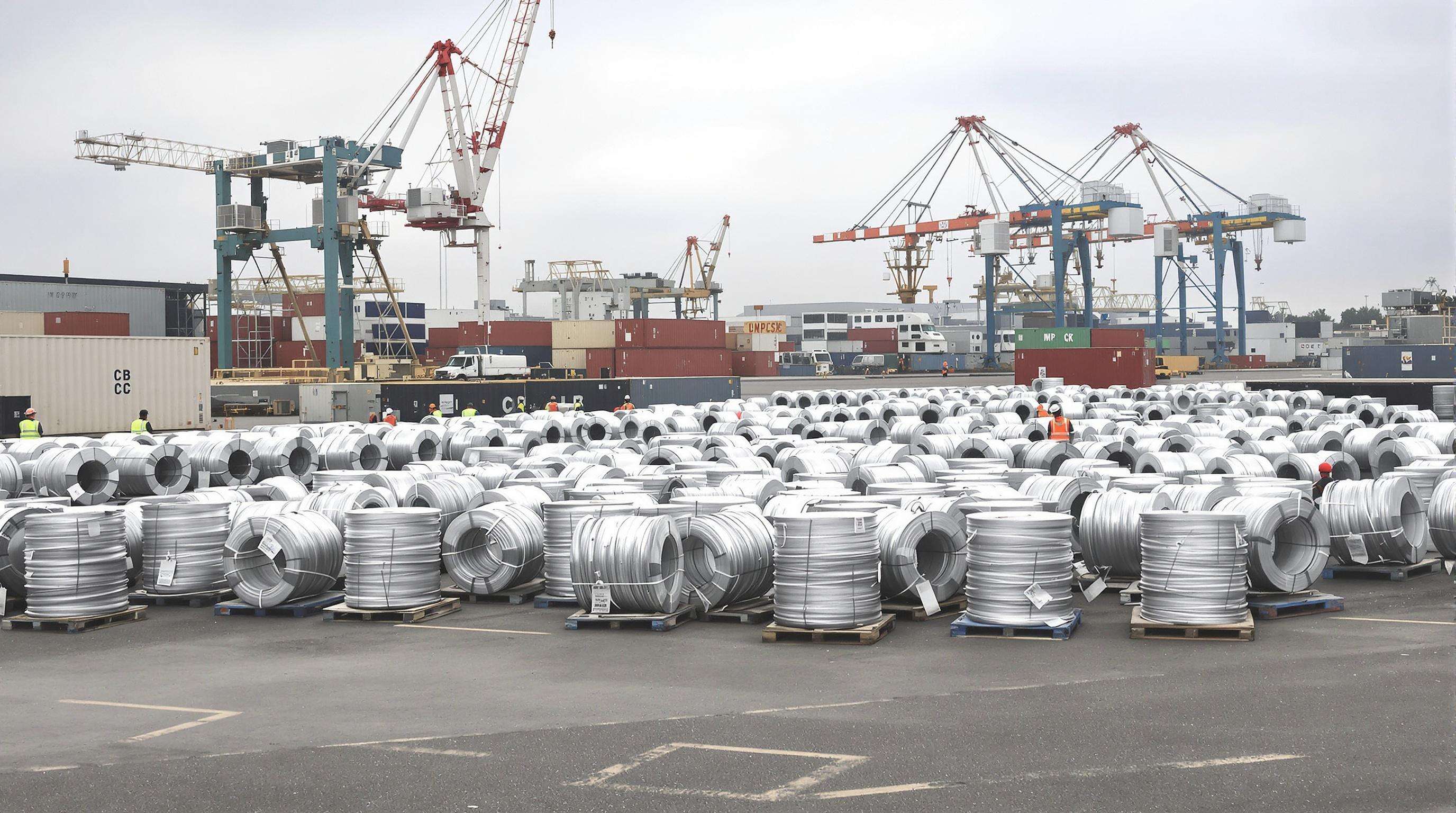
Shipping yard with aluminum cable spools being prepared for export, workers and cranes in view

As countries around the world push harder toward clean energy sources, there's been a huge spike in need for lighter power cables lately. Aluminum alloys have become pretty much the go-to choice for this stuff. According to recent data from IEA (2025), about two thirds of all large scale solar installations these days are going with aluminum conductors because they weigh roughly 40 to 50 percent less than alternatives. Makes sense when looking at ambitious goals like India aiming for 500 gigawatts of renewables by 2030 or Saudi Arabia's plan to get 58.7 gigawatts from solar power. These kinds of targets mean governments need transmission systems that won't break the bank while still being able to handle massive amounts of electricity over long distances.

Rising Solar Energy Targets Driving Aluminum Wire Demand

Chinese aluminum wire and cable exports jumped nearly 47% from February to March 2025, hitting around 22,500 metric tons last month, per the latest Renewable Energy Materials Report. The spike makes sense when looking at global solar trends too there are now over 350 gigawatts installed each year worldwide, and switching to aluminum saves about two cents per watt on big solar farms. According to forecasts from the International Energy Agency, most solar farms will be wired with aluminum conductors by 2030. This seems likely given how countries in development are pushing forward with their grid expansions so quickly these days.

Key Export Markets: Middle East, India, Southeast Asia, and Latin America

Four regions lead in aluminum cable adoption:

  • Middle East: UAE’s 2 GW Al Dhafra Solar Project uses aluminum to resist sand corrosion
  • India: National Solar Mission mandates aluminum conductors in 80% of grid-connected PV systems
  • Southeast Asia: Vietnam’s Ninh Thuan solar cluster saved $8.7 million using aluminum wiring
  • Latin America: Chile’s Atacama Desert projects leverage aluminum’s UV resistance for 30-year service

Africa’s electrification push—targeting 300 million new connections by 2030—now represents 22% of China’s aluminum cable exports.

Policy Incentives and Industry Shifts Favoring Lightweight Solutions

Government policies are accelerating aluminum adoption through:

  1. Tax rebates for projects using aluminum (e.g., Brazil’s Pro-Solar program)
  2. Material substitution mandates in building codes (India’s 2024 Power Grid Amendment)
  3. Logistics subsidies covering 15–20% of shipping costs for lightweight components

These incentives amplify aluminum’s inherent 60% cost advantage, fueling a $12.8 billion export market for alloy power cables by 2027 (Global Market Insights 2025). Industry leaders increasingly adopt AA-8000 series alloys, which achieve 61% IACS conductivity—effectively closing the performance gap with copper.

The Future of Copper-to-Aluminum Substitution in Renewable Energy

Industry Adoption Trends in Solar vs. Traditional Utility Transmission

The solar industry has been switching to aluminum alloy conductors at about three times the rate seen in conventional power systems lately. This shift makes sense when we look at materials shortages and how fast installations need to happen. According to some recent studies from the University of Michigan (2023), photovoltaic setups actually need between 2.5 and 7 times as much conductive metal for each megawatt compared to what fossil fuel plants require. Looking ahead, the 2024 specs for exporting solar equipment show that these lighter weight cables account for nearly 8 out of 10 parts in the balance of system components. What makes aluminum so attractive is how well it works with modular design approaches, which speeds things up considerably. Traditional grid systems still stick with copper though, mostly because people keep believing old reliability myths about the material despite newer alternatives being available.

Modular Design and Scalability: Advantages for Export-Focused Projects

The flexible nature of aluminum makes it possible to create prefabricated cable reels that really shorten on site assembly times, probably around 40% less work needed compared to traditional methods. For exporters, there's another big plus point here. Shipping containers can hold about 30% more aluminum cables than copper ones, which is why this material works so well in places like parts of Southeast Asia where ports just don't have much space or capacity. Contractors working on international projects find these kinds of solutions invaluable when dealing with those super tight deadline situations. And despite all these advantages, the conductivity remains pretty close to standard levels at roughly 99.6% for mid voltage solar installations too.

Market Growth Projections for Aluminum Stranded Wire Exports

The global market for aluminum-stranded solar cables seems set to expand rapidly, growing at around 14.8% annually until 2030 and beating copper adoption by roughly three to one. The biggest changes are happening in developing economies. After India reformed its solar tariffs in 2022, aluminum cable imports there jumped nearly 210%, while in Brazil most utility companies now go with aluminum for almost all their new small-scale power projects these days. To keep up with this demand, factory owners across the world are pouring about $2.1 billion into expanding production lines for AA-8000 alloy cables. These special cables meet the needs of solar farms that want lighter materials which won't corrode easily when transmitting electricity over long distances.

FAQ

Why are lightweight power cables important for solar farm exports?

Lightweight power cables, especially those made from aluminum alloys, are important for solar farm exports because they reduce installation and logistics costs. Aluminum cables weigh less than copper ones, enabling more efficient transport and installation, which is crucial for large-scale projects.

How do aluminum cables compare performance-wise with copper cables?

While pure aluminum has lower conductivity than copper, modern aluminum alloys have improved significantly in terms of conductivity and strength. Aluminum alloys can maintain a conductivity close to copper and, thanks to advanced alloying techniques, achieve high durability and flexibility, making them ideal for solar power transmission.

What regions are adopting aluminum cables, and why?

Regions like the Middle East, India, Southeast Asia, and Latin America are adopting aluminum cables mainly because of their cost-effectiveness, lightweight nature, and ability to handle harsh environmental conditions. These regions have ambitious solar energy targets, making aluminum a preferred choice for grid expansion projects.

View More

Customer Testimonials

John Smith
Exceptional Quality and Service

We have been using Litong Cable's annealed photovoltaic aluminum alloy wire for our solar panel installations, and the quality is exceptional. The wires are lightweight and flexible, making installation a breeze. Their customer service is also top-notch, always ready to assist us with any queries.

Sarah Johnson
Highly Recommend for Solar Projects

I highly recommend Litong Cable for anyone in the solar industry. Their annealed wires have significantly improved our project efficiency. We have seen a noticeable increase in energy output since switching to their products.

Get a Free Quote

Our representative will contact you soon.
Email
Name
Company Name
Message
0/1000
Unmatched Conductivity for Optimal Performance

Unmatched Conductivity for Optimal Performance

Our annealed photovoltaic aluminum alloy wire offers unmatched conductivity, which is essential for minimizing energy loss in solar energy systems. The superior conductivity ensures that more energy generated by solar panels is effectively transmitted, enhancing the overall efficiency of solar installations. This is particularly crucial in large-scale solar farms where every bit of energy counts. By choosing our wires, clients can expect not only to meet but exceed their energy output expectations, leading to significant savings and improved project viability.
Tailored Solutions for Diverse Applications

Tailored Solutions for Diverse Applications

We understand that every solar project has unique requirements. That’s why our annealed photovoltaic aluminum alloy wire can be customized to fit various applications, from residential solar systems to large commercial installations. Our team works closely with clients to understand their specific needs and develop solutions that enhance project efficiency and effectiveness. This level of customization ensures that our clients receive products that are not only high-quality but also perfectly suited to their operational demands, setting them apart in a competitive market.
  • Product Consultation & Selection

    Product Consultation & Selection

    Tailored advice, perfect fit solutions.

  • Production & Supply Chain

    Production & Supply Chain

    Efficient manufacturing, seamless supply.

  • Quality Assurance & Certification

    Quality Assurance & Certification

    Rigorous testing, global certifications.

  • Post-Sales Support & Tech Help

    Post-Sales Support & Tech Help

    Prompt assistance, ongoing support.

Get a Free Quote

Our representative will contact you soon.
Name
Email
Mobile
Country/Region
Title
Message
0/1000