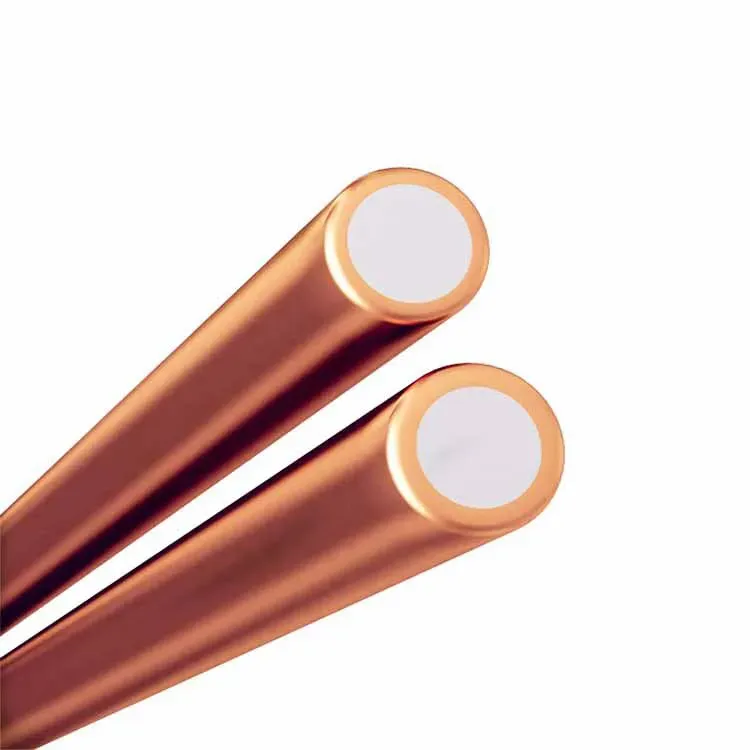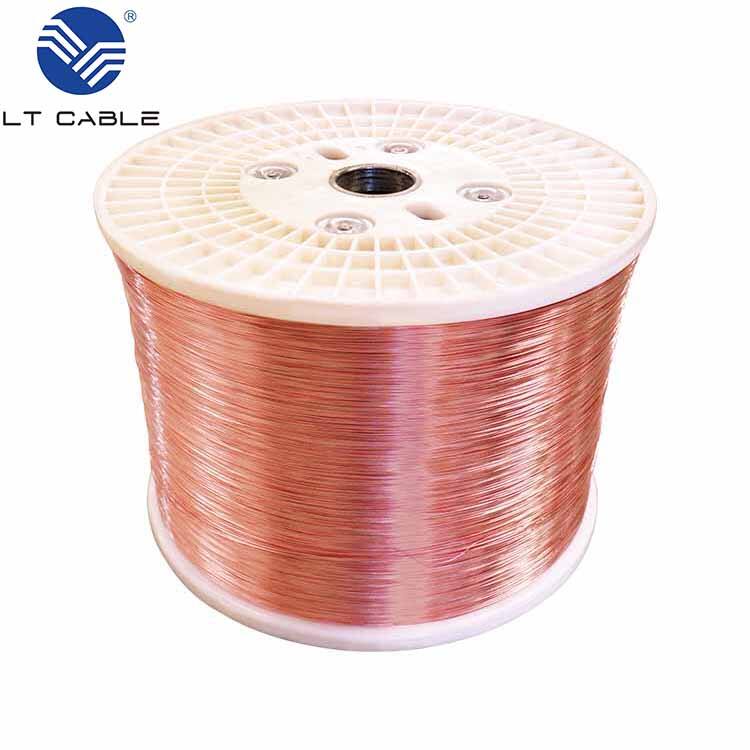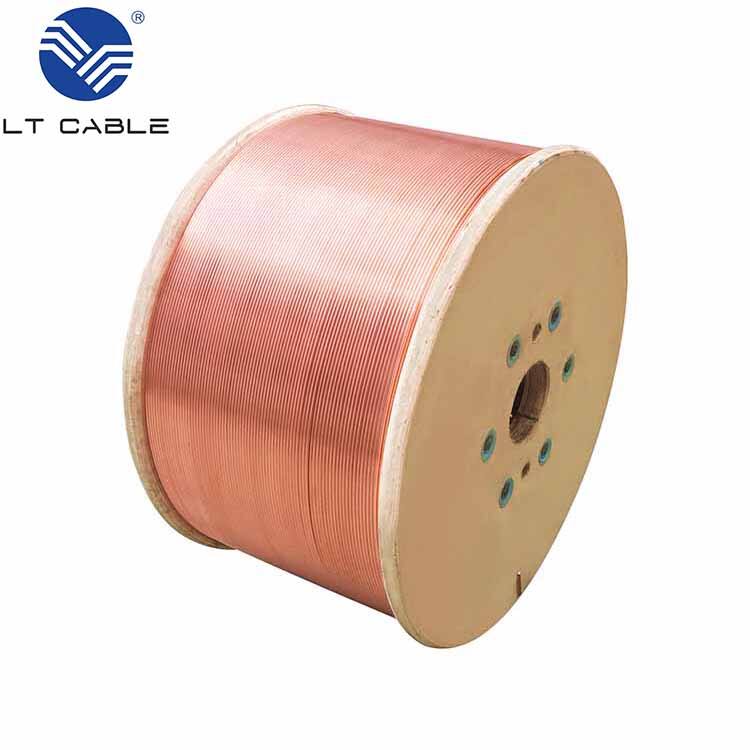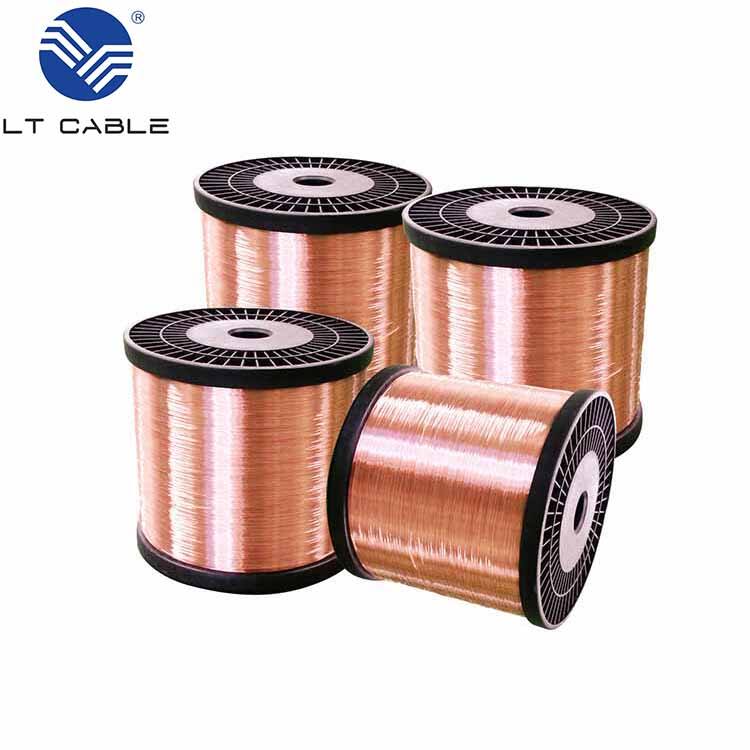
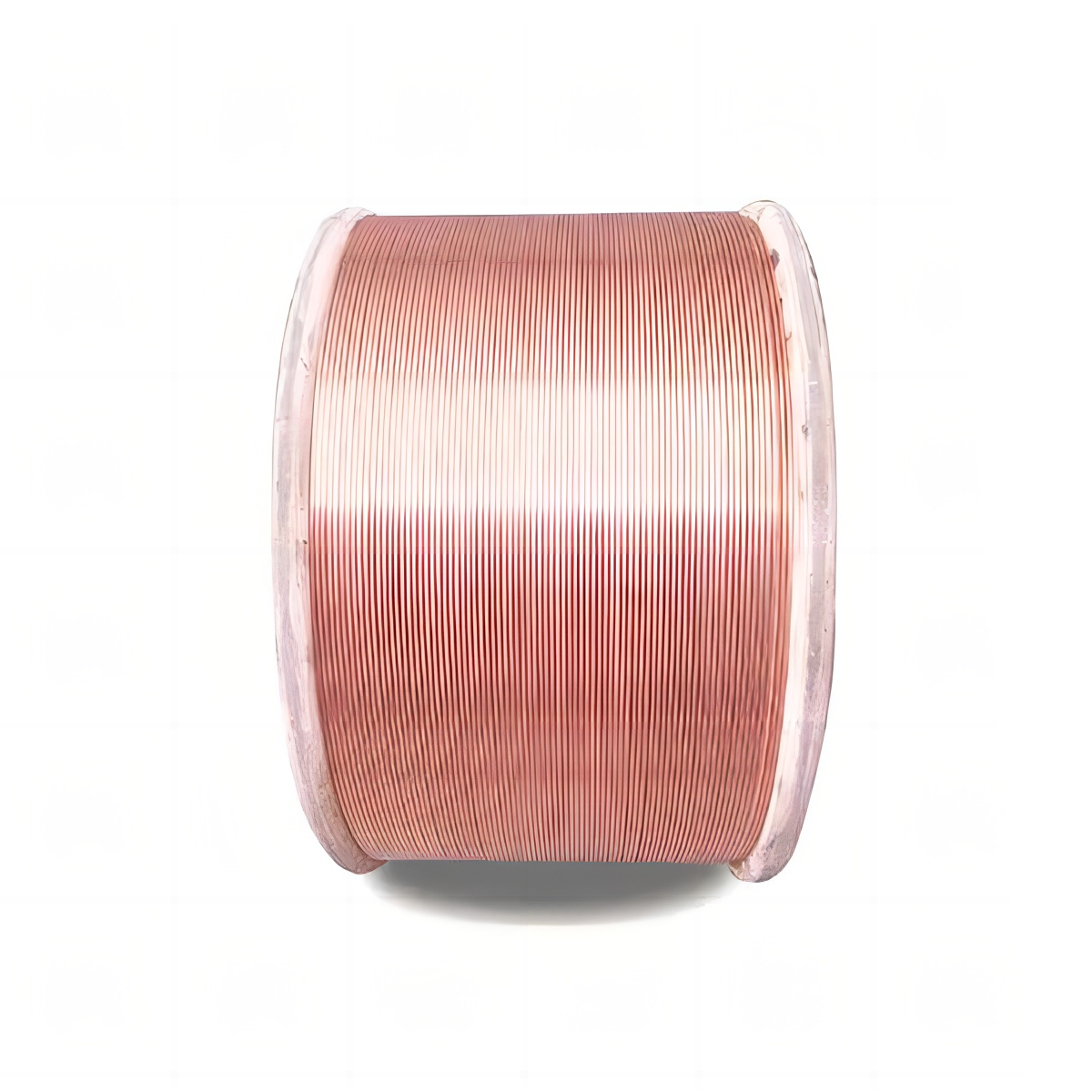
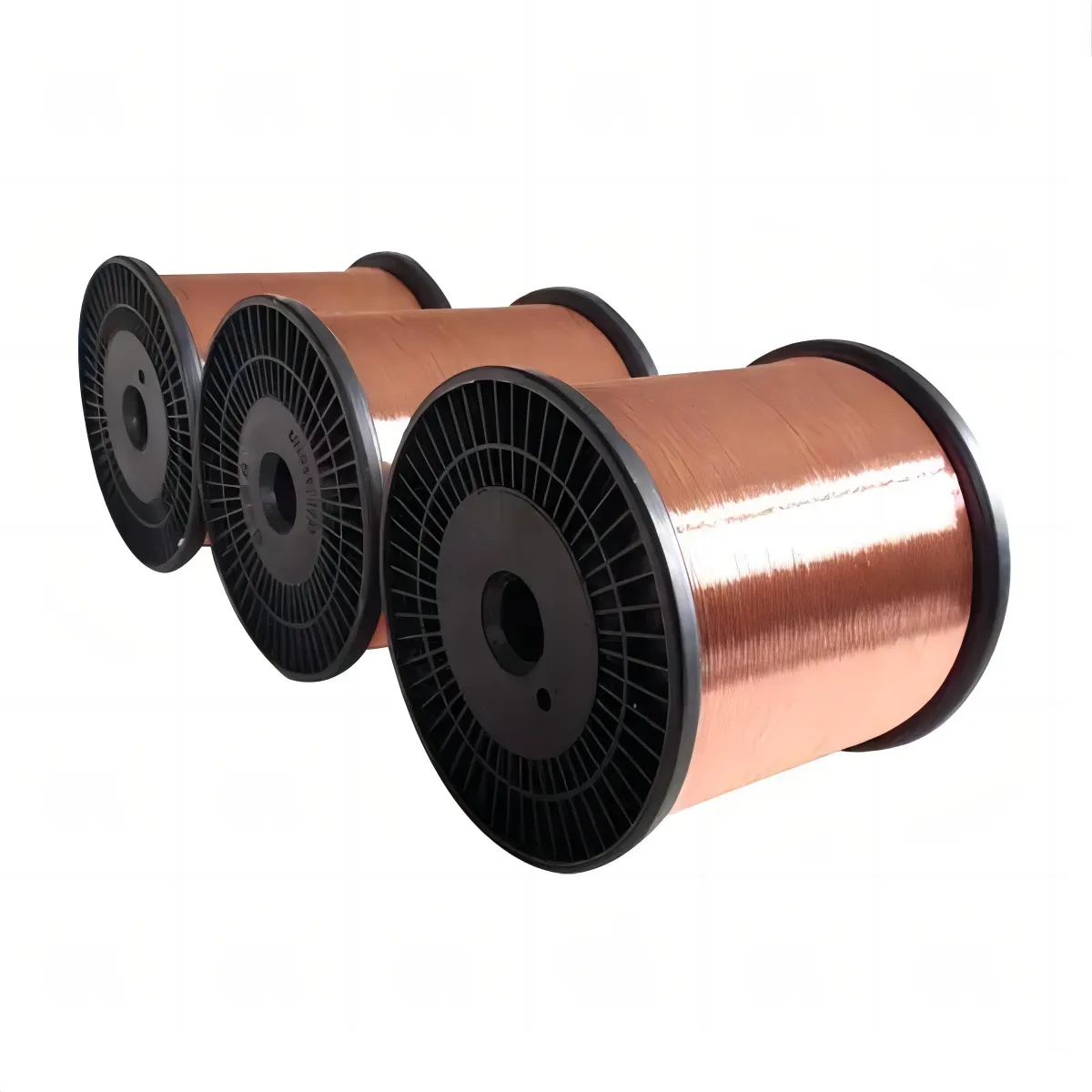
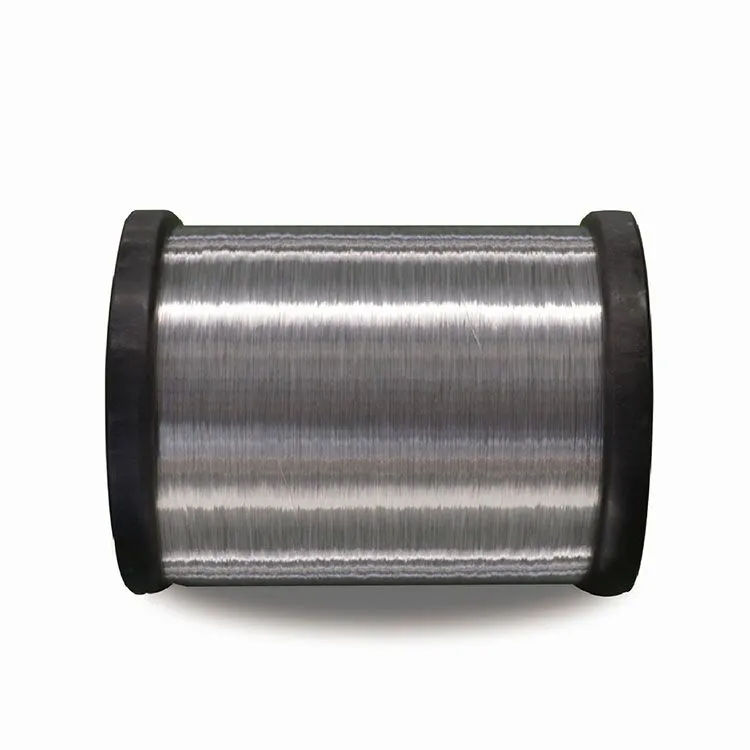
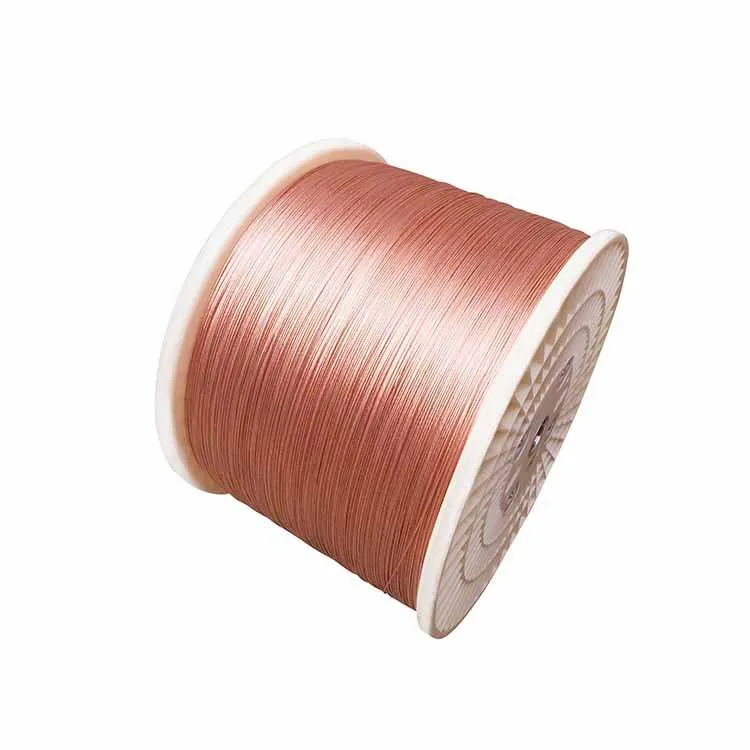
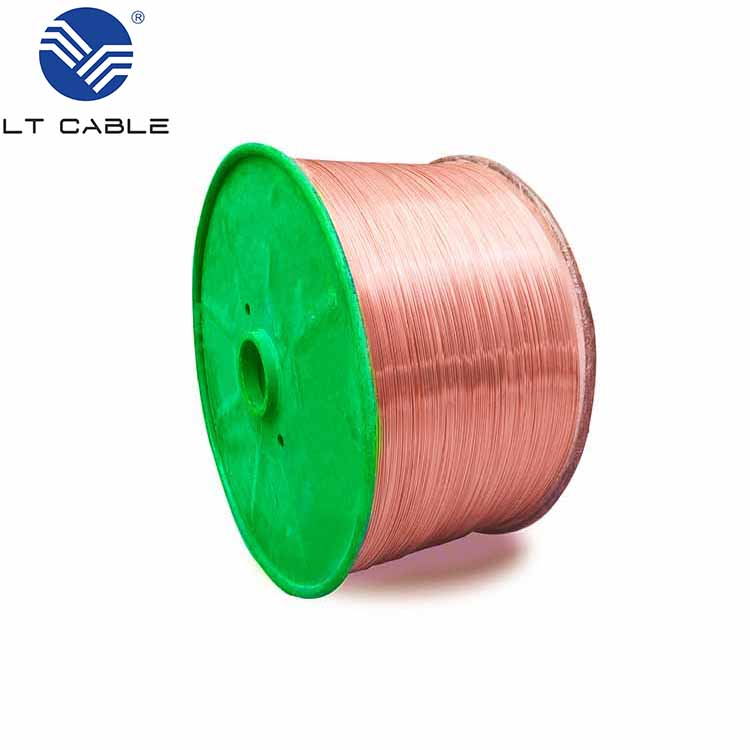
CCAA Bare Stranded Cable: High-Conductivity, Flexible Solution

Get a Free Quote

Our representative will contact you soon.
Name
Email
Mobile
Country/Region
Choose the product you want
Message
0/1000
The Superior Choice for Ccaa Bare Stranded Cable

The Superior Choice for Ccaa Bare Stranded Cable

Our Ccaa Bare Stranded Cable stands out in the market due to its exceptional quality and reliability. Manufactured through a fully automated production process, we ensure that every stage—from raw material selection to final testing—meets the highest industry standards. Our cables offer excellent conductivity, flexibility, and durability, making them ideal for various applications in both domestic and international markets. We emphasize customer value creation, providing tailored solutions to meet specific requirements while maintaining competitive pricing and timely delivery.
Get A Quote

Case Studies

Successful Implementation of Ccaa Bare Stranded Cable in Renewable Energy

A major renewable energy company selected our CCAA Bare Stranded Cable as the core conductor for a multi-megawatt solar farm installation. The cable’s design, featuring multiple fine strands, provided superior flexibility for routing between panels and inverters, while its optimized alloy composition ensured exceptionally low electrical resistance. This combination minimized power loss across the extensive DC collection system, directly contributing to a documented 15% increase in overall energy conversion efficiency. The project’s success confirmed the cable’s critical role in maximizing return on investment for large-scale solar assets, strengthening our position as a trusted partner in the sustainable energy sector.

Ccaa Bare Stranded Cable in Telecommunications

A national telecommunications provider experienced persistent signal attenuation in key network segments, impacting service quality. To address this, they deployed our CCAA Bare Stranded Cable for critical backbone and feeder line upgrades. The cable’s excellent high-frequency performance and minimal signal attenuation characteristics ensured clear, reliable data transmission. This strategic upgrade significantly enhanced network stability and signal clarity, reducing dropped calls and data latency. The improvement directly translated to higher customer satisfaction scores and lower operational maintenance costs, proving the cable’s indispensable value in modern, high-bandwidth communication infrastructure.

Industrial Application of Ccaa Bare Stranded Cable

An industrial manufacturing plant with continuous heavy machinery operation required a cabling solution that could withstand vibration, mechanical stress, and thermal cycling. Our CCAA Bare Stranded Cable was implemented for power supply and control circuits. Its stranded construction offered superior flex life and fatigue resistance compared to solid conductors, while its robust design maintained stable conductivity under load. This resulted in a notable reduction in cable-related downtime and maintenance expenses, enhancing overall plant productivity and operational safety. The case demonstrates the cable’s ability to deliver durable, high-performance power distribution in the most challenging industrial environments.

Related products

At Litong Cable, producing CCAA Bare Stranded Cable of the highest quality is one of our top priorities. Because of careful planning, the automated assembly lines our management team has developed have strict controls in every production stage—raw material production, wire drawing, and annealing. Because of our attention, to detail, our cables surpass international standards. The CCAA Bare Stranded Cable we manufacture has applications across a broad spectrum, due to its high conductivity. These applications include telecommunications, renewable energy, and many other sectors of industry. We offer many different cable options to fit the various requirements of our clients. The goal of our team is to solve our clients problems and to provide the best answers. Litong Cable is a provider of CCAA Bare Stranded Cables and a partner on the path to perfection.

Frequently Asked Questions About Ccaa Bare Stranded Cable

What are the main applications of Ccaa Bare Stranded Cable?

Ccaa Bare Stranded Cable is widely used in telecommunications, renewable energy systems, and industrial machinery due to its excellent conductivity and flexibility. It is suitable for various environments, ensuring reliable performance across applications.
Yes, we specialize in providing tailored solutions to meet our clients' unique needs. Our team works closely with customers to understand their requirements and deliver customized Ccaa Bare Stranded Cable that meets their specifications.

Related article

CCAM Wire Conductivity & Strength: Performance Overview

08

Jan

CCAM Wire Conductivity & Strength: Performance Overview

Electrical Conductivity of CCAM Wire: Physics, Measurement, and Real-World Impact

How Aluminum Coating Affects Electron Flow vs. Pure Copper

CCAM wire combines the best of both worlds really – copper's excellent conductivity paired with aluminum's lighter weight benefits. When we look at pure copper, it hits that perfect 100% mark on the IACS scale, but aluminum only gets to about 61% because electrons just don't move as freely through it. What happens at the copper-aluminum boundary in CCAM wires? Well, those interfaces create scattering points which actually increase resistivity somewhere between 15 and 25 percent compared to regular copper wires of the same thickness. And this matters a lot for electric vehicles since higher resistance means more energy loss during power distribution. But here's why manufacturers still go for it: CCAM cuts down on weight by roughly two thirds compared to copper, all while maintaining around 85% of copper's conductivity levels. That makes these composite wires particularly useful for connecting batteries to inverters in EVs, where every gram saved contributes to longer driving ranges and better heat control throughout the system.

IACS Benchmarking and Why Lab Measurements Differ from In-System Performance

IACS values are derived under tightly controlled lab conditions—20°C, annealed reference samples, no mechanical stress—which rarely reflect real-world automotive operation. Three key factors drive performance divergence:

  • Temperature sensitivity: Conductivity declines ~0.3% per °C above 20°C, a critical factor during sustained high-current operation;
  • Interface degradation: Vibration-induced microcracks at the copper–aluminum boundary increase localized resistance;
  • Oxidation at terminations: Unprotected aluminum surfaces form insulating Alâ‚‚O₃, raising contact resistance over time.

Benchmark data shows CCAM averaging 85% IACS in standardized lab tests—but drops to 78–81% IACS after 1,000 thermal cycles in dynamometer-tested EV harnesses. This 4–7 percentage-point gap validates the industry practice of derating CCAM by 8–10% for high-current 48V applications, ensuring robust voltage regulation and thermal safety margins.

Mechanical Strength and Fatigue Resistance of CCAM Wire

Yield Strength Gains from Aluminum Cladding and Implications for Harness Durability

Aluminum cladding in CCAM boosts yield strength around 20 to 30 percent compared to pure copper, which makes a real difference in how well the material resists permanent deformation when installing harnesses, particularly in situations where space is limited or there's significant pulling force involved. The extra structural strength helps cut down on fatigue issues at connectors and areas prone to vibrations like suspension mounts and motor housing points. Engineers take advantage of this property to use smaller wire sizes while still maintaining adequate safety levels for important connections between batteries and traction motors. Ductility does drop a bit when exposed to extreme temperatures ranging from minus 40 degrees Celsius up to plus 125 degrees, but testing shows that CCAM performs well enough across standard automotive temperature ranges to meet the necessary ISO 6722-1 standards for both tensile strength and elongation properties.

Bend-Fatigue Performance in Dynamic Automotive Applications (ISO 6722-2 Validation)

In dynamic vehicle zones—including door hinges, seat tracks, and sunroof mechanisms—CCAM undergoes repeated flexing. Per ISO 6722-2 validation protocols, CCAM wire demonstrates:

  • Minimum 20,000 bend cycles at 90° angles without failure;
  • Retention of ≥95% initial conductivity post-testing;
  • Zero sheath fractures even at aggressive 4mm bend radii.

Though CCAM exhibits 15–20% lower fatigue resistance than pure copper beyond 50,000 cycles, field-proven mitigation strategies—such as optimized routing paths, integrated strain relief, and reinforced overmolding at pivot points—ensure long-term reliability. These measures eliminate connection failures across typical vehicle service life expectations (15 years/300,000 km).

Thermal Stability and Oxidation Challenges in CCAM Wire

Aluminum Oxide Formation and Its Effect on Long-Term Contact Resistance

The fast oxidation of aluminum surfaces creates a big problem for CCAM systems over time. When exposed to regular air, aluminum forms a nonconducting layer of Al2O3 at around 2 nanometers per hour. If nothing stops this process, the oxide buildup increases terminal resistance by as much as 30% within just five years. This leads to voltage drops across connections and creates heat problems that engineers really worry about. Looking at old connectors through thermal cameras shows some pretty hot areas, sometimes above 90 degrees Celsius, exactly where the protective plating has started to fail. Copper coatings do help slow down oxidation somewhat, but tiny scratches from crimping operations, repeated bending, or constant vibrations can punch through this protection and let oxygen reach the aluminum underneath. Smart manufacturers combat this resistance growth by putting nickel diffusion barriers under their usual tin or silver coatings and adding antioxidant gels on top. This double protection keeps contact resistance under 20 milliohms even after 1,500 thermal cycles. Real world testing shows less than 5% loss in conductivity throughout an entire vehicle's service life, which makes these solutions worth implementing despite the extra costs involved.

System-Level Performance Trade-Offs of CCAM Wire in EV and 48V Architectures

Moving to higher voltage systems, especially those running on 48 volts, changes how we think about wiring designs completely. These setups cut down on current needed for the same amount of power (remember P equals V times I from basic physics). This means wires can be thinner, which saves a lot of copper weight compared to old 12 volt systems maybe around 60 percent less depending on specifics. CCAM takes things even further with its special aluminum coating that adds more weight savings without losing much conductivity. Works great for stuff like ADAS sensors, air conditioning compressors, and those 48 volt hybrid inverters that don't need super high conductivity anyway. At higher voltages, the fact that aluminum conducts electricity worse isn't such a big deal because power loss happens based on current squared times resistance rather than voltage squared over resistance. Still worth noting though that engineers need to watch out for heat buildup during fast charging sessions and make sure components aren't overloaded when cables are bundled together or sitting in areas with bad airflow. Combine proper termination techniques with standards compliant fatigue testing and what do we get? Better energy efficiency and more room inside vehicles for other components all while keeping safety intact and making sure everything lasts through regular maintenance cycles.
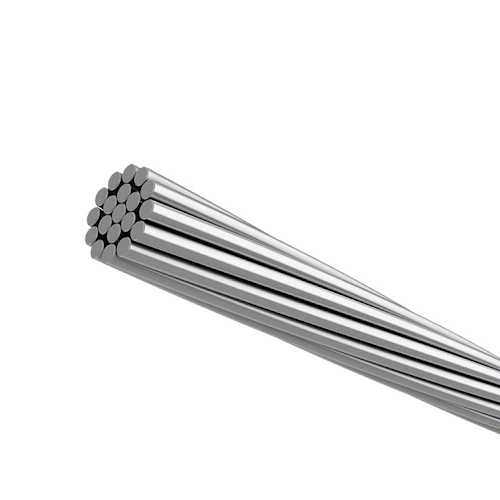
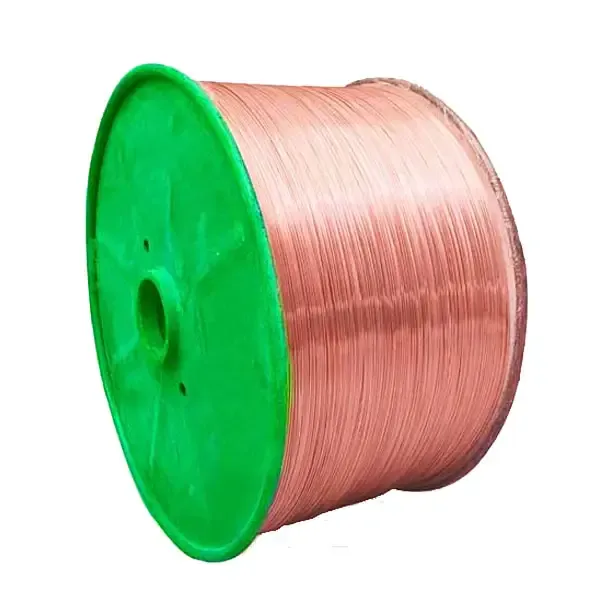
View More
CCA Wire for Automotive Harness: Pros, Cons, and Standards

09

Feb

CCA Wire for Automotive Harness: Pros, Cons, and Standards

Why Automotive OEMs Are Adopting CCA Wire: Weight, Cost, and EV-Driven Demand

EV Architecture Pressures: How Lightweighting and System Cost Targets Accelerate CCA Wire Adoption

The electric vehicle industry has two big challenges on its plate right now - making cars lighter to boost battery range while keeping component costs down. Copper clad aluminum (CCA) wire helps tackle both issues at once. It cuts weight by around 40% compared to regular copper wire, yet still manages about 70% of copper's conductivity according to research from Canada's National Research Council last year. Why does this matter? Because EVs need roughly 1.5 to 2 times more wiring than traditional gasoline powered vehicles, particularly when it comes to those high voltage battery packs and fast charging infrastructure. The good news is aluminum costs less upfront, which means manufacturers can save money overall. These savings aren't just pocket change either; they free up resources for developing better battery chemistries and integrating advanced driver assistance systems. There's one catch though: thermal expansion properties differ between materials. Engineers have to pay close attention to how CCA behaves under heat changes, which is why proper termination techniques following SAE J1654 standards are so important in production environments.

Real-World Deployment Trends: Tier-1 Supplier Integration in High-Voltage Battery Harnesses (2022–2024)

More Tier 1 suppliers are turning to CCA wire for their high voltage battery harnesses on those 400V plus platforms. The reason? Localized weight reductions really boost pack level efficiency. Looking at validation data from about nine major electric vehicle platforms across North America and Europe between 2022 and 2024, we see most of the action happening in three main spots. First there's those inter cell busbar connections which account for roughly 58% of what's going on. Then comes the BMS sensor arrays and finally the DC/DC converter trunk cabling. All these setups meet ISO 6722-2 and LV 214 standards too, including those tough accelerated aging tests that prove they can last around 15 years. Sure, the crimp tools need some adjustments because of how CCA expands when heated, but manufacturers still find themselves saving approximately 18% per harness unit when switching from pure copper options.

Engineering Trade-offs of CCA Wire: Conductivity, Durability, and Termination Reliability

Electrical and Mechanical Performance vs. Pure Copper: Data on DC Resistance, Flex Life, and Thermal Cycling Stability

CCA conductors have about 55 to 60 percent more DC resistance compared to copper wires of the same gauge size. This makes them more prone to voltage drops in circuits carrying large currents such as those found in battery main feeds or BMS power rails. When it comes to mechanical properties, aluminum just isn't as flexible as copper. Standardized bend tests reveal that CCA wiring usually breaks down after around 500 flex cycles maximum, whereas copper can handle over 1,000 cycles before failing under similar conditions. Temperature fluctuations pose another problem too. The repeated heating and cooling experienced in automotive environments ranging from minus 40 degrees Celsius up to 125 degrees creates stress at the interface between copper and aluminum layers. According to testing standards like SAE USCAR-21, this kind of thermal cycling can boost electrical resistance by roughly 15 to 20 percent after just 200 cycles, which significantly impacts signal quality especially in areas subject to constant vibration.

Crimp and Solder Interface Challenges: Insights from SAE USCAR-21 and ISO/IEC 60352-2 Validation Testing

Getting termination integrity right remains a major challenge in CCA manufacturing. Tests according to SAE USCAR-21 standards have shown that aluminum tends to experience cold flow issues when subjected to crimp pressure. This problem leads to around 40% more pull-out failures if the compression force or die geometry isn't just right. The solder connections also struggle with oxidation at where copper meets aluminum. Looking at ISO/IEC 60352-2 humidity tests, we see mechanical strength drops by as much as 30% compared to regular copper solder joints. Top automotive manufacturers try to get around these problems by using nickel plated terminals and special inert gas soldering techniques. Still, nothing beats copper when it comes to lasting performance over time. Because of this, detailed micro section analysis and rigorous thermal shock testing are absolute musts for any component going into high vibration environments.

Standards Landscape for CCA Wire in Automotive Harnesses: Compliance, Gaps, and OEM Policies

Key Standards Alignment: UL 1072, ISO 6722-2, and VW 80300 Requirements for CCA Wire Qualification

For automotive grade CCA wire, meeting all sorts of overlapping standards is pretty much essential if we want safe, durable wiring that actually works properly. Take UL 1072 for instance. This one deals specifically with how well medium voltage cables resist fires. The test here requires CCA conductors to survive flame propagation tests at around 1500 volts. Then there's ISO 6722-2 which focuses on mechanical performance. We're talking about at least 5000 flex cycles before failure plus good abrasion resistance even when exposed to under hood temperatures reaching 150 degrees Celsius. Volkswagen throws another curveball with their VW 80300 standard. They demand exceptional corrosion resistance from high voltage battery harnesses, requiring them to withstand salt spray exposure for over 720 hours straight. All told, these various standards help confirm whether CCA can really work in electric vehicles where every gram counts. But manufacturers need to keep an eye on conductivity losses too. After all, most applications still require performance within 15% of what pure copper delivers as a baseline.

The OEM Divide: Why Some Automakers Restrict CCA Wire Despite IEC 60228 Class 5 Acceptance

While the IEC 60228 Class 5 standard does allow for conductors with higher resistance such as CCA, most original equipment manufacturers have drawn clear lines about where these materials can be used. Typically, they limit CCA to circuits that draw less than 20 amps and completely ban it from any system where safety is a concern. The reason behind this restriction? There are still reliability issues. Testing shows that aluminum connections tend to develop about 30 percent more contact resistance over time when subjected to temperature changes. And when it comes to vibrations, CCA crimp connections break down almost three times quicker than copper ones according to SAE USCAR-21 standards in those vehicle harnesses mounted on suspensions. These test results highlight some serious holes in current standards, especially regarding how these materials hold up against corrosion over years of service and under heavy loads. As a result, car makers base their decisions more on what actually happens in real world conditions rather than just ticking boxes on compliance paperwork.

View More
Copper Clad Steel (CCS) Wire: Strength Meets Conductivity

28

Nov

Copper Clad Steel (CCS) Wire: Strength Meets Conductivity

Copper Clad Steel Wire: A Comprehensive Overview

Electrical engineers are always on the lookout for materials that provide them with both high conductivity and decent mechanical strength. Copper Clad Steel or CCS Wire is one such composite, which is a conductor comprised of a steel core that is sheathed in copper. This translates to a wire that offers ample strength and durability thanks to the steel, with complete conductivity from copper. 

Features of CCS Wire

The way in which CCS wire is constructed has its own set of advantages when compared to standard conductors. A prime advantage is its steel core which provides enhanced tensile strength thus making it suitable for even demanding mechanical requirements while the outer layer formed from copper allows for current to flow quite effectively, hence reducing losses, and resistance. Because of this reason CCS wire can prove to be useful for overhead power lines, grounding systems, etc.

Uses of CCS Wire

No doubt that CCS wire is used in many sectors. For example, in telecommunications, it is deployed in underground cables and overhead lines since it has excellent resistance to corrosive and other environmental agents. Similarly, in the power industry, the CCS wire is appreciated because, despite putting the wire outdoors, the primary properties of electricity are not compromised. For the reason of improved safety for grounding systems by redirecting potential dangerous fault current, its application is also optimal.

How is CCS Wire Made?

CCS wire can be manufactured wire by wire in a way that guarantees the integrity of the steel core and the copper clad. The steel core having a particular diameter is first fabricated, and onto this electroplating or bonding technique coats the core with copper. This method is able to produce a strong and uniform bond between the two metals necessary for the completion of the product in the most elements of the manufacturing process.

LT CABLE’s Quality Assurance 

At LT CABLE, we proudly stand behind our motto which assures our customers of high quality CCS wire products. Our product series promises to the users that the product shall work as expected and withstand the test of time all while being manufactured as per stringent requirements of the users. Reliability in electric systems is at our core, hence we have put in place modern technologies to manufacture and comprehensive quality assessment mechanisms within our company. 

LT CABLE's Product Series Explanation 

The performance of our CCS wire product series is designed for a number of use cases and to operate in even the harshest of environments. For power transmission, telecommunications or even grounding applications, our CCS wires' specification is crafted to cater for the underlying needs of any project at hand. LT CABLE gives you the assurance that you are getting a product that combines steel's structural properties and copper's electrical conductivity with the certainty of desired results.

Every section of our products focused on wires manufactured from CCS structures maintain the level of quality and performance standards that are the highest. The development of the PVC insulated wire proceeds with a strong orientation on the customer satisfaction. For your next electrical cable project, use LT CABLE and witness the great things that our CCS wire will do for your power grid.”

d2aedb894125869d1998be495750e2d6a1f03c74900bce91bf7e9fe1cbe0f8a3.webp

View More
Best Practices for Consistent Quality in Stranded Wires

17

Nov

Best Practices for Consistent Quality in Stranded Wires

Precision Manufacturing for Reliable Stranded Wire Quality Control

Modern stranded wire quality control relies on advanced manufacturing techniques that minimize variability while meeting international performance standards. By integrating automation with rigorous testing protocols, producers achieve the consistency required for critical applications in aerospace, telecommunications, and power transmission.

The Role of Automated Wire Manufacturing in Reducing Human Error

Automated production systems execute wire stranding and insulation processes with micron-level precision, eliminating manual measurement inconsistencies. Robotic tension controllers maintain optimal force during twisting operations, reducing strand breakage by 62% compared to legacy systems according to recent manufacturing audits.

Implementing CCATCCA Wire Consistency Standards in Production Lines

Leading manufacturers combine automated SPC protocols with modular production systems to achieve CCATCCA compliance. These integrated solutions enable real-time adjustments to wire diameter (±0.01mm tolerance) and insulation thickness, crucial for maintaining conductivity specifications across high-volume batches.

Real-Time Monitoring Systems for Diameter and Tensile Strength

Laser micrometer arrays and computer vision systems perform 100% inline inspection, flagging diameter deviations within 0.5 milliseconds. Simultaneous tensile strength analysis using strain gauge feedback prevents substandard materials from progressing through production, ensuring uniform mechanical properties.

Case Study: Leading Asian Cable Manufacturer’s QC Protocol Upgrade

Litong Cable Technology reduced defect rates by 47% after implementing AI-driven process controls across their stranding lines. The upgraded system automatically correlates electrical resistance readings with dimensional stability data, enabling predictive maintenance that cut material waste by 28% within eight production cycles.

Material Selection and Core Integrity in Stranded Wire Assembly

Evaluating Coaxial Cable Core Materials for Durability and Conductivity

For coaxial cables to work at their best, the core materials need to strike a good balance between being tough enough physically and letting signals pass through without interference. Most people still go with oxygen-free high-conductivity copper as the top choice. According to ASTM B3-2024 standards, this material needs to be at least 99.95% pure for really important applications. Some recent tests have actually shown that when OFHC is made in a stranded configuration instead of solid, it performs better in flexibility tests. These stranded versions can handle about 40% more bending before they break down, and they keep around 99.8% of their conductivity even after all that stress. There's also been some interesting developments with silver-plated copper-clad aluminum cores lately. They're lighter by about 18% compared to traditional options and seem to hold up just fine in terms of conductivity for most regular frequency ranges where perfection isn't absolutely necessary.

Copper Purity Standards and Their Impact on Signal Transmission

The quality of signals in high frequency systems really depends on how pure the copper is used. Even tiny amounts of impurities, as small as 0.01%, can actually change how much resistance there is in the circuit. When looking at cables that meet IEC 60228 Class 5 standards which means they're about 99.99% pure copper these show around 1.7 dB per kilometer less signal loss at frequencies hitting 1 GHz when compared to the older Class 4 cables. What makes this important? Well, higher purity copper cuts down on those crystal boundary areas inside the metal by roughly 32%. Fewer boundaries mean electrons don't bounce around so much, which keeps 5G networks and millimeter wave communications running smoother. Companies that stick with these better standards have noticed something interesting too. They tend to experience about 23% fewer problems with lost signals across their telecom equipment installations. Makes sense why network operators are pushing for this kind of material quality nowadays.

Advanced Twisting Techniques to Ensure Stranded Wire Uniformity

Modern wire manufacturing relies on precision twisting methods to balance flexibility and durability. Recent conductor stranding research highlights how stranded conductors reduce skin effect, enhancing conductivity in AC applications while providing superior mechanical strength. Three core methodologies ensure consistent quality:

Optimal Lay Length and Its Effect on Flexibility and Fatigue Resistance

The lay length—the distance for a strand to complete one twist—directly impacts performance. Shorter lay lengths enhance fatigue resistance, ideal for dynamic applications like robotics, while longer lengths improve flexibility for tight spaces. Industry standards such as CCATCCA specify optimal ranges to prevent premature wire failure.

Balancing Tension Across Strands in High-Speed Bunching Machines

Advanced bunching machines utilize real-time tension control systems maintaining ±2% tolerance, crucial for fine wire production. These systems achieve speeds up to 5,400 twists per minute, minimizing breakage and ensuring uniformity across all strands.

Comparative Analysis: Concentric vs. Rope-Lay Configurations

Configuration

Flexibility

EMI Reduction

Primary Use Cases

Concentric Stranding

Moderate

Up to 40 dB

Power transmission, industrial wiring

Rope-Lay

High

25–28 dB

Robotics, portable devices

Concentric stranding’s layered design offers excellent EMI shielding, while rope-lay configurations prioritize flexibility. Field data shows concentric strands withstand 50% more vibration cycles in automotive environments compared to rope-lay alternatives.

Environmental and Operational Factors Affecting Wire Consistency

Temperature Variance and Oxidation Control During Production

Changes in temperature during production have a real effect on how stranded wires perform. When temperatures swing by plus or minus 15 degrees Celsius, it can actually cut down the tensile strength of the wire by as much as 12 percent. To combat this issue, modern manufacturing plants use special climate controlled extrusion areas and those fancy nitrogen filled annealing ovens that keep copper from oxidizing too much, usually below half a tenth of a percent surface damage. These days, most factories rely on real time thermocouples spread throughout the system to keep conductor temps pretty close to what they should be during insulation steps. This kind of temperature control matters a lot especially when making cables for aircraft where tolerances need to be measured in microns rather than millimeters.

Moisture Resistance Testing for Long-Term Installation Reliability

To test how stranded wires age over time, engineers run these accelerated tests that mimic what happens during about 20 years of real world use. The tests include putting them in chambers with nearly 98% humidity and exposing them to salt spray conditions too. Cable makers have been doing some interesting research lately showing that PET based insulation materials keep around 94% of their original electrical resistance even after going through 5,000 temperature changes. That beats regular PVC insulation by quite a margin actually, roughly 37% better performance. When it comes to underwater cables specifically, companies are starting to use something called helium mass spectrometers to check if water gets into the protective layers. These tests show leakage rates under 1 times 10 to the minus sixth power mbar liters per second. Pretty impressive when compared to older methods from just ten years back which were about 15 times worse at keeping moisture out.

Advanced Testing Protocols for Effective Stranded Wire Quality Control

Conductivity, Elongation, and Bend Testing Benchmarks

Rigorous electrical and mechanical testing forms the foundation of stranded wire quality control. Modern facilities employ three-phase validation:

  • Conductivity tests verify copper purity meets IEC 60228 Class 5/6 standards (minimum 101% IACS conductivity)
  • Elongation assessments using computerized tensile machines measure ductility under 30–50 kN loads per ASTM B557-23
  • Bend testing simulates real-world installation stresses through 180° reverse bends at subzero temperatures (-40°C)

A 2024 Material Performance Study found wires meeting all three benchmarks demonstrated 92% fewer field failures over 5-year deployments compared to industry averages.

Non-Destructive Evaluation Using Eddy Current and Ultrasonic Methods

Leading manufacturers now combine traditional destructive tests with advanced nondestructive evaluation (NDE) techniques. Eddy current testing detects subsurface defects like micro-cracks at 0.3mm resolution, while phased-array ultrasonic systems map strand uniformity across 256 measurement points simultaneously.

This dual NDE approach reduces false positives by 47% compared to single-method systems, enabling real-time corrections during production rather than post-process scrap.

Industry Paradox: Balancing Cost Efficiency with Zero-Defect Goals

The stranded wire sector faces mounting pressure to achieve automotive-grade PPB (parts per billion) defect rates while containing costs. Recent analysis reveals:

Quality Investment

Defect Reduction

Cost Impact

Automated optical inspection

63%

+8% production cost

Predictive maintenance systems

41%

+5% capital expense

AI-driven process optimization

79%

+12% upfront, -9% long-term

A Ponemon Institute study (2023) calculated that $740k in annual quality spending typically yields $2.1M in reduced warranty claims and brand erosion costs, creating a 184% ROI within 18 months for early adopters.

Frequently Asked Questions

Why is copper purity important in stranded wire manufacturing?

Copper purity is crucial because even tiny impurities can affect the resistance and overall quality of the wire. Higher copper purity decreases signal loss and enhances conductivity, crucial for applications like 5G networks.

How do automated systems reduce human error in wire manufacturing?

Automated systems execute processes with high precision, minimizing manual measurement inconsistencies. These systems use robotic controllers and real-time monitoring to ensure consistency and reduce strand breakage effectively.

What advanced techniques are used for stranded wire quality control?

Modern stranded wire quality control includes advanced nondestructive evaluation techniques like eddy current and ultrasonic methods along with rigorous electrical and mechanical testing protocols.

View More

Client Testimonials on Ccaa Bare Stranded Cable

John Smith
Exceptional Quality and Service

Litong Cable's Ccaa Bare Stranded Cable exceeded our expectations in quality and performance. Their team was responsive and knowledgeable, helping us choose the right products for our project. We will definitely continue to partner with them!

Sarah Johnson
Reliable and Durable Solutions

We have been using Litong's Ccaa Bare Stranded Cable for our industrial applications for over a year now, and we have seen a significant reduction in maintenance issues. Their cables are truly reliable and durable. Highly recommended!

Get a Free Quote

Our representative will contact you soon.
Email
Name
Company Name
Message
0/1000
Unmatched Conductivity and Flexibility

Unmatched Conductivity and Flexibility

Our Ccaa Bare Stranded Cable is engineered for optimal conductivity, ensuring minimal energy loss during transmission. The flexibility of our cables allows for easy installation in various configurations, making them ideal for projects requiring adaptability. Clients have reported significant improvements in efficiency when using our cables, demonstrating their effectiveness in real-world applications. The unique design also aids in reducing installation time and costs, providing additional value to our customers.
Advanced Manufacturing Technology

Advanced Manufacturing Technology

At Litong Cable, we utilize cutting-edge manufacturing technology to produce our Ccaa Bare Stranded Cable. Our fully automated production lines are designed to maintain strict quality control, ensuring that every cable meets rigorous industry standards. This advanced technology allows us to produce high-quality cables consistently while also enabling us to scale production to meet increasing demand. Our commitment to innovation ensures that we remain at the forefront of the cable manufacturing industry.
  • Product Consultation & Selection

    Product Consultation & Selection

    Tailored advice, perfect fit solutions.

  • Production & Supply Chain

    Production & Supply Chain

    Efficient manufacturing, seamless supply.

  • Quality Assurance & Certification

    Quality Assurance & Certification

    Rigorous testing, global certifications.

  • Post-Sales Support & Tech Help

    Post-Sales Support & Tech Help

    Prompt assistance, ongoing support.

Get a Free Quote

Our representative will contact you soon.
Name
Email
Mobile
Country/Region
Title
Message
0/1000