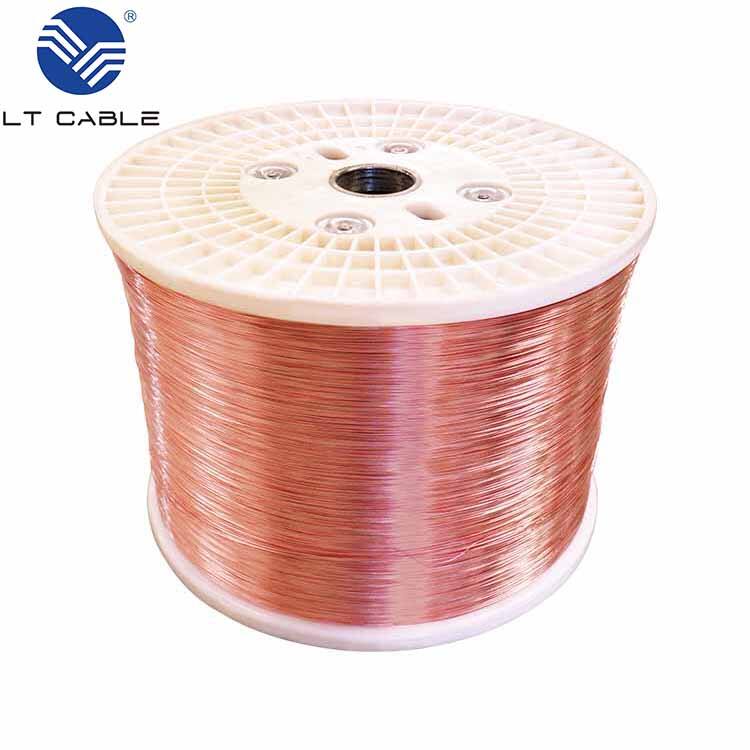
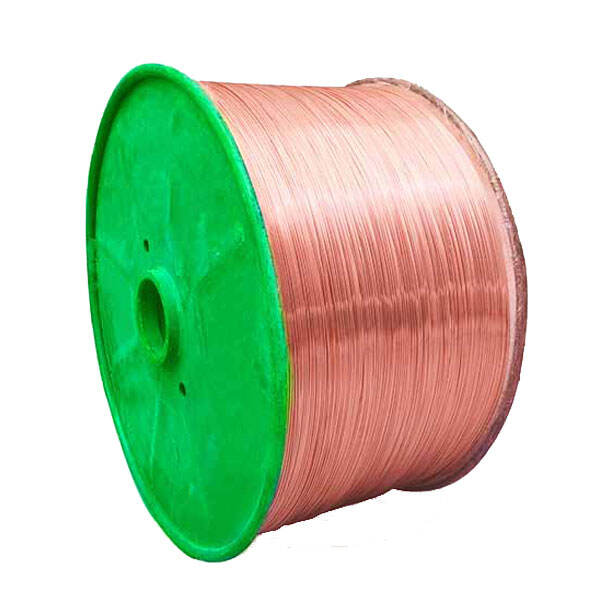
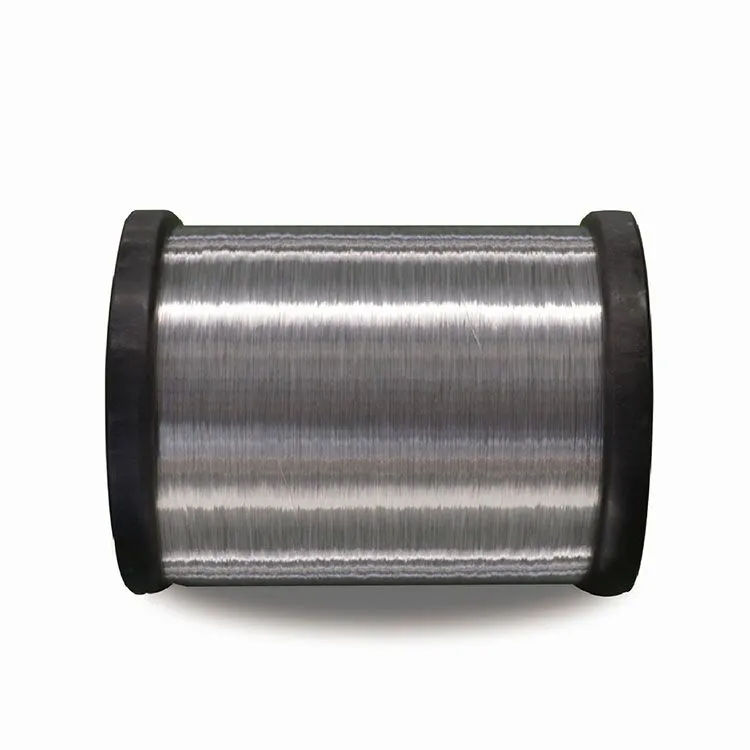
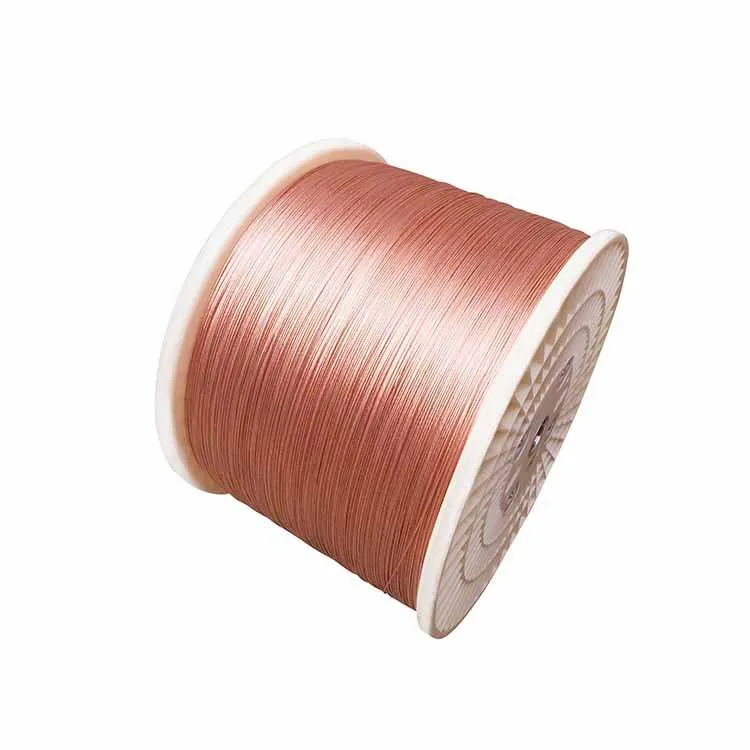
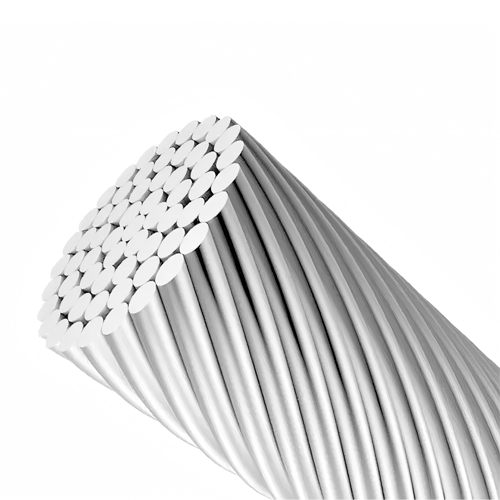
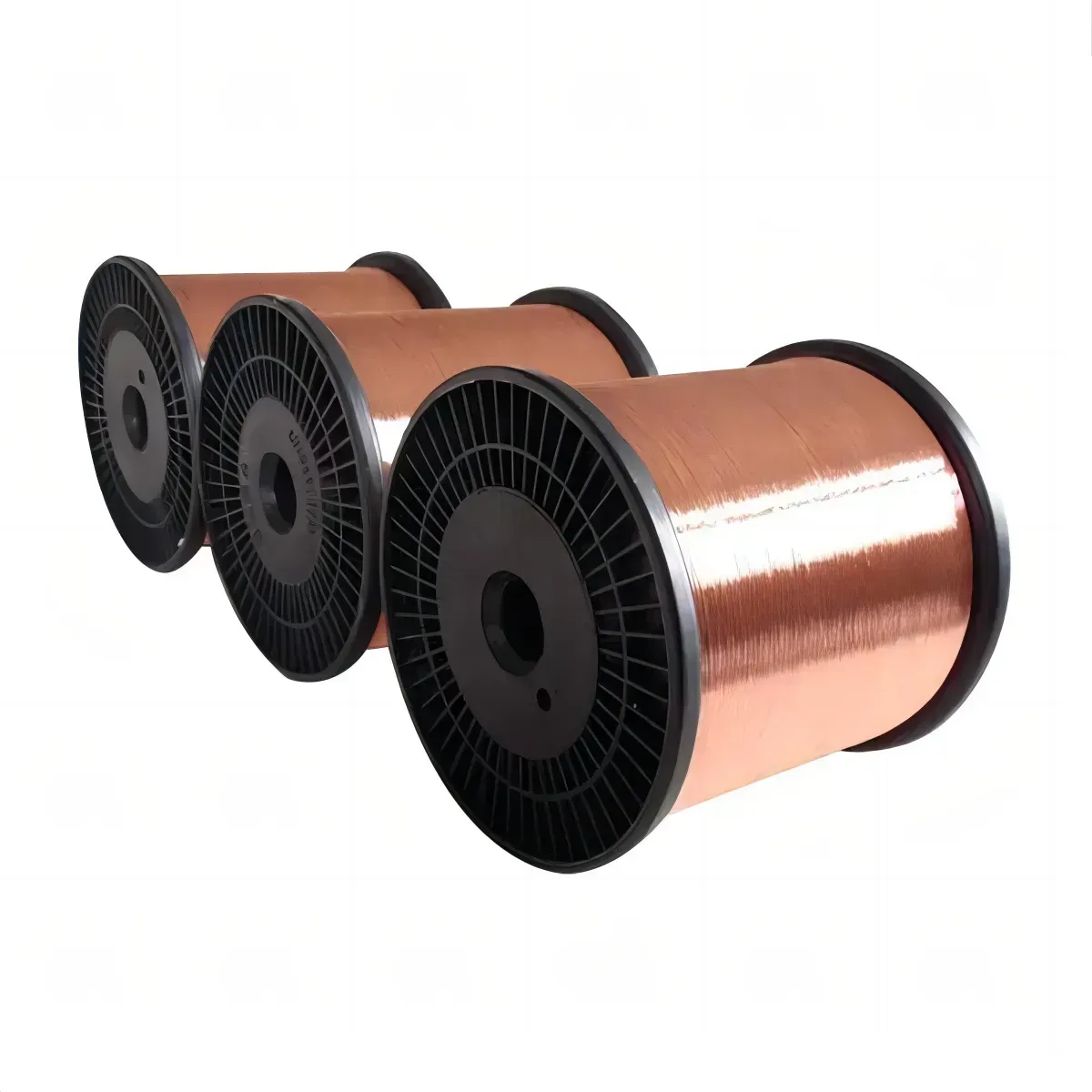
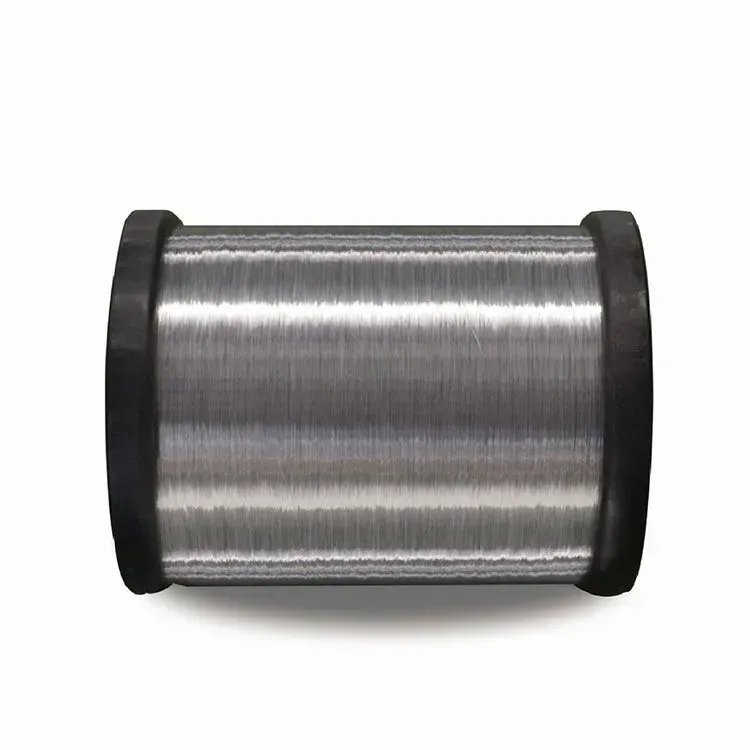
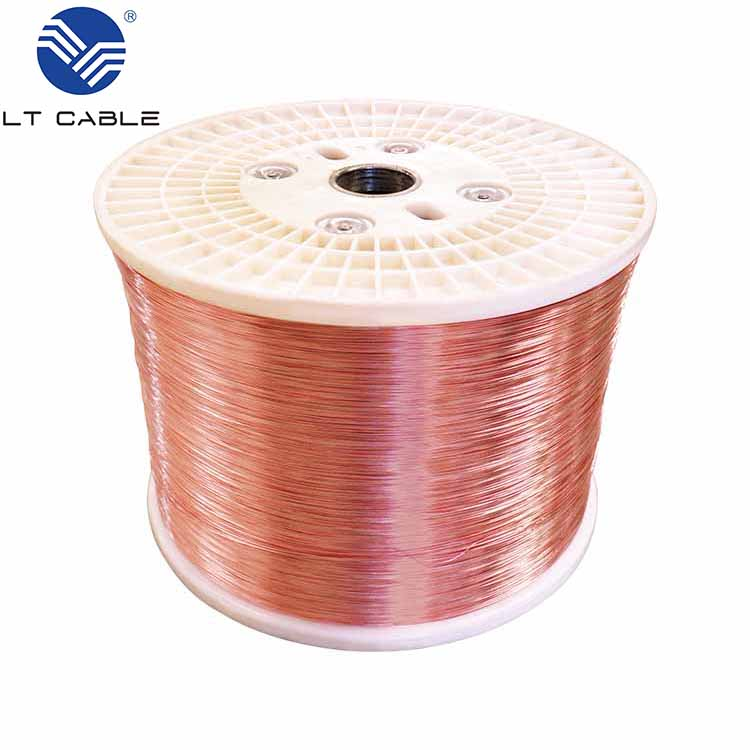
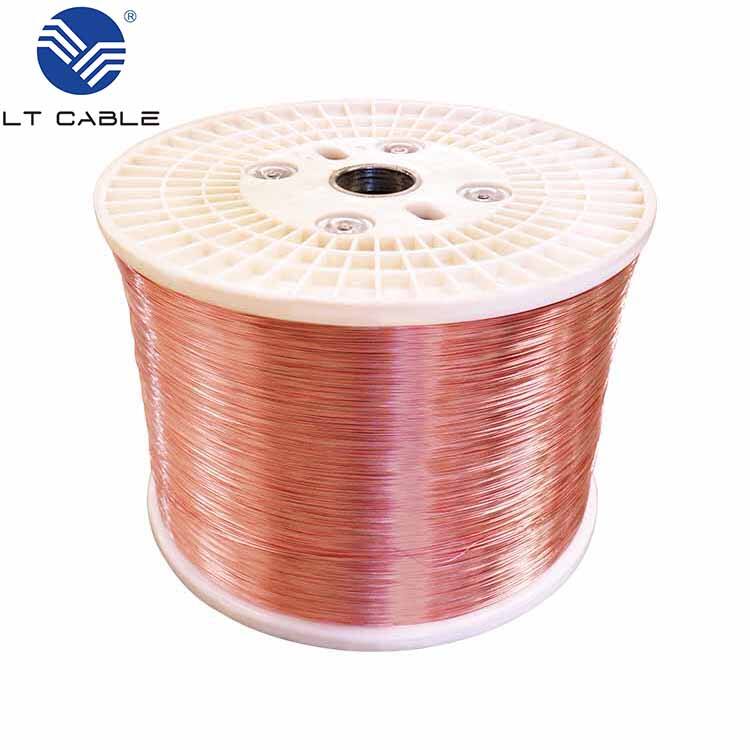
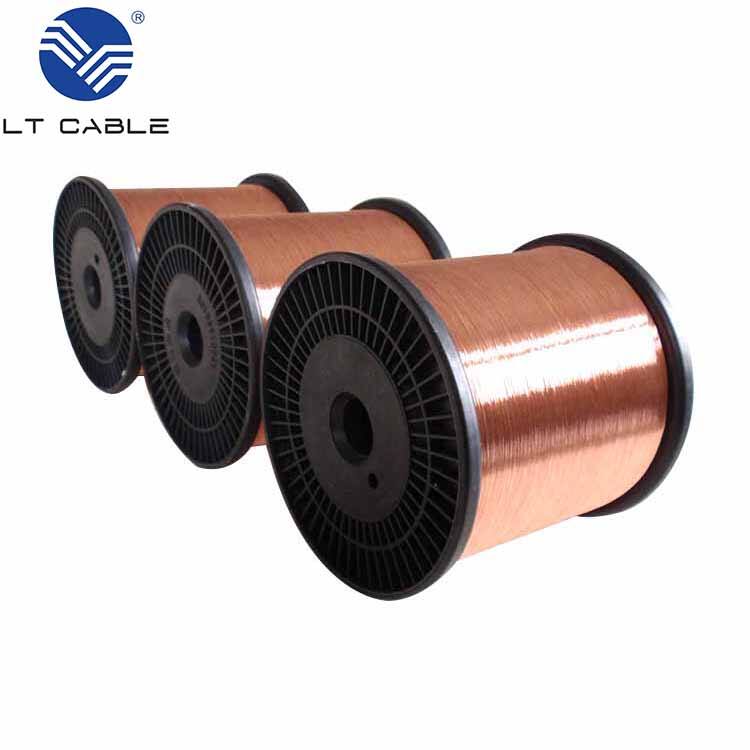
CCAA Tinned Wire: Superior Corrosion Resistance & Conductivity

Get a Free Quote

Our representative will contact you soon.
Name
Email
Mobile
Country/Region
Choose the product you want
Message
0/1000
Unmatched Quality and Reliability in CCAA Tinned Wire

Unmatched Quality and Reliability in CCAA Tinned Wire

Our CCAA tinned wire stands out in the market due to its superior quality and reliability. Manufactured using fully automated production lines, our process ensures that every step, from raw material selection to final product delivery, is meticulously controlled. The tinning process enhances corrosion resistance, ensuring longevity and performance in various applications. Our commitment to quality means that clients receive products that not only meet but exceed industry standards. With customized solutions tailored to specific needs, we provide unmatched value and service to our clients, making us the preferred choice for CCAA tinned wire.
Get A Quote

Case Studies

Successful Implementation of CCAA Tinned Wire in Aerospace

In the aerospace industry, reliability is paramount. One of our clients, a leading aerospace manufacturer, faced challenges with wire failures due to corrosion. We provided them with our CCAA tinned wire, which significantly improved the durability and performance of their systems. The client reported a 30% reduction in maintenance costs and an increase in operational efficiency. Our tinned wire's superior corrosion resistance ensured that it met the rigorous standards of the aerospace sector, proving to be a game-changer for their operations.

CCAA Tinned Wire in Renewable Energy Solutions

A prominent renewable energy company sought a solution for their solar panel connections. They required a wire that could withstand harsh environmental conditions. Our CCAA tinned wire was the perfect fit, providing excellent conductivity and resistance to corrosion. The client experienced a 25% increase in energy efficiency due to reduced resistance in their connections. Our customized approach ensured that the wire met their specific needs, resulting in a successful partnership and enhanced product performance.

Enhancing Automotive Manufacturing with CCAA Tinned Wire

An automotive manufacturer needed a reliable wiring solution for their electric vehicle production line. They turned to our CCAA tinned wire, which offered superior conductivity and resistance to wear and tear. The implementation of our product led to a 40% decrease in electrical failures during testing phases. This case exemplifies how our tinned wire not only meets but exceeds the stringent requirements of the automotive industry, ensuring safety and reliability for end-users.

Related products

CCAA tinned wire goes through a long process with many stages that requires attention to detail and quality. Each production begins with the best raw materials so that only high quality wires are made. Additionally, our management team engineered our production line to be fully automated which promotes efficiency for processes like drawing, annealing, and tinning. Each phase of production is meticulously kept under quality control. The tinning process helps the wire conduct electricity better and also helps the wire to resist corrosion which is a common problem in tough environments. This is why we are committed to our customer’s unique needs, so we are able to meet them with our various products. Our innovative solutions truly show why we are the best at providing CCAA tinned wire to customers around the world.

Frequently Asked Questions about CCAA Tinned Wire

What applications are suitable for CCAA tinned wire?

CCAA tinned wire is ideal for various applications, including aerospace, automotive, telecommunications, and renewable energy sectors. Its corrosion resistance and excellent conductivity make it suitable for environments where reliability is critical.
The tinning process adds a layer of tin to the wire, which enhances its resistance to corrosion and oxidation. This results in improved longevity and reliability, particularly in harsh environments, ensuring optimal performance over time.

Related article

CCAM Wire: The Superior Choice for High-Frequency Applications

28

Nov

CCAM Wire: The Superior Choice for High-Frequency Applications

For the electrical engineers, the interest in materials with good performance at high frequencies has resulted into the formulation of CCAM wire. This Coppcor clad aluminum magnesium wire is a composite conductor which offers a balance between the light and cheap feature of aluminum and the best properties of copper in terms of conductivity and resistance to corrosion. 

The structure of the CCAM wires gives it several edges over the conventional wires. The aluminum center contributes high tensile strength making it appropriate for controlling complex mechanical loads. Infact, the outer layer is copper, which facilitates current flow and reduces energy wastage. The overall effect of these characteristics makes it possible for CCAM wire to operate effectively in high frequency environments, such as Radio Frequency (RF) antennas, which hinge on the CCAM wire because of their weight and conductivity requirements. 

CCAM wire has broad applications in various fields such as communication and aerospace. It is applied in RF antennas and other high frequency devices because of its non-degradability under harsh environmental conditions. In aerospace applications, CCAM wire is advantageous because it can survive flying conditions whilst performing electrical tasks. Moreover, its application in RF antennas improve the efficiency and quality of the intercepted signals.

The production of CCAM wire makes use of a controlled approach of ensuring that both the core of aluminum and the sheath of copper are intact. The Al core is pulled into desired sized before a copper layer is introduced by either electroplating or bonding methods. This ends up with a clean joint between the two metals that will guarantee the product is of the expected quality.

LT CABLE also values its customers by producing potential wire products of CCAM. The product series is targeted towards satisfying the elaborate specifications of the customers so that it not only works properly but also survives longer. In the end, the desired product is of utmost importance in the high frequency reliant subsystems and hence such products are manufactured using cutting edge technologies and strict QC systems.

The CCAM wire products that we manufacture are designed to function in rigorous high frequency regions. Be it for telecommunications, aerospace and defense, or other specialized fields, our CCAM wire parameters are designed specifically for the requirements of each project. With LT CABLE, you are sure to get a product that is a blend of copper and aluminum which guarantees its durability and efficiency.

Coming to the last segment of CCAM wire production, we bear in mind the high degree of discipline and defeat the elements of time and distance. From the inception of the concept to the point of handing over the project to the customer, our goal is to deliver a product that is higher than their expectations. If you are on your way looking for a trusted brand for high-frequency application, LT CABLE will do wonders with your electrical structure with the use of our CCAM wire.

cc9572807d535b926734f7e35577799a2809cba7894ca6caf891c66ac44aa916.webp

View More
High-Performance Aluminum Alloy Wire for Lightweight Applications

28

Nov

High-Performance Aluminum Alloy Wire for Lightweight Applications

Aluminum Alloy Wire are now becoming a well-known material in the engineering industry because it is lightweight yet serves great conductivity. This material is also suited for structures that need reinforcement since it can handle heavier stress and it does not add much weight to the application as it is lightweight. 

One of the best things about aluminum alloy wires is that they can handle 1.5 or even more than t twice the stress pure aluminum would have. Which provides it with the leverage to be utilized in states where high tensile strength is required. For instance, space conquest applications or aircrafts where spaces are limited and maintaining the center of mass of the aircraft becomes integral. Also from a structural perspective this also promotes fuel consumption efficiency.

Aluminum alloy wires do make for a good alternative when applying conductivity as they are lightweight and cheaper than copper while not being as conductive as copper themselves. They can be used in aircraft distribution power systems and help in managing the weight of center of mass significantly. 

Lastly, aluminum alloy wires also have good corrosion resistance, which allows them to be utilized in application where they will face harsher environments. For example, applications where wires will come into direct contact to water and other chemicals.

LT CABLE wires are manufactured using specialized, lightweight, premium aluminum alloy wire products suitable for a variety of applications. LT CABLE aluminium alloy wire series series are designed in such a way that they are strong, conductive, and resistant to corrosion. Such features are crucial in enhancing the durability of electrical systems.

Aluminium alloy wire LT CABLE is produced under strict regulations that cover the selection of raw materials up to final quality checks before product delivery to customers. Such stringent measures that have been put in place ensures that state of the art manufacturing offerings and top notch testing procedures remain intact.

LT CABLE wires will come in handy to ensure your lightweight applications are integrated with superior performance owing to aluminum alloy solutions offered. LT CABLE wires are applicable in the aerospace industry, automotive and any other industry where weight is paramount since maximum performance satisfaction is guaranteed.

e258f19ad88d7c2f51225c69a370a7028612c6b125b6864d143921eb5d207c87(c1b332cd08).webp

View More
Aluminum Alloy Wire for Lightweight Power Cables in Solar Farm Exports

11

Aug

Aluminum Alloy Wire for Lightweight Power Cables in Solar Farm Exports

Why Lightweight Power Cables Are Critical for Solar Farm Exports

Global Expansion of Utility-Scale Solar Farms and Transportation Challenges

Worldwide, the solar industry needs around 2.8 million miles worth of cables every year, and most of this demand comes from big utility scale projects according to the Global Solar Council report from 2023. Take India for instance where solar power is expanding at about 20% growth rate yearly until 2030. The country really needs cables that can handle brutal weather conditions like those found in Rajasthan where temperatures hit 50 degrees Celsius, all while keeping transportation volumes down. Regular copper cables make things harder logistically speaking because they require special oversized load permits which cost between $18 to $32 extra per ton mile when transporting them. Lighter aluminum options just make more sense practically speaking.

The Impact of Cable Weight on Installation and Logistics Costs

Cutting down on cable weight by about 10% can actually save around $1.2 to $2.1 for every watt installed at solar farms. Aluminum alloy wires help with this because they cut down on manual labor needed during installation by roughly 30%, according to Renewables Now from last year. With the US Energy Information Administration predicting nearly tripled solar production within just two years, there's real pressure on project developers to get their infrastructure sorted out efficiently. Copper cables are heavy beasts that need special transportation for almost half of all components, while aluminum systems only need it for about one eighth of parts. This difference adds up fast, creating a gap of about seven hundred forty thousand dollars in logistics expenses when comparing a standard 100 megawatt solar installation using these different materials.

Logistical Advantages of Aluminum in International Solar Exports

Because aluminum weighs about 61% less than copper, companies can fit roughly 25% more cable into each standard shipping container. This translates to significant savings on trans-Pacific freight costs, somewhere between $9.2 and $15.7 per kilowatt for solar components being shipped overseas. The cost benefits have really taken off in recent years, especially with increased demand from Southeast Asian markets. Shipping accounts for around two thirds of all material costs in these regions, so lighter materials make a huge difference. Many manufacturers are now getting their aluminum alloy cables certified for long term use in coastal areas, which is particularly important given Vietnam's ambitious plans for 18.6 gigawatts of offshore solar capacity development along its coastline.

 ## Aluminum vs. Copper: Cost, Performance, and Material Economics  ### Material Economics: 60% Lower Cost with Aluminum Alloys   Aluminum alloys reduce material costs by up to 60% compared to copper, with bulk prices averaging $3/kg versus $8/kg (2023 Market Analysis). This gap becomes decisive in utility-scale solar farms, which often require over 1,000 km of cabling. A 500 MW solar export project can save $740k in raw materials alone by using aluminum conductors, according to energy infrastructure ROI models.  ### Balancing Conductivity and Budget in Solar Power Transmission   While pure aluminum has 61% of copper’s conductivity (IACS 61 vs 100), modern alloys achieve 56–58% conductivity with significantly greater flexibility. Today’s 1350-O aluminum cables deliver 20% higher current-carrying capacity per dollar than copper in 20–35kV solar transmission systems. This balance allows developers to maintain under 2% efficiency loss while reducing cable budget allocations by 40% in commercial export projects.  ### Overcoming Historical Reliability Concerns with Modern Aluminum Alloys   AA-8000 series aluminum alloys have eliminated 80% of the failure modes seen in mid-20th century applications, thanks to controlled annealing and zirconium additives. Recent field studies show:  - 0.02% annual oxidation rate in coastal zones (vs 0.12% for legacy alloys)  - 30% higher cyclic flexural strength than EC-grade copper  - Certification for 50-year service life in direct-buried solar farm installations (2022 Industry Durability Report)  These improvements establish aluminum as a technically sound and economically superior option for next-generation solar export infrastructure. 

Engineering Advancements in Aluminum Alloy Conductivity and Strength

Technician examining an aluminum alloy power cable in a laboratory for strength and conductivity testing

Alloying Elements (Zr, Mg) and Their Role in Performance Enhancement

When it comes to modern aluminum cables, zirconium (Zr) and magnesium (Mg) play pretty important roles. Zr creates those tiny precipitates that stop grains from growing when cables go through temperature changes, which actually makes them stronger too. Some tests show strength can jump by around 18%, yet they still conduct electricity just fine. Magnesium works differently but equally well. It helps with work hardening so manufacturers can make wires thinner and lighter while keeping their ability to carry current intact. Put these two together and what do we get? Aluminum cables that satisfy the IEC 60228 Class B requirements but weigh about 40% less than traditional copper options. That kind of weight reduction matters a lot for installation costs and overall system efficiency.

AA-8000 Series Alloys: Breakthroughs in Durability and Conductivity

The AA-8000 series manages around 62 to 63 percent IACS conductivity thanks to careful management of trace elements, which is quite a jump compared to the old AA-1350 formulas that were used before. What makes these new alloys really stand out is their ability to handle stress better - about 30% more resistant to fatigue than previous materials. This matters a lot for solar installations since they often face constant vibration from wind across open fields. When we look at accelerated aging tests, these materials show less than 2% loss in conductivity after 25 years. That actually beats copper in places with high humidity where oxidation tends to slowly eat away at performance characteristics over time.

Case Study: High-Strength Aluminum Conductors in South Korean Solar Projects

South Korea's Honam solar belt implemented AA-8030 conductors back in 2023 which cut down cable tray loads by around 260 kg per kilometer on those 33kV power lines. Going with aluminum saved about $18 for every MWh produced through balance of system costs, plus it shaved off roughly 14 days from the installation timeline. After everything was up and running, the numbers told the story too - system availability hit 99.4% even during typhoon season. That speaks volumes about how reliable aluminum really is when facing those harsh weather conditions that are so typical in many export markets across Asia.

Global Demand and Export Trends for Aluminum Alloy Power Cables
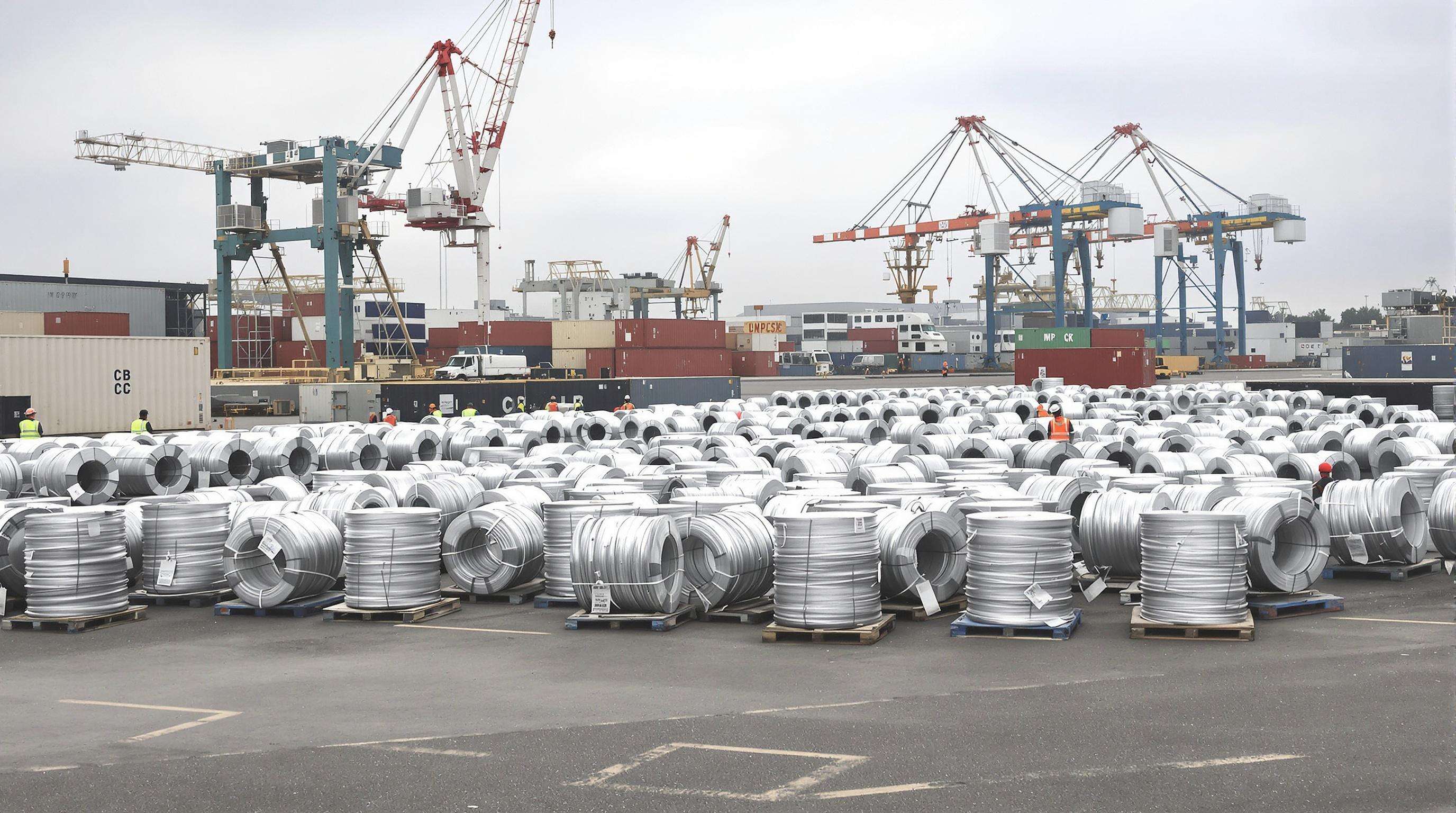
Shipping yard with aluminum cable spools being prepared for export, workers and cranes in view

As countries around the world push harder toward clean energy sources, there's been a huge spike in need for lighter power cables lately. Aluminum alloys have become pretty much the go-to choice for this stuff. According to recent data from IEA (2025), about two thirds of all large scale solar installations these days are going with aluminum conductors because they weigh roughly 40 to 50 percent less than alternatives. Makes sense when looking at ambitious goals like India aiming for 500 gigawatts of renewables by 2030 or Saudi Arabia's plan to get 58.7 gigawatts from solar power. These kinds of targets mean governments need transmission systems that won't break the bank while still being able to handle massive amounts of electricity over long distances.

Rising Solar Energy Targets Driving Aluminum Wire Demand

Chinese aluminum wire and cable exports jumped nearly 47% from February to March 2025, hitting around 22,500 metric tons last month, per the latest Renewable Energy Materials Report. The spike makes sense when looking at global solar trends too there are now over 350 gigawatts installed each year worldwide, and switching to aluminum saves about two cents per watt on big solar farms. According to forecasts from the International Energy Agency, most solar farms will be wired with aluminum conductors by 2030. This seems likely given how countries in development are pushing forward with their grid expansions so quickly these days.

Key Export Markets: Middle East, India, Southeast Asia, and Latin America

Four regions lead in aluminum cable adoption:

  • Middle East: UAE’s 2 GW Al Dhafra Solar Project uses aluminum to resist sand corrosion
  • India: National Solar Mission mandates aluminum conductors in 80% of grid-connected PV systems
  • Southeast Asia: Vietnam’s Ninh Thuan solar cluster saved $8.7 million using aluminum wiring
  • Latin America: Chile’s Atacama Desert projects leverage aluminum’s UV resistance for 30-year service

Africa’s electrification push—targeting 300 million new connections by 2030—now represents 22% of China’s aluminum cable exports.

Policy Incentives and Industry Shifts Favoring Lightweight Solutions

Government policies are accelerating aluminum adoption through:

  1. Tax rebates for projects using aluminum (e.g., Brazil’s Pro-Solar program)
  2. Material substitution mandates in building codes (India’s 2024 Power Grid Amendment)
  3. Logistics subsidies covering 15–20% of shipping costs for lightweight components

These incentives amplify aluminum’s inherent 60% cost advantage, fueling a $12.8 billion export market for alloy power cables by 2027 (Global Market Insights 2025). Industry leaders increasingly adopt AA-8000 series alloys, which achieve 61% IACS conductivity—effectively closing the performance gap with copper.

The Future of Copper-to-Aluminum Substitution in Renewable Energy

Industry Adoption Trends in Solar vs. Traditional Utility Transmission

The solar industry has been switching to aluminum alloy conductors at about three times the rate seen in conventional power systems lately. This shift makes sense when we look at materials shortages and how fast installations need to happen. According to some recent studies from the University of Michigan (2023), photovoltaic setups actually need between 2.5 and 7 times as much conductive metal for each megawatt compared to what fossil fuel plants require. Looking ahead, the 2024 specs for exporting solar equipment show that these lighter weight cables account for nearly 8 out of 10 parts in the balance of system components. What makes aluminum so attractive is how well it works with modular design approaches, which speeds things up considerably. Traditional grid systems still stick with copper though, mostly because people keep believing old reliability myths about the material despite newer alternatives being available.

Modular Design and Scalability: Advantages for Export-Focused Projects

The flexible nature of aluminum makes it possible to create prefabricated cable reels that really shorten on site assembly times, probably around 40% less work needed compared to traditional methods. For exporters, there's another big plus point here. Shipping containers can hold about 30% more aluminum cables than copper ones, which is why this material works so well in places like parts of Southeast Asia where ports just don't have much space or capacity. Contractors working on international projects find these kinds of solutions invaluable when dealing with those super tight deadline situations. And despite all these advantages, the conductivity remains pretty close to standard levels at roughly 99.6% for mid voltage solar installations too.

Market Growth Projections for Aluminum Stranded Wire Exports

The global market for aluminum-stranded solar cables seems set to expand rapidly, growing at around 14.8% annually until 2030 and beating copper adoption by roughly three to one. The biggest changes are happening in developing economies. After India reformed its solar tariffs in 2022, aluminum cable imports there jumped nearly 210%, while in Brazil most utility companies now go with aluminum for almost all their new small-scale power projects these days. To keep up with this demand, factory owners across the world are pouring about $2.1 billion into expanding production lines for AA-8000 alloy cables. These special cables meet the needs of solar farms that want lighter materials which won't corrode easily when transmitting electricity over long distances.

FAQ

Why are lightweight power cables important for solar farm exports?

Lightweight power cables, especially those made from aluminum alloys, are important for solar farm exports because they reduce installation and logistics costs. Aluminum cables weigh less than copper ones, enabling more efficient transport and installation, which is crucial for large-scale projects.

How do aluminum cables compare performance-wise with copper cables?

While pure aluminum has lower conductivity than copper, modern aluminum alloys have improved significantly in terms of conductivity and strength. Aluminum alloys can maintain a conductivity close to copper and, thanks to advanced alloying techniques, achieve high durability and flexibility, making them ideal for solar power transmission.

What regions are adopting aluminum cables, and why?

Regions like the Middle East, India, Southeast Asia, and Latin America are adopting aluminum cables mainly because of their cost-effectiveness, lightweight nature, and ability to handle harsh environmental conditions. These regions have ambitious solar energy targets, making aluminum a preferred choice for grid expansion projects.

View More
How to Choose CCA Wire for Power Cables and Conductors

25

Dec

How to Choose CCA Wire for Power Cables and Conductors

What Is CCA Wire? Composition, Electrical Performance, and Key Trade-Offs

What Is CCA Wire? Composition, Electrical Performance, and Key Trade-Offs

Copper-clad aluminum structure: Layer thickness, bonding integrity, and IACS conductivity (60␗70% of pure copper)

Copper Clad Aluminum or CCA wire basically has an aluminum center covered with a thin copper coating that makes up around 10 to 15 percent of the overall cross section. The idea behind this combination is simple really it tries to get the best of both worlds lightweight and affordable aluminum plus the good conductivity properties of copper on the surface. But there's a catch. If the bond between these metals isn't strong enough, tiny gaps can form at the interface. These gaps tend to oxidize over time and can boost electrical resistance by as much as 55% compared to regular copper wires. When looking at actual performance numbers, CCA typically reaches about 60 to 70% of what's called the International Annealed Copper Standard for conductivity because aluminum just doesn't conduct electricity as well as copper does throughout its entire volume. Because of this lower conductivity, engineers need to use thicker wires when working with CCA to handle the same amount of current as copper would. This requirement pretty much cancels out most of the weight and material cost benefits that made CCA attractive in the first place.

Thermal limitations: Resistive heating, ampacity derating, and impact on continuous load capacity

The increased resistance of CCA leads to more significant Joule heating when carrying electrical loads. When ambient temperatures reach around 30 degrees Celsius, the National Electrical Code requires reducing the current capacity of these conductors by approximately 15 to 20 percent compared to similar copper wires. This adjustment helps prevent insulation and connection points from overheating beyond safe limits. For regular branch circuits, this means about a quarter to third less continuous load capacity available for actual use. If systems run consistently above 70% of their maximum rating, the aluminum tends to soften through a process called annealing. This weakening affects the conductor's core strength and can damage connections at terminations. The problem gets worse in tight spaces where heat simply cannot escape properly. As these materials degrade over months and years, they create dangerous hot spots throughout installations, which ultimately threatens both safety standards and reliable performance in electrical systems.

Where CCA Wire Falls Short in Power Applications

POE deployments: Voltage drop, thermal runaway, and non-compliance with IEEE 802.3bt Class 5/6 power delivery

CCA wire just doesn't work well with today's Power over Ethernet (PoE) systems, especially those following the IEEE 802.3bt standards for Classes 5 and 6 that can deliver up to 90 watts. The problem comes down to resistance levels that are about 55 to 60 percent higher than what we need. This creates serious voltage drops along regular cable lengths, making it impossible to maintain the stable 48-57 volts DC needed at devices on the other end. What happens next is pretty bad too. The extra resistance generates heat, which makes things worse because hotter cables resist even more, creating this vicious cycle where temperatures keep climbing dangerously high. These issues run afoul of NEC Article 800 safety rules as well as the IEEE specifications. Equipment might stop working altogether, important data could get corrupted, or worst case scenario, components suffer permanent damage when they don't receive enough power.

Long runs and high-current circuits: Exceeding NEC 3% voltage drop threshold and Article 310.15(B)(1) ampacity derating requirements

Cable runs longer than 50 meters often push CCA past the NEC's 3% voltage drop limit for branch circuits. This creates problems like inefficient equipment operation, early failures in sensitive electronics, and all sorts of performance issues. At current levels above 10 amps, CCA needs serious ampacity reductions according to NEC 310.15(B)(1). Why? Because aluminum just doesn't handle heat as well as copper does. Its melting point is around 660 degrees Celsius compared to copper's much higher 1085 degrees. Trying to fix this by oversizing the conductors basically cancels out any cost savings from using CCA in the first place. Real world data tells another story too. Installations with CCA tend to have about 40% more thermal stress incidents compared to regular copper wiring. And when these stress events happen inside tight conduit spaces, they create a real fire hazard that nobody wants.

Safety and Compliance Risks of Misapplied CCA Wire

Oxidation at terminations, cold flow under pressure, and NEC 110.14(A) connection reliability failures

When the aluminum core inside CCA wire gets exposed at connection points, it starts oxidizing pretty quickly. This creates a layer of aluminum oxide that has high resistance and can raise localized temperatures by around 30%. What happens next is even worse for reliability issues. When those terminal screws apply constant pressure over time, the aluminum actually flows out cold from the contact areas, making connections gradually loosen. This violates code requirements like NEC 110.14(A) that specify secure, low resistance joints for permanent installations. The heat generated through this process leads to arc faults and breaks down insulation materials, something we see frequently mentioned in NFPA 921 investigations about fire causes. For circuits handling more than 20 amps, problems with CCA wires show up about five times quicker compared to regular copper wiring. And here's what makes it dangerous - these failures often develop silently, giving no obvious signs during normal inspections until serious damage occurs.

Key failure mechanisms include:

  • Galvanic corrosion at copper␗aluminum interfaces
  • Creep deformation under sustained pressure
  • Increased contact resistance, rising over 25% after repeated thermal cycling

Proper mitigation requires antioxidant compounds and torque-controlled terminals specifically listed for aluminum conductors␔measures rarely applied in practice with CCA wire.

How to Select CCA Wire Responsibly: Application Fit, Certifications, and Total Cost Analysis

Valid use cases: Control wiring, transformers, and low-power auxiliary circuits ␔ not branch circuit conductors

CCA wire can be used responsibly in low-power, low-current applications where thermal and voltage-drop constraints are minimal. These include:

  • Control wiring for relays, sensors, and PLC I/O
  • Transformer secondary windings
  • Auxiliary circuits operating below 20A and 30% continuous load

CCA wiring shouldn't go into circuits that power outlets, lights, or any standard electrical loads around the building. The National Electrical Code, specifically Article 310, bans its use in 15 to 20 amp circuits because there have been real issues with things getting too hot, voltage fluctuations, and connections failing over time. When it comes to situations where CCA is allowed, engineers need to check that the voltage doesn't drop more than 3% along the line. They also have to make sure all connections meet the standards laid out in NEC 110.14(A). These specs are pretty tough to hit without special equipment and proper installation techniques most contractors aren't familiar with.

Certification verification: UL 44, UL 83, and CSA C22.2 No. 77 ␔ why listing matters more than labeling

Third-party certification is essential␔not optional␔for any CCA conductor. Always verify active listing against recognized standards:

Standard Scope Critical Test
UL 44 Thermoset-insulated wire Flame resistance, dielectric strength
UL 83 Thermoplastic-insulated wire Deformation resistance at 121°C
CSA C22.2 No. 77 Thermoplastic-insulated conductors Cold bend, tensile strength

Listing in the UL Online Certifications Directory confirms independent validation␔unlike unverified manufacturer labels. Non-listed CCA fails ASTM B566 adhesion testing seven times more frequently than certified product, directly increasing oxidation risk at terminations. Before specifying or installing, confirm the exact certification number matches an active, published listing.

View More

Customer Feedback on CCAA Tinned Wire

John Smith
Exceptional Quality and Service

We have been using Litong Cable's CCAA tinned wire for our aerospace projects, and the quality has been outstanding. Their customer service is also top-notch, always ready to assist us with our needs.

Sarah Johnson
Reliable Partner for Automotive Solutions

Litong Cable's CCAA tinned wire has significantly improved our production line efficiency. The product's reliability has reduced our downtime, and we couldn't be happier with the results.

Get a Free Quote

Our representative will contact you soon.
Email
Name
Company Name
Message
0/1000
 Superior Corrosion Resistance

Superior Corrosion Resistance

One of the standout features of our CCAA tinned wire is its exceptional corrosion resistance. The tinning process creates a protective layer that shields the wire from environmental factors that can lead to degradation over time. This quality is particularly beneficial in industries such as aerospace and renewable energy, where exposure to harsh conditions is common. By choosing our tinned wire, clients can expect reduced maintenance costs and increased longevity of their electrical systems. This unique advantage positions our product as a reliable choice for applications where performance and durability are paramount.
Enhanced Conductivity for Optimal Performance

Enhanced Conductivity for Optimal Performance

The CCAA tinned wire is designed to deliver superior electrical conductivity, which is crucial for efficient energy transfer in various applications. The tin layer not only protects the wire but also enhances its conductive properties, ensuring minimal resistance and maximum efficiency. This feature is especially important in high-performance sectors such as automotive and telecommunications, where even slight losses in conductivity can lead to significant performance issues. Our commitment to quality ensures that clients receive a product that meets their high standards and operational requirements.
  • Product Consultation & Selection

    Product Consultation & Selection

    Tailored advice, perfect fit solutions.

  • Production & Supply Chain

    Production & Supply Chain

    Efficient manufacturing, seamless supply.

  • Quality Assurance & Certification

    Quality Assurance & Certification

    Rigorous testing, global certifications.

  • Post-Sales Support & Tech Help

    Post-Sales Support & Tech Help

    Prompt assistance, ongoing support.

Get a Free Quote

Our representative will contact you soon.
Name
Email
Mobile
Country/Region
Title
Message
0/1000