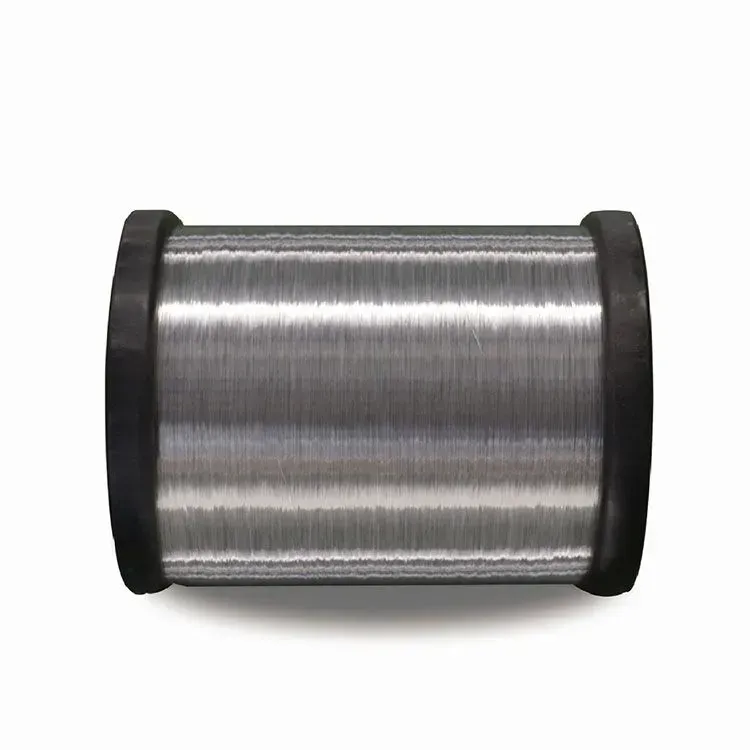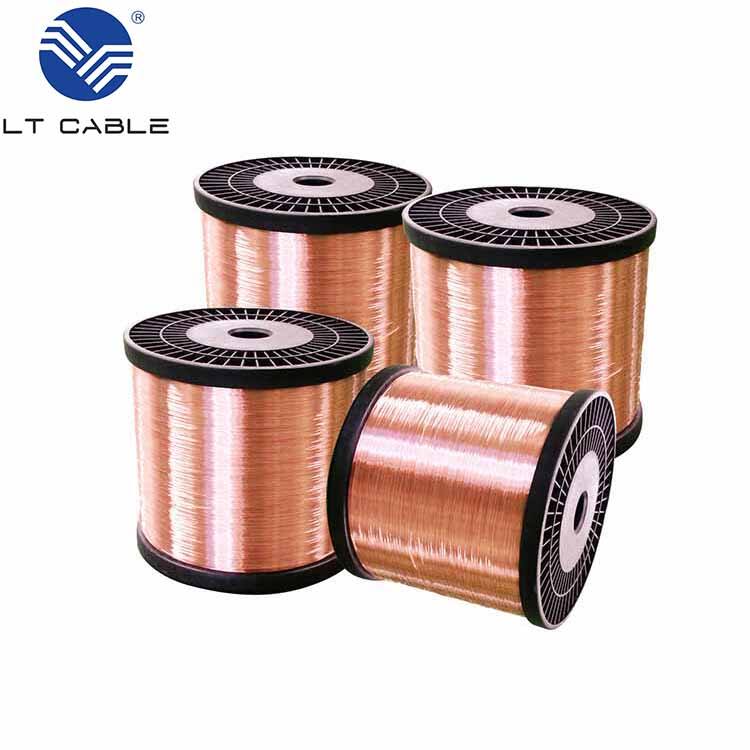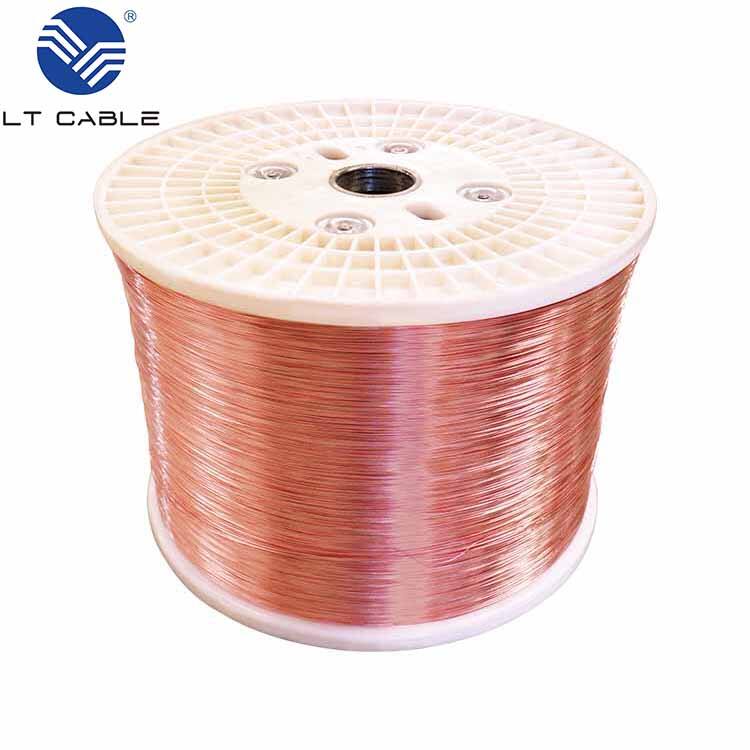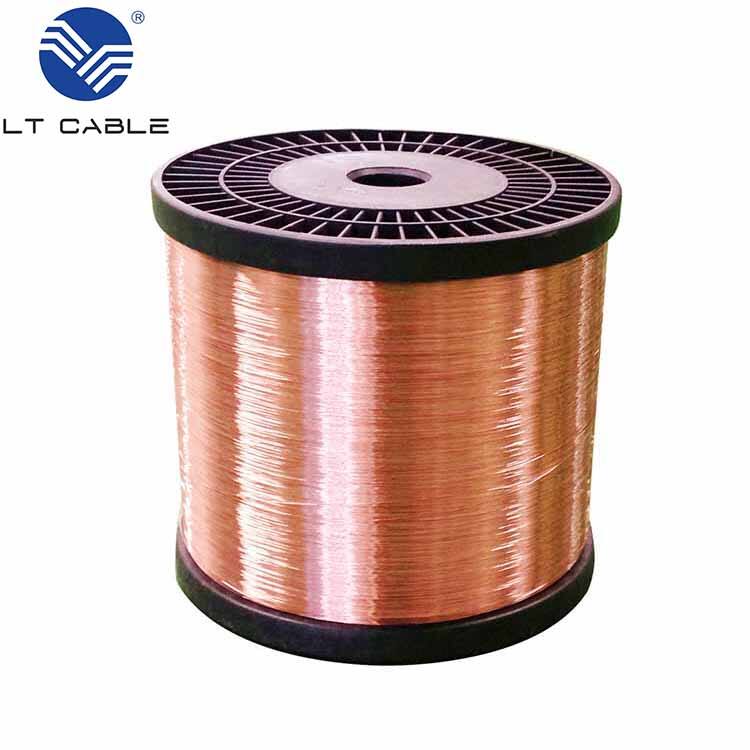
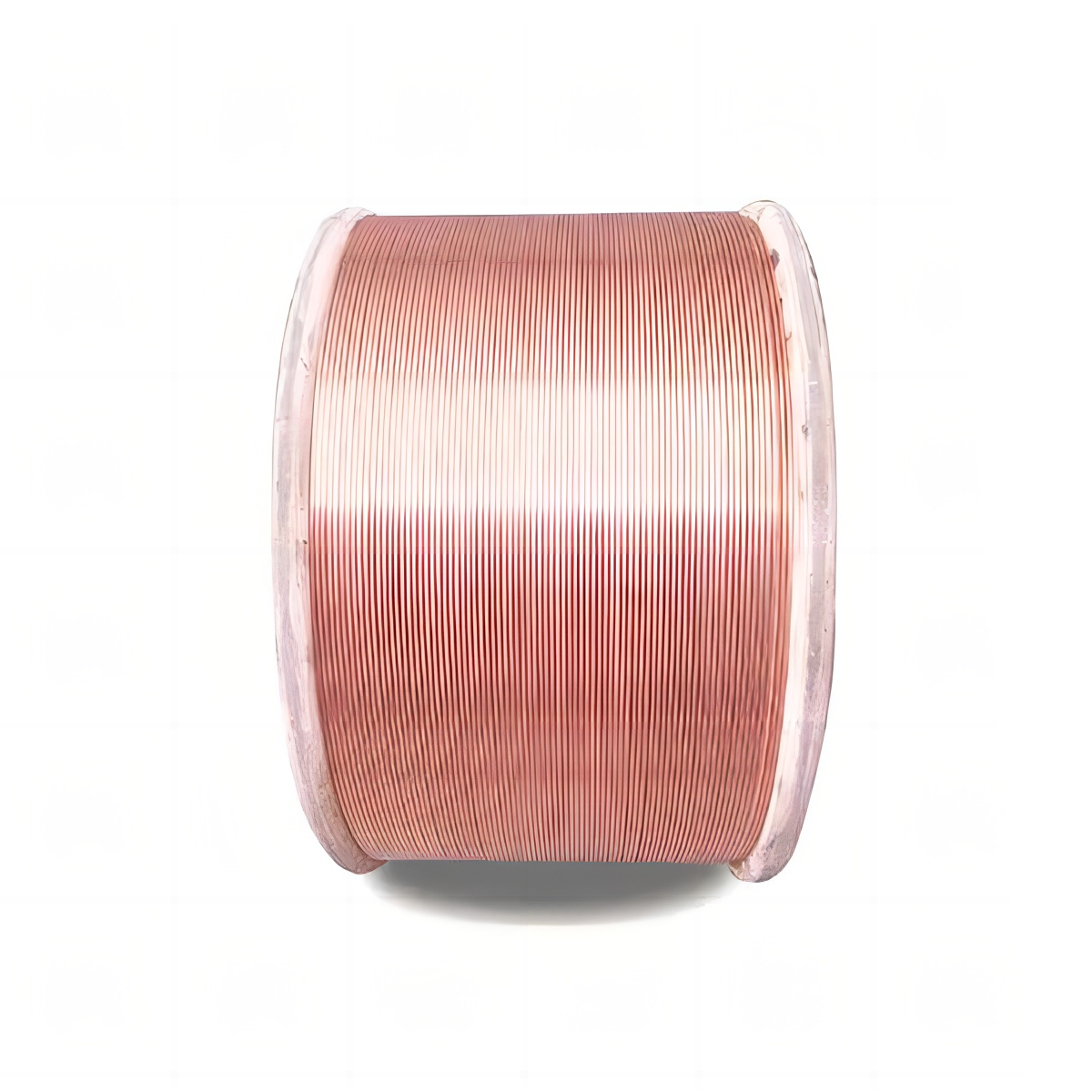
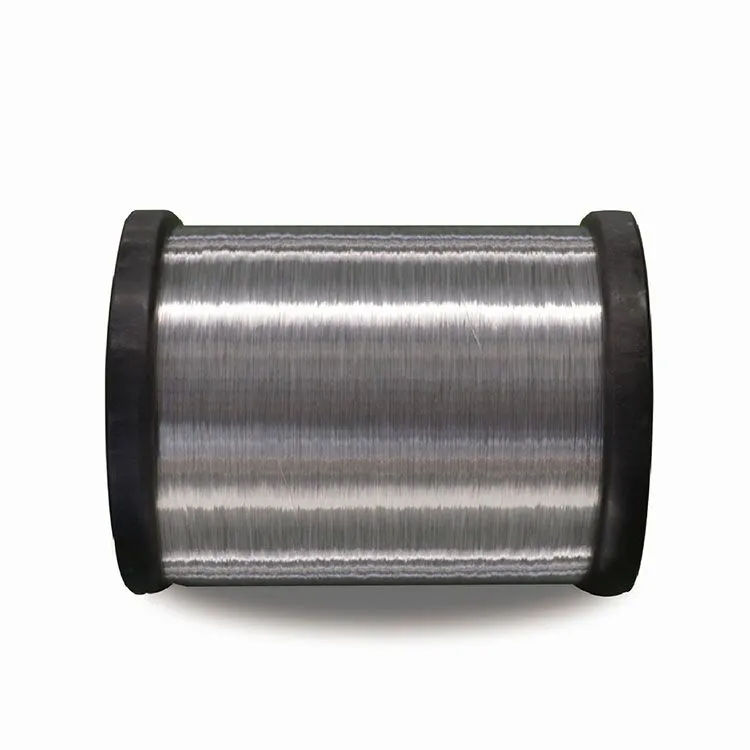
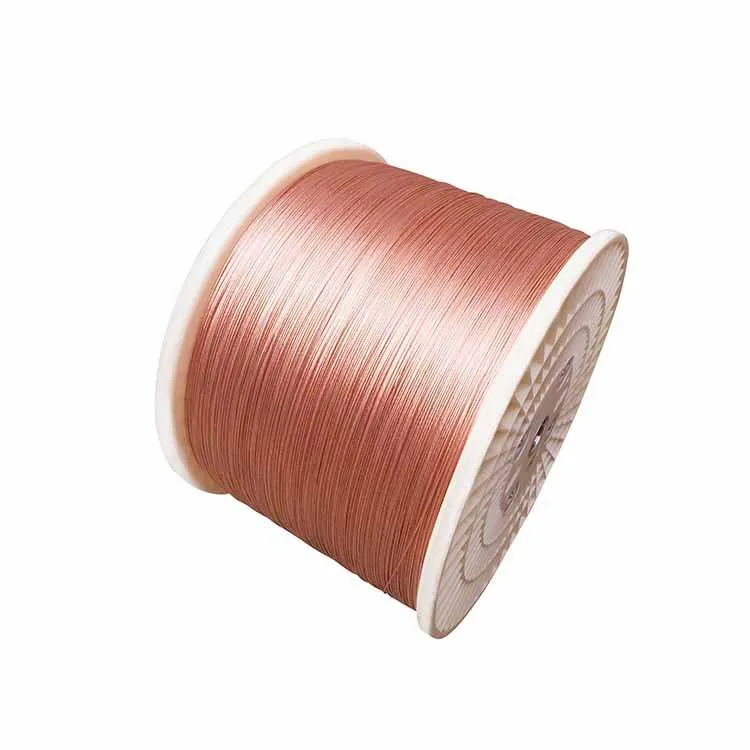
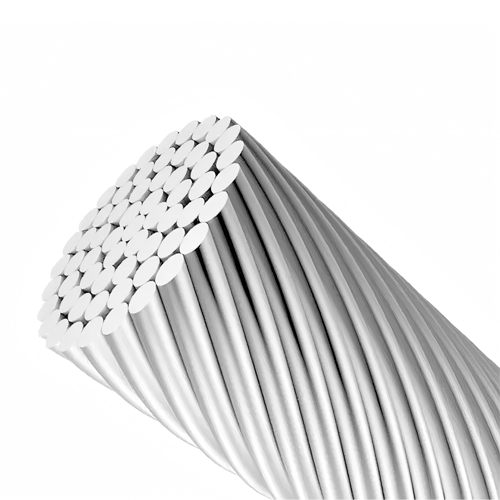
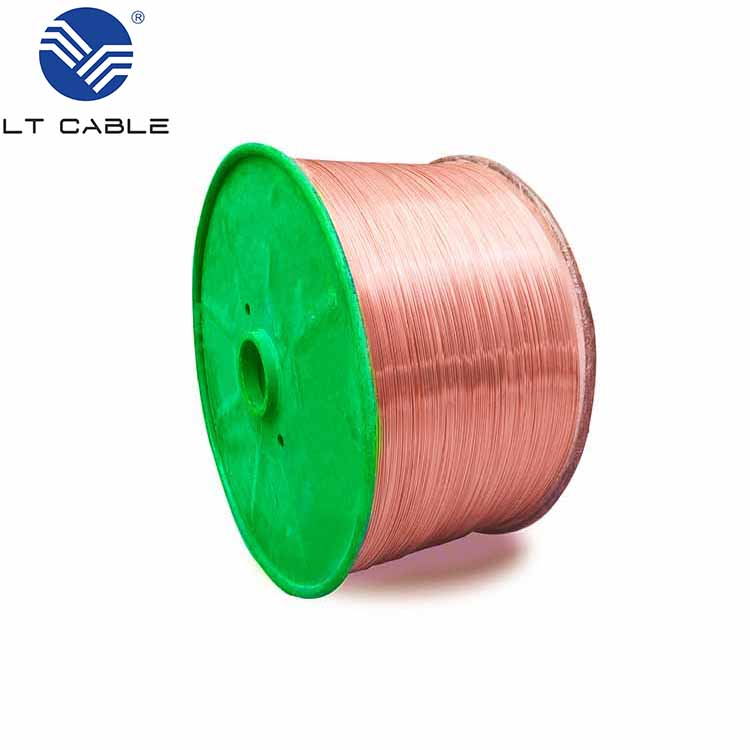
CCAA Stranded Tinned Wire: Corrosion-Resistant & Flexible

Get a Free Quote

Our representative will contact you soon.
Name
Email
Mobile
Country/Region
Choose the product you want
Message
0/1000
Unmatched Quality and Reliability of CCAA Stranded Tinned Wire

Unmatched Quality and Reliability of CCAA Stranded Tinned Wire

CCAA stranded tinned wire is designed to meet the highest standards in electrical applications. Our advanced production techniques ensure that every strand is tinned to perfection, enhancing conductivity and resistance to corrosion. The stranded construction provides flexibility, making it ideal for various installations. With stringent quality control measures, we guarantee the durability and performance of our products, ensuring they meet the demands of international markets. Our commitment to quality ensures that CCAA stranded tinned wire stands out as a reliable choice for customers seeking superior performance in their electrical projects.
Get A Quote

Case Studies

Successful Implementation of CCAA Stranded Tinned Wire in Marine Applications

A leading marine equipment manufacturer faced challenges with corrosion in their electrical systems. They turned to our CCAA stranded tinned wire to enhance the reliability of their products. The tinned coating provided excellent protection against saltwater, significantly extending the lifespan of their electrical systems. As a result, the manufacturer reported a 30% reduction in maintenance costs and improved customer satisfaction due to the enhanced durability of their equipment. This case highlights the effectiveness of our stranded tinned wire in harsh environments.

Enhancing Performance in Renewable Energy Systems with CCAA Stranded Tinned Wire

A solar panel manufacturer sought a solution to improve the electrical connections in their products. By integrating our CCAA stranded tinned wire, they achieved superior conductivity and flexibility, which are critical for solar applications. The tinned wire's resistance to environmental factors ensured long-lasting performance, leading to a 15% increase in energy efficiency. The manufacturer praised the wire's reliability, stating that it has become their preferred choice for future projects.

CCAA Stranded Tinned Wire in Automotive Wiring Harnesses

An automotive company was looking for a lightweight and flexible wiring solution for their latest vehicle model. They chose our CCAA stranded tinned wire for its excellent conductivity and flexibility. The stranded design allowed for easier routing within the tight spaces of the vehicle, while the tinned coating prevented corrosion, ensuring reliable performance over time. The successful integration of our wire led to a notable improvement in the vehicle's electrical system, making it a key component in their design.

Related products

CCAA stranded tinned wire consists of top quality stranded wire tinned in house. This wire is one of the best stranded wires for a variety of uses across the electrical applications spectrum. This is because it is extremely durable. Quality control starts at the beginning of the process with our selecting of high quality raw materials. As well, our production lines are completely automated. This allows consistency across the production lines. In addition, the management team provides oversight for every step: wire drawing, annealing, and all the other steps in between. Each strand is put through a meticulous tinning process. This enhances the wire's electrical conductivity and protects it against corrosion, which makes the wire suitable for indoor, outdoor, and even marine environments. Since the wire is stranded, it is very flexible and is easy to handle and install. The wires can be used across a number of applications including renewable energy, marine, and automotive, all while providing custom solutions to our customers.

Frequently Asked Questions About CCAA Stranded Tinned Wire

What are the main advantages of using CCAA stranded tinned wire?

CCAA stranded tinned wire offers superior conductivity and corrosion resistance due to its tinned coating. The stranded design provides flexibility, making it ideal for various applications, including marine and automotive. Additionally, our rigorous quality control ensures that every wire meets high performance standards, making it a reliable choice for demanding environments.
The tinned coating significantly enhances the wire’s resistance to corrosion, especially in harsh environments. This is particularly important for applications exposed to moisture or saltwater, as it prolongs the lifespan of the wire and maintains its conductivity over time. This feature is crucial for industries such as marine and renewable energy.

Related article

CCA Wire Quality Checklist: Copper Thickness, Adhesion, and Tests

22

Jan

CCA Wire Quality Checklist: Copper Thickness, Adhesion, and Tests

Copper Cladding Thickness: Standards, Measurement, and Electrical Impact

ASTM B566 and IEC 61238 Compliance: Minimum Thickness Requirements for Reliable CCA Wire

The international standards out there actually set what counts as the minimum thickness for copper cladding on those CCA wires that need to perform well and stay safe. ASTM B566 says we need at least 10% copper volume, whereas IEC 61238 wants them to check the cross sections during manufacturing just to be sure everything meets specs. These rules really stop people from cutting corners. Some studies back this up too. When the cladding gets below 0.025 mm thick, resistance goes up around 18%, according to a paper published in the Journal of Electrical Materials last year. And let's not forget about oxidation issues either. Poor quality cladding speeds up oxidation processes significantly, which means thermal runaways happen about 47% quicker when dealing with high current situations. That kind of performance degradation can cause serious problems down the line for electrical systems relying on these materials.

Measurement Method Accuracy Field Deployment Copper Volume Loss Detection
Cross-Sectional ±0.001mm Laboratory Only All levels
Eddy Current ±0.005mm Portable Units >0.3% deviations

Eddy Current vs. Cross-Sectional Microscopy: Accuracy, Speed, and Field Applicability

Eddy current testing allows quick thickness checks right at the site, giving results within about 30 seconds. This makes it great for verifying things while installing equipment in the field. But when it comes to official certification, cross-sectional microscopy is still king. Microscopy can spot those tiny details like micro-scale thinning spots and interface problems that eddy current sensors just miss. Techs often turn to eddy current for fast yes/no answers on the spot, but manufacturers need the microscopy reports to check if whole batches are consistent. Some thermal cycling tests have shown that parts checked through microscopy last almost three times longer before their cladding fails, which really highlights why this method matters so much for making sure products are reliable long term.

How Sub-Standard Cladding (>0.8% Cu Volume Loss) Drives DC Resistance Unbalance and Signal Degradation

When copper volume drops below 0.8%, we start seeing a sharp increase in DC resistance imbalance. For every extra 0.1% loss in copper content, resistivity jumps somewhere between 3 to 5 percent according to findings from the IEEE Conductor Reliability Study. The resulting imbalance messes with signal quality in several ways at once. First comes current crowding right where copper meets aluminum. Then there are these hot spots forming locally that can get as high as 85 degrees Celsius. And finally, harmonic distortions creep in above the 1 MHz mark. These problems really add up in data transmission systems. Packet losses climb past 12% when systems run continuously under load, which is way higher than what the industry considers acceptable - typically around just 0.5%.

Copper–Aluminum Adhesion Integrity: Preventing Delamination in Real-World Installations

Root Causes: Oxidation, Rolling Defects, and Thermal Cycling Stress on the Bond Interface

Delamination issues in copper clad aluminum (CCA) wire typically stem from several different problems. First off, when manufacturing happens, surface oxidation creates these non-conductive aluminum oxide layers on top of everything else. This basically weakens how well the materials stick together, sometimes cutting bond strength down by around 40%. Then there's what happens during rolling processes. Sometimes tiny voids form or pressure gets applied unevenly across the material. These little flaws become stress points where cracks start forming when any kind of mechanical force is applied. But probably the biggest issue comes from temperature changes over time. Aluminum and copper expand at very different rates when heated. Specifically, aluminum expands roughly half again as much as copper does. This difference creates shear stresses at their interface that can reach over 25 MPa. Real world tests show that even after only about 100 cycles between freezing temperatures (-20°C) and hot conditions (+85°C), the adhesion strength drops by about 30% in lower quality products. This becomes a serious concern for applications like solar farms and automotive systems where reliability matters most.

Validated Testing Protocols—Peel, Bend, and Thermal Cycling—for Consistent CCA Wire Adhesion

Good quality control really hinges on proper mechanical testing standards. Take the 90 degree peel test mentioned in ASTM D903 standards. This measures how strong the bond is between materials by looking at force applied across a certain width. Most certified CCA wires hit above 1.5 Newtons per millimeter during these tests. When it comes to bend testing, manufacturers wrap sample wires around mandrels at minus 15 degrees Celsius to see if they crack or separate at the interface points. Another key test involves thermal cycling where samples go through about 500 cycles from minus 40 to plus 105 degrees Celsius while being examined under infrared microscopes. This helps catch early signs of delamination that regular inspection might miss. All these different tests work together to prevent problems down the road. Wires that aren't properly bonded tend to show over 3% imbalance in their direct current resistance once they've been subjected to all that heat stress.

Field Identification of Genuine CCA Wire: Avoiding Counterfeits and Mislabeling

Visual, Scraping, and Density Checks to Differentiate True CCA Wire from Copper-Plated Aluminum

Real Copper-Clad Aluminum (CCA) wires have certain features that can be checked on site. To start with, look for the "CCA" marking right on the outside of the cable as specified in NEC Article 310.14. Counterfeit stuff usually skips this important detail entirely. Then try a simple scratch test. Strip back the insulation and gently rub the conductor surface. Authentic CCA should show a solid copper coating covering a shiny aluminum center. If it starts peeling, changes color, or reveals bare metal underneath, chances are good it's not genuine. Lastly, there's the weight factor. CCA cables are significantly lighter than regular copper ones because aluminum just isn't as dense (about 2.7 grams per cubic centimeter compared to copper's 8.9). Anyone working with these materials can feel the difference pretty quickly when holding similar sized pieces side by side.

Why Burn and Scratch Tests Are Unreliable—and What to Use Instead

Open-flame burn and aggressive scratch tests are scientifically unsound and physically damaging. Flame exposure oxidizes both metals indiscriminately, while scratching cannot assess metallurgical bond quality—only surface appearance. Instead, use validated nondestructive alternatives:

  • Eddy current testing, which measures conductivity gradients without compromising insulation
  • DC loop resistance verification using calibrated micro-ohmmeters, flagging deviations >5% per ASTM B193
  • Digital XRF analyzers, delivering rapid, non-invasive elemental composition confirmation
    These methods reliably detect substandard conductors prone to resistance unbalance >0.8%, preventing voltage drop issues in communication and low-voltage circuits.

Electrical Verification: DC Resistance Unbalance as a Key Indicator of CCA Wire Quality

When there's too much DC resistance imbalance, it's basically the clearest sign something's wrong with CCA wire. Aluminum naturally has about 55% more resistance than copper does, so whenever the actual copper area gets reduced because of thin coatings or bad bonds between metals, we start seeing real differences in how each conductor performs. These differences mess up signals, waste power, and create serious problems for Power over Ethernet setups where small voltage losses can actually shut down devices completely. Standard visual inspections just don't cut it here. What matters most is measuring DC resistance imbalance according to those TIA-568 guidelines. Experience shows that when imbalance goes over 3%, things tend to go south fast in big current systems. That's why factories need to test this parameter thoroughly before shipping out any CCA wire. Doing so keeps equipment running smoothly, avoids dangerous situations, and saves everyone from having to deal with expensive fixes later on.
View More
Copper-Clad Aluminum Wire: Why CCA Is Popular in Cable Industry

22

Jan

Copper-Clad Aluminum Wire: Why CCA Is Popular in Cable Industry

What Is Copper-Clad Aluminum Wire? Structure, Manufacturing, and Key Specifications

Metallurgical Design: Aluminum Core with Electroplated or Rolled Copper Cladding

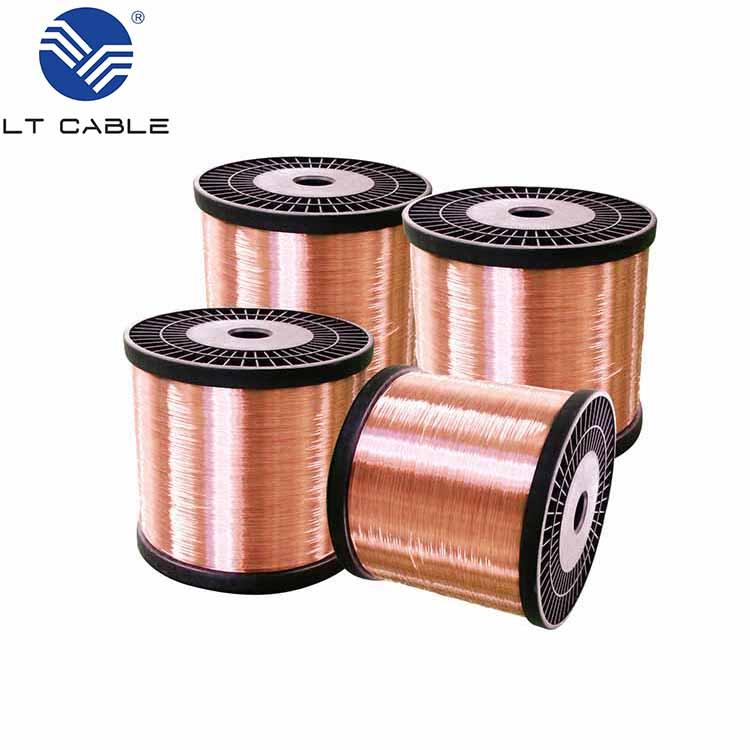
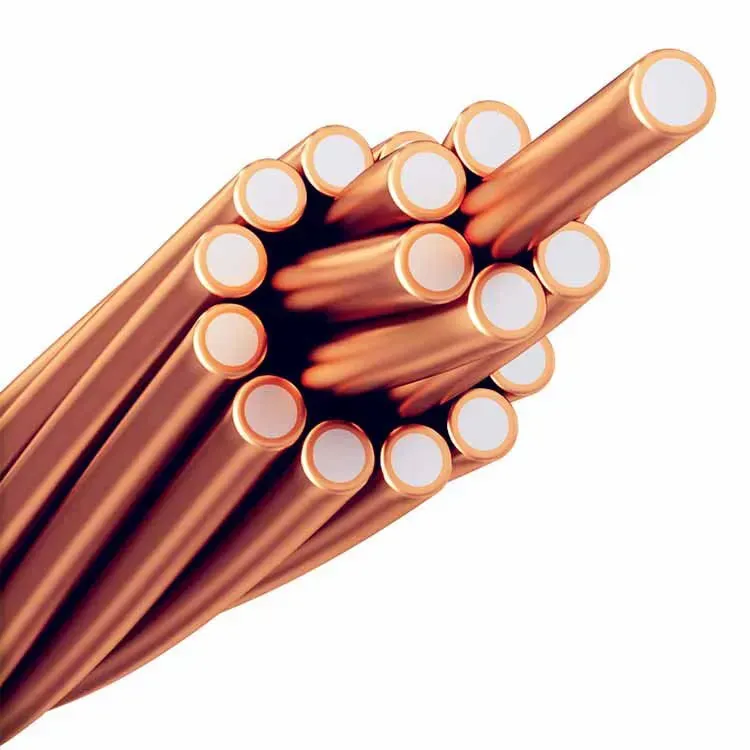
Copper clad aluminum wire, or CCA for short, basically has an aluminum core wrapped in copper through processes like electroplating or cold rolling. What makes this combo so interesting is that it takes advantage of aluminum being way lighter than regular copper wires—about 60% less heavy actually—while still getting the good conductivity properties from copper plus better protection against oxidation. When making these wires, manufacturers start with high quality aluminum rods that get treated on the surface first before applying the copper coating, which helps everything stick together properly at a molecular level. How thick the copper layer is matters a lot too. Usually around 10 to maybe 15% of the total cross section area, this thin copper shell affects how well the wire conducts electricity, resists corrosion over time, and holds up mechanically when bent or stretched. The real benefit comes from preventing those pesky oxides from forming where connections meet, something pure aluminum struggles with badly. This means signals stay clean even during high speed data transfers without degradation issues.

Cladding Thickness Standards (e.g., 10%–15% by volume) and Impact on Ampacity and Flex Life

Industry standards—including ASTM B566—specify cladding volumes between 10% and 15% to optimize cost, performance, and reliability. Thinner cladding (10%) lowers material costs but limits high-frequency efficiency due to skin effect constraints; thicker cladding (15%) improves ampacity by 8–12% and flex life by up to 30%, as confirmed by IEC 60228 comparative testing.

Cladding Thickness Ampacity Retention Flex Life (Cycles) High-Frequency Efficiency
10% by volume 85–90% 5,000–7,000 92% IACS
15% by volume 92–95% 7,000–9,000 97% IACS

When copper layers get thicker, they actually help cut down on galvanic corrosion problems at connection points, which is really important stuff if we're talking about installations in damp areas or near the coast where salt air hangs around. But there's a catch here. Once we go past that 15% mark, the whole point of using CCA starts to fade away because it loses its edge in terms of being lighter and cheaper compared to regular old solid copper. The right choice depends entirely on what exactly needs to be done. For things that stay put like buildings or permanent installations, going with around 10% copper coating works just fine most of the time. On the flip side, when dealing with moving parts such as robots or machinery that gets shifted around regularly, folks tend to bump up to 15% cladding since it stands up better to repeated stress and wear over long periods.

Why Copper-Clad Aluminum Wire Delivers Optimal Value: Cost, Weight, and Conductivity Trade-Offs

30–40% Lower Material Cost vs. Pure Copper—Validated by 2023 ICPC Benchmark Data

According to the latest ICPC Benchmark numbers from 2023, CCA cuts down on conductor material expenses by around 30 to 40 percent when compared to regular solid copper wiring. Why? Well, aluminum just costs less at the market level, and manufacturers have really tight control over how much copper gets used in the cladding process. We're talking about only 10 to 15% copper content in these conductors overall. These cost savings make a big difference for expanding infrastructure projects while still keeping those safety standards intact. The impact is especially noticeable in high volume scenarios such as running the main cables through massive data centers or setting up extensive telecom network distributions across cities.

40% Weight Reduction Enables Efficient Aerial Deployment and Reduces Structural Load in Long-Run Installations

CCA weighs about 40 percent less than copper wire of the same gauge, which makes installation much easier overall. When used for aerial applications, this lighter weight means less strain on utility poles and transmission towers something that adds up to thousands of kilograms saved across long distances. Real world testing has shown workers can save around 25% of their time because they're able to work with longer sections of cable using regular equipment instead of specialized tools. The fact that these cables are lighter during transport helps cut down on shipping expenses too. This opens up possibilities where weight matters a lot, like when installing cables on suspension bridges, inside old buildings that need preservation, or even in temporary structures for events and exhibitions.

92–97% IACS Conductivity: Leveraging Skin Effect for High-Frequency Performance in Data Cables

CCA cables hit around 92 to 97 percent IACS conductivity because they take advantage of something called the skin effect. Basically, when frequencies go above 1 MHz, electricity tends to stick to the outer layers of conductors rather than flowing through the whole thing. We see this in action across several applications like CAT6A Ethernet at 550 MHz speeds, 5G network backhauls, and connections between data centers. The copper coating carries most of the signal while the aluminum inside just gives structural strength. Tests have shown that these cables maintain less than 0.2 dB difference in signal loss over distances up to 100 meters, which is basically the same performance as regular solid copper wires. For companies dealing with massive data transfers where budget constraints matter or installation weight becomes an issue, CCA offers a smart compromise without sacrificing much on quality.

Copper-Clad Aluminum Wire in High-Growth Cable Applications

CAT6/6A Ethernet and FTTH Drop Cables: Where CCA Dominates Due to Bandwidth Efficiency and Bend Radius

CCA has become the go to conductor material for most CAT6/6A Ethernet cables and FTTH drop applications these days. Weighing in at about 40% less than alternatives, it really helps when running cables both outdoors on poles and indoors where space matters. The conductivity levels sit between 92% and 97% IACS which means these cables can handle all the way up to 550 MHz bandwidth without issues. What's particularly useful is how flexible CCA naturally is. Installers can bend these cables pretty tightly, down to four times their actual diameter, without worrying about losing signal quality. This comes in handy when working around tight corners in existing buildings or squeezing through narrow wall spaces. And let's not forget the money aspect either. According to ICPC data from 2023, there are roughly 35% savings on materials costs alone. All these factors together explain why so many professionals are turning to CCA as their standard solution for dense network installations that need to last into the future.

Professional Audio and RF Coaxial Cables: Optimizing Skin Effect Without Premium Copper Costs

In professional audio and RF coaxial cables, CCA delivers broadcast-grade performance by aligning conductor design with electromagnetic physics. With 10–15% copper cladding by volume, it provides surface conductivity identical to solid copper above 1 MHz—ensuring fidelity in microphones, studio monitors, cellular repeaters, and satellite feeds. Critical RF parameters remain uncompromised:

Performance Metric CCA Performance Cost Advantage
Signal Attenuation ∼0.5 dB/m @ 2 GHz 30–40% lower
Velocity of Propagation 85%+ Equivalent to solid copper
Flex Cycle Endurance 5,000+ cycles 25% lighter than copper

By placing copper precisely where electrons travel, CCA eliminates the need for premium-priced solid copper conductors—without sacrificing performance in live sound, wireless infrastructure, or high-reliability RF systems.

Critical Considerations: Limitations and Best Practices for Copper-Clad Aluminum Wire Use

CCA definitely has some good economic advantages and makes sense logistically, but engineers need to think carefully before implementing it. The conductivity of CCA sits around 60 to 70 percent compared to solid copper, so voltage drops and heat buildup become real issues when working with power applications beyond basic 10G Ethernet or dealing with high current circuits. Because aluminum expands more than copper (about 1.3 times as much), proper installation means using torque controlled connectors and checking connections regularly in areas where temperature changes happen often. Otherwise those connections can loosen over time. Copper and aluminum don't play nice together either. Corrosion problems at their interface are well documented, which is why electrical codes now require applying antioxidant compounds wherever they connect. This helps stop the chemical reactions that degrade connections. When installations face humidity or corrosive environments, going with industrial grade insulation like cross linked polyethylene rated for at least 90 degrees Celsius becomes absolutely necessary. Bending cables too sharply beyond eight times their diameter creates tiny fractures in the outer layer, something best avoided altogether. For critical systems such as emergency power supplies or main data center links, many installers opt for a mixed strategy these days. They run CCA through distribution paths but switch back to solid copper for final connections, balancing cost savings with system reliability. And let's not forget recycling considerations. While CCA can technically be recycled through special separation methods, proper end of life handling still needs certified e waste facilities to manage materials responsibly according to environmental regulations.

View More
Stranded Wire for Marine Applications: Navigating Rough Waters

29

Nov

Stranded Wire for Marine Applications: Navigating Rough Waters

Ship Power System: Stranded wire is vital to the ship’s power system as it interlinks different electrical equipment in order to ensure the constant distribution of electrical energy. Its anti-corrosive property guarantees that it will be able to adequately offer excellent conductivity in the sea environment for an extended period of time.

Marine Wire Drawn Steel: Marine stranded wire drawn steel is used to link underwater oceans and monitoring equipment in the deep seas to facilitate the transmission of information to the surface and assist in the scientific studies of oceans.

Offshore Wind Power Generation: stranded wire is used to connect wind mills with the off shore wind power generation systems maintaining a steady and clean energy transmission.

image(de59ac20e0).png

LT CABLE: Your Expert in Marine Stranded Wire Solutions
As a leader in the field of wires and cables, LT CABLE is well aware of the stringent requirements of the marine environment for stranded wire products. Therefore, we are committed to the research and development and production of high-quality stranded wire products to meet the diverse needs of marine applications.

High Corrosion Resistant Stranded Wire: The stranded wire can maintain good corrosion resistance after a long-period of being placed in the ocean due to its high corrosion resistance owing to the use of alloy materials and the advanced application of sorts anti corrosion techniques. 

High-strength stranded wire: Special process applies to ensure high tensile strength which weary very little as it has been tested for fatigue, but because of very rough sea condition the process is able to be applied in with high accuracy ensuring that it does not wear off easily.

Customized stranded wire solutions: LT CABLE offers an entire range of custom stranded wire service which includes designing and manufacturing of stranded wire products with certain specifications or performance according to the requirements of the customers.

LT CABLE has nowadays commanded wide recognition and trust in the marine applications substitution market owing to the excellent stranded wire products and technical power the company possesses. The company is determined to enable battered customers in the deep sea to remain on course by supplying the best stranded wires available in the market.

View More
Professional R&D Teams Drive Next-Level Advancements in Flexible Cables

22

Mar

Professional R&D Teams Drive Next-Level Advancements in Flexible Cables

Material Innovations in Flexible Cable Technology

High-Performance Insulation Materials for Extreme Conditions

New developments in high performance insulation materials are cutting down on failures when exposed to really extreme temperatures and tough environmental conditions. We see these materials making a big difference in places like space travel equipment and underwater research vehicles, where wires need to handle brutal conditions while still working properly. Take aerospace for example the cables used there need special insulation because they face temperature swings from about minus 80 degrees Celsius all the way up to around 200 degrees Celsius. Industry research shows old school insulation materials fail about 15% of the time in those situations, which is why we need better options now. The whole point of these improved insulation techniques is to keep things running reliably and safely, so we don't end up with disasters in important systems where failure just isn't an option.

Enameled Wire Advancements in Heat Resistance

The role of enameled wires in making electric vehicles and renewable energy systems work better cannot be overstated. We've seen some major improvements lately in those heat resistant coatings that cover the wires. These new developments really extend how long the wires last while keeping them strong and conductive even when things get hot. Take a look at what's happening now: modern enameled wires can handle temperatures around 220 degrees Celsius compared to just 180 before. That matters a lot for EVs because all those parts inside run super hot during operation. Better temperature handling means we get more efficient power usage and components that stick around longer. Industry research shows these improvements actually cut down on failures too, which explains why manufacturers are increasingly turning to these advanced wires for their toughest applications where reliability counts most.

Stranded Wire Configurations for Enhanced Flexibility

Stranded wire setups really boost both flexibility and durability in all sorts of applications, which is why they beat out regular solid wires so often. The ability to bend and move around makes these wires absolutely essential in places like robotics and consumer electronics, where things are constantly on the move. Solid wires just can't handle all that action. Stranded wires are made up of lots of tiny strands twisted together, and this construction lets them take bends and twists without snapping. For robot manufacturers, this matters a lot since their creations need to perform complicated motions day after day without wires giving way. Industry professionals point out time and again that the extra flexibility from stranded wires leads to better performance overall and extends how long equipment lasts in demanding situations. That's probably why we see them everywhere now in our tech world.

Copper-Clad Aluminum (CCA) Wire Efficiency Breakthroughs

The latest breakthroughs in Copper-Clad Aluminum (CCA) wire tech aim to boost conductivity without adding extra weight. Basically, these wires combine copper's great conducting properties with aluminum's lightness, making them pretty impressive compared to traditional conductors. Telecom companies and power grid operators are already seeing real benefits from switching to CCA. Some field tests show that these wires cut down signal loss problems and actually save energy when used in telecom networks. The money saved on maintenance alone makes it worthwhile for many businesses. Plus, as more industries face pressure to go green, CCA offers an attractive option since it reduces material usage without sacrificing performance in applications where electrical infrastructure is critical.

Solid Wire vs Stranded Wire: Optimizing Conductivity

When it comes to choosing between solid and stranded wire, there's no one-size-fits-all answer since both have their pros and cons when it comes to conducting electricity efficiently. Solid wires generally conduct better because they're made from a single piece of metal, so there's less resistance to the flow of current. But when dealing with high voltage situations, most engineers go for stranded wires instead. Why? Because these wires bend easier and have more surface area which helps them stay cooler under load. From what we've seen in testing, solid wires work great in places where things don't move around much and maximum conductivity is needed. Stranded wires tend to be the winner in applications where movement happens regularly, think about robot arms or car wiring harnesses that get bent and twisted all day long. The bottom line is picking the right wire depends entirely on what the job requires. Get this wrong and systems can suffer from poor performance or even fail completely over time.

Nano-Coating Technologies for Corrosion Resistance

The latest developments in nano-coating tech are really changing how we protect conductive materials from corrosion. These coatings are super thin yet incredibly tough, which means they last much longer when materials face tough conditions. Think about all those parts working in salty ocean air or inside factories full of chemicals. Research shows these special coatings cut down on corrosion rates dramatically, creating a shield between metal surfaces and damaging stuff like seawater and factory fumes. Take marine cables for instance – putting them through real world tests showed they lasted around 30% longer than regular ones. That translates to fewer repairs and less money spent fixing things. With ongoing improvements in this field, manufacturers across different sectors are starting to see major benefits in their maintenance schedules and overall equipment longevity.

Liquid-Cooled Cable Systems for High-Power Applications

Liquid cooled cable systems are becoming increasingly important for handling heat issues in high power applications across various industries. The cooling mechanism built into these systems works really well at getting rid of excess heat, which stops components from overheating and actually makes the cables last longer. Take IT data centers for instance they generate massive amounts of heat because so many servers run non stop. Liquid cooling keeps things running smoothly at safe temperatures. Electric vehicle charging stations face similar problems when delivering rapid charges through high voltage connections. Real world testing shows that these cooled cables can handle much higher power loads while staying safe to touch and operate. As more companies push towards greener technologies, better thermal management is proving essential not just for performance but also for reliability in our ever growing tech driven world.

Smart Temperature Monitoring in Real-Time Operations

Temperature monitoring systems are becoming essential tools for avoiding equipment failures caused by overheating problems. When manufacturers integrate Internet of Things technology into their facilities, they get constant updates on temperature changes throughout their operations. This allows maintenance teams to spot warning signs early and fix problems before they cause major breakdowns. Many manufacturing plants have seen significant improvements after installing these smart monitoring setups. One factory in particular reported cutting down on unexpected shutdowns by almost half within six months of implementation. Industry reports indicate that companies using advanced temperature monitoring often save around 25-30% on repair bills while running their machines more efficiently. As industries continue to adopt smarter monitoring practices, we're seeing real world results that prove how valuable continuous temperature data can be for keeping production lines running smoothly across different sectors of manufacturing.

Heat-Resistant Polymer Blends for Safety

New developments in heat resistant polymer mixes are making flexible cables safer and performing better than ever before. These special materials really cut down on fire dangers while helping meet higher safety requirements across various sectors. The good news is they stand up well against intense heat so cables don't break down when exposed to extreme temperatures, which stops dangerous situations from happening. Manufacturing plants and construction sites where things get super hot rely heavily on these polymer blends because they just work so reliably day after day. Real world tests show that cables constructed with these advanced materials stay intact even when subjected to tough conditions, something that speaks volumes about how effective they actually are. Beyond just improving how cables function, this technological leap forward plays a big role in keeping workers safe in places where accidents could be catastrophic.

Eco-Friendly Materials in Cable Manufacturing

Cable makers are moving away from old-school materials toward greener options these days, trying to shrink their impact on the planet. Many are now working with recycled stuff like enameled wire and stranded wire instead of going for brand new raw materials all the time. This switch helps cut down on landfill waste and saves precious natural resources that would otherwise get used up. Some forward thinking companies have even begun experimenting with biodegradable components for certain products, something that fits right into the whole circular economy concept where nothing gets wasted. Those businesses that made the jump to eco practices saw their carbon numbers drop quite a bit last year according to industry reports, proving that going green isn't just good for the environment but makes business sense too when done properly.

Energy-Efficient Production Processes

Cable manufacturers are finding ways to save money while protecting the environment through energy efficient production methods. Most companies focus on tweaking their machines and adding new tech that actually cuts down on power usage throughout their entire operation. The numbers tell the story pretty clearly - businesses that switch to these green approaches see lower bills and often come out ahead against competitors in the marketplace. Some real world examples show impressive reductions in energy consumption, which makes sense when looking at how much electricity traditional manufacturing eats up. These improvements aren't just good for the bottom line either; they represent genuine progress toward making manufacturing more sustainable over time.

Recycling Technologies for Copper and Aluminum Recovery

New recycling tech is really boosting how much copper and aluminum we can get back from old cables these days. Manufacturers have started using some pretty clever methods to pull out valuable stuff from things like copper-clad aluminum wire and other copper recovery projects. This isn't just good for the planet either it actually saves money too. When companies recycle efficiently instead of digging up new raw materials, they spend less on production while saving energy at the same time. The numbers back this up nicely too recent data shows recovery rates hitting some pretty impressive marks across the industry, which means there's real potential for major improvements in how we conserve resources going forward.

View More

Customer Reviews on CCAA Stranded Tinned Wire

John Smith
Exceptional Quality and Performance

We have been using CCAA stranded tinned wire for our marine projects for over two years. The quality is exceptional, and we have seen a significant reduction in corrosion-related issues. Highly recommend!

Sarah Johnson
Reliable and Flexible Solution

The flexibility of CCAA stranded tinned wire made installation in our vehicles much easier. It performs excellently, and we are very satisfied with the results. Will continue using it!

Get a Free Quote

Our representative will contact you soon.
Email
Name
Company Name
Message
0/1000
Superior Corrosion Resistance of CCAA Stranded Tinned Wire

Superior Corrosion Resistance of CCAA Stranded Tinned Wire

One of the standout features of CCAA stranded tinned wire is its exceptional corrosion resistance. The tinned coating acts as a barrier against moisture and environmental contaminants, which is crucial for applications in marine and outdoor settings. This resistance ensures that the wire maintains its conductivity over time, reducing the need for frequent replacements and repairs. Customers have reported that using our tinned wire has significantly decreased maintenance costs and improved the overall reliability of their electrical systems. This advantage is particularly beneficial for industries where equipment is exposed to harsh conditions, as it enhances the longevity and performance of the wiring systems.
Flexibility and Ease of Installation with CCAA Stranded Tinned Wire

Flexibility and Ease of Installation with CCAA Stranded Tinned Wire

The stranded construction of CCAA tinned wire offers unparalleled flexibility, making it easy to work with in tight spaces and complex installations. This feature is particularly advantageous in automotive and marine applications, where routing wires can be challenging. The ability to bend and maneuver the wire without compromising its integrity allows for faster and more efficient installations. Additionally, this flexibility reduces the risk of wire breakage during installation, ensuring that the final product is reliable and durable. Customers appreciate this aspect, as it saves time and labor costs during the installation process.
  • Product Consultation & Selection

    Product Consultation & Selection

    Tailored advice, perfect fit solutions.

  • Production & Supply Chain

    Production & Supply Chain

    Efficient manufacturing, seamless supply.

  • Quality Assurance & Certification

    Quality Assurance & Certification

    Rigorous testing, global certifications.

  • Post-Sales Support & Tech Help

    Post-Sales Support & Tech Help

    Prompt assistance, ongoing support.

Get a Free Quote

Our representative will contact you soon.
Name
Email
Mobile
Country/Region
Title
Message
0/1000