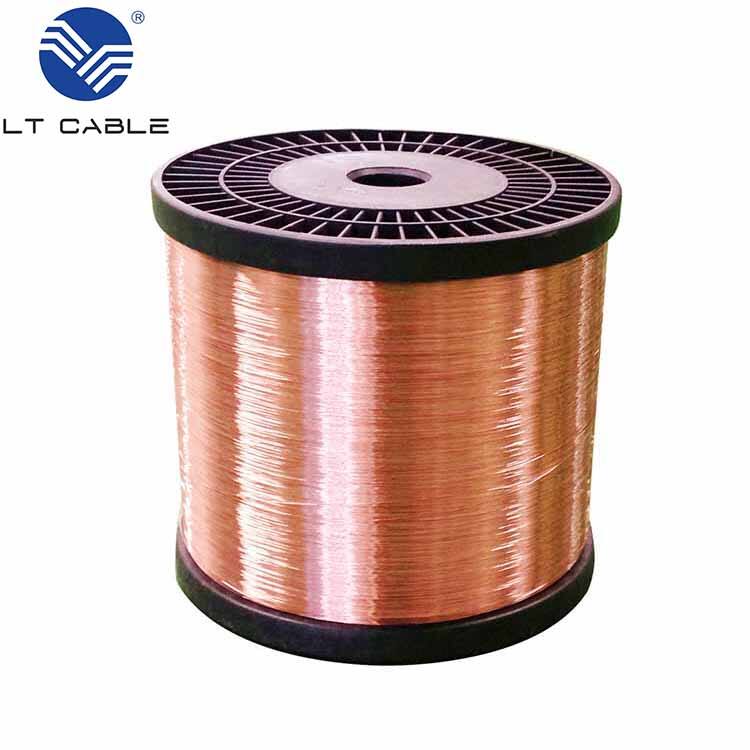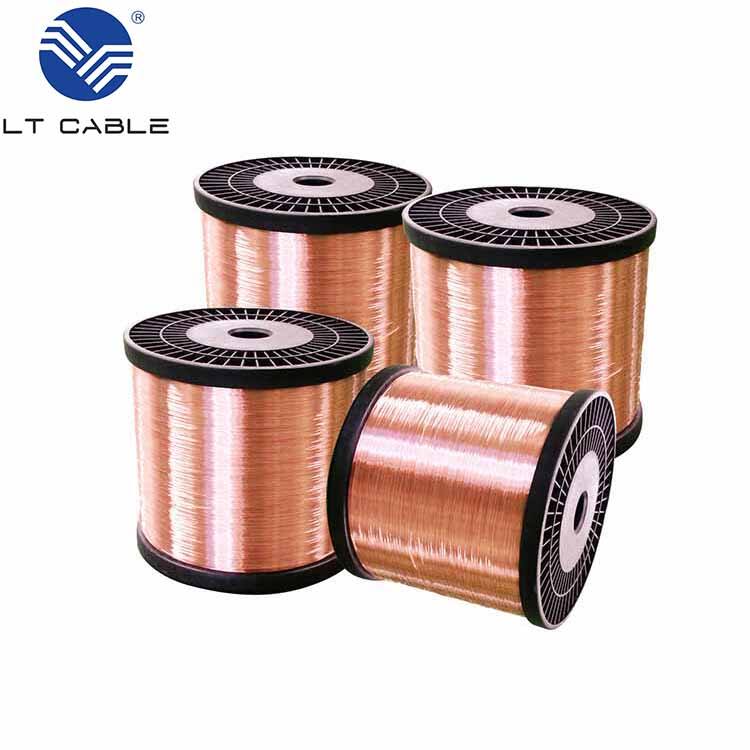
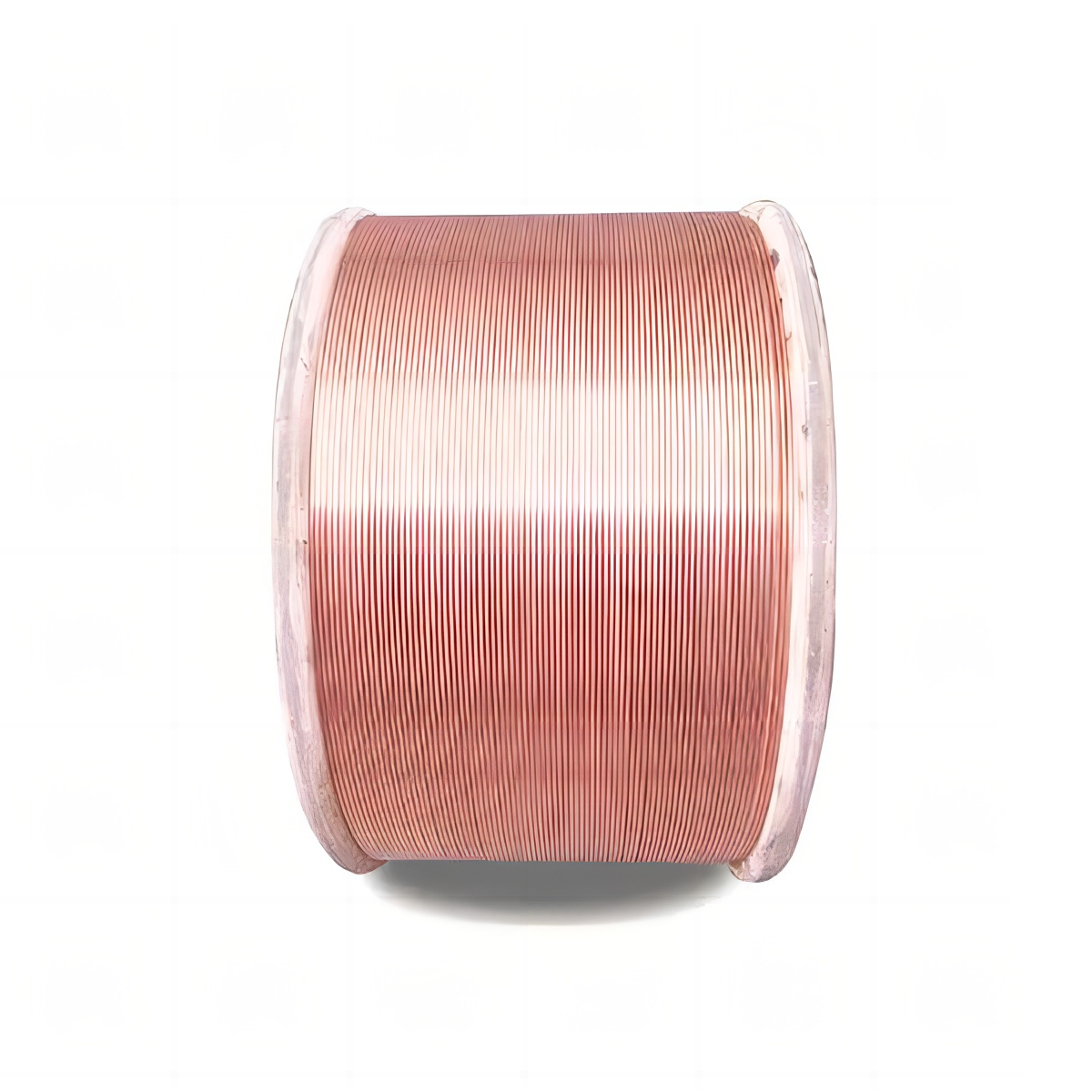
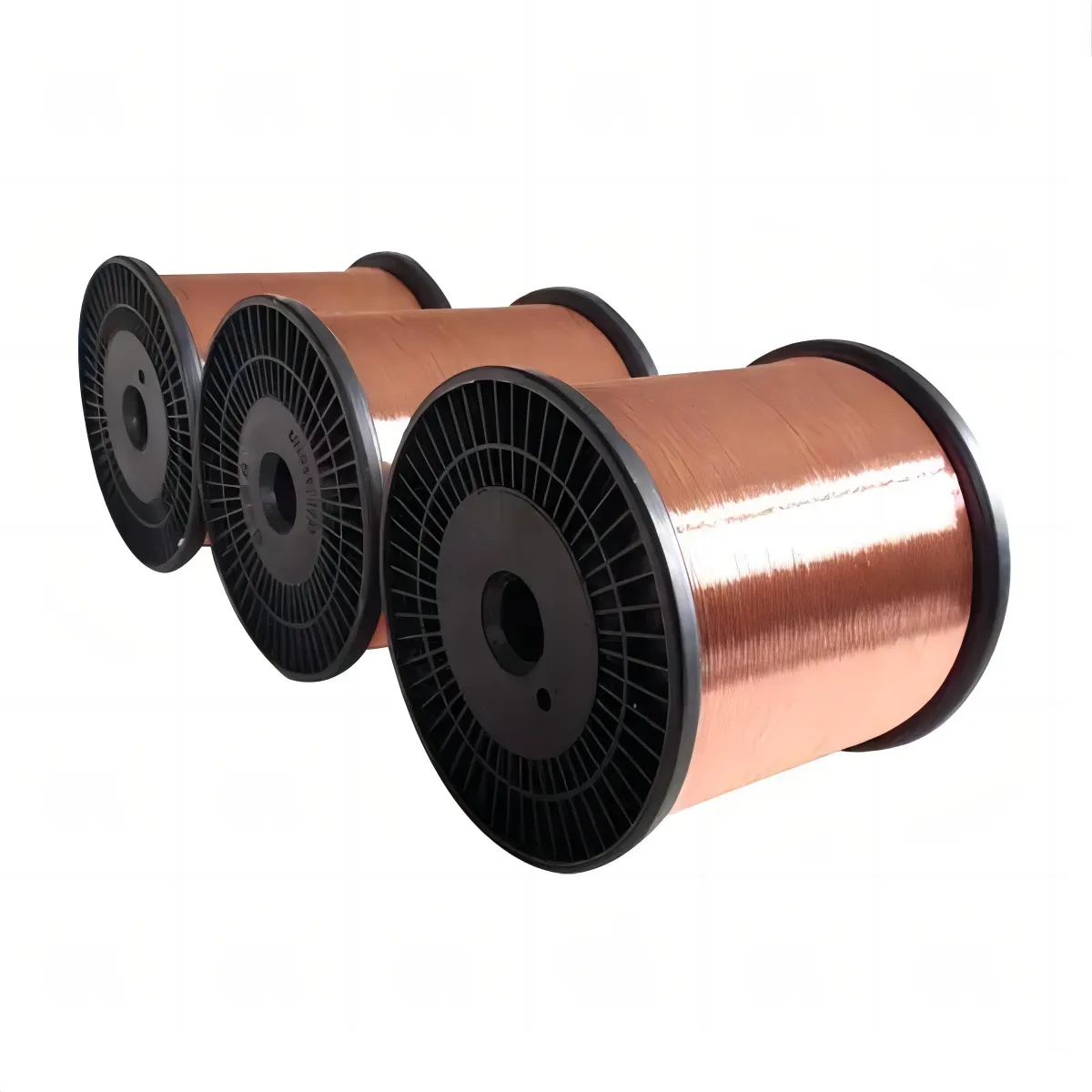
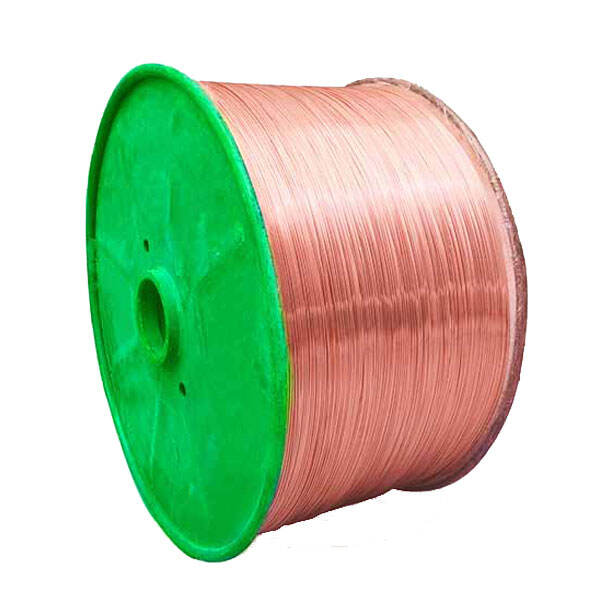
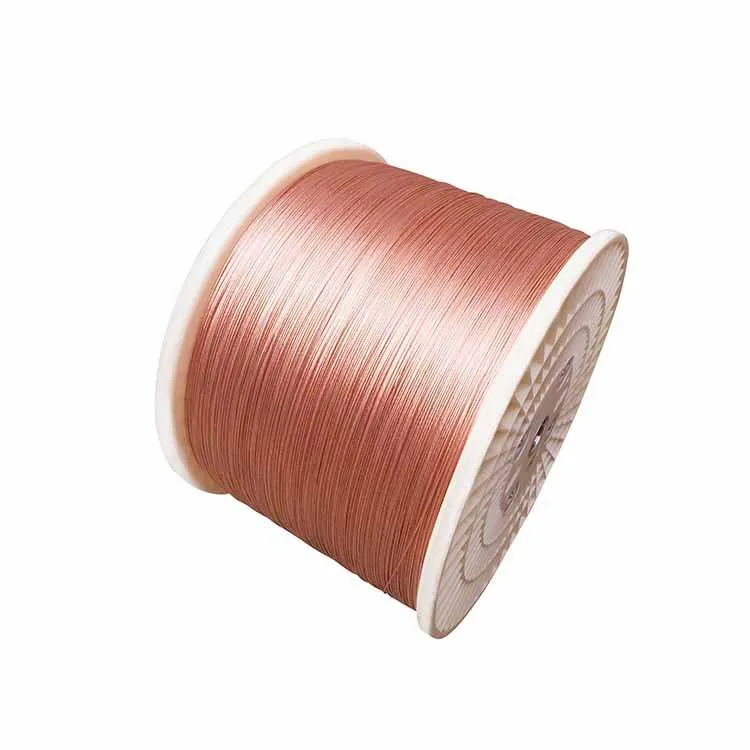
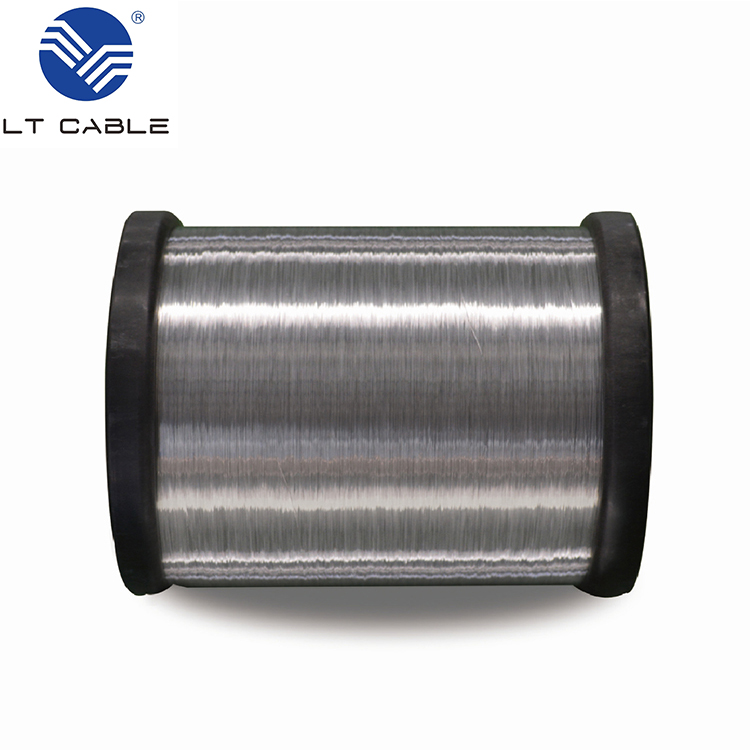
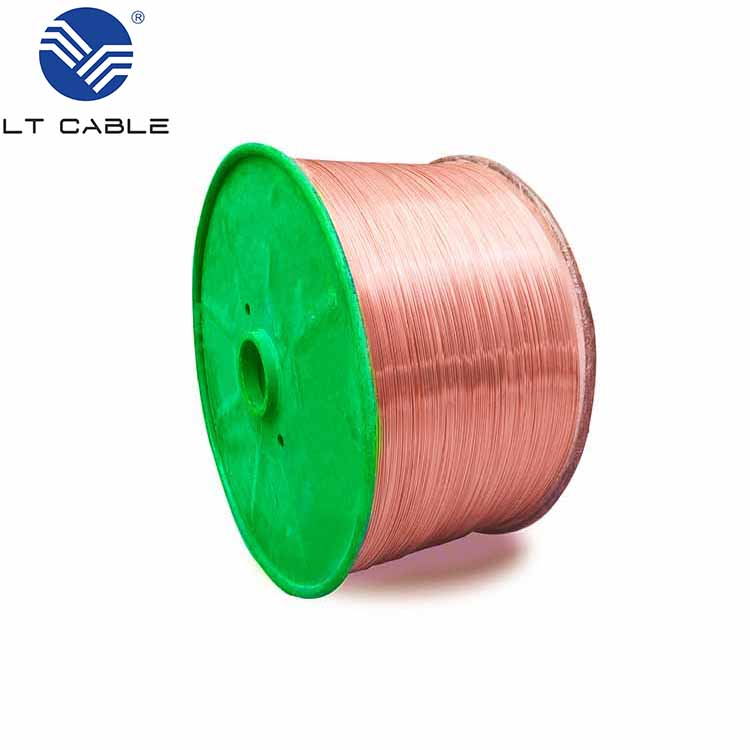
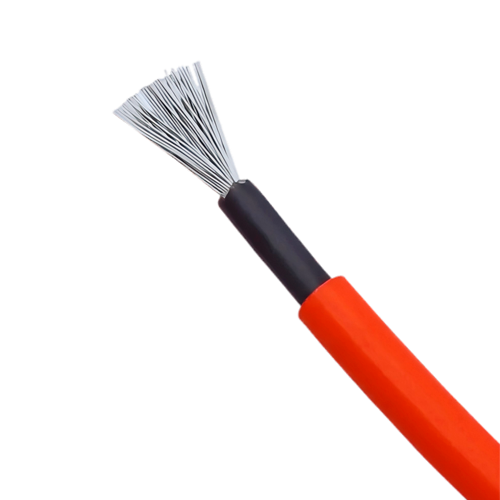
CCAA Multi-Stranded Coaxial Wire: Superior Shielding & Flexibility

Get a Free Quote

Our representative will contact you soon.
Name
Email
Mobile
Country/Region
Choose the product you want
Message
0/1000
Unmatched Quality and Reliability of Ccaa Multi-Stranded Coaxial Wire

Unmatched Quality and Reliability of Ccaa Multi-Stranded Coaxial Wire

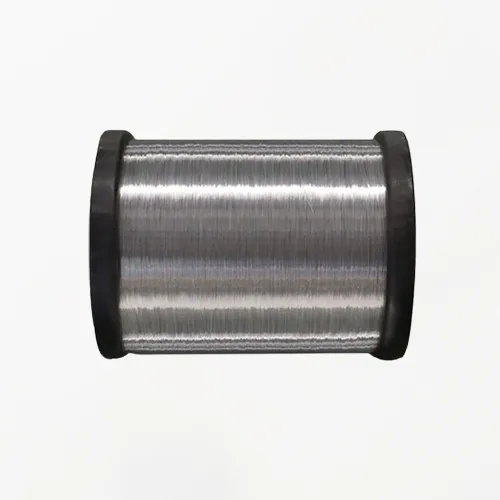
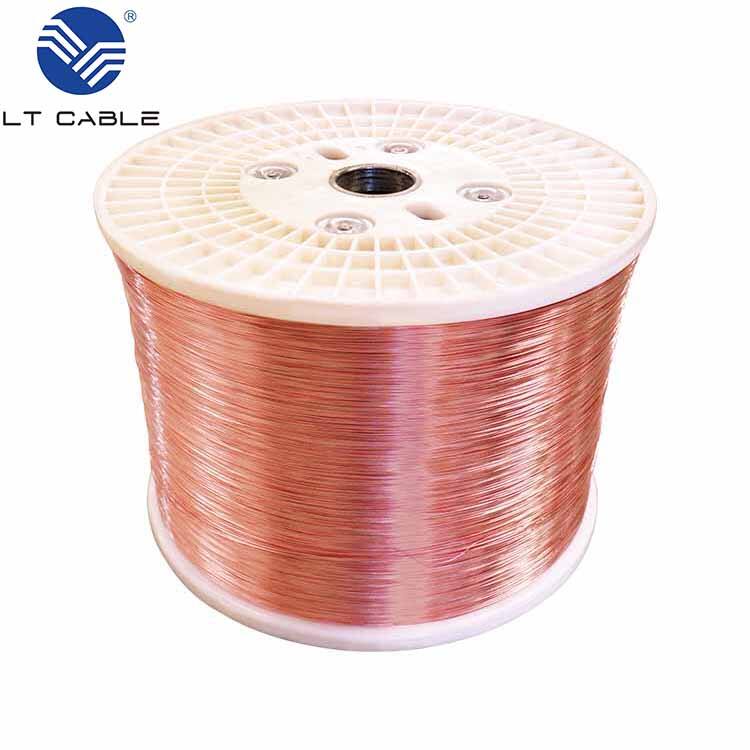
Our Ccaa multi-stranded coaxial wire stands out in the market due to its exceptional quality and reliability. Manufactured under stringent quality control measures, our wires are designed to provide superior performance in various applications. The multi-stranded design enhances flexibility and durability, making it ideal for installations that require bending and movement. Its excellent shielding properties ensure minimal signal loss and interference, which is crucial for high-frequency applications. With our fully automatic production lines, we guarantee consistency and precision in every batch, ensuring that our clients receive only the best. Our commitment to customer value creation means we offer tailored solutions that meet specific project requirements, reinforcing our reputation as a trusted partner in the industry.
Get A Quote

Case Studies

Transforming Communication Systems with Ccaa Multi-Stranded Coaxial Wire

In a recent project, a telecommunications company faced issues with signal degradation in their communication systems. They turned to our Ccaa multi-stranded coaxial wire to enhance their infrastructure. The installation of our wires resulted in a significant improvement in signal clarity and reliability, reducing downtime and maintenance costs. The flexibility of the multi-stranded design allowed for easier routing through tight spaces, streamlining the installation process. As a result, the client reported a 30% increase in operational efficiency, showcasing the transformative impact of our product on their communication systems.

Enhancing Audio Quality in Professional Sound Systems

A leading audio equipment manufacturer sought to improve the audio quality of their professional sound systems. They integrated our Ccaa multi-stranded coaxial wire into their products. The outcome was remarkable; the wires delivered superior sound fidelity and reduced noise interference, elevating the overall performance of their systems. Customers praised the enhanced audio experience, leading to a 40% increase in sales for the manufacturer. This case exemplifies how our coaxial wire can elevate product performance in competitive industries.

Optimizing Data Transmission for High-Speed Networks

A data center operator faced challenges with data transmission speeds due to outdated wiring. They opted for our Ccaa multi-stranded coaxial wire to upgrade their network infrastructure. Post-installation, the data transmission speeds improved dramatically, enabling faster data processing and improved service delivery. The client reported a 50% reduction in latency, significantly enhancing their operational capabilities. This case highlights the critical role our coaxial wire plays in modern data communication solutions.

Related products

At Litong Cable, pride ourselves on developing Ccaa multi-stranded coaxial wire. Our production begins with development of raw materials that meet our company standards, sourced through our well engineered pull through process. from there, The wire undergoes an annealing process that increases ductility and improves the wire’s electrical conductivity. Our multi-stranded coaxial wires Ccaa are well engineered across our fully automated production lines and the steps of our wire development are consistent and controlled by our seasoned managers. This enables us to deliver reliable products that meet each of the various industry standards. Our products are suitable for diverse applications including telecommunications and audio video transmissions, among many other industries. We appreciate our customer’s diverse and unique situations and adapt our products to meet their production challenges. This enables us to create value for our customer’s production.

Frequently Asked Questions about Ccaa Multi-Stranded Coaxial Wire

What applications are best suited for Ccaa multi-stranded coaxial wire?

Ccaa multi-stranded coaxial wire is ideal for a variety of applications, including telecommunications, audio and video transmission, and data networking. Its flexibility and superior shielding properties make it suitable for environments where signal integrity is crucial.
The multi-stranded design enhances the wire's flexibility and durability, allowing it to bend without breaking. This makes it easier to install in tight spaces and reduces the risk of damage during handling.

Related article

Al-Mg Alloy Wire Conductivity Calculation: A Practical Example

15

Jan

Al-Mg Alloy Wire Conductivity Calculation: A Practical Example

Al-Mg Alloy Wire Composition and Its Direct Impact on Electrical Conductivity

The electrical conductivity of aluminum-magnesium alloy wire really hinges on how much magnesium is present. As magnesium content ranges between 0.5 to 5 weight percent, it gets incorporated into the aluminum's crystal structure, which messes with the way electrons move through the material. This happens because the magnesium creates tiny distortions at the atomic level that act as obstacles for electron flow. For every additional 1% magnesium added, we generally see around a 3 to 4% drop in conductivity according to the International Annealed Copper Standard benchmark. Some sources claim a 10% reduction, but that number tends to exaggerate what actually occurs in standard commercial products. It also mixes up normal alloy behavior with situations involving very high levels of impurities. The main reason behind this conductivity loss? More magnesium means more scattering events for electrons encountering those dissolved atoms, and naturally leads to higher resistance as magnesium concentration increases.

How magnesium content (0.5–5 wt%) governs electron scattering in aluminum magnesium alloy wire

Magnesium atoms substitute for aluminum in the lattice, distorting local symmetry and impeding electron motion. The magnitude of scattering intensifies nonlinearly above ~2 wt% Mg, where solubility limits are approached. Key experimentally observed impacts include:

  • At 1 wt% Mg: resistivity rises ∼3 nΩ·m versus pure aluminum (ρ = 26.5 nΩ·m)
  • Above 3 wt% Mg: electron mean free path shortens by ~40%, accelerating resistivity growth
    Staying within the equilibrium solid solubility limit (~1.9 wt% Mg at room temperature) is essential—excess Mg promotes β-phase (Al₃Mg₂) precipitation, which introduces larger, less frequent scattering sites but degrades long-term stability and corrosion resistance.

Solid solution hardening vs. precipitate formation: Microstructural drivers of conductivity loss in cold-drawn aluminum magnesium alloy wire

Cold drawing enhances strength but also amplifies microstructural influences on conductivity. Two interrelated mechanisms dominate:

  1. Solid solution hardening: Dissolved Mg atoms elastically strain the Al lattice, acting as distributed scattering centers. This mechanism dominates in low-Mg alloys (<2 wt%) and during cold working below ~150°C, where diffusion is suppressed and precipitates remain absent. It delivers high strength gains with relatively modest conductivity penalties.

  2. Precipitate formation: Above ~3 wt% Mg—and especially after thermal aging—β-phase (Al₃Mg) particles nucleate. While these larger obstacles scatter electrons less efficiently per atom than dissolved Mg, their presence signals supersaturation and instability. Precipitates reduce lattice strain but introduce interfacial scattering and accelerate localized corrosion.

Mechanism Conductivity Impact Dominant When Practical Implication
Solid solution High resistivity Low Mg (<2 wt%), cold-worked Best for applications prioritizing stable, predictable conductivity
Precipitates Moderate resistivity High Mg (>3 wt%), thermally aged Acceptable only with strict process control and corrosion mitigation

Optimal processing balances these effects: controlled aging minimizes coarse precipitate formation while leveraging fine, coherent clusters to enhance strength without disproportionate conductivity loss.

Standardized Conductivity Measurement and Calculation for Aluminum Magnesium Alloy Wire

From Resistivity to %IACS: ASTM E1004-Compliant Four-Point Probe Calculation Workflow

Getting accurate conductivity readings for aluminum-magnesium alloy wires means following the ASTM E1004 guidelines pretty closely. The standard calls for using a four-point probe on wire segments that have been straightened out and stripped of any oxides. Why? Because this approach actually gets rid of those pesky contact resistance issues that plague regular two-point measurements. Labs need to keep things really tight when taking these readings - temperatures should stay within 20 degrees Celsius plus or minus just 0.1 degree. And of course, everyone needs to be working with properly calibrated equipment and standards that can trace back to NIST. To figure out the International Annealing Copper Standard percentage, we take the bulk resistivity value (measured in nanoohm meters) and plug it into this formula: %IACS equals 17.241 divided by resistivity multiplied by 100. That number, 17.241, represents what standard annealed copper looks like at room temperature. Most certified labs can get within about 0.8% accuracy if everything goes right. But there's another trick too: the distance between the probes has to be at least three times the actual wire diameter. This helps create an even electric field across the sample and prevents those annoying edge effect problems that throw off results.

Measurement Factor Four-Point Probe Requirement Impact on %IACS Accuracy
Temperature stability ±0.1°C controlled bath ±0.15% error per 1°C deviation
Probe alignment Parallel electrodes ±0.01mm Up to 1.2% variance if misaligned
Current density ∼100 A/cm² Prevents Joule heating artifacts

Eddy Current vs. DC Four-Wire Measurement: Accuracy Trade-offs for Sub-2 mm Aluminum Magnesium Alloy Wire

For thin aluminum–magnesium alloy wire (<2 mm diameter), method selection hinges on accuracy requirements and production context:

  • Eddy current testing
    Offers non-contact, high-speed scanning ideal for inline quality sorting. However, its sensitivity to surface condition, near-surface segregation, and phase distribution limits reliability when Mg exceeds ~3 wt% or microstructure is inhomogeneous. Typical accuracy is ±2% IACS for 1 mm wire—sufficient for pass/fail screening but inadequate for certification.

  • The DC four wire Kelvin measurement technique can achieve around plus or minus 0.5 percent IACS accuracy even when dealing with thin wires as small as 0.5 mm that contain higher magnesium levels. Before getting accurate readings though, there are several preparation steps needed. First, specimens need to be properly straightened out. Then comes the tricky part - removing surface oxides through methods like gentle abrasion or chemical etching. Thermal stability during testing is also crucial. Despite needing all this prep work and taking about five times longer than other methods, many still rely on it because it's currently the only approach recognized by ASTM E1004 standards for official reports. For applications where electrical conductivity directly affects how well a system performs or meets regulatory requirements, this extra time investment often makes sense despite the slower process.

Step-by-Step Conductivity Calculation: A Real-World Example for 3.5 wt% Aluminum Magnesium Alloy Wire

Input validation: Resistivity measurement, 20°C temperature correction, and Mg solubility assumptions

Getting accurate conductivity calculations starts with making sure all input data is properly validated first. When measuring resistivity, it's essential to use ASTM E1004 compliant four point probes on wires that have been straightened out and thoroughly cleaned. The readings then need adjustment to account for temperature differences from the standard 20 degree Celsius reference point. This correction follows the formula rho_20 equals rho_measured multiplied by [1 plus 0.00403 times (temperature minus 20)]. The value 0.00403 per degree Celsius represents how much resistivity changes with temperature for aluminum magnesium alloys around room temperatures. Something worth noting about these measurements: when working with a 3.5 weight percent magnesium alloy, we're actually looking at something beyond what's normally possible since the equilibrium solubility limit sits around just 1.9 weight percent at 20 degrees Celsius. What this means in practice is that the resistivity numbers obtained don't only reflect solid solution effects but probably include some contribution from either metastable or stable beta phase precipitates forming within the material. To really understand what's going on here, microstructural analysis through methods like scanning electron microscopy combined with energy dispersive spectroscopy becomes absolutely necessary for meaningful interpretation of test results.

Numerical walkthrough: Converting 29.5 nΩ·m to %IACS with ±0.8% uncertainty

Consider a measured resistivity of 29.5 nΩ·m at 25°C:

  1. Temperature-correct to 20°C:
    ρ_20 = 29.5 × [1 + 0.00403 × (25 − 20)] = 30.1 nΩ·m
  2. Apply %IACS formula:
    %IACS = (17.241 / 30.1) × 100 = 57.3%

The plus or minus 0.8% uncertainty comes from putting together all those calibration errors, temperature effects, and alignment issues we always have to deal with during testing. It doesn't actually reflect any natural variation in the materials themselves. Looking at real world measurements for cold drawn wire that's been aged a bit, around 3.5 weight percent magnesium content usually shows conductivities between about 56 and 59 percent IACS. Something worth remembering though is that this rule of thumb about losing 3% conductivity for every additional weight percent magnesium works best when magnesium levels stay under 2%. Once we go past that threshold, things start breaking down faster because of these little precipitates forming and the whole microstructure getting more complicated as well.

Practical Implications for Engineers Selecting Aluminum Magnesium Alloy Wire

When specifying aluminum–magnesium alloy wire for electrical applications, engineers must balance three interdependent parameters: conductivity, mechanical strength, and environmental durability. Magnesium content (0.5–5 wt%) sits at the center of this trade-off:

  • Conductivity: Every 1 wt% Mg reduces conductivity by ~3% IACS below 2 wt%, rising to ~4–5% IACS loss near 3.5 wt% due to scattering from early-stage precipitates.
  • Strength: Yield strength increases ~12–15% per 1 wt% Mg—primarily via solid solution hardening below 2 wt%, then increasingly via precipitation hardening above 3 wt%.
  • Corrosion resistance: Mg improves atmospheric corrosion resistance up to ~3 wt%, but excess Mg promotes grain boundary β-phase formation, accelerating intergranular corrosion—especially under cyclic thermal or mechanical stress.

When dealing with important stuff like overhead transmission lines or busbars, it's better to go with ASTM E1004 compliant DC four wire resistivity measurements instead of relying on eddy current methods for those tiny sub 2 mm wires. Temperature matters too folks! Make sure there are mandatory baseline corrections at 20 degrees Celsius because even a 5 degree swing can throw off readings by about 1.2% IACS, which messes up meeting specs. For checking how materials hold up over time, run those accelerated aging tests using standards like ISO 11844 with salt spray and thermal cycling. Research indicates that if materials aren't properly stabilized, corrosion along grain boundaries jumps up around three times after just 10,000 load cycles. And don't forget to double check what suppliers claim about their products. Look at actual composition reports from reliable sources, especially when it comes to iron and silicon content that should stay below 0.1% total. These impurities really hurt fatigue resistance and can lead to dangerous brittle fractures down the road.
View More
CCAM Wire Conductivity & Strength: Performance Overview

08

Jan

CCAM Wire Conductivity & Strength: Performance Overview

Electrical Conductivity of CCAM Wire: Physics, Measurement, and Real-World Impact

How Aluminum Coating Affects Electron Flow vs. Pure Copper

CCAM wire combines the best of both worlds really – copper's excellent conductivity paired with aluminum's lighter weight benefits. When we look at pure copper, it hits that perfect 100% mark on the IACS scale, but aluminum only gets to about 61% because electrons just don't move as freely through it. What happens at the copper-aluminum boundary in CCAM wires? Well, those interfaces create scattering points which actually increase resistivity somewhere between 15 and 25 percent compared to regular copper wires of the same thickness. And this matters a lot for electric vehicles since higher resistance means more energy loss during power distribution. But here's why manufacturers still go for it: CCAM cuts down on weight by roughly two thirds compared to copper, all while maintaining around 85% of copper's conductivity levels. That makes these composite wires particularly useful for connecting batteries to inverters in EVs, where every gram saved contributes to longer driving ranges and better heat control throughout the system.

IACS Benchmarking and Why Lab Measurements Differ from In-System Performance

IACS values are derived under tightly controlled lab conditions—20°C, annealed reference samples, no mechanical stress—which rarely reflect real-world automotive operation. Three key factors drive performance divergence:

  • Temperature sensitivity: Conductivity declines ~0.3% per °C above 20°C, a critical factor during sustained high-current operation;
  • Interface degradation: Vibration-induced microcracks at the copper–aluminum boundary increase localized resistance;
  • Oxidation at terminations: Unprotected aluminum surfaces form insulating Alâ‚‚O₃, raising contact resistance over time.

Benchmark data shows CCAM averaging 85% IACS in standardized lab tests—but drops to 78–81% IACS after 1,000 thermal cycles in dynamometer-tested EV harnesses. This 4–7 percentage-point gap validates the industry practice of derating CCAM by 8–10% for high-current 48V applications, ensuring robust voltage regulation and thermal safety margins.

Mechanical Strength and Fatigue Resistance of CCAM Wire

Yield Strength Gains from Aluminum Cladding and Implications for Harness Durability

Aluminum cladding in CCAM boosts yield strength around 20 to 30 percent compared to pure copper, which makes a real difference in how well the material resists permanent deformation when installing harnesses, particularly in situations where space is limited or there's significant pulling force involved. The extra structural strength helps cut down on fatigue issues at connectors and areas prone to vibrations like suspension mounts and motor housing points. Engineers take advantage of this property to use smaller wire sizes while still maintaining adequate safety levels for important connections between batteries and traction motors. Ductility does drop a bit when exposed to extreme temperatures ranging from minus 40 degrees Celsius up to plus 125 degrees, but testing shows that CCAM performs well enough across standard automotive temperature ranges to meet the necessary ISO 6722-1 standards for both tensile strength and elongation properties.

Bend-Fatigue Performance in Dynamic Automotive Applications (ISO 6722-2 Validation)

In dynamic vehicle zones—including door hinges, seat tracks, and sunroof mechanisms—CCAM undergoes repeated flexing. Per ISO 6722-2 validation protocols, CCAM wire demonstrates:

  • Minimum 20,000 bend cycles at 90° angles without failure;
  • Retention of ≥95% initial conductivity post-testing;
  • Zero sheath fractures even at aggressive 4mm bend radii.

Though CCAM exhibits 15–20% lower fatigue resistance than pure copper beyond 50,000 cycles, field-proven mitigation strategies—such as optimized routing paths, integrated strain relief, and reinforced overmolding at pivot points—ensure long-term reliability. These measures eliminate connection failures across typical vehicle service life expectations (15 years/300,000 km).

Thermal Stability and Oxidation Challenges in CCAM Wire

Aluminum Oxide Formation and Its Effect on Long-Term Contact Resistance

The fast oxidation of aluminum surfaces creates a big problem for CCAM systems over time. When exposed to regular air, aluminum forms a nonconducting layer of Al2O3 at around 2 nanometers per hour. If nothing stops this process, the oxide buildup increases terminal resistance by as much as 30% within just five years. This leads to voltage drops across connections and creates heat problems that engineers really worry about. Looking at old connectors through thermal cameras shows some pretty hot areas, sometimes above 90 degrees Celsius, exactly where the protective plating has started to fail. Copper coatings do help slow down oxidation somewhat, but tiny scratches from crimping operations, repeated bending, or constant vibrations can punch through this protection and let oxygen reach the aluminum underneath. Smart manufacturers combat this resistance growth by putting nickel diffusion barriers under their usual tin or silver coatings and adding antioxidant gels on top. This double protection keeps contact resistance under 20 milliohms even after 1,500 thermal cycles. Real world testing shows less than 5% loss in conductivity throughout an entire vehicle's service life, which makes these solutions worth implementing despite the extra costs involved.

System-Level Performance Trade-Offs of CCAM Wire in EV and 48V Architectures

Moving to higher voltage systems, especially those running on 48 volts, changes how we think about wiring designs completely. These setups cut down on current needed for the same amount of power (remember P equals V times I from basic physics). This means wires can be thinner, which saves a lot of copper weight compared to old 12 volt systems maybe around 60 percent less depending on specifics. CCAM takes things even further with its special aluminum coating that adds more weight savings without losing much conductivity. Works great for stuff like ADAS sensors, air conditioning compressors, and those 48 volt hybrid inverters that don't need super high conductivity anyway. At higher voltages, the fact that aluminum conducts electricity worse isn't such a big deal because power loss happens based on current squared times resistance rather than voltage squared over resistance. Still worth noting though that engineers need to watch out for heat buildup during fast charging sessions and make sure components aren't overloaded when cables are bundled together or sitting in areas with bad airflow. Combine proper termination techniques with standards compliant fatigue testing and what do we get? Better energy efficiency and more room inside vehicles for other components all while keeping safety intact and making sure everything lasts through regular maintenance cycles.

View More
With the continuous development of the new energy industry, the future of photovoltaic wire looks bright. But how?

26

May

With the continuous development of the new energy industry, the future of photovoltaic wire looks bright. But how?

Key Innovations in Photovoltaic Wire Technology

Advancements in Enameled Wire for Solar Applications

Enameled wire is really important for solar tech because it has great insulation and conducts electricity well. The good insulation helps solar panels work better by reducing how much energy gets lost during operation while boosting the amount of power they can generate. Looking at recent research, improvements in insulation tech have cut down on energy losses quite a bit actually around 15% less loss according to some reports. We've also seen progress where the enamel coating on these wires can be made thinner without sacrificing strength. Thinner coatings mean installers get their job done faster when setting up solar systems. All these changes make solar panels more efficient overall and open up possibilities for smaller, more adaptable designs in the field of solar technology.

Stranded Wire vs. Solid Wire: Optimizing Conductivity

When deciding between stranded versus solid wire for solar installations, the choice really comes down to what the job actually requires. Most people find that stranded wire works better because it bends easier and conducts electricity more efficiently than solid wire does, so it makes sense for places where wires need to move around a lot during installation. Tech experts point out that this extra flexibility makes installation much smoother overall while putting less strain on the materials, which means solar systems tend to last longer without problems. We've seen plenty of real world examples where installers had trouble getting solid wire into tight spaces, whereas stranded wire just worked better from day one in those complicated solar array configurations. The bottom line is that when wires can bend instead of break, installation goes faster and there's less wear and tear on everything involved, saving money in the long run even if stranded wire costs a bit more upfront.

Copper Clad Aluminum (CCA) Wire: Cost-Efficiency in Solar Systems

Copper Clad Aluminum or CCA wire offers a good money saving option compared to regular copper in solar setups while still performing well enough. What happens here is simple really. The wire combines aluminum which is light weight with copper known for conducting electricity so well. Material costs drop quite a bit when using CCA wires sometimes around 30 percent cheaper depending on market conditions. We've seen plenty of solar installations where people switched to CCA and didn't notice any difference in how things worked. Electric current flows through just fine and heat transfer remains similar to what would happen with pure copper wires. For those watching their budgets closely on solar projects, this can make all the difference. Plus there's something else worth mentioning about CCA wires. Their basic characteristics actually work better for big solar farms too. They help cut down expenses without hurting efficiency, which means companies can install more panels for the same price tag. And let's face it, saving money while being kinder to the environment sounds like a win win situation for most businesses these days.

Material Trends Shaping Photovoltaic Wire Development

Durability Enhancements for Extreme Weather Resistance

Material science has made some pretty big strides lately when it comes to making photovoltaic wires stand up better against bad weather in solar setups. Companies working on this stuff are really pushing to make wires tough enough to handle whatever Mother Nature throws at them, so solar panels last longer even when installed in places with crazy weather patterns. Some studies indicate that these new materials might actually double the life expectancy of wires in super harsh climates, which obviously makes solar systems more dependable over time. Plus, these upgraded wires aren't just durable they're also easier to work with during installation, meaning fewer headaches down the road when it comes to repairs and replacements. All this adds up to real money saved for businesses and homeowners alike who want their solar investments to pay off long term.

Integration of Lightweight Aluminum Alloy Components

When we look at photovoltaic systems, incorporating lightweight aluminum alloy parts brings some pretty good advantages. The main thing? Systems become much lighter overall, which makes transporting them across job sites far easier. Compared to older materials such as copper, these aluminum options weigh less on both the wallet and the workload during installation while boosting how well the whole system performs. Industry insiders are talking about a significant shift here too many forecasts suggest around 30 percent growth in aluminum alloy usage within solar installations throughout this coming decade. What does all this mean practically? Installers can get their work done faster since there's less bulk to move around, shipping expenses drop considerably, and ultimately, the solar panels themselves operate more efficiently. Given all these factors, it seems clear why more companies are turning toward aluminum solutions for their next big projects.

Emerging Coatings to Mitigate UV Degradation

New coating tech is changing how we protect those photovoltaic wires from getting damaged by UV light, which helps keep solar panels working well for much longer. The main goal here is to stop UV rays from messing with the wires, since this kind of damage actually makes them conduct electricity worse over time. Some recent tests show these new coatings cut down on UV damage by about half or even more, meaning those wires last significantly longer than before. Take a look at actual solar farms around the country, and what do we see? Cables that should have been worn out after years of sun exposure are still holding up great, keeping their performance levels stable. This means whole solar systems stay functional longer without needing expensive replacements.

Challenges in Photovoltaic Wire Implementation

Grid Congestion and Energy Transmission Limitations

The problem of grid congestion along with limitations in transmitting energy poses real headaches when it comes to deploying photovoltaic wires effectively. With so many renewable energy sources getting connected to our aging electrical networks, traffic jams on the power lines have become something we just can't ignore anymore. According to recent Energy Information Administration data, solar installations and battery storage facilities make up a large chunk of all new power generation capacity right now as they help meet rising demand for electricity. But here's the catch: our current electrical infrastructure simply wasn't built to handle this kind of load efficiently from renewables. That's why engineers are working on improving PV wire technology through better materials like advanced enameled wiring options or copper clad aluminum alternatives (known as CCA wire). These innovations promise smoother energy distribution while helping alleviate those pesky grid bottlenecks that plague modern energy systems.

Thermal Management in High-Capacity Systems

Keeping things cool is really important for getting good performance out of those big solar panel setups. As these systems push their limits, heat control becomes something operators need to watch closely if they want their panels to keep working right over time. Some research coming out lately shows just how bad overheating can be for wires inside these systems, causing all sorts of problems down the road. Take stranded wire for instance it spreads heat around better compared to solid wire types, so keeping its temperature in check actually makes a noticeable difference in how well the whole system runs. Many installers now turn to newer materials and special coatings when building these systems because they last longer and work better under tough conditions. These improvements help maintain both the lifespan and effectiveness of large scale photovoltaic installations across different environments.

Balancing Cost and Performance in Emerging Markets

The balance between price and performance remains tricky for photovoltaic wires in developing economies. Solar power is spreading fast across many countries, creating real pressure to keep costs down while still getting good results from installations. Prices for these wires have come way down over the past few years according to industry reports, but unpredictable fuel costs and intense competition among suppliers continue to complicate purchasing decisions. When companies in emerging markets decide whether to go with solid conductors or stranded ones, it directly affects how much money they spend and how well their systems actually work. Many manufacturers are now turning to alternatives like aluminum based alloys which offer decent value for money without sacrificing too much in terms of quality. This approach helps bridge the gap between budget constraints and technical requirements in places where resources remain limited.

Future Outlook for Photovoltaic Wire Applications

Smart Grid Compatibility and IoT Integration

Photovoltaic wire tech has really taken off because these wires work so well with smart grids. As smart grid systems continue expanding across the country, photovoltaic wires are becoming essential for keeping power distribution reliable while making the whole system run better. When we connect these wires to IoT devices, suddenly we can monitor and check on solar panels in real time. That means technicians know when something might break down before it actually happens, cutting way back on those annoying power outages. Take a look at what's happening in Austin with the Pecan Street Project they're testing all sorts of solar innovations alongside their smart grid setup. What makes this stuff exciting isn't just about saving money on electricity bills either. These advancements point toward an entirely different kind of energy landscape where sustainability isn't just a buzzword anymore.

Role in Utility-Scale Solar Farm Expansion

Photovoltaic wires form a vital part of large scale solar farms, acting as key components affecting how well energy gets transmitted and converted. The growth we're seeing in utility scale solar power has been nothing short of impressive. Industry data shows that by 2023, worldwide solar installations had crossed the 760 gigawatt mark. This kind of growth points to an important need for better photovoltaic wire tech that works harder to convert sunlight into electricity while standing up to tough weather conditions over time. When solar farm operators invest in these wire improvements, they actually help their operations grow without running into bottlenecks when demand increases. Better wires mean more reliable performance from each panel array, which ultimately helps integrate solar power more smoothly into our ever growing renewable energy landscape across different regions and climates.

Sustainability Trends in Wire Recycling and Production

The push for greener alternatives has really accelerated recycling programs and eco-conscious manufacturing methods for photovoltaic wiring materials. Solar installers need these green practices because they cut down on waste when panels reach end-of-life. The International Renewable Energy Agency released findings last year predicting that photovoltaic module recycling rates will jump around 40 percent by 2030, which marks a real turning point in how we think about solar panel disposal. Alongside better recycling options, manufacturers have started using copper clad aluminum wire (CCA) instead of pure copper in many applications. This alternative conducts electricity almost as well while requiring fewer resources during production. What's happening in the industry shows genuine dedication to sustainability principles. Photovoltaic systems now last longer overall, and this approach definitely supports broader climate protection targets set by governments worldwide.

View More
Aluminum Alloy Wire for Lightweight Power Cables in Solar Farm Exports

11

Aug

Aluminum Alloy Wire for Lightweight Power Cables in Solar Farm Exports

Why Lightweight Power Cables Are Critical for Solar Farm Exports

Global Expansion of Utility-Scale Solar Farms and Transportation Challenges

Worldwide, the solar industry needs around 2.8 million miles worth of cables every year, and most of this demand comes from big utility scale projects according to the Global Solar Council report from 2023. Take India for instance where solar power is expanding at about 20% growth rate yearly until 2030. The country really needs cables that can handle brutal weather conditions like those found in Rajasthan where temperatures hit 50 degrees Celsius, all while keeping transportation volumes down. Regular copper cables make things harder logistically speaking because they require special oversized load permits which cost between $18 to $32 extra per ton mile when transporting them. Lighter aluminum options just make more sense practically speaking.

The Impact of Cable Weight on Installation and Logistics Costs

Cutting down on cable weight by about 10% can actually save around $1.2 to $2.1 for every watt installed at solar farms. Aluminum alloy wires help with this because they cut down on manual labor needed during installation by roughly 30%, according to Renewables Now from last year. With the US Energy Information Administration predicting nearly tripled solar production within just two years, there's real pressure on project developers to get their infrastructure sorted out efficiently. Copper cables are heavy beasts that need special transportation for almost half of all components, while aluminum systems only need it for about one eighth of parts. This difference adds up fast, creating a gap of about seven hundred forty thousand dollars in logistics expenses when comparing a standard 100 megawatt solar installation using these different materials.

Logistical Advantages of Aluminum in International Solar Exports

Because aluminum weighs about 61% less than copper, companies can fit roughly 25% more cable into each standard shipping container. This translates to significant savings on trans-Pacific freight costs, somewhere between $9.2 and $15.7 per kilowatt for solar components being shipped overseas. The cost benefits have really taken off in recent years, especially with increased demand from Southeast Asian markets. Shipping accounts for around two thirds of all material costs in these regions, so lighter materials make a huge difference. Many manufacturers are now getting their aluminum alloy cables certified for long term use in coastal areas, which is particularly important given Vietnam's ambitious plans for 18.6 gigawatts of offshore solar capacity development along its coastline.

 ## Aluminum vs. Copper: Cost, Performance, and Material Economics  ### Material Economics: 60% Lower Cost with Aluminum Alloys   Aluminum alloys reduce material costs by up to 60% compared to copper, with bulk prices averaging $3/kg versus $8/kg (2023 Market Analysis). This gap becomes decisive in utility-scale solar farms, which often require over 1,000 km of cabling. A 500 MW solar export project can save $740k in raw materials alone by using aluminum conductors, according to energy infrastructure ROI models.  ### Balancing Conductivity and Budget in Solar Power Transmission   While pure aluminum has 61% of copper’s conductivity (IACS 61 vs 100), modern alloys achieve 56–58% conductivity with significantly greater flexibility. Today’s 1350-O aluminum cables deliver 20% higher current-carrying capacity per dollar than copper in 20–35kV solar transmission systems. This balance allows developers to maintain under 2% efficiency loss while reducing cable budget allocations by 40% in commercial export projects.  ### Overcoming Historical Reliability Concerns with Modern Aluminum Alloys   AA-8000 series aluminum alloys have eliminated 80% of the failure modes seen in mid-20th century applications, thanks to controlled annealing and zirconium additives. Recent field studies show:  - 0.02% annual oxidation rate in coastal zones (vs 0.12% for legacy alloys)  - 30% higher cyclic flexural strength than EC-grade copper  - Certification for 50-year service life in direct-buried solar farm installations (2022 Industry Durability Report)  These improvements establish aluminum as a technically sound and economically superior option for next-generation solar export infrastructure. 

Engineering Advancements in Aluminum Alloy Conductivity and Strength

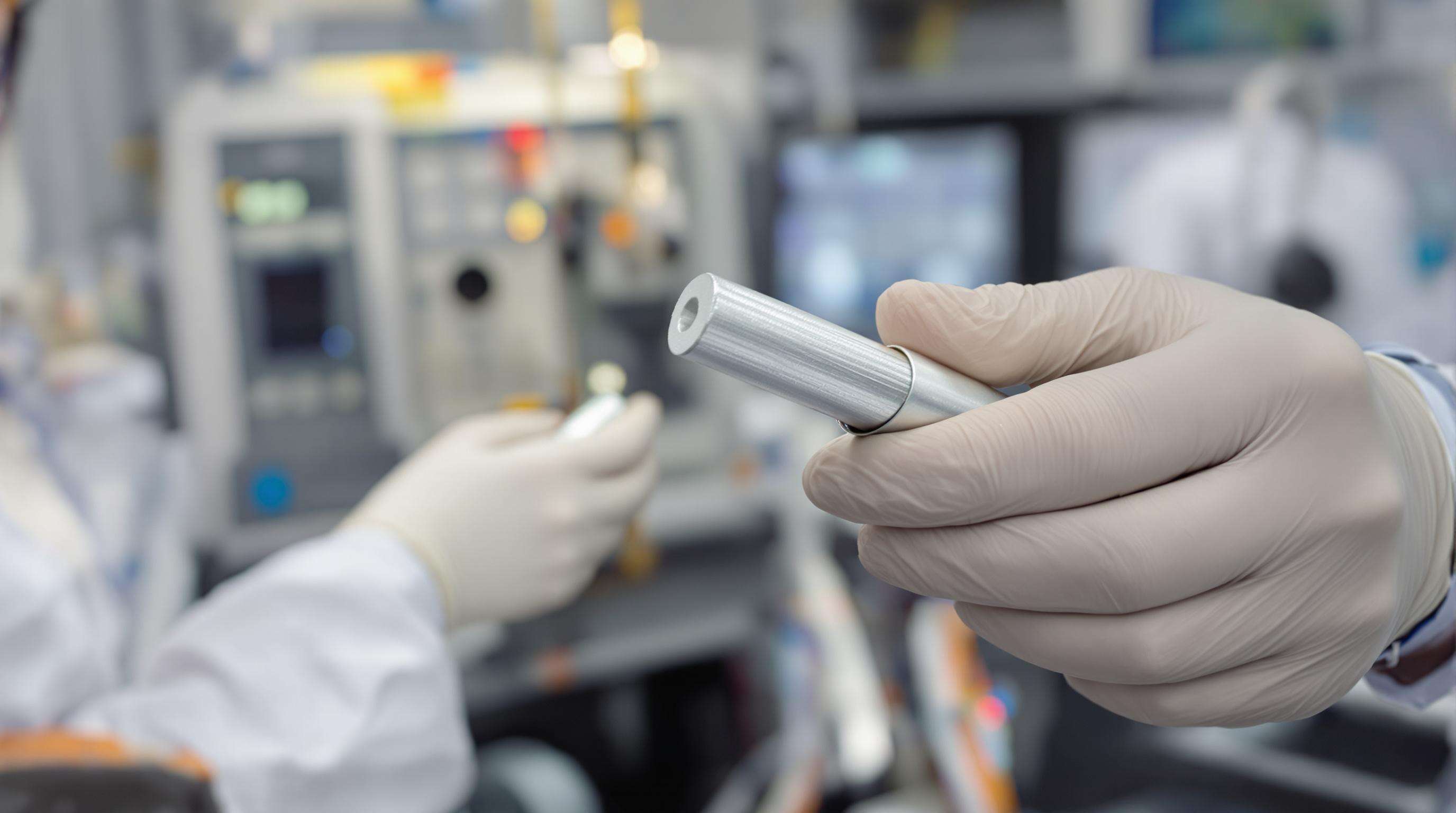
Technician examining an aluminum alloy power cable in a laboratory for strength and conductivity testing

Alloying Elements (Zr, Mg) and Their Role in Performance Enhancement

When it comes to modern aluminum cables, zirconium (Zr) and magnesium (Mg) play pretty important roles. Zr creates those tiny precipitates that stop grains from growing when cables go through temperature changes, which actually makes them stronger too. Some tests show strength can jump by around 18%, yet they still conduct electricity just fine. Magnesium works differently but equally well. It helps with work hardening so manufacturers can make wires thinner and lighter while keeping their ability to carry current intact. Put these two together and what do we get? Aluminum cables that satisfy the IEC 60228 Class B requirements but weigh about 40% less than traditional copper options. That kind of weight reduction matters a lot for installation costs and overall system efficiency.

AA-8000 Series Alloys: Breakthroughs in Durability and Conductivity

The AA-8000 series manages around 62 to 63 percent IACS conductivity thanks to careful management of trace elements, which is quite a jump compared to the old AA-1350 formulas that were used before. What makes these new alloys really stand out is their ability to handle stress better - about 30% more resistant to fatigue than previous materials. This matters a lot for solar installations since they often face constant vibration from wind across open fields. When we look at accelerated aging tests, these materials show less than 2% loss in conductivity after 25 years. That actually beats copper in places with high humidity where oxidation tends to slowly eat away at performance characteristics over time.

Case Study: High-Strength Aluminum Conductors in South Korean Solar Projects

South Korea's Honam solar belt implemented AA-8030 conductors back in 2023 which cut down cable tray loads by around 260 kg per kilometer on those 33kV power lines. Going with aluminum saved about $18 for every MWh produced through balance of system costs, plus it shaved off roughly 14 days from the installation timeline. After everything was up and running, the numbers told the story too - system availability hit 99.4% even during typhoon season. That speaks volumes about how reliable aluminum really is when facing those harsh weather conditions that are so typical in many export markets across Asia.

Global Demand and Export Trends for Aluminum Alloy Power Cables

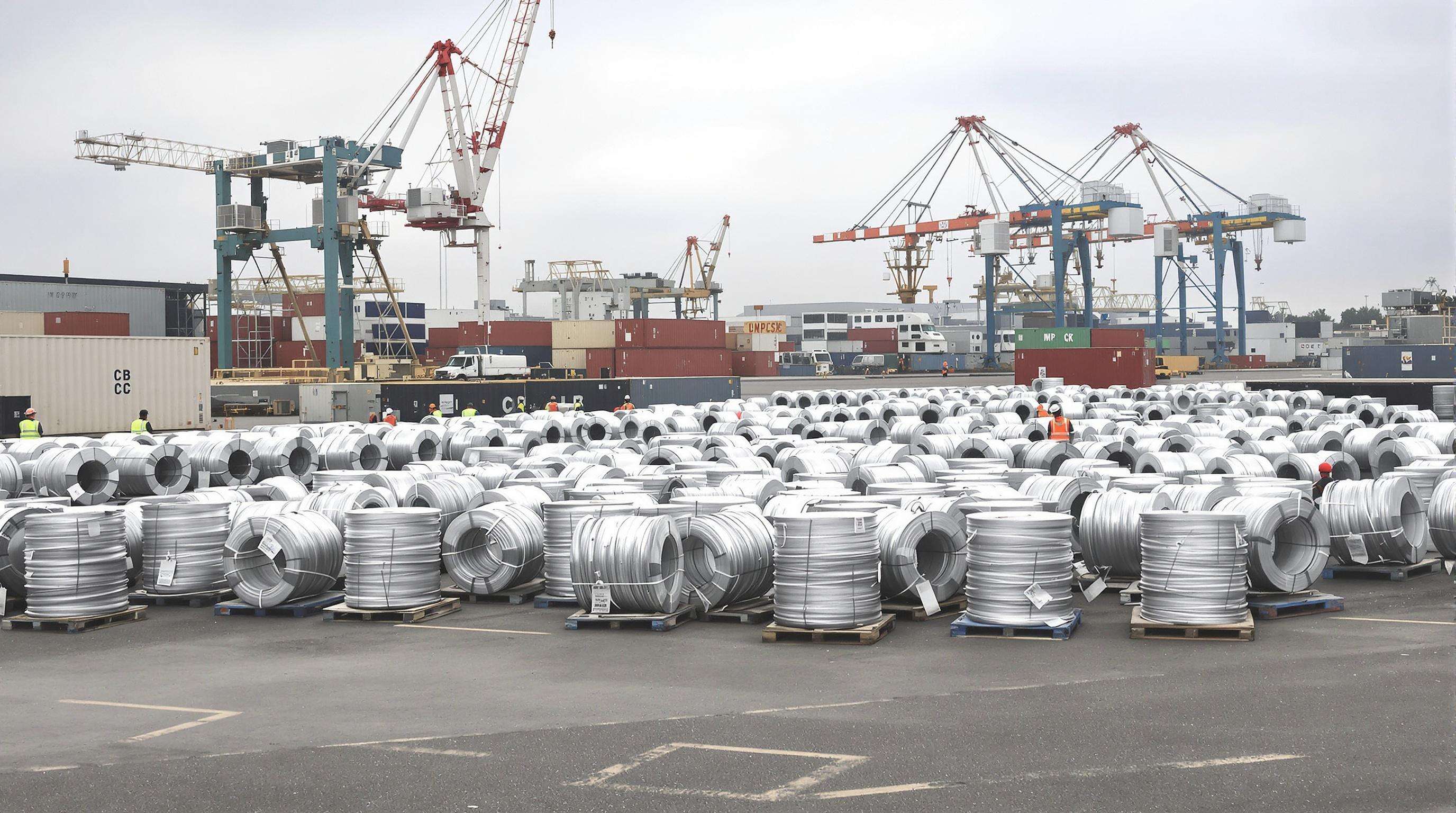
Shipping yard with aluminum cable spools being prepared for export, workers and cranes in view

As countries around the world push harder toward clean energy sources, there's been a huge spike in need for lighter power cables lately. Aluminum alloys have become pretty much the go-to choice for this stuff. According to recent data from IEA (2025), about two thirds of all large scale solar installations these days are going with aluminum conductors because they weigh roughly 40 to 50 percent less than alternatives. Makes sense when looking at ambitious goals like India aiming for 500 gigawatts of renewables by 2030 or Saudi Arabia's plan to get 58.7 gigawatts from solar power. These kinds of targets mean governments need transmission systems that won't break the bank while still being able to handle massive amounts of electricity over long distances.

Rising Solar Energy Targets Driving Aluminum Wire Demand

Chinese aluminum wire and cable exports jumped nearly 47% from February to March 2025, hitting around 22,500 metric tons last month, per the latest Renewable Energy Materials Report. The spike makes sense when looking at global solar trends too there are now over 350 gigawatts installed each year worldwide, and switching to aluminum saves about two cents per watt on big solar farms. According to forecasts from the International Energy Agency, most solar farms will be wired with aluminum conductors by 2030. This seems likely given how countries in development are pushing forward with their grid expansions so quickly these days.

Key Export Markets: Middle East, India, Southeast Asia, and Latin America

Four regions lead in aluminum cable adoption:

  • Middle East: UAE’s 2 GW Al Dhafra Solar Project uses aluminum to resist sand corrosion
  • India: National Solar Mission mandates aluminum conductors in 80% of grid-connected PV systems
  • Southeast Asia: Vietnam’s Ninh Thuan solar cluster saved $8.7 million using aluminum wiring
  • Latin America: Chile’s Atacama Desert projects leverage aluminum’s UV resistance for 30-year service

Africa’s electrification push—targeting 300 million new connections by 2030—now represents 22% of China’s aluminum cable exports.

Policy Incentives and Industry Shifts Favoring Lightweight Solutions

Government policies are accelerating aluminum adoption through:

  1. Tax rebates for projects using aluminum (e.g., Brazil’s Pro-Solar program)
  2. Material substitution mandates in building codes (India’s 2024 Power Grid Amendment)
  3. Logistics subsidies covering 15–20% of shipping costs for lightweight components

These incentives amplify aluminum’s inherent 60% cost advantage, fueling a $12.8 billion export market for alloy power cables by 2027 (Global Market Insights 2025). Industry leaders increasingly adopt AA-8000 series alloys, which achieve 61% IACS conductivity—effectively closing the performance gap with copper.

The Future of Copper-to-Aluminum Substitution in Renewable Energy

Industry Adoption Trends in Solar vs. Traditional Utility Transmission

The solar industry has been switching to aluminum alloy conductors at about three times the rate seen in conventional power systems lately. This shift makes sense when we look at materials shortages and how fast installations need to happen. According to some recent studies from the University of Michigan (2023), photovoltaic setups actually need between 2.5 and 7 times as much conductive metal for each megawatt compared to what fossil fuel plants require. Looking ahead, the 2024 specs for exporting solar equipment show that these lighter weight cables account for nearly 8 out of 10 parts in the balance of system components. What makes aluminum so attractive is how well it works with modular design approaches, which speeds things up considerably. Traditional grid systems still stick with copper though, mostly because people keep believing old reliability myths about the material despite newer alternatives being available.

Modular Design and Scalability: Advantages for Export-Focused Projects

The flexible nature of aluminum makes it possible to create prefabricated cable reels that really shorten on site assembly times, probably around 40% less work needed compared to traditional methods. For exporters, there's another big plus point here. Shipping containers can hold about 30% more aluminum cables than copper ones, which is why this material works so well in places like parts of Southeast Asia where ports just don't have much space or capacity. Contractors working on international projects find these kinds of solutions invaluable when dealing with those super tight deadline situations. And despite all these advantages, the conductivity remains pretty close to standard levels at roughly 99.6% for mid voltage solar installations too.

Market Growth Projections for Aluminum Stranded Wire Exports

The global market for aluminum-stranded solar cables seems set to expand rapidly, growing at around 14.8% annually until 2030 and beating copper adoption by roughly three to one. The biggest changes are happening in developing economies. After India reformed its solar tariffs in 2022, aluminum cable imports there jumped nearly 210%, while in Brazil most utility companies now go with aluminum for almost all their new small-scale power projects these days. To keep up with this demand, factory owners across the world are pouring about $2.1 billion into expanding production lines for AA-8000 alloy cables. These special cables meet the needs of solar farms that want lighter materials which won't corrode easily when transmitting electricity over long distances.

FAQ

Why are lightweight power cables important for solar farm exports?

Lightweight power cables, especially those made from aluminum alloys, are important for solar farm exports because they reduce installation and logistics costs. Aluminum cables weigh less than copper ones, enabling more efficient transport and installation, which is crucial for large-scale projects.

How do aluminum cables compare performance-wise with copper cables?

While pure aluminum has lower conductivity than copper, modern aluminum alloys have improved significantly in terms of conductivity and strength. Aluminum alloys can maintain a conductivity close to copper and, thanks to advanced alloying techniques, achieve high durability and flexibility, making them ideal for solar power transmission.

What regions are adopting aluminum cables, and why?

Regions like the Middle East, India, Southeast Asia, and Latin America are adopting aluminum cables mainly because of their cost-effectiveness, lightweight nature, and ability to handle harsh environmental conditions. These regions have ambitious solar energy targets, making aluminum a preferred choice for grid expansion projects.

View More

Customer Feedback on Ccaa Multi-Stranded Coaxial Wire

John Smith
Exceptional Performance and Reliability!

We switched to Litong's Ccaa multi-stranded coaxial wire for our telecommunication projects, and the results have been outstanding. The signal quality improved significantly, and our installation process was much smoother due to the wire's flexibility. Highly recommended!

Sarah Brown
A Game Changer for Our Audio Systems

After integrating Litong's Ccaa multi-stranded coaxial wire into our audio equipment, our sound quality has reached new heights. The reduced noise and improved fidelity have impressed our clients. We're extremely satisfied with this product!

Get a Free Quote

Our representative will contact you soon.
Email
Name
Company Name
Message
0/1000
Superior Shielding for Uninterrupted Signal Transmission

Superior Shielding for Uninterrupted Signal Transmission

One of the standout features of our Ccaa multi-stranded coaxial wire is its superior shielding capabilities. The wire is designed with multiple layers of shielding that effectively block external electromagnetic interference, ensuring that the signal remains clear and uninterrupted. This is particularly important in high-frequency applications where even the slightest interference can lead to significant performance issues. Our shielding technology not only enhances signal integrity but also extends the lifespan of the cable by protecting it from environmental factors. This makes our coaxial wire an ideal choice for critical applications in telecommunications, broadcasting, and data centers, where reliability is paramount.
Engineered for Flexibility and Durability

Engineered for Flexibility and Durability

The multi-stranded construction of our Ccaa coaxial wire is engineered to provide exceptional flexibility without compromising on durability. This design allows the wire to navigate through tight spaces and corners with ease, making it perfect for complex installations. Unlike solid-core wires, our multi-stranded wires are less prone to breakage when bent or twisted, ensuring long-term reliability in dynamic environments. This flexibility also simplifies the installation process, reducing labor costs and time. Whether you are working on a new construction project or retrofitting existing systems, our Ccaa multi-stranded coaxial wire offers the adaptability and resilience needed to meet the demands of modern applications.
  • Product Consultation & Selection

    Product Consultation & Selection

    Tailored advice, perfect fit solutions.

  • Production & Supply Chain

    Production & Supply Chain

    Efficient manufacturing, seamless supply.

  • Quality Assurance & Certification

    Quality Assurance & Certification

    Rigorous testing, global certifications.

  • Post-Sales Support & Tech Help

    Post-Sales Support & Tech Help

    Prompt assistance, ongoing support.

Get a Free Quote

Our representative will contact you soon.
Name
Email
Mobile
Country/Region
Title
Message
0/1000