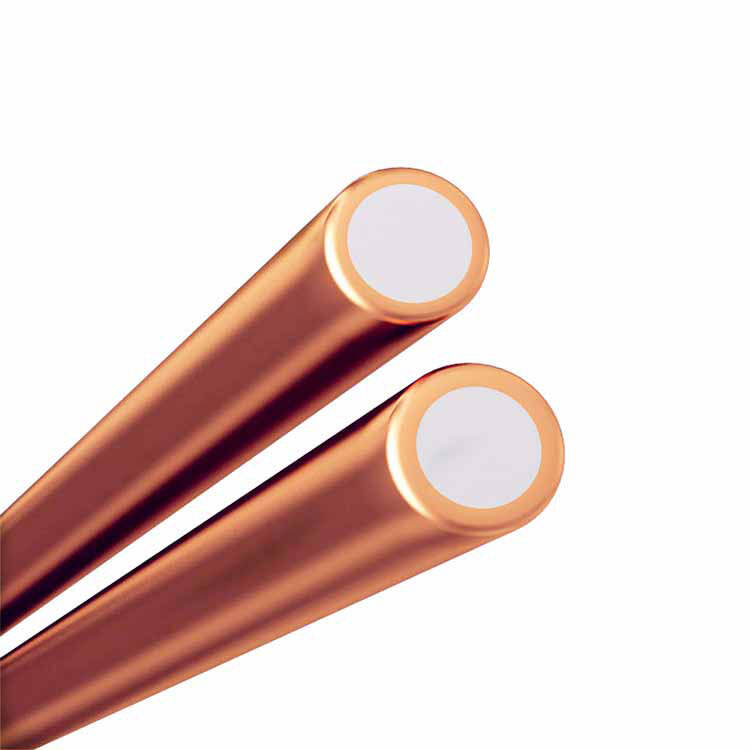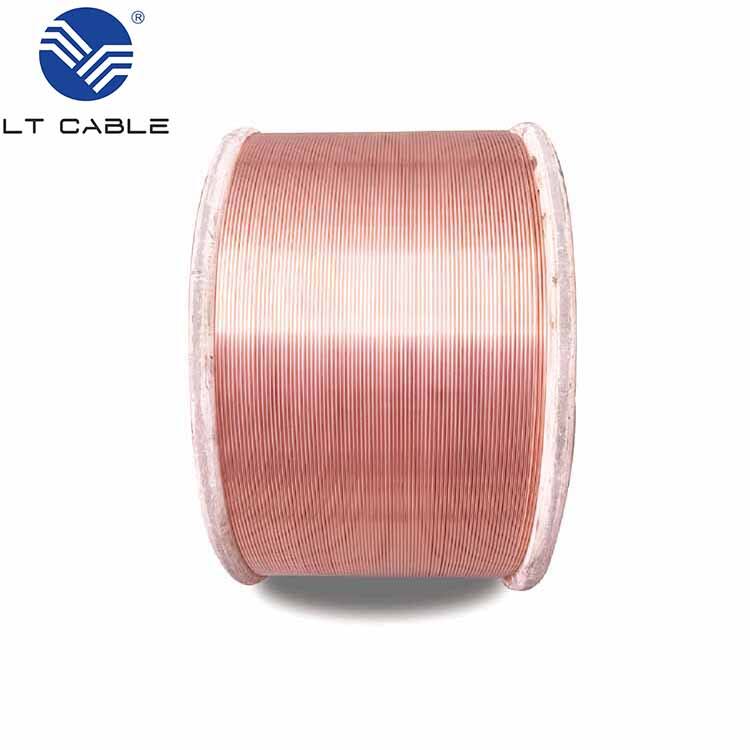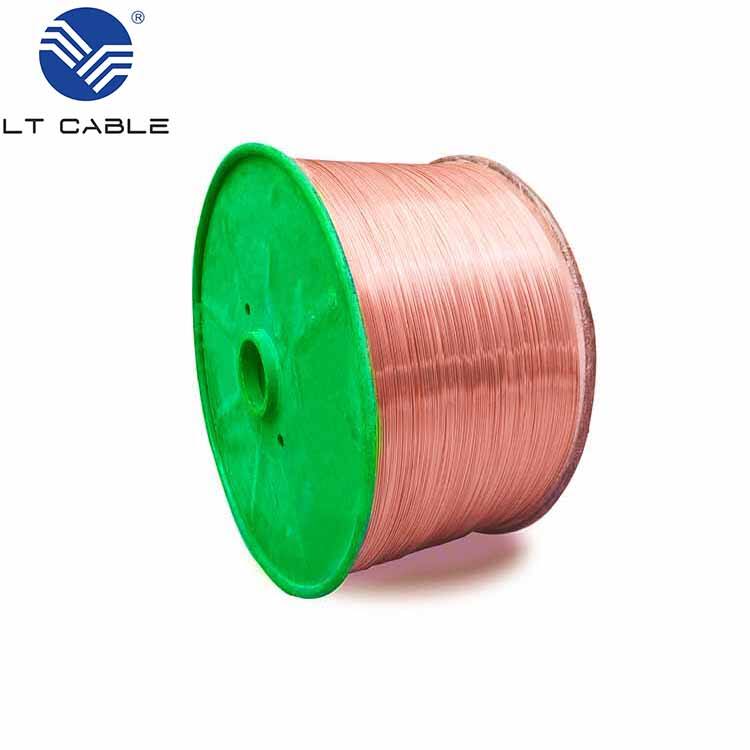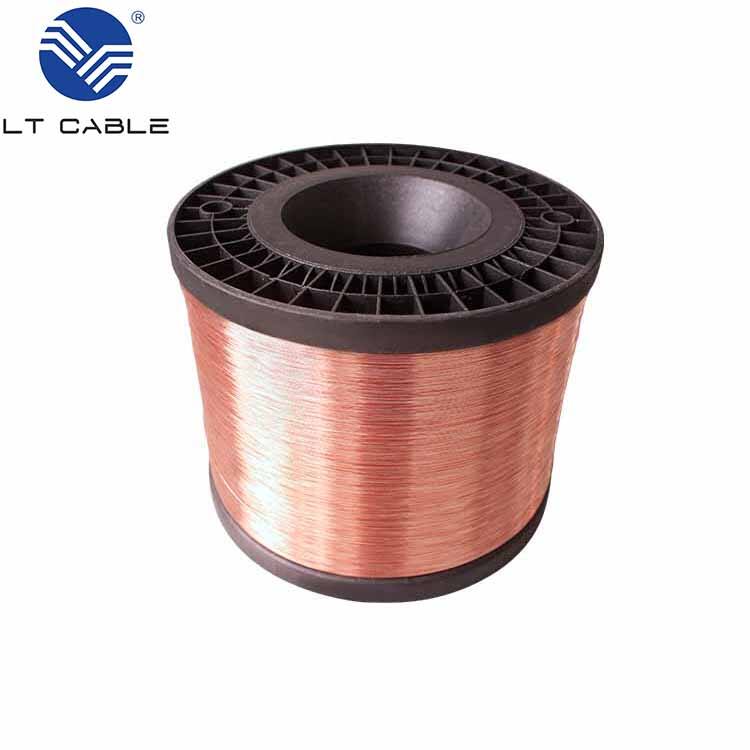
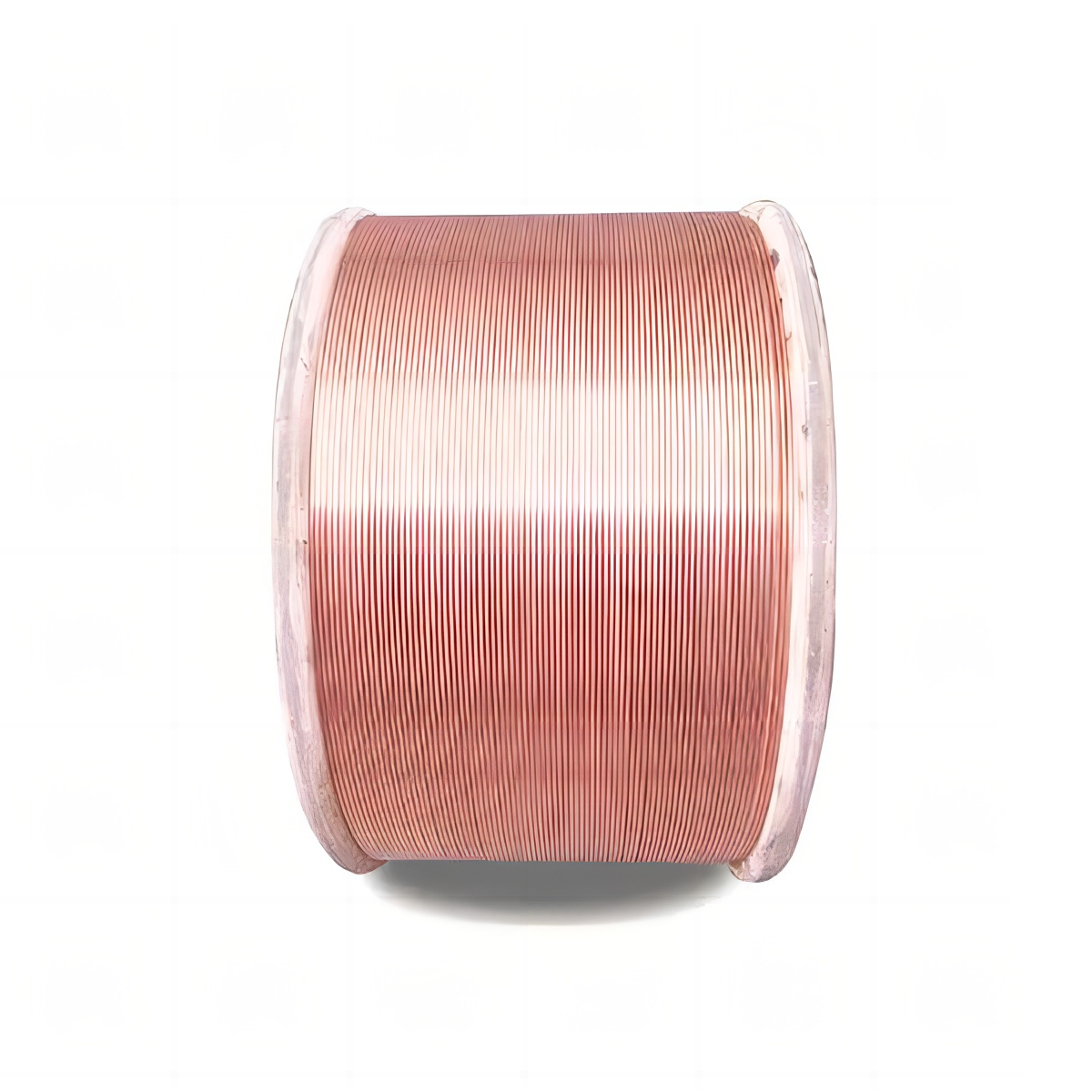
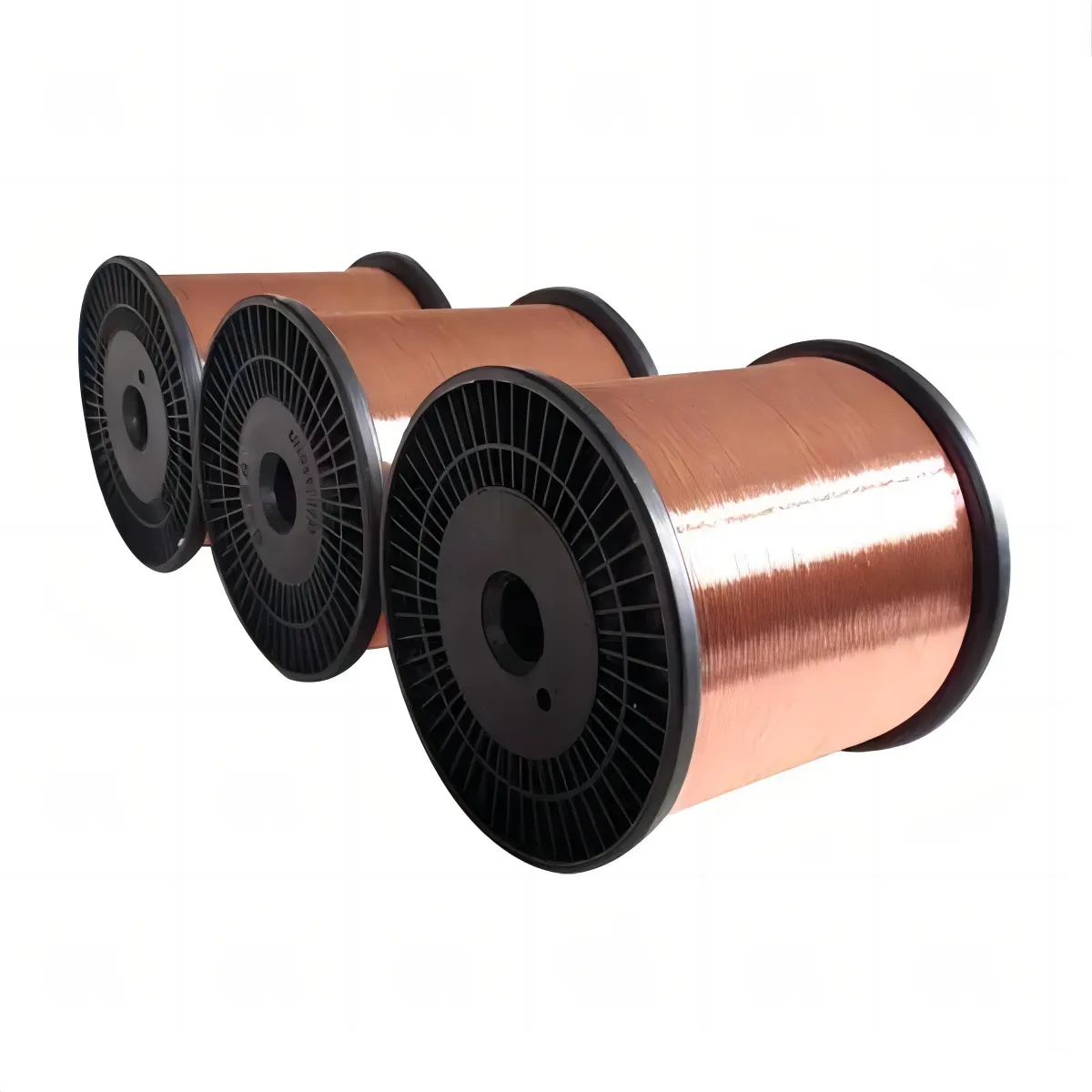
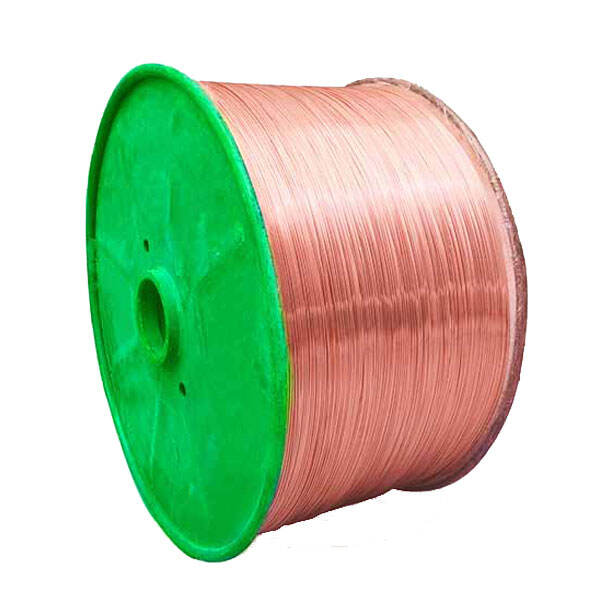
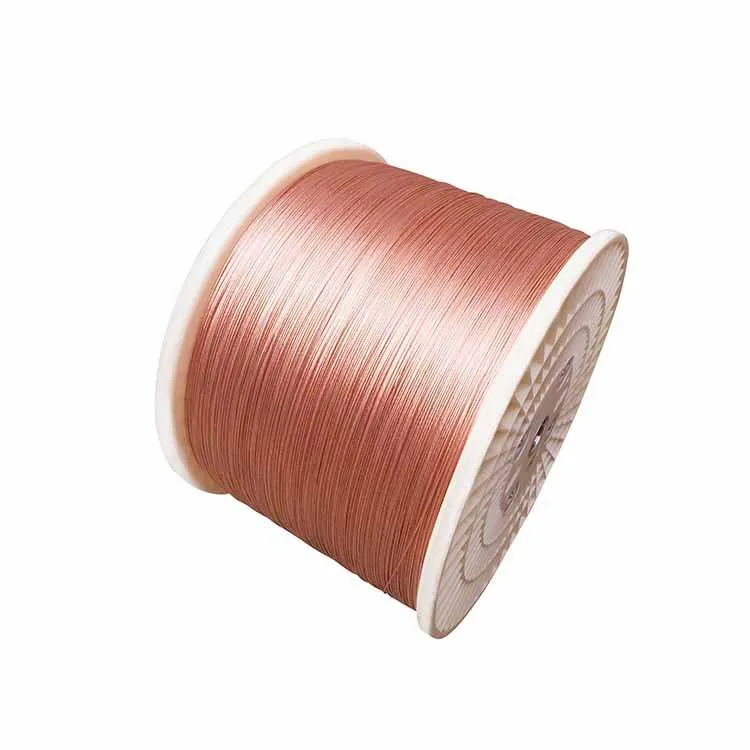
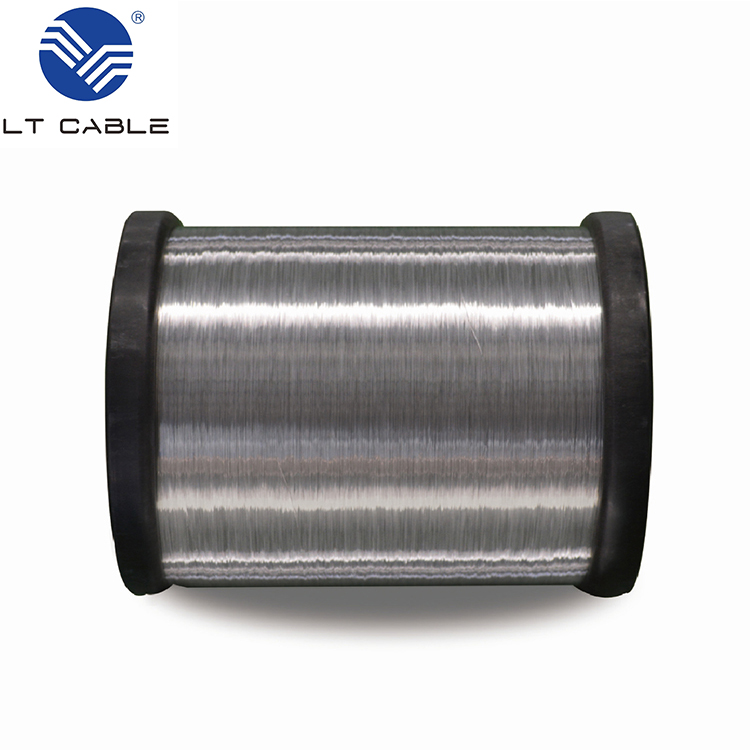
CCAA Coated Stranded Wire: Corrosion-Resistant & Flexible

Get a Free Quote

Our representative will contact you soon.
Name
Email
Mobile
Country/Region
Choose the product you want
Message
0/1000
Discover the Unmatched Benefits of CCAA Coated Stranded Wire

Discover the Unmatched Benefits of CCAA Coated Stranded Wire

CCAA Coated Stranded Wire offers exceptional durability and flexibility, making it ideal for various industrial applications. The unique coating provides superior resistance to corrosion, ensuring longevity even in harsh environments. Our advanced production techniques guarantee consistent quality and performance, meeting international standards. With a focus on customer satisfaction, we offer tailored solutions to meet specific needs, enhancing your operational efficiency. Trust Litong Cable for high-quality products that prioritize safety and reliability, helping you achieve your project goals effortlessly.
Get A Quote

Case Studies

Enhancing Infrastructure Durability

A leading engineering firm selected our CCAA Coated Stranded Wire as the core conductive component for a landmark bridge and tunnel project. The wire’s specialized polymer coating provided an exceptional barrier against moisture, chemicals, and atmospheric corrosion, which are primary causes of degradation in such exposed environments. Combined with the inherent fatigue resistance of its stranded design, the wiring system maintained stable electrical performance and mechanical integrity under continuous vibration and thermal stress. This proactive specification significantly reduced projected lifecycle maintenance costs and enhanced the long-term safety and operational reliability of the vital transport link, delivering enduring value beyond initial construction.

Power Transmission Efficiency

A regional power utility sought to upgrade a critical, aging high-voltage transmission line to minimize losses and improve grid resilience. They implemented our CCAA Coated Stranded Wire, which combines high-purity conductivity for efficient power flow with a protective coating that resists environmental degradation and corona discharge. The wire’s lightweight and flexible stranded construction also streamlined installation across challenging terrain, cutting project completion time by an estimated 25%. Post-upgrade monitoring confirmed a measurable reduction in line losses, directly translating to higher delivery efficiency, lower operational costs, and a more robust power transmission network.

Marine Applications

A maritime systems integrator faced frequent failures with standard wiring in subsea sensor and control applications due to saltwater corrosion and mechanical fatigue. For a new offshore platform project, they specified our CCAA Coated Stranded Wire for its dual-layer defense: a high-performance alloy core for reliable conductivity, and a robust, waterproof jacket engineered specifically to resist saltwater corrosion, abrasion, and prolonged UV exposure. This solution eliminated premature cable failures, ensuring uninterrupted data and power transmission for safety and monitoring systems. The result was enhanced project reliability, reduced risk of costly at-sea repairs, and extended service life for critical marine operations.

Related products

CCAA Coated Stranded Wire is created with the ability to withstand the challenges of various uses including the construction, energy, and ocean industries. Our manufacturing begins with the selection of raw materials and the production of individual wires. Each wire is drawn and processed through an annealing to improve strength and flexibility. The Coating of CCAA is processed through a proprietary method to ensure equal and complete coverage which serves of an environmental protective barrier. Consistency and quality of the CCAA wire is achieved through our fully automated production lines. At Litong Cable, we know that every customer and order is special and unique. This is why we focus on the technical challenges of each customer to provide them with the best service possible. Our industry commitment to customer service, quality control, and the rest of our service line is what keeps us trusted with making your cables.

Frequently Asked Questions About CCAA Coated Stranded Wire

What makes CCAA Coated Stranded Wire different from standard wire?

CCAA Coated Stranded Wire features a specialized coating that enhances corrosion resistance and durability, making it suitable for harsh environments where standard wire may fail.
Our CCAA Coated Stranded Wire is used across various industries, including construction, energy, and marine applications, due to its versatility and durability.

Related article

Al-Mg Alloy Wire Conductivity Calculation: A Practical Example

15

Jan

Al-Mg Alloy Wire Conductivity Calculation: A Practical Example

Al-Mg Alloy Wire Composition and Its Direct Impact on Electrical Conductivity

The electrical conductivity of aluminum-magnesium alloy wire really hinges on how much magnesium is present. As magnesium content ranges between 0.5 to 5 weight percent, it gets incorporated into the aluminum's crystal structure, which messes with the way electrons move through the material. This happens because the magnesium creates tiny distortions at the atomic level that act as obstacles for electron flow. For every additional 1% magnesium added, we generally see around a 3 to 4% drop in conductivity according to the International Annealed Copper Standard benchmark. Some sources claim a 10% reduction, but that number tends to exaggerate what actually occurs in standard commercial products. It also mixes up normal alloy behavior with situations involving very high levels of impurities. The main reason behind this conductivity loss? More magnesium means more scattering events for electrons encountering those dissolved atoms, and naturally leads to higher resistance as magnesium concentration increases.

How magnesium content (0.5–5 wt%) governs electron scattering in aluminum magnesium alloy wire

Magnesium atoms substitute for aluminum in the lattice, distorting local symmetry and impeding electron motion. The magnitude of scattering intensifies nonlinearly above ~2 wt% Mg, where solubility limits are approached. Key experimentally observed impacts include:

  • At 1 wt% Mg: resistivity rises ∼3 nΩ·m versus pure aluminum (ρ = 26.5 nΩ·m)
  • Above 3 wt% Mg: electron mean free path shortens by ~40%, accelerating resistivity growth
    Staying within the equilibrium solid solubility limit (~1.9 wt% Mg at room temperature) is essential—excess Mg promotes β-phase (Al₃Mg₂) precipitation, which introduces larger, less frequent scattering sites but degrades long-term stability and corrosion resistance.

Solid solution hardening vs. precipitate formation: Microstructural drivers of conductivity loss in cold-drawn aluminum magnesium alloy wire

Cold drawing enhances strength but also amplifies microstructural influences on conductivity. Two interrelated mechanisms dominate:

  1. Solid solution hardening: Dissolved Mg atoms elastically strain the Al lattice, acting as distributed scattering centers. This mechanism dominates in low-Mg alloys (<2 wt%) and during cold working below ~150°C, where diffusion is suppressed and precipitates remain absent. It delivers high strength gains with relatively modest conductivity penalties.

  2. Precipitate formation: Above ~3 wt% Mg—and especially after thermal aging—β-phase (Al₃Mg) particles nucleate. While these larger obstacles scatter electrons less efficiently per atom than dissolved Mg, their presence signals supersaturation and instability. Precipitates reduce lattice strain but introduce interfacial scattering and accelerate localized corrosion.

Mechanism Conductivity Impact Dominant When Practical Implication
Solid solution High resistivity Low Mg (<2 wt%), cold-worked Best for applications prioritizing stable, predictable conductivity
Precipitates Moderate resistivity High Mg (>3 wt%), thermally aged Acceptable only with strict process control and corrosion mitigation

Optimal processing balances these effects: controlled aging minimizes coarse precipitate formation while leveraging fine, coherent clusters to enhance strength without disproportionate conductivity loss.

Standardized Conductivity Measurement and Calculation for Aluminum Magnesium Alloy Wire

From Resistivity to %IACS: ASTM E1004-Compliant Four-Point Probe Calculation Workflow

Getting accurate conductivity readings for aluminum-magnesium alloy wires means following the ASTM E1004 guidelines pretty closely. The standard calls for using a four-point probe on wire segments that have been straightened out and stripped of any oxides. Why? Because this approach actually gets rid of those pesky contact resistance issues that plague regular two-point measurements. Labs need to keep things really tight when taking these readings - temperatures should stay within 20 degrees Celsius plus or minus just 0.1 degree. And of course, everyone needs to be working with properly calibrated equipment and standards that can trace back to NIST. To figure out the International Annealing Copper Standard percentage, we take the bulk resistivity value (measured in nanoohm meters) and plug it into this formula: %IACS equals 17.241 divided by resistivity multiplied by 100. That number, 17.241, represents what standard annealed copper looks like at room temperature. Most certified labs can get within about 0.8% accuracy if everything goes right. But there's another trick too: the distance between the probes has to be at least three times the actual wire diameter. This helps create an even electric field across the sample and prevents those annoying edge effect problems that throw off results.

Measurement Factor Four-Point Probe Requirement Impact on %IACS Accuracy
Temperature stability ±0.1°C controlled bath ±0.15% error per 1°C deviation
Probe alignment Parallel electrodes ±0.01mm Up to 1.2% variance if misaligned
Current density ∼100 A/cm² Prevents Joule heating artifacts

Eddy Current vs. DC Four-Wire Measurement: Accuracy Trade-offs for Sub-2 mm Aluminum Magnesium Alloy Wire

For thin aluminum–magnesium alloy wire (<2 mm diameter), method selection hinges on accuracy requirements and production context:

  • Eddy current testing
    Offers non-contact, high-speed scanning ideal for inline quality sorting. However, its sensitivity to surface condition, near-surface segregation, and phase distribution limits reliability when Mg exceeds ~3 wt% or microstructure is inhomogeneous. Typical accuracy is ±2% IACS for 1 mm wire—sufficient for pass/fail screening but inadequate for certification.

  • The DC four wire Kelvin measurement technique can achieve around plus or minus 0.5 percent IACS accuracy even when dealing with thin wires as small as 0.5 mm that contain higher magnesium levels. Before getting accurate readings though, there are several preparation steps needed. First, specimens need to be properly straightened out. Then comes the tricky part - removing surface oxides through methods like gentle abrasion or chemical etching. Thermal stability during testing is also crucial. Despite needing all this prep work and taking about five times longer than other methods, many still rely on it because it's currently the only approach recognized by ASTM E1004 standards for official reports. For applications where electrical conductivity directly affects how well a system performs or meets regulatory requirements, this extra time investment often makes sense despite the slower process.

Step-by-Step Conductivity Calculation: A Real-World Example for 3.5 wt% Aluminum Magnesium Alloy Wire

Input validation: Resistivity measurement, 20°C temperature correction, and Mg solubility assumptions

Getting accurate conductivity calculations starts with making sure all input data is properly validated first. When measuring resistivity, it's essential to use ASTM E1004 compliant four point probes on wires that have been straightened out and thoroughly cleaned. The readings then need adjustment to account for temperature differences from the standard 20 degree Celsius reference point. This correction follows the formula rho_20 equals rho_measured multiplied by [1 plus 0.00403 times (temperature minus 20)]. The value 0.00403 per degree Celsius represents how much resistivity changes with temperature for aluminum magnesium alloys around room temperatures. Something worth noting about these measurements: when working with a 3.5 weight percent magnesium alloy, we're actually looking at something beyond what's normally possible since the equilibrium solubility limit sits around just 1.9 weight percent at 20 degrees Celsius. What this means in practice is that the resistivity numbers obtained don't only reflect solid solution effects but probably include some contribution from either metastable or stable beta phase precipitates forming within the material. To really understand what's going on here, microstructural analysis through methods like scanning electron microscopy combined with energy dispersive spectroscopy becomes absolutely necessary for meaningful interpretation of test results.

Numerical walkthrough: Converting 29.5 nΩ·m to %IACS with ±0.8% uncertainty

Consider a measured resistivity of 29.5 nΩ·m at 25°C:

  1. Temperature-correct to 20°C:
    ρ_20 = 29.5 × [1 + 0.00403 × (25 − 20)] = 30.1 nΩ·m
  2. Apply %IACS formula:
    %IACS = (17.241 / 30.1) × 100 = 57.3%

The plus or minus 0.8% uncertainty comes from putting together all those calibration errors, temperature effects, and alignment issues we always have to deal with during testing. It doesn't actually reflect any natural variation in the materials themselves. Looking at real world measurements for cold drawn wire that's been aged a bit, around 3.5 weight percent magnesium content usually shows conductivities between about 56 and 59 percent IACS. Something worth remembering though is that this rule of thumb about losing 3% conductivity for every additional weight percent magnesium works best when magnesium levels stay under 2%. Once we go past that threshold, things start breaking down faster because of these little precipitates forming and the whole microstructure getting more complicated as well.

Practical Implications for Engineers Selecting Aluminum Magnesium Alloy Wire

When specifying aluminum–magnesium alloy wire for electrical applications, engineers must balance three interdependent parameters: conductivity, mechanical strength, and environmental durability. Magnesium content (0.5–5 wt%) sits at the center of this trade-off:

  • Conductivity: Every 1 wt% Mg reduces conductivity by ~3% IACS below 2 wt%, rising to ~4–5% IACS loss near 3.5 wt% due to scattering from early-stage precipitates.
  • Strength: Yield strength increases ~12–15% per 1 wt% Mg—primarily via solid solution hardening below 2 wt%, then increasingly via precipitation hardening above 3 wt%.
  • Corrosion resistance: Mg improves atmospheric corrosion resistance up to ~3 wt%, but excess Mg promotes grain boundary β-phase formation, accelerating intergranular corrosion—especially under cyclic thermal or mechanical stress.

When dealing with important stuff like overhead transmission lines or busbars, it's better to go with ASTM E1004 compliant DC four wire resistivity measurements instead of relying on eddy current methods for those tiny sub 2 mm wires. Temperature matters too folks! Make sure there are mandatory baseline corrections at 20 degrees Celsius because even a 5 degree swing can throw off readings by about 1.2% IACS, which messes up meeting specs. For checking how materials hold up over time, run those accelerated aging tests using standards like ISO 11844 with salt spray and thermal cycling. Research indicates that if materials aren't properly stabilized, corrosion along grain boundaries jumps up around three times after just 10,000 load cycles. And don't forget to double check what suppliers claim about their products. Look at actual composition reports from reliable sources, especially when it comes to iron and silicon content that should stay below 0.1% total. These impurities really hurt fatigue resistance and can lead to dangerous brittle fractures down the road.
View More
Copper Clad Steel (CCS) Wire: Strength Meets Conductivity

28

Nov

Copper Clad Steel (CCS) Wire: Strength Meets Conductivity

Copper Clad Steel Wire: A Comprehensive Overview

Electrical engineers are always on the lookout for materials that provide them with both high conductivity and decent mechanical strength. Copper Clad Steel or CCS Wire is one such composite, which is a conductor comprised of a steel core that is sheathed in copper. This translates to a wire that offers ample strength and durability thanks to the steel, with complete conductivity from copper. 

Features of CCS Wire

The way in which CCS wire is constructed has its own set of advantages when compared to standard conductors. A prime advantage is its steel core which provides enhanced tensile strength thus making it suitable for even demanding mechanical requirements while the outer layer formed from copper allows for current to flow quite effectively, hence reducing losses, and resistance. Because of this reason CCS wire can prove to be useful for overhead power lines, grounding systems, etc.

Uses of CCS Wire

No doubt that CCS wire is used in many sectors. For example, in telecommunications, it is deployed in underground cables and overhead lines since it has excellent resistance to corrosive and other environmental agents. Similarly, in the power industry, the CCS wire is appreciated because, despite putting the wire outdoors, the primary properties of electricity are not compromised. For the reason of improved safety for grounding systems by redirecting potential dangerous fault current, its application is also optimal.

How is CCS Wire Made?

CCS wire can be manufactured wire by wire in a way that guarantees the integrity of the steel core and the copper clad. The steel core having a particular diameter is first fabricated, and onto this electroplating or bonding technique coats the core with copper. This method is able to produce a strong and uniform bond between the two metals necessary for the completion of the product in the most elements of the manufacturing process.

LT CABLE’s Quality Assurance 

At LT CABLE, we proudly stand behind our motto which assures our customers of high quality CCS wire products. Our product series promises to the users that the product shall work as expected and withstand the test of time all while being manufactured as per stringent requirements of the users. Reliability in electric systems is at our core, hence we have put in place modern technologies to manufacture and comprehensive quality assessment mechanisms within our company. 

LT CABLE's Product Series Explanation 

The performance of our CCS wire product series is designed for a number of use cases and to operate in even the harshest of environments. For power transmission, telecommunications or even grounding applications, our CCS wires' specification is crafted to cater for the underlying needs of any project at hand. LT CABLE gives you the assurance that you are getting a product that combines steel's structural properties and copper's electrical conductivity with the certainty of desired results.

Every section of our products focused on wires manufactured from CCS structures maintain the level of quality and performance standards that are the highest. The development of the PVC insulated wire proceeds with a strong orientation on the customer satisfaction. For your next electrical cable project, use LT CABLE and witness the great things that our CCS wire will do for your power grid.”

d2aedb894125869d1998be495750e2d6a1f03c74900bce91bf7e9fe1cbe0f8a3.webp

View More
High-Performance Aluminum Alloy Wire for Lightweight Applications

28

Nov

High-Performance Aluminum Alloy Wire for Lightweight Applications

Aluminum Alloy Wire are now becoming a well-known material in the engineering industry because it is lightweight yet serves great conductivity. This material is also suited for structures that need reinforcement since it can handle heavier stress and it does not add much weight to the application as it is lightweight. 

One of the best things about aluminum alloy wires is that they can handle 1.5 or even more than t twice the stress pure aluminum would have. Which provides it with the leverage to be utilized in states where high tensile strength is required. For instance, space conquest applications or aircrafts where spaces are limited and maintaining the center of mass of the aircraft becomes integral. Also from a structural perspective this also promotes fuel consumption efficiency.

Aluminum alloy wires do make for a good alternative when applying conductivity as they are lightweight and cheaper than copper while not being as conductive as copper themselves. They can be used in aircraft distribution power systems and help in managing the weight of center of mass significantly. 

Lastly, aluminum alloy wires also have good corrosion resistance, which allows them to be utilized in application where they will face harsher environments. For example, applications where wires will come into direct contact to water and other chemicals.

LT CABLE wires are manufactured using specialized, lightweight, premium aluminum alloy wire products suitable for a variety of applications. LT CABLE aluminium alloy wire series series are designed in such a way that they are strong, conductive, and resistant to corrosion. Such features are crucial in enhancing the durability of electrical systems.

Aluminium alloy wire LT CABLE is produced under strict regulations that cover the selection of raw materials up to final quality checks before product delivery to customers. Such stringent measures that have been put in place ensures that state of the art manufacturing offerings and top notch testing procedures remain intact.

LT CABLE wires will come in handy to ensure your lightweight applications are integrated with superior performance owing to aluminum alloy solutions offered. LT CABLE wires are applicable in the aerospace industry, automotive and any other industry where weight is paramount since maximum performance satisfaction is guaranteed.

e258f19ad88d7c2f51225c69a370a7028612c6b125b6864d143921eb5d207c87(c1b332cd08).webp

View More
The Advantages of Using CCS Wire in Industrial Applications

26

Dec

The Advantages of Using CCS Wire in Industrial Applications

CCS Wire for Better Durability and Performance

For industrial usage, the type of wire used to connect the electrical systems is essential as it determines how well these systems operate and how long they last. The CCS Wire, also known as copper clad steel wire, incorporates the best features of copper and steel which makes it suited for high electrical and mechanical applications. 

CCS Wire in Economic Solutions

In terms of economics, CCS Wire is a great substitute to solid copper wires. With a steel core clad with copper , we make the cost lower while keeping the conductivity strong. This is useful in many industrial companies where the extensive use of copper wires would only lead to more costs on resources. 

CCS Wire in Bespoke Industrial Wiring Applications

For LT CABLE, necessity of different industrial applications drives the innovation. This is the key reason why we provide bespoke advice and accurate solutions for our clients. With respect to CCS Wire, these are capable of addressing the varied issues that are inherent to different industries in the best way as regards strength, conductivity, and cost per unit.

LT CABLE’s Versatile Set of CCS Wires

In a bid to maintain our position as one of the key players in the industry, LT CABLE cable offers a vast choice of CCS Wire products. With regarding to international certificates, the quality of the services offered and wired products sold are ensured and satisfactory, protecting the invested funds of the customers. From the wide range of standard variants to the advanced custom solutions, our CCS Wire series is designed to meet the needs of various industrial applications.

3.jpg

View More

Customer Feedback on CCAA Coated Stranded Wire

John Smith
Exceptional Quality and Performance

The CCAA Coated Stranded Wire from Litong Cable has transformed our projects. Its durability and reliability have significantly reduced our maintenance costs. Highly recommended!

Sarah Johnson
Perfect for Our Marine Applications

We chose Litong's CCAA Coated Stranded Wire for our underwater installations, and it has exceeded our expectations. The corrosion resistance is outstanding, ensuring our projects remain safe and functional.

Get a Free Quote

Our representative will contact you soon.
Email
Name
Company Name
Message
0/1000
Superior Corrosion Resistance

Superior Corrosion Resistance

Our CCAA Coated Stranded Wire is designed to withstand the toughest environmental conditions, offering unparalleled resistance to corrosion. This feature is critical for applications in construction, energy, and marine sectors, where exposure to moisture and harsh chemicals can compromise wire integrity. The advanced coating technology not only prolongs the lifespan of the wire but also reduces maintenance costs, making it a cost-effective solution for long-term projects.
Exceptional Flexibility and Strength

Exceptional Flexibility and Strength

The unique manufacturing process of our CCAA Coated Stranded Wire ensures that it maintains a high level of flexibility without sacrificing strength. This allows for easier installation in complex environments, reducing labor costs and project timeframes. The wire can be easily bent and shaped to fit various configurations, making it ideal for diverse applications across different industries.
  • Product Consultation & Selection

    Product Consultation & Selection

    Tailored advice, perfect fit solutions.

  • Production & Supply Chain

    Production & Supply Chain

    Efficient manufacturing, seamless supply.

  • Quality Assurance & Certification

    Quality Assurance & Certification

    Rigorous testing, global certifications.

  • Post-Sales Support & Tech Help

    Post-Sales Support & Tech Help

    Prompt assistance, ongoing support.

Get a Free Quote

Our representative will contact you soon.
Name
Email
Mobile
Country/Region
Title
Message
0/1000