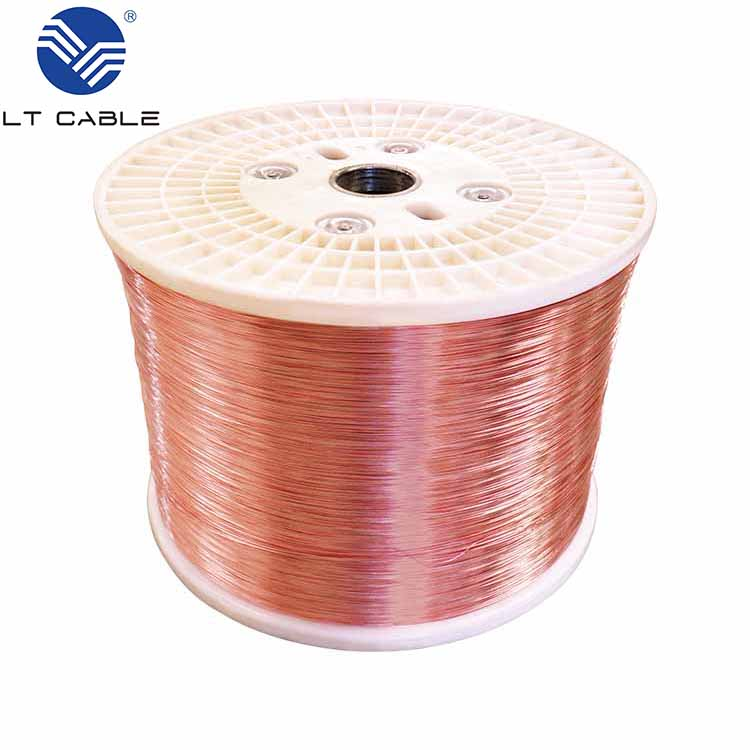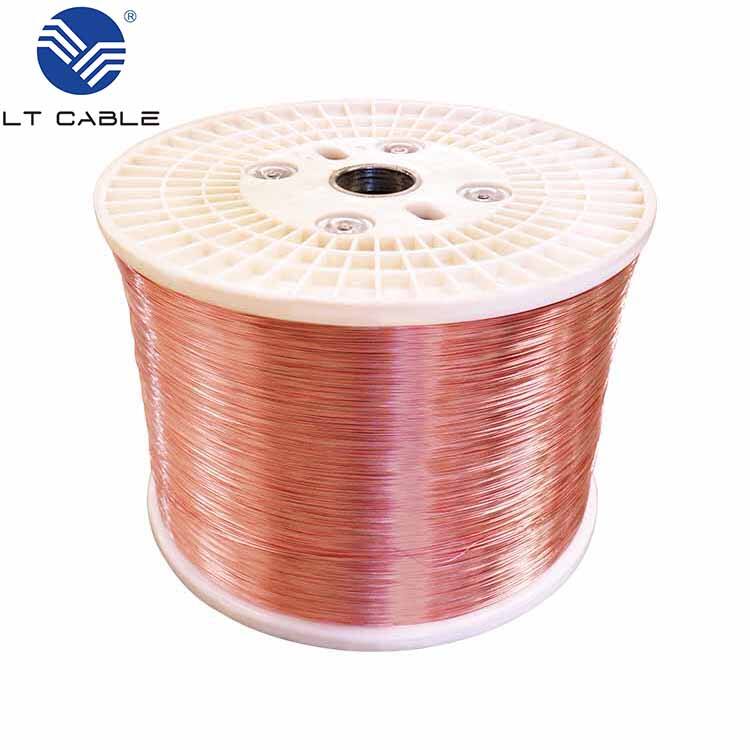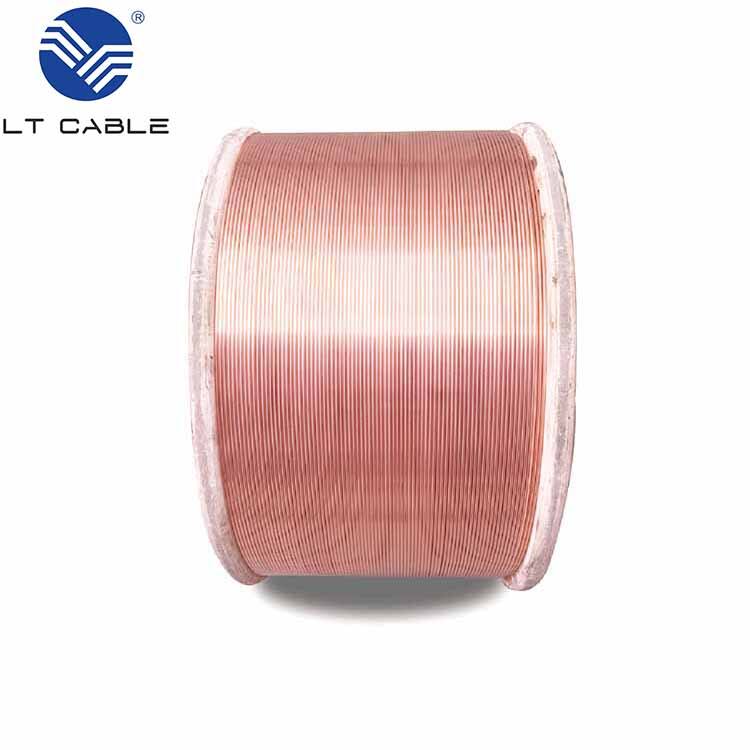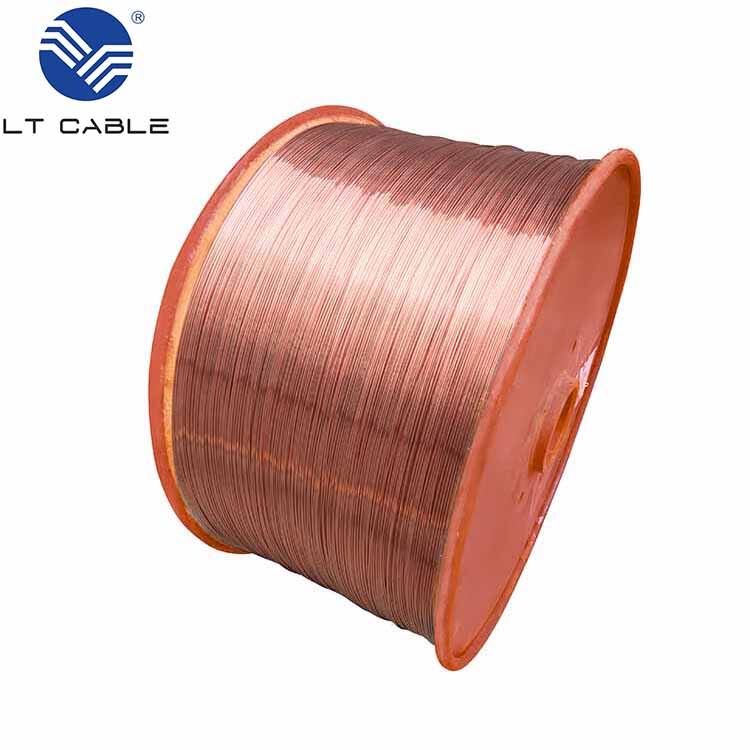
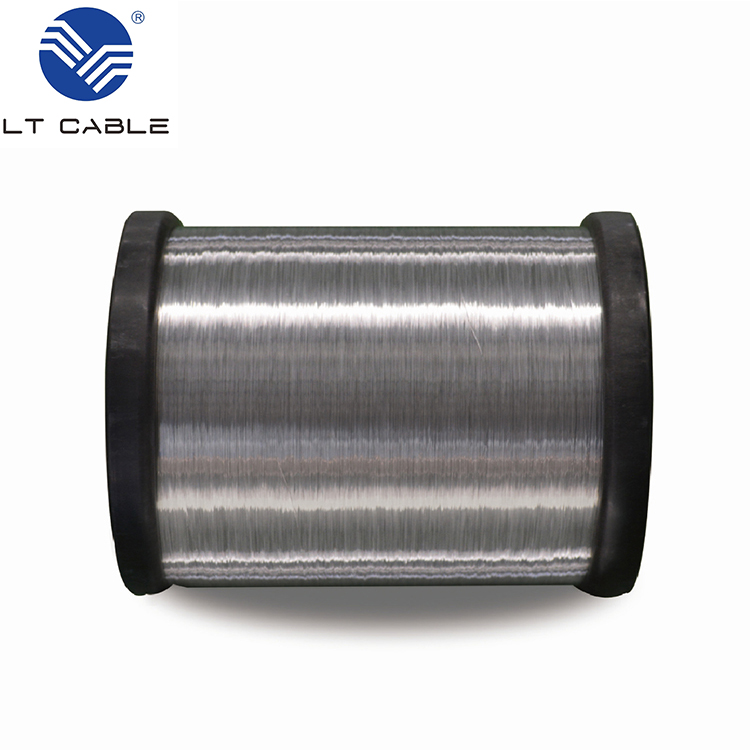
Copper Plated Aluminum Wire: Lightweight Conductivity

Get a Free Quote

Our representative will contact you soon.
Name
Email
Mobile
Country/Region
Choose the product you want
Message
0/1000
The Superior Choice for Electrical Conductivity

The Superior Choice for Electrical Conductivity

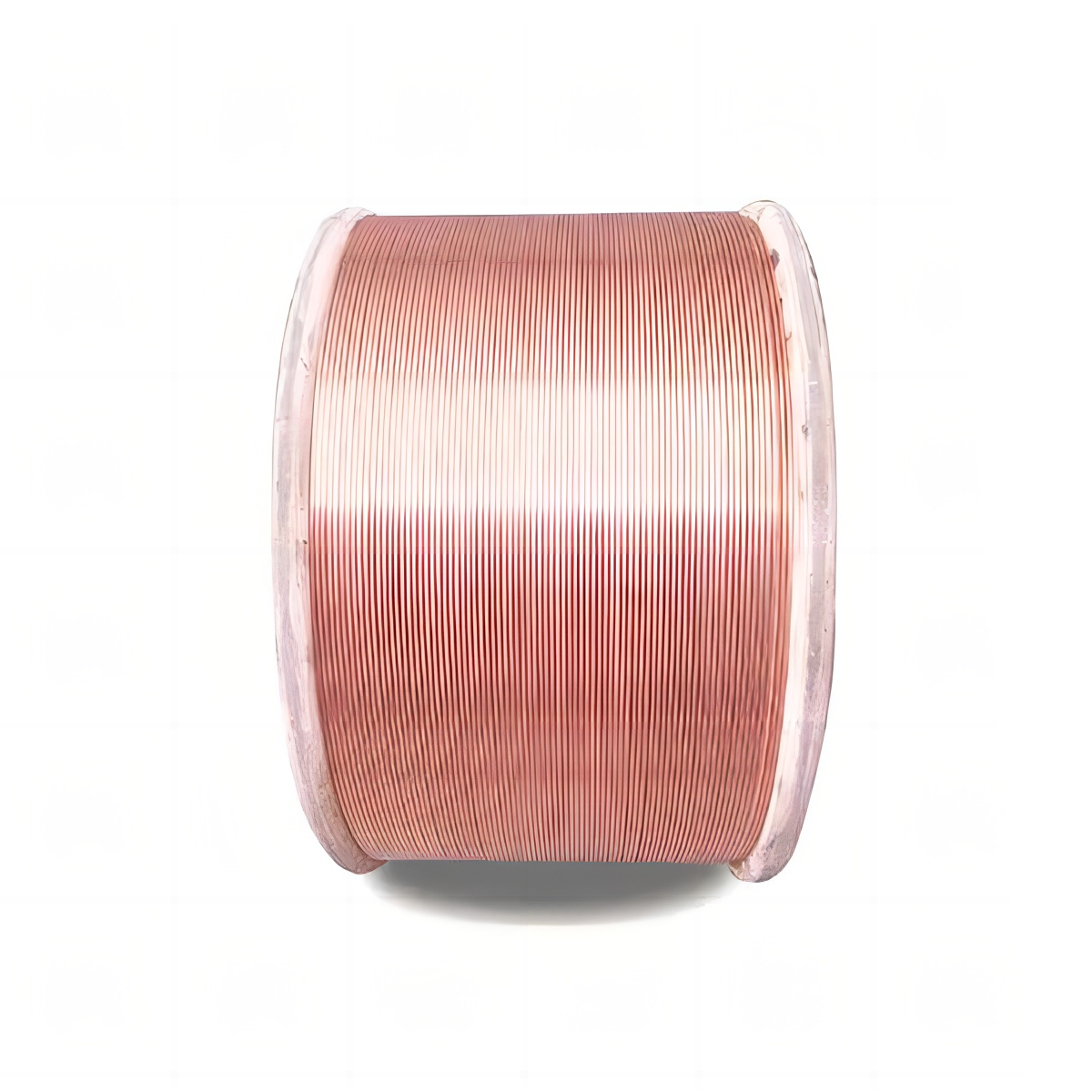
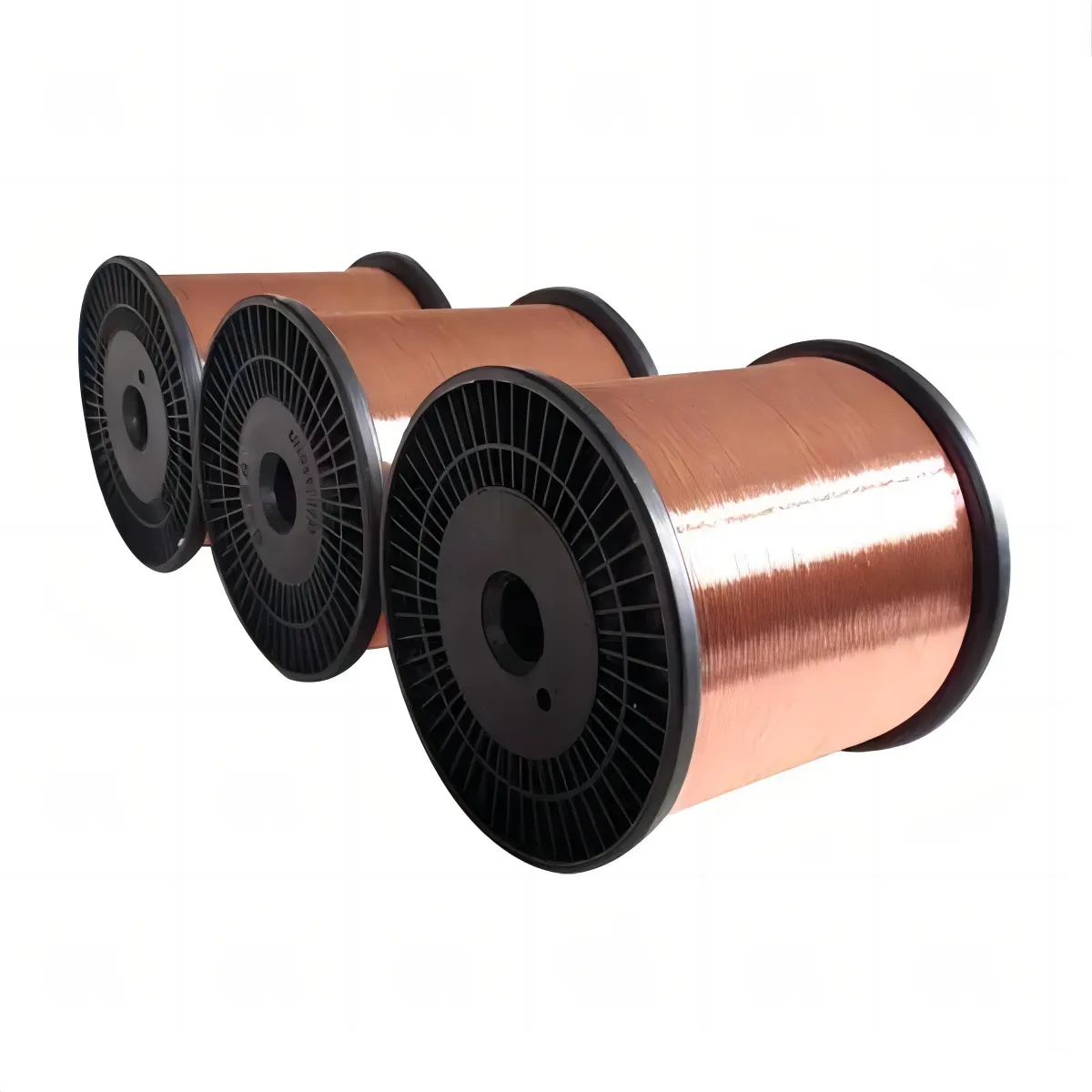
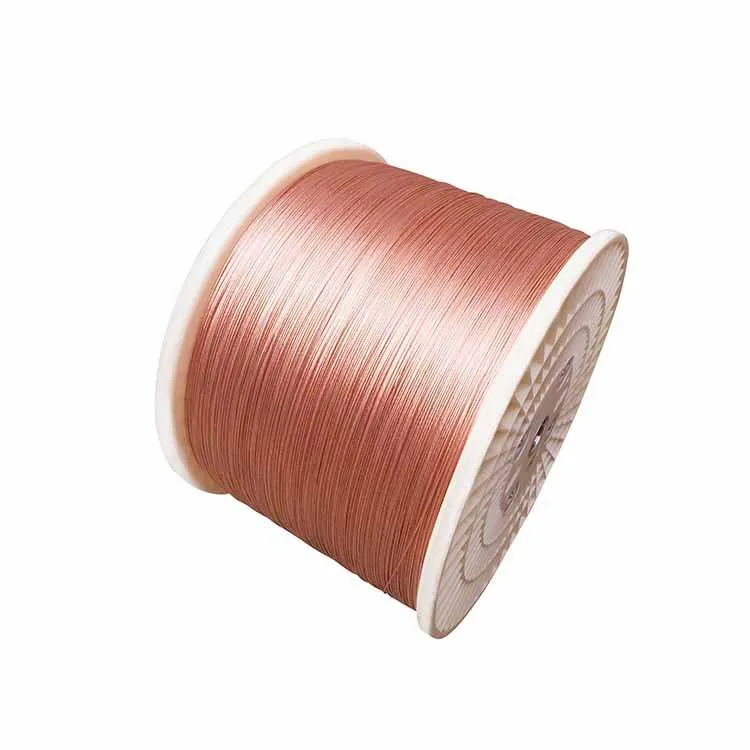
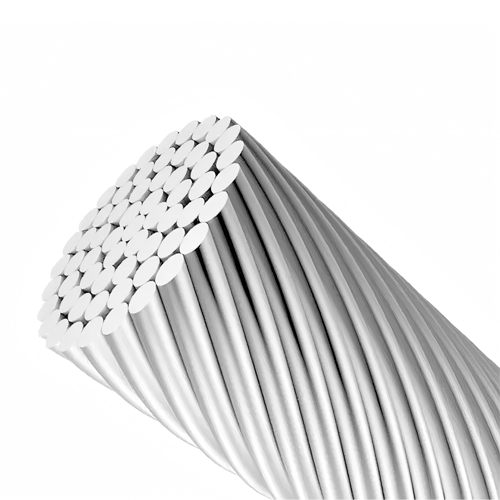
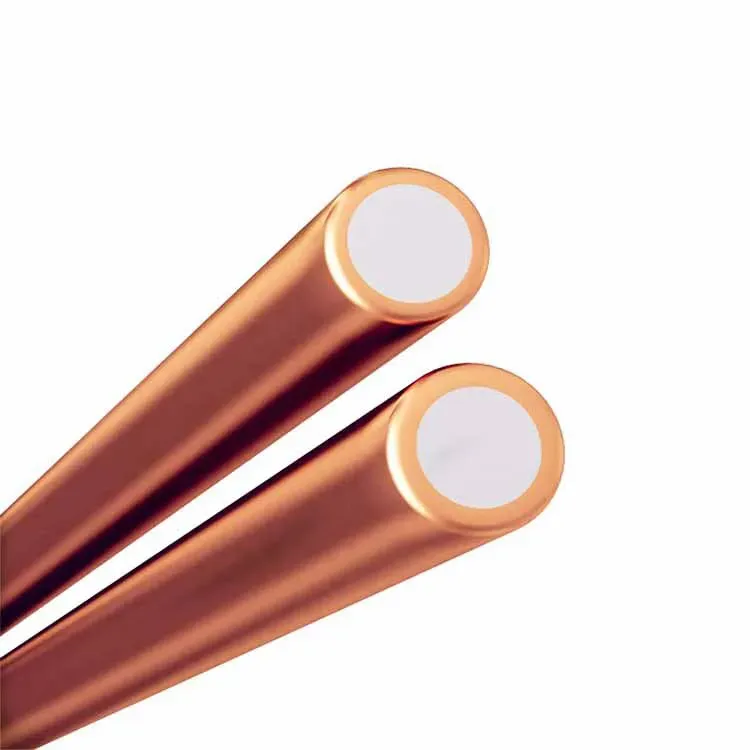
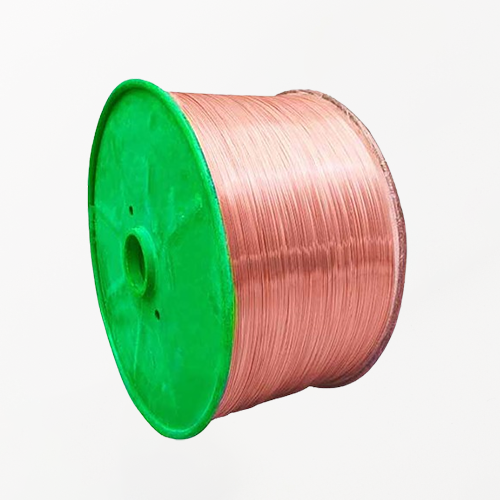
Copper plated aluminum is an innovative solution that combines the lightweight properties of aluminum with the excellent conductivity of copper. This unique combination allows for reduced weight in electrical applications without compromising performance. Our copper plated aluminum products are resistant to corrosion, ensuring longevity and reliability in various environments. The manufacturing process is meticulously controlled, ensuring that each product meets high standards of quality. By choosing copper plated aluminum, clients benefit from improved efficiency and cost-effectiveness in their electrical systems.
Get A Quote

Transforming Electrical Systems with Copper Plated Aluminum

High-Voltage Power Lines

In a recent project, a utility company sought a lightweight alternative for high-voltage power lines. By utilizing our copper plated aluminum conductors, they achieved a significant weight reduction while maintaining optimal conductivity. This not only facilitated easier installation but also enhanced the overall efficiency of the power distribution network. The project's success led to a 15% reduction in operational costs, demonstrating the effectiveness of our products in large-scale applications.

Renewable Energy Installations

A solar energy provider faced challenges with traditional wiring solutions that were too heavy and inefficient. Our copper plated aluminum cables provided the perfect solution, allowing for a streamlined installation process and improved energy transfer. The lightweight nature of the cables reduced the structural load on solar panels, leading to a 20% increase in energy output. This case highlights the adaptability of our products in the renewable energy sector.

Automotive Industry Innovations

An automotive manufacturer sought to enhance the efficiency of their electrical systems. By integrating our copper plated aluminum wiring, they experienced a reduction in weight and an increase in conductivity. This innovation contributed to improved fuel efficiency and performance in their vehicles. The collaboration resulted in a new standard for wiring in electric vehicles, showcasing the versatility and benefits of our copper plated aluminum products.

Related products

Aluminum copper plating is helping the electrical industry improve even further by utilizing the best attributes of both copper and aluminum. It all starts with aluminum alloy, and is then processed with modern techniques, plating a thin layer of copper over the aluminum, ensuring conductivity and lightness. Our production lines are fully automated with craftsmanship, capturing each and every manufacturing stage, from raw material acquisition, to final inspection of the product. This attention to detail translates to an elevation of product quality in turn recognizing our philosophy of customer value. Our management, with years of experience, is always on the lookout for ways to improve and, is focused on providing bespoke solutions for every technical problem given the opportunity to the customers from all over the world.. In all areas of electrical systems, power generation, renewable energy, and even the automotive sector, aluminum with copper plating is the best option and will always provide reliability and great efficiency, every time.

Frequently Asked Questions about Copper Plated Aluminum

What are the advantages of using copper plated aluminum?

Copper plated aluminum offers the lightweight benefits of aluminum while providing the superior conductivity of copper. This combination results in reduced weight and improved efficiency in electrical applications.
The manufacturing process involves plating high-quality aluminum with a thin layer of copper. This is done using advanced techniques that ensure a strong bond and optimal conductivity.

Related article

Al-Mg Alloy Wire Conductivity Calculation: A Practical Example

15

Jan

Al-Mg Alloy Wire Conductivity Calculation: A Practical Example

Al-Mg Alloy Wire Composition and Its Direct Impact on Electrical Conductivity

The electrical conductivity of aluminum-magnesium alloy wire really hinges on how much magnesium is present. As magnesium content ranges between 0.5 to 5 weight percent, it gets incorporated into the aluminum's crystal structure, which messes with the way electrons move through the material. This happens because the magnesium creates tiny distortions at the atomic level that act as obstacles for electron flow. For every additional 1% magnesium added, we generally see around a 3 to 4% drop in conductivity according to the International Annealed Copper Standard benchmark. Some sources claim a 10% reduction, but that number tends to exaggerate what actually occurs in standard commercial products. It also mixes up normal alloy behavior with situations involving very high levels of impurities. The main reason behind this conductivity loss? More magnesium means more scattering events for electrons encountering those dissolved atoms, and naturally leads to higher resistance as magnesium concentration increases.

How magnesium content (0.5–5 wt%) governs electron scattering in aluminum magnesium alloy wire

Magnesium atoms substitute for aluminum in the lattice, distorting local symmetry and impeding electron motion. The magnitude of scattering intensifies nonlinearly above ~2 wt% Mg, where solubility limits are approached. Key experimentally observed impacts include:

  • At 1 wt% Mg: resistivity rises ∼3 nΩ·m versus pure aluminum (ρ = 26.5 nΩ·m)
  • Above 3 wt% Mg: electron mean free path shortens by ~40%, accelerating resistivity growth
    Staying within the equilibrium solid solubility limit (~1.9 wt% Mg at room temperature) is essential—excess Mg promotes β-phase (Al₃Mg₂) precipitation, which introduces larger, less frequent scattering sites but degrades long-term stability and corrosion resistance.

Solid solution hardening vs. precipitate formation: Microstructural drivers of conductivity loss in cold-drawn aluminum magnesium alloy wire

Cold drawing enhances strength but also amplifies microstructural influences on conductivity. Two interrelated mechanisms dominate:

  1. Solid solution hardening: Dissolved Mg atoms elastically strain the Al lattice, acting as distributed scattering centers. This mechanism dominates in low-Mg alloys (<2 wt%) and during cold working below ~150°C, where diffusion is suppressed and precipitates remain absent. It delivers high strength gains with relatively modest conductivity penalties.

  2. Precipitate formation: Above ~3 wt% Mg—and especially after thermal aging—β-phase (Al₃Mg) particles nucleate. While these larger obstacles scatter electrons less efficiently per atom than dissolved Mg, their presence signals supersaturation and instability. Precipitates reduce lattice strain but introduce interfacial scattering and accelerate localized corrosion.

Mechanism Conductivity Impact Dominant When Practical Implication
Solid solution High resistivity Low Mg (<2 wt%), cold-worked Best for applications prioritizing stable, predictable conductivity
Precipitates Moderate resistivity High Mg (>3 wt%), thermally aged Acceptable only with strict process control and corrosion mitigation

Optimal processing balances these effects: controlled aging minimizes coarse precipitate formation while leveraging fine, coherent clusters to enhance strength without disproportionate conductivity loss.

Standardized Conductivity Measurement and Calculation for Aluminum Magnesium Alloy Wire

From Resistivity to %IACS: ASTM E1004-Compliant Four-Point Probe Calculation Workflow

Getting accurate conductivity readings for aluminum-magnesium alloy wires means following the ASTM E1004 guidelines pretty closely. The standard calls for using a four-point probe on wire segments that have been straightened out and stripped of any oxides. Why? Because this approach actually gets rid of those pesky contact resistance issues that plague regular two-point measurements. Labs need to keep things really tight when taking these readings - temperatures should stay within 20 degrees Celsius plus or minus just 0.1 degree. And of course, everyone needs to be working with properly calibrated equipment and standards that can trace back to NIST. To figure out the International Annealing Copper Standard percentage, we take the bulk resistivity value (measured in nanoohm meters) and plug it into this formula: %IACS equals 17.241 divided by resistivity multiplied by 100. That number, 17.241, represents what standard annealed copper looks like at room temperature. Most certified labs can get within about 0.8% accuracy if everything goes right. But there's another trick too: the distance between the probes has to be at least three times the actual wire diameter. This helps create an even electric field across the sample and prevents those annoying edge effect problems that throw off results.

Measurement Factor Four-Point Probe Requirement Impact on %IACS Accuracy
Temperature stability ±0.1°C controlled bath ±0.15% error per 1°C deviation
Probe alignment Parallel electrodes ±0.01mm Up to 1.2% variance if misaligned
Current density ∼100 A/cm² Prevents Joule heating artifacts

Eddy Current vs. DC Four-Wire Measurement: Accuracy Trade-offs for Sub-2 mm Aluminum Magnesium Alloy Wire

For thin aluminum–magnesium alloy wire (<2 mm diameter), method selection hinges on accuracy requirements and production context:

  • Eddy current testing
    Offers non-contact, high-speed scanning ideal for inline quality sorting. However, its sensitivity to surface condition, near-surface segregation, and phase distribution limits reliability when Mg exceeds ~3 wt% or microstructure is inhomogeneous. Typical accuracy is ±2% IACS for 1 mm wire—sufficient for pass/fail screening but inadequate for certification.

  • The DC four wire Kelvin measurement technique can achieve around plus or minus 0.5 percent IACS accuracy even when dealing with thin wires as small as 0.5 mm that contain higher magnesium levels. Before getting accurate readings though, there are several preparation steps needed. First, specimens need to be properly straightened out. Then comes the tricky part - removing surface oxides through methods like gentle abrasion or chemical etching. Thermal stability during testing is also crucial. Despite needing all this prep work and taking about five times longer than other methods, many still rely on it because it's currently the only approach recognized by ASTM E1004 standards for official reports. For applications where electrical conductivity directly affects how well a system performs or meets regulatory requirements, this extra time investment often makes sense despite the slower process.

Step-by-Step Conductivity Calculation: A Real-World Example for 3.5 wt% Aluminum Magnesium Alloy Wire

Input validation: Resistivity measurement, 20°C temperature correction, and Mg solubility assumptions

Getting accurate conductivity calculations starts with making sure all input data is properly validated first. When measuring resistivity, it's essential to use ASTM E1004 compliant four point probes on wires that have been straightened out and thoroughly cleaned. The readings then need adjustment to account for temperature differences from the standard 20 degree Celsius reference point. This correction follows the formula rho_20 equals rho_measured multiplied by [1 plus 0.00403 times (temperature minus 20)]. The value 0.00403 per degree Celsius represents how much resistivity changes with temperature for aluminum magnesium alloys around room temperatures. Something worth noting about these measurements: when working with a 3.5 weight percent magnesium alloy, we're actually looking at something beyond what's normally possible since the equilibrium solubility limit sits around just 1.9 weight percent at 20 degrees Celsius. What this means in practice is that the resistivity numbers obtained don't only reflect solid solution effects but probably include some contribution from either metastable or stable beta phase precipitates forming within the material. To really understand what's going on here, microstructural analysis through methods like scanning electron microscopy combined with energy dispersive spectroscopy becomes absolutely necessary for meaningful interpretation of test results.

Numerical walkthrough: Converting 29.5 nΩ·m to %IACS with ±0.8% uncertainty

Consider a measured resistivity of 29.5 nΩ·m at 25°C:

  1. Temperature-correct to 20°C:
    ρ_20 = 29.5 × [1 + 0.00403 × (25 − 20)] = 30.1 nΩ·m
  2. Apply %IACS formula:
    %IACS = (17.241 / 30.1) × 100 = 57.3%

The plus or minus 0.8% uncertainty comes from putting together all those calibration errors, temperature effects, and alignment issues we always have to deal with during testing. It doesn't actually reflect any natural variation in the materials themselves. Looking at real world measurements for cold drawn wire that's been aged a bit, around 3.5 weight percent magnesium content usually shows conductivities between about 56 and 59 percent IACS. Something worth remembering though is that this rule of thumb about losing 3% conductivity for every additional weight percent magnesium works best when magnesium levels stay under 2%. Once we go past that threshold, things start breaking down faster because of these little precipitates forming and the whole microstructure getting more complicated as well.

Practical Implications for Engineers Selecting Aluminum Magnesium Alloy Wire

When specifying aluminum–magnesium alloy wire for electrical applications, engineers must balance three interdependent parameters: conductivity, mechanical strength, and environmental durability. Magnesium content (0.5–5 wt%) sits at the center of this trade-off:

  • Conductivity: Every 1 wt% Mg reduces conductivity by ~3% IACS below 2 wt%, rising to ~4–5% IACS loss near 3.5 wt% due to scattering from early-stage precipitates.
  • Strength: Yield strength increases ~12–15% per 1 wt% Mg—primarily via solid solution hardening below 2 wt%, then increasingly via precipitation hardening above 3 wt%.
  • Corrosion resistance: Mg improves atmospheric corrosion resistance up to ~3 wt%, but excess Mg promotes grain boundary β-phase formation, accelerating intergranular corrosion—especially under cyclic thermal or mechanical stress.

When dealing with important stuff like overhead transmission lines or busbars, it's better to go with ASTM E1004 compliant DC four wire resistivity measurements instead of relying on eddy current methods for those tiny sub 2 mm wires. Temperature matters too folks! Make sure there are mandatory baseline corrections at 20 degrees Celsius because even a 5 degree swing can throw off readings by about 1.2% IACS, which messes up meeting specs. For checking how materials hold up over time, run those accelerated aging tests using standards like ISO 11844 with salt spray and thermal cycling. Research indicates that if materials aren't properly stabilized, corrosion along grain boundaries jumps up around three times after just 10,000 load cycles. And don't forget to double check what suppliers claim about their products. Look at actual composition reports from reliable sources, especially when it comes to iron and silicon content that should stay below 0.1% total. These impurities really hurt fatigue resistance and can lead to dangerous brittle fractures down the road.
View More
Best Practices for Consistent Quality in Stranded Wires

17

Nov

Best Practices for Consistent Quality in Stranded Wires

Precision Manufacturing for Reliable Stranded Wire Quality Control

Modern stranded wire quality control relies on advanced manufacturing techniques that minimize variability while meeting international performance standards. By integrating automation with rigorous testing protocols, producers achieve the consistency required for critical applications in aerospace, telecommunications, and power transmission.

The Role of Automated Wire Manufacturing in Reducing Human Error

Automated production systems execute wire stranding and insulation processes with micron-level precision, eliminating manual measurement inconsistencies. Robotic tension controllers maintain optimal force during twisting operations, reducing strand breakage by 62% compared to legacy systems according to recent manufacturing audits.

Implementing CCATCCA Wire Consistency Standards in Production Lines

Leading manufacturers combine automated SPC protocols with modular production systems to achieve CCATCCA compliance. These integrated solutions enable real-time adjustments to wire diameter (±0.01mm tolerance) and insulation thickness, crucial for maintaining conductivity specifications across high-volume batches.

Real-Time Monitoring Systems for Diameter and Tensile Strength

Laser micrometer arrays and computer vision systems perform 100% inline inspection, flagging diameter deviations within 0.5 milliseconds. Simultaneous tensile strength analysis using strain gauge feedback prevents substandard materials from progressing through production, ensuring uniform mechanical properties.

Case Study: Leading Asian Cable Manufacturer’s QC Protocol Upgrade

Litong Cable Technology reduced defect rates by 47% after implementing AI-driven process controls across their stranding lines. The upgraded system automatically correlates electrical resistance readings with dimensional stability data, enabling predictive maintenance that cut material waste by 28% within eight production cycles.

Material Selection and Core Integrity in Stranded Wire Assembly

Evaluating Coaxial Cable Core Materials for Durability and Conductivity

For coaxial cables to work at their best, the core materials need to strike a good balance between being tough enough physically and letting signals pass through without interference. Most people still go with oxygen-free high-conductivity copper as the top choice. According to ASTM B3-2024 standards, this material needs to be at least 99.95% pure for really important applications. Some recent tests have actually shown that when OFHC is made in a stranded configuration instead of solid, it performs better in flexibility tests. These stranded versions can handle about 40% more bending before they break down, and they keep around 99.8% of their conductivity even after all that stress. There's also been some interesting developments with silver-plated copper-clad aluminum cores lately. They're lighter by about 18% compared to traditional options and seem to hold up just fine in terms of conductivity for most regular frequency ranges where perfection isn't absolutely necessary.

Copper Purity Standards and Their Impact on Signal Transmission

The quality of signals in high frequency systems really depends on how pure the copper is used. Even tiny amounts of impurities, as small as 0.01%, can actually change how much resistance there is in the circuit. When looking at cables that meet IEC 60228 Class 5 standards which means they're about 99.99% pure copper these show around 1.7 dB per kilometer less signal loss at frequencies hitting 1 GHz when compared to the older Class 4 cables. What makes this important? Well, higher purity copper cuts down on those crystal boundary areas inside the metal by roughly 32%. Fewer boundaries mean electrons don't bounce around so much, which keeps 5G networks and millimeter wave communications running smoother. Companies that stick with these better standards have noticed something interesting too. They tend to experience about 23% fewer problems with lost signals across their telecom equipment installations. Makes sense why network operators are pushing for this kind of material quality nowadays.

Advanced Twisting Techniques to Ensure Stranded Wire Uniformity

Modern wire manufacturing relies on precision twisting methods to balance flexibility and durability. Recent conductor stranding research highlights how stranded conductors reduce skin effect, enhancing conductivity in AC applications while providing superior mechanical strength. Three core methodologies ensure consistent quality:

Optimal Lay Length and Its Effect on Flexibility and Fatigue Resistance

The lay length—the distance for a strand to complete one twist—directly impacts performance. Shorter lay lengths enhance fatigue resistance, ideal for dynamic applications like robotics, while longer lengths improve flexibility for tight spaces. Industry standards such as CCATCCA specify optimal ranges to prevent premature wire failure.

Balancing Tension Across Strands in High-Speed Bunching Machines

Advanced bunching machines utilize real-time tension control systems maintaining ±2% tolerance, crucial for fine wire production. These systems achieve speeds up to 5,400 twists per minute, minimizing breakage and ensuring uniformity across all strands.

Comparative Analysis: Concentric vs. Rope-Lay Configurations

Configuration

Flexibility

EMI Reduction

Primary Use Cases

Concentric Stranding

Moderate

Up to 40 dB

Power transmission, industrial wiring

Rope-Lay

High

25–28 dB

Robotics, portable devices

Concentric stranding’s layered design offers excellent EMI shielding, while rope-lay configurations prioritize flexibility. Field data shows concentric strands withstand 50% more vibration cycles in automotive environments compared to rope-lay alternatives.

Environmental and Operational Factors Affecting Wire Consistency

Temperature Variance and Oxidation Control During Production

Changes in temperature during production have a real effect on how stranded wires perform. When temperatures swing by plus or minus 15 degrees Celsius, it can actually cut down the tensile strength of the wire by as much as 12 percent. To combat this issue, modern manufacturing plants use special climate controlled extrusion areas and those fancy nitrogen filled annealing ovens that keep copper from oxidizing too much, usually below half a tenth of a percent surface damage. These days, most factories rely on real time thermocouples spread throughout the system to keep conductor temps pretty close to what they should be during insulation steps. This kind of temperature control matters a lot especially when making cables for aircraft where tolerances need to be measured in microns rather than millimeters.

Moisture Resistance Testing for Long-Term Installation Reliability

To test how stranded wires age over time, engineers run these accelerated tests that mimic what happens during about 20 years of real world use. The tests include putting them in chambers with nearly 98% humidity and exposing them to salt spray conditions too. Cable makers have been doing some interesting research lately showing that PET based insulation materials keep around 94% of their original electrical resistance even after going through 5,000 temperature changes. That beats regular PVC insulation by quite a margin actually, roughly 37% better performance. When it comes to underwater cables specifically, companies are starting to use something called helium mass spectrometers to check if water gets into the protective layers. These tests show leakage rates under 1 times 10 to the minus sixth power mbar liters per second. Pretty impressive when compared to older methods from just ten years back which were about 15 times worse at keeping moisture out.

Advanced Testing Protocols for Effective Stranded Wire Quality Control

Conductivity, Elongation, and Bend Testing Benchmarks

Rigorous electrical and mechanical testing forms the foundation of stranded wire quality control. Modern facilities employ three-phase validation:

  • Conductivity tests verify copper purity meets IEC 60228 Class 5/6 standards (minimum 101% IACS conductivity)
  • Elongation assessments using computerized tensile machines measure ductility under 30–50 kN loads per ASTM B557-23
  • Bend testing simulates real-world installation stresses through 180° reverse bends at subzero temperatures (-40°C)

A 2024 Material Performance Study found wires meeting all three benchmarks demonstrated 92% fewer field failures over 5-year deployments compared to industry averages.

Non-Destructive Evaluation Using Eddy Current and Ultrasonic Methods

Leading manufacturers now combine traditional destructive tests with advanced nondestructive evaluation (NDE) techniques. Eddy current testing detects subsurface defects like micro-cracks at 0.3mm resolution, while phased-array ultrasonic systems map strand uniformity across 256 measurement points simultaneously.

This dual NDE approach reduces false positives by 47% compared to single-method systems, enabling real-time corrections during production rather than post-process scrap.

Industry Paradox: Balancing Cost Efficiency with Zero-Defect Goals

The stranded wire sector faces mounting pressure to achieve automotive-grade PPB (parts per billion) defect rates while containing costs. Recent analysis reveals:

Quality Investment

Defect Reduction

Cost Impact

Automated optical inspection

63%

+8% production cost

Predictive maintenance systems

41%

+5% capital expense

AI-driven process optimization

79%

+12% upfront, -9% long-term

A Ponemon Institute study (2023) calculated that $740k in annual quality spending typically yields $2.1M in reduced warranty claims and brand erosion costs, creating a 184% ROI within 18 months for early adopters.

Frequently Asked Questions

Why is copper purity important in stranded wire manufacturing?

Copper purity is crucial because even tiny impurities can affect the resistance and overall quality of the wire. Higher copper purity decreases signal loss and enhances conductivity, crucial for applications like 5G networks.

How do automated systems reduce human error in wire manufacturing?

Automated systems execute processes with high precision, minimizing manual measurement inconsistencies. These systems use robotic controllers and real-time monitoring to ensure consistency and reduce strand breakage effectively.

What advanced techniques are used for stranded wire quality control?

Modern stranded wire quality control includes advanced nondestructive evaluation techniques like eddy current and ultrasonic methods along with rigorous electrical and mechanical testing protocols.

View More
Let's explore the innovations in the manufacturing process of a wire product.

14

Jul

Let's explore the innovations in the manufacturing process of a wire product.

Smart Automation in Wire Manufacturing

AI-Driven Production Optimization

Artificial intelligence is changing how wires get made on factory floors these days. With AI systems watching over production lines, factories spot problems long before they actually stop things from running smoothly. Some plants report their operations getting about 20% better once they brought in smart monitoring tools. Less time wasted means fewer missed delivery dates and products that stick closer to quality specs. Take XYZ Manufacturing for example they cut down scrap materials by almost half after installing predictive maintenance software last year. When manufacturers start using machine learning models, they gain better control over day-to-day decisions. Resources go exactly where needed at exactly the right moment, which makes everyone in the plant work together more efficiently than ever before.

IoT-Enabled Quality Monitoring Systems

Bringing IoT devices into wire manufacturing changed how we monitor production completely, giving us live updates on all sorts of wire quality measurements. When teams get immediate access to these numbers, they can jump in right away if something goes wrong, which cuts down defects and makes customers happier overall. The stats back this up too many factories report seeing fewer faulty wires making it out the door since implementing these smart monitoring systems. Data analysis tools help manufacturers spot patterns over time, so they know when adjustments need to happen before problems even start. Looking at actual usage data instead of just guesswork keeps quality standards from slipping, and most importantly, keeps what comes off the line matching what customers actually want.

Enhanced Enameled Wire for High-Temperature Applications

Recent improvements in enameled wire tech have really opened doors for applications in hot environments, representing a big leap forward for the wire manufacturing sector. Auto makers and aerospace companies are turning to these upgraded materials because they hold up better when things get super hot and stay durable even when pushed to extremes. Take this for example: modern enameled wires can handle heat well above 200 degrees Celsius, which makes them perfect for placement near engines or inside sensitive electronics. These wires last longer than older versions too, so there's less need to replace them all the time, cutting down on those annoying maintenance expenses. Plus, when used in various electronic parts, they keep performing reliably no matter what temperature swings come along, helping make sure high tech equipment runs smoothly without unexpected breakdowns.

Copper Clad Aluminum Wire: Efficiency Advancements

Copper clad aluminum (CCA) wire stands out as a cheaper option compared to regular copper wire, especially when weight matters and budget constraints are tight. What makes CCA special is that it takes advantage of copper's good conductivity while keeping the lightness of aluminum. This combination cuts down on material expenses and also saves energy during operation. More companies are switching to CCA these days, and studies show around 25% better energy efficiency than standard copper wiring, though results can vary depending on installation conditions. Another plus point for CCA is its ability to resist corrosion much longer than pure copper, which means equipment lasts longer before needing repairs or replacement. As a result, many industrial sectors are finding ways to incorporate this material into their electrical systems, helping them cut costs while still meeting sustainability goals.

You can explore more about Copper Clad Aluminum Wire by visiting the product page.

Solid Wire vs Stranded Wire Performance Analysis

Looking at solid wire versus stranded wire shows some pretty different characteristics that affect where each gets used. Solid wire conducts electricity better because it's just one continuous piece, but this comes at a price - it doesn't bend well and breaks easily when moved around too much. That makes it a poor fit for places where things get shaken up or need frequent adjustments. Stranded wire tells a different story altogether. Made from lots of tiny wires all twisted together, it bends nicely and holds up under stress much better. This is why we see so many automotive manufacturers going for stranded options in engine compartments and other areas subject to constant vibration. When engineers pick between these two types, they usually consider three main factors: how strong the material needs to be, whether it must flex regularly, and what fits within budget constraints. Getting this right matters a lot since choosing the wrong type can lead to failures down the road.

Sustainable Manufacturing Techniques

Energy-Efficient Wire Drawing Processes

Energy efficient wire drawing processes make a big difference when it comes to cutting down power usage across manufacturing facilities. Tech improvements over recent years aim at getting the most out of every watt while still keeping product quality intact. Take a look at what some manufacturers are doing these days - many have swapped out old motors for high efficiency models and installed smart control systems that automatically adjust settings based on demand. The results speak for themselves according to factory managers we spoke with last month during an industry conference. One plant manager mentioned they cut their monthly electricity bill by nearly 30% after upgrading their equipment just six months ago.

The impact of going green in wire manufacturing goes beyond just checking boxes. When manufacturers adopt energy saving methods, they meet regulatory requirements while building better sustainability credentials. The real win comes from reduced operating costs too many businesses overlook this benefit completely. For instance, lower electricity bills alone can make a noticeable difference in monthly expenses. So it works out well for everyone involved nature stays protected and companies actually save money in the long run rather than just spending more on eco initiatives.

Recycled Material Integration

More and more wire producers are turning to recycled materials these days, which brings real environmental advantages to the table. Big names in the business have started looking seriously at ways to incorporate old copper and aluminum into their manufacturing processes. The bottom line? Factories cut down on carbon emissions when they reuse metal instead of mining new stuff, plus they save money too. Some rough estimates floating around the industry point to about a 30 percent drop in production expenses when companies switch to recycled inputs. Makes sense really since recycling avoids all those energy intensive steps involved in extracting raw materials from scratch.

Using recycled materials for wire production comes with its share of headaches, especially when it comes to keeping product quality consistent across batches. Many manufacturers have started implementing better sorting methods and cleaner processing systems to get rid of impurities that can ruin the final product. The extra work pays off in multiple ways. First, it maintains the standards customers expect. Second, it shows that recycled content can actually be reliable enough for serious industrial applications. Some plants now mix recycled metals with virgin material at specific ratios to strike the right balance between sustainability goals and performance requirements.

Design and Standardization Trends

Stranded Wire Size Chart Modernization

The latest changes to stranded wire size charts actually mirror what's happening in today's tech world and industrial applications. Manufacturers need these updates because they help them keep up with what different industries demand now, which makes all those electrical systems safer and works better together. Having standard measurements matters a lot when it comes to keeping things consistent and dependable across multiple sectors. Take the automotive industry for example, or companies working in renewable energy sources like solar panels and wind turbines. These businesses absolutely depend on up to date standards just to make sure everything runs safely and efficiently without any hiccups. Many firms operating in these areas report good results from the new sizing information, saying it gives them more freedom to develop new products while still sticking to important safety regulations that protect workers and equipment alike.

3D-Printed Tooling for Custom Wire Forms

The advent of 3D printing has changed how manufacturers approach tooling and fixtures in wire production. Instead of relying on traditional methods, factories can now create custom tools right when they need them. These specialized tools fit exactly what's required for each job, which cuts down waiting periods and saves money on unnecessary expenses. Real world examples show that companies switching to 3D printed components often finish projects faster than before. Looking ahead, there's plenty of room for growth in this area. Wire manufacturers are already experimenting with new shapes and configurations that were impossible with older techniques. While still developing, 3D printing technology holds real promise for transforming not just individual parts but entire manufacturing processes across the industry.

View More
How to Choose CCA Wire for Power Cables and Conductors

25

Dec

How to Choose CCA Wire for Power Cables and Conductors

What Is CCA Wire? Composition, Electrical Performance, and Key Trade-Offs

What Is CCA Wire? Composition, Electrical Performance, and Key Trade-Offs

Copper-clad aluminum structure: Layer thickness, bonding integrity, and IACS conductivity (60␗70% of pure copper)

Copper Clad Aluminum or CCA wire basically has an aluminum center covered with a thin copper coating that makes up around 10 to 15 percent of the overall cross section. The idea behind this combination is simple really it tries to get the best of both worlds lightweight and affordable aluminum plus the good conductivity properties of copper on the surface. But there's a catch. If the bond between these metals isn't strong enough, tiny gaps can form at the interface. These gaps tend to oxidize over time and can boost electrical resistance by as much as 55% compared to regular copper wires. When looking at actual performance numbers, CCA typically reaches about 60 to 70% of what's called the International Annealed Copper Standard for conductivity because aluminum just doesn't conduct electricity as well as copper does throughout its entire volume. Because of this lower conductivity, engineers need to use thicker wires when working with CCA to handle the same amount of current as copper would. This requirement pretty much cancels out most of the weight and material cost benefits that made CCA attractive in the first place.

Thermal limitations: Resistive heating, ampacity derating, and impact on continuous load capacity

The increased resistance of CCA leads to more significant Joule heating when carrying electrical loads. When ambient temperatures reach around 30 degrees Celsius, the National Electrical Code requires reducing the current capacity of these conductors by approximately 15 to 20 percent compared to similar copper wires. This adjustment helps prevent insulation and connection points from overheating beyond safe limits. For regular branch circuits, this means about a quarter to third less continuous load capacity available for actual use. If systems run consistently above 70% of their maximum rating, the aluminum tends to soften through a process called annealing. This weakening affects the conductor's core strength and can damage connections at terminations. The problem gets worse in tight spaces where heat simply cannot escape properly. As these materials degrade over months and years, they create dangerous hot spots throughout installations, which ultimately threatens both safety standards and reliable performance in electrical systems.

Where CCA Wire Falls Short in Power Applications

POE deployments: Voltage drop, thermal runaway, and non-compliance with IEEE 802.3bt Class 5/6 power delivery

CCA wire just doesn't work well with today's Power over Ethernet (PoE) systems, especially those following the IEEE 802.3bt standards for Classes 5 and 6 that can deliver up to 90 watts. The problem comes down to resistance levels that are about 55 to 60 percent higher than what we need. This creates serious voltage drops along regular cable lengths, making it impossible to maintain the stable 48-57 volts DC needed at devices on the other end. What happens next is pretty bad too. The extra resistance generates heat, which makes things worse because hotter cables resist even more, creating this vicious cycle where temperatures keep climbing dangerously high. These issues run afoul of NEC Article 800 safety rules as well as the IEEE specifications. Equipment might stop working altogether, important data could get corrupted, or worst case scenario, components suffer permanent damage when they don't receive enough power.

Long runs and high-current circuits: Exceeding NEC 3% voltage drop threshold and Article 310.15(B)(1) ampacity derating requirements

Cable runs longer than 50 meters often push CCA past the NEC's 3% voltage drop limit for branch circuits. This creates problems like inefficient equipment operation, early failures in sensitive electronics, and all sorts of performance issues. At current levels above 10 amps, CCA needs serious ampacity reductions according to NEC 310.15(B)(1). Why? Because aluminum just doesn't handle heat as well as copper does. Its melting point is around 660 degrees Celsius compared to copper's much higher 1085 degrees. Trying to fix this by oversizing the conductors basically cancels out any cost savings from using CCA in the first place. Real world data tells another story too. Installations with CCA tend to have about 40% more thermal stress incidents compared to regular copper wiring. And when these stress events happen inside tight conduit spaces, they create a real fire hazard that nobody wants.

Safety and Compliance Risks of Misapplied CCA Wire

Oxidation at terminations, cold flow under pressure, and NEC 110.14(A) connection reliability failures

When the aluminum core inside CCA wire gets exposed at connection points, it starts oxidizing pretty quickly. This creates a layer of aluminum oxide that has high resistance and can raise localized temperatures by around 30%. What happens next is even worse for reliability issues. When those terminal screws apply constant pressure over time, the aluminum actually flows out cold from the contact areas, making connections gradually loosen. This violates code requirements like NEC 110.14(A) that specify secure, low resistance joints for permanent installations. The heat generated through this process leads to arc faults and breaks down insulation materials, something we see frequently mentioned in NFPA 921 investigations about fire causes. For circuits handling more than 20 amps, problems with CCA wires show up about five times quicker compared to regular copper wiring. And here's what makes it dangerous - these failures often develop silently, giving no obvious signs during normal inspections until serious damage occurs.

Key failure mechanisms include:

  • Galvanic corrosion at copper␗aluminum interfaces
  • Creep deformation under sustained pressure
  • Increased contact resistance, rising over 25% after repeated thermal cycling

Proper mitigation requires antioxidant compounds and torque-controlled terminals specifically listed for aluminum conductors␔measures rarely applied in practice with CCA wire.

How to Select CCA Wire Responsibly: Application Fit, Certifications, and Total Cost Analysis

Valid use cases: Control wiring, transformers, and low-power auxiliary circuits ␔ not branch circuit conductors

CCA wire can be used responsibly in low-power, low-current applications where thermal and voltage-drop constraints are minimal. These include:

  • Control wiring for relays, sensors, and PLC I/O
  • Transformer secondary windings
  • Auxiliary circuits operating below 20A and 30% continuous load

CCA wiring shouldn't go into circuits that power outlets, lights, or any standard electrical loads around the building. The National Electrical Code, specifically Article 310, bans its use in 15 to 20 amp circuits because there have been real issues with things getting too hot, voltage fluctuations, and connections failing over time. When it comes to situations where CCA is allowed, engineers need to check that the voltage doesn't drop more than 3% along the line. They also have to make sure all connections meet the standards laid out in NEC 110.14(A). These specs are pretty tough to hit without special equipment and proper installation techniques most contractors aren't familiar with.

Certification verification: UL 44, UL 83, and CSA C22.2 No. 77 ␔ why listing matters more than labeling

Third-party certification is essential␔not optional␔for any CCA conductor. Always verify active listing against recognized standards:

Standard Scope Critical Test
UL 44 Thermoset-insulated wire Flame resistance, dielectric strength
UL 83 Thermoplastic-insulated wire Deformation resistance at 121°C
CSA C22.2 No. 77 Thermoplastic-insulated conductors Cold bend, tensile strength

Listing in the UL Online Certifications Directory confirms independent validation␔unlike unverified manufacturer labels. Non-listed CCA fails ASTM B566 adhesion testing seven times more frequently than certified product, directly increasing oxidation risk at terminations. Before specifying or installing, confirm the exact certification number matches an active, published listing.

View More

Customer Testimonials

John Smith
Exceptional Performance in Renewable Energy

We switched to Litong's copper plated aluminum cables for our solar installations and saw a remarkable increase in energy output. The lightweight design has made installation much easier and more efficient!

Sarah Johnson
A Game Changer for Automotive Wiring

Using copper plated aluminum in our vehicles has improved both performance and fuel efficiency. Litong Cable’s products are now our standard for all new models!

Get a Free Quote

Our representative will contact you soon.
Email
Name
Company Name
Message
0/1000
Lightweight Yet Strong

Lightweight Yet Strong

Our copper plated aluminum products provide an unmatched strength-to-weight ratio, making them ideal for applications where weight reduction is critical. This feature not only facilitates easier handling and installation but also enhances overall system efficiency. The lightweight nature of our products reduces the structural load on installations, leading to better performance and longevity.
Superior Conductivity

Superior Conductivity

The unique combination of copper and aluminum in our products ensures that you receive the best of both worlds. Copper's excellent conductivity is preserved while benefiting from aluminum's lightweight properties. This results in improved electrical performance and efficiency, making our copper plated aluminum an ideal choice for various demanding applications.
  • Product Consultation & Selection

    Product Consultation & Selection

    Tailored advice, perfect fit solutions.

  • Production & Supply Chain

    Production & Supply Chain

    Efficient manufacturing, seamless supply.

  • Quality Assurance & Certification

    Quality Assurance & Certification

    Rigorous testing, global certifications.

  • Post-Sales Support & Tech Help

    Post-Sales Support & Tech Help

    Prompt assistance, ongoing support.

Get a Free Quote

Our representative will contact you soon.
Name
Email
Mobile
Country/Region
Title
Message
0/1000