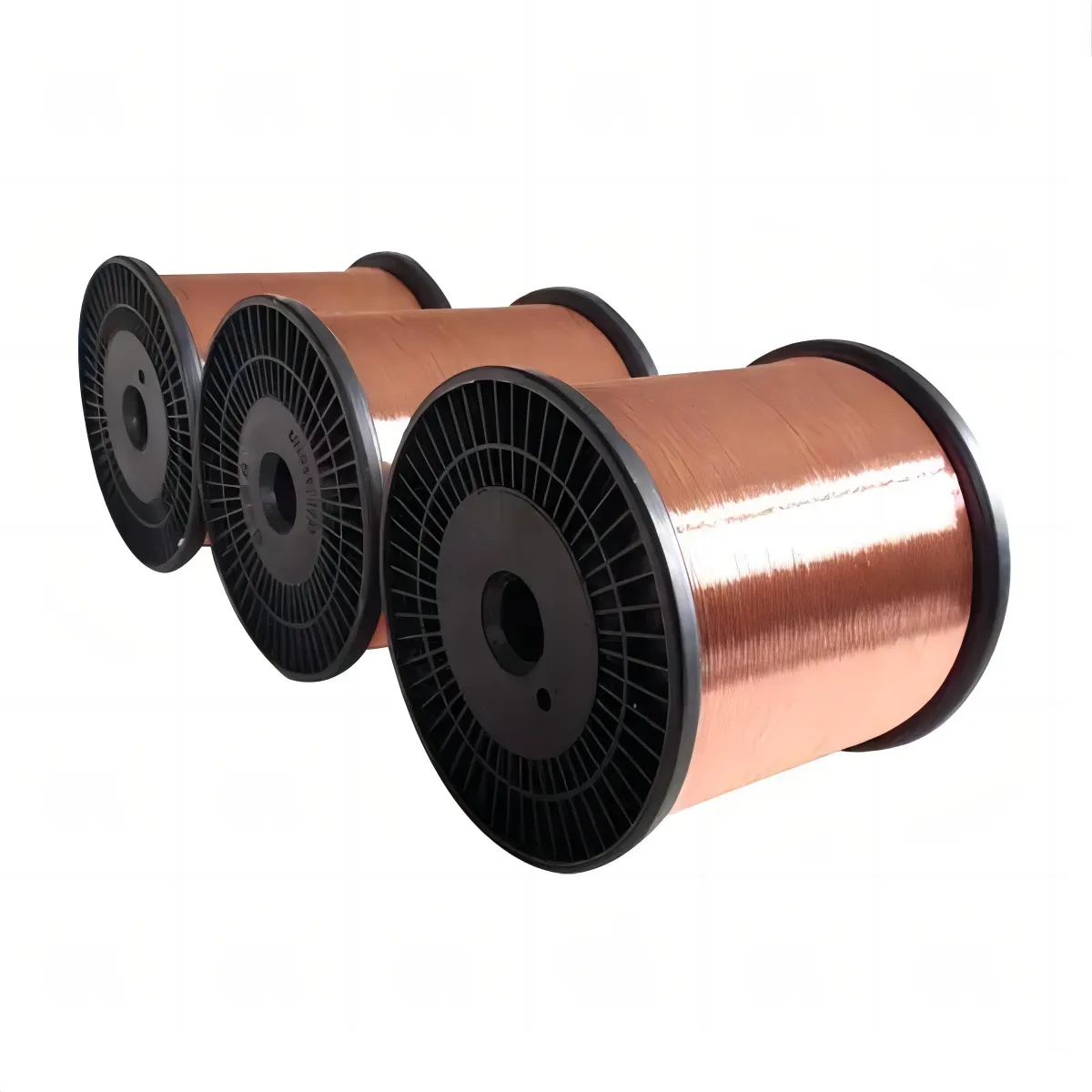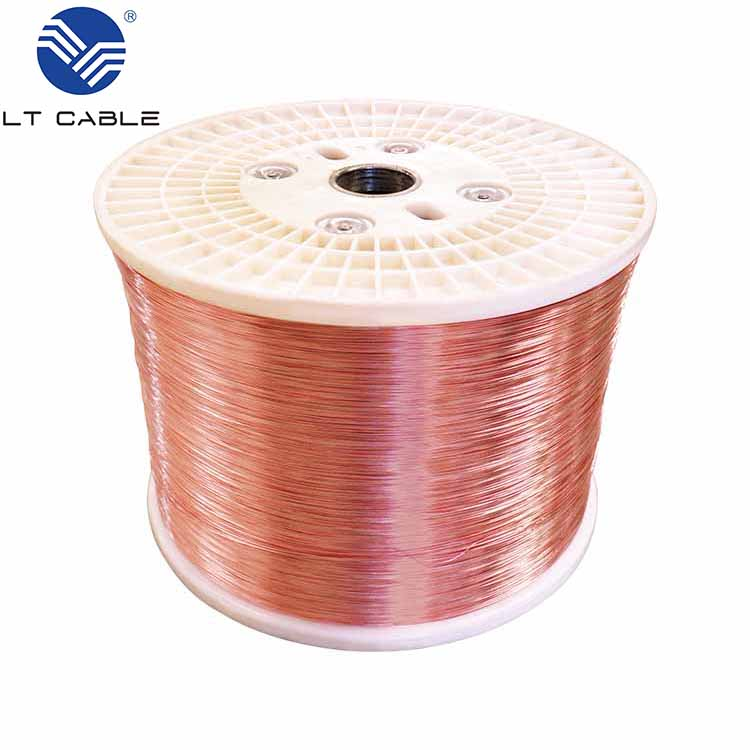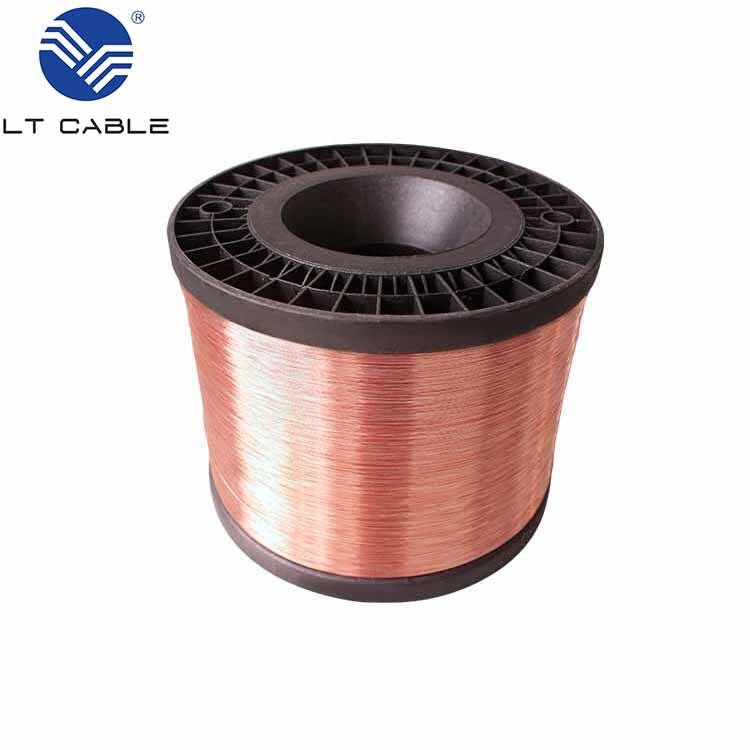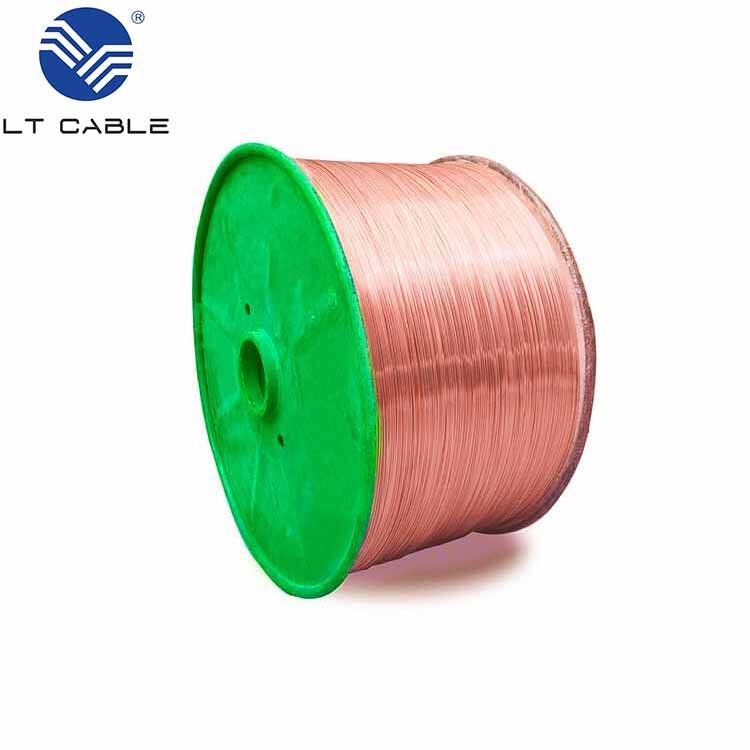
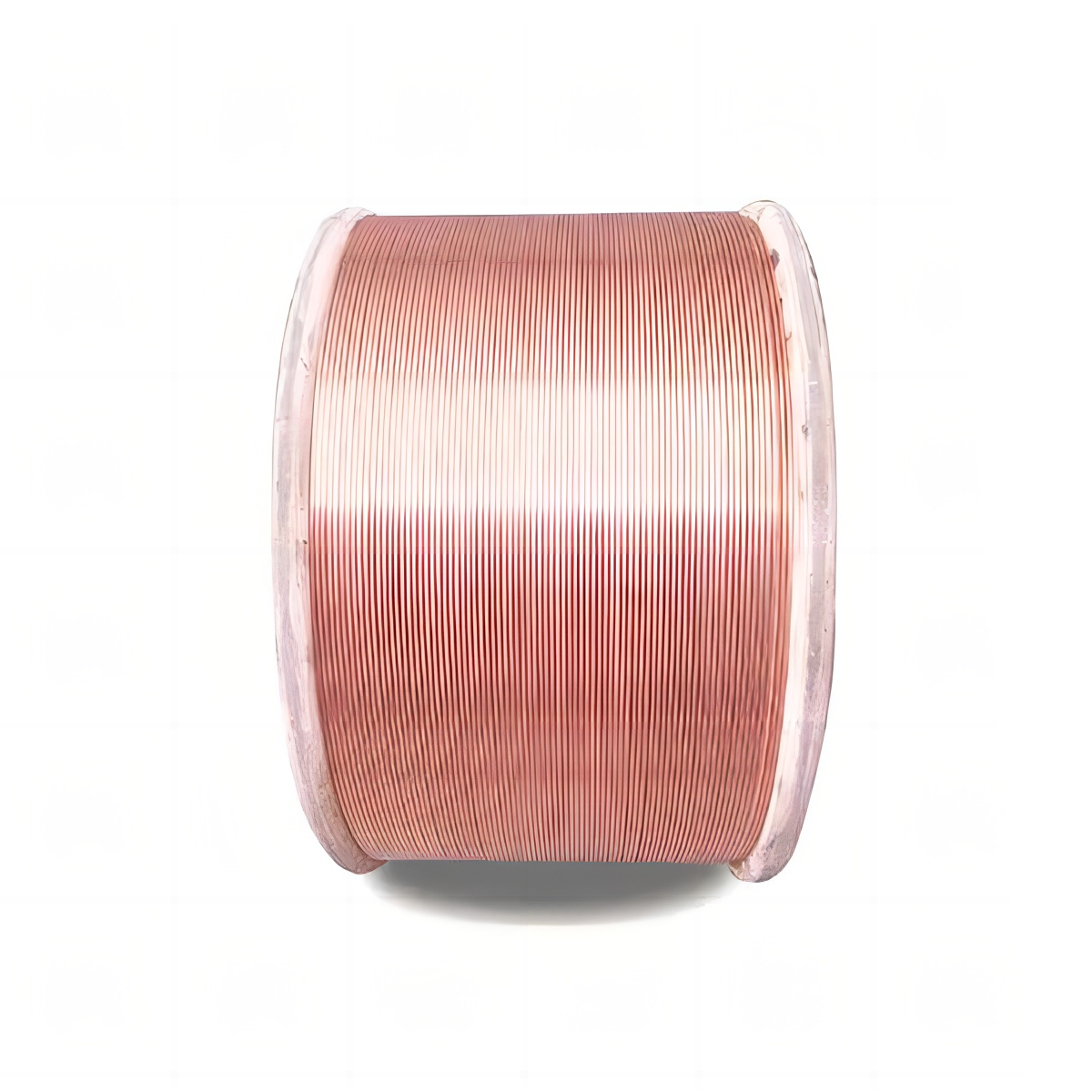
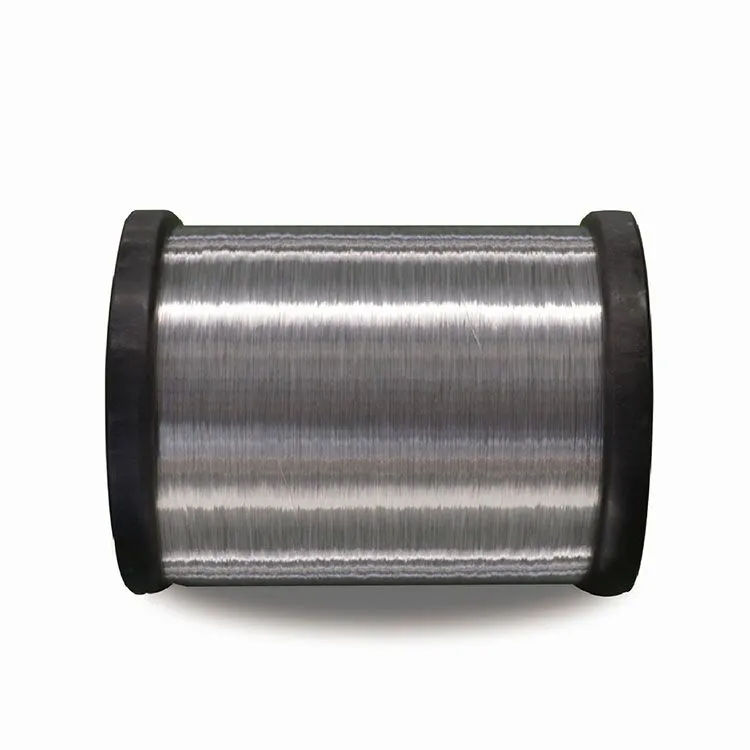
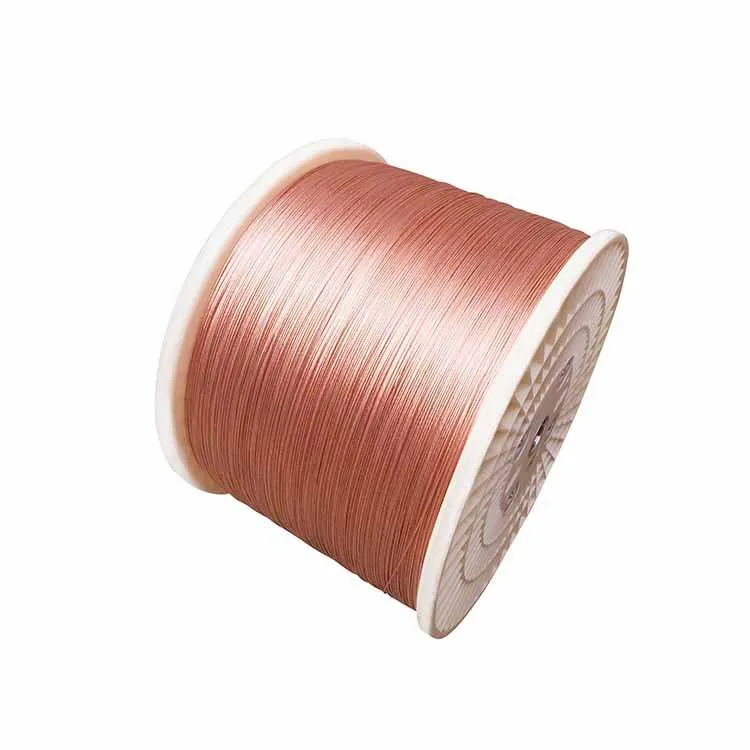
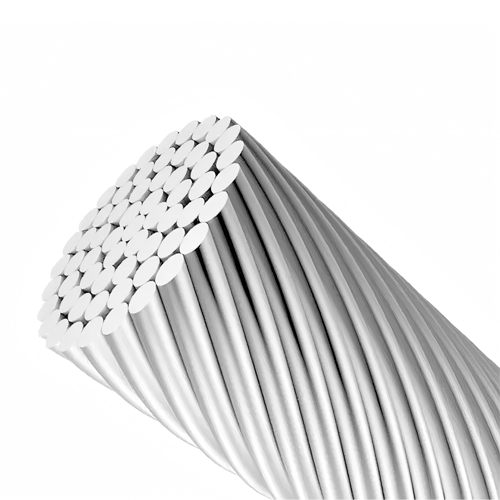
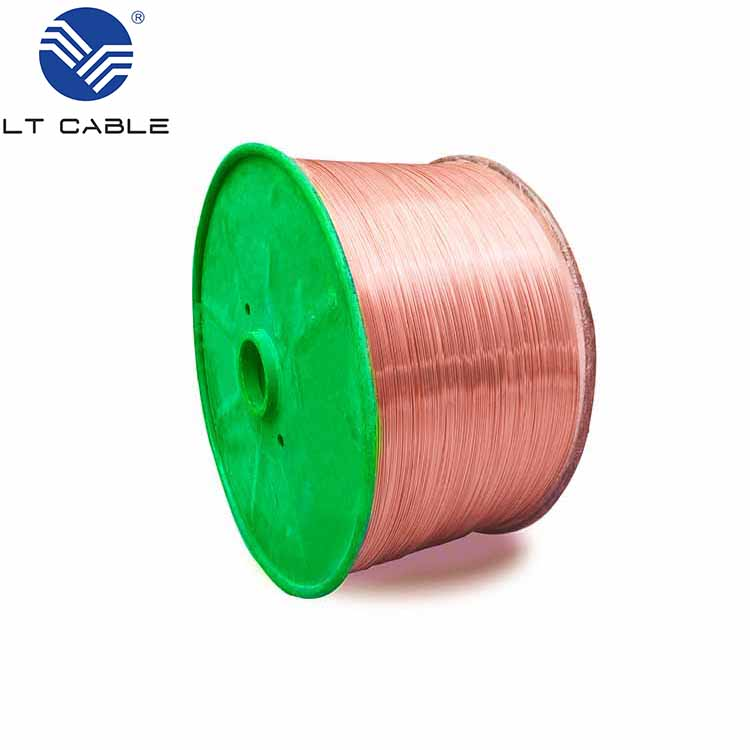
Tinned Copper Clad Aluminum: Lightweight, Corrosion-Resistant Wire

Get a Free Quote

Our representative will contact you soon.
Name
Email
Mobile
Country/Region
Choose the product you want
Message
0/1000
Unmatched Quality and Versatility of Tinned Copper Clad Aluminum

Unmatched Quality and Versatility of Tinned Copper Clad Aluminum

Tinned Copper Clad Aluminum (TCCA) offers a unique combination of the conductivity of copper and the lightweight nature of aluminum. This innovative material is designed to provide superior performance in various electrical applications. With a tin coating, TCCA enhances corrosion resistance, ensuring longevity and reliability in diverse environments. Our fully automated production lines guarantee precision in every step, from raw material selection to final product delivery. This meticulous process not only maintains high standards of quality but also allows for customized solutions tailored to specific client needs. With TCCA, you benefit from reduced weight, improved conductivity, and enhanced durability, making it the ideal choice for industries ranging from telecommunications to automotive.
Get A Quote

Transforming Electrical Applications with Tinned Copper Clad Aluminum

Telecommunications Industry

In the telecommunications sector, a leading company faced challenges with signal loss due to heavy and inefficient wiring. By switching to Tinned Copper Clad Aluminum, they achieved a 30% reduction in weight while improving signal integrity. The lightweight nature of TCCA allowed for easier installation and reduced costs in logistics and labor. The client reported enhanced performance and customer satisfaction, showcasing TCCA's effectiveness in high-demand environments.

Automotive Wiring Solutions

An automotive manufacturer sought to improve the efficiency of their wiring systems. After integrating Tinned Copper Clad Aluminum into their designs, they noted a significant decrease in overall vehicle weight, contributing to better fuel efficiency. The corrosion resistance of TCCA also minimized maintenance needs, allowing the manufacturer to offer longer warranties on their electrical systems. This case highlights how TCCA can drive innovation in automotive technology.

Renewable Energy Systems

A renewable energy firm needed reliable and efficient wiring for their solar panel installations. By utilizing Tinned Copper Clad Aluminum, they experienced a 20% increase in energy transmission efficiency. The lightweight properties of TCCA facilitated easier handling and installation, leading to quicker project completions. This case exemplifies TCCA's adaptability in sustainable energy solutions, proving its value in modern applications.

Related products

Tinned Copper Clad Aluminum (TCCA) is changing the way the electrical and electronics industry functions. TCCA is becoming the most favorable choice for various applications because it combines the electrical conductivity of copper and the lightweight characteristics of aluminum. Furthermore, the electrical performance of TCCA is enhanced and corrosion resistance is added because of the tin coat, which also makes TCCA suitable for harsh conditions. At Litong Cable, we ensure that every step of the production process is controlled and monitored, which is what makes us industry leaders. Our production lines manage a great level of production and maintain a high level of industry quality. Each production step of our process from wire drawing to meticulusly controlled annealing is accomplished with the utmost industry precision. This level of dedication is what makes us leaders in the industry for custom end to end tinned copper clad aluminum wire production. The modern industries are changing, and with that, the materials in the industry must change. The materials must be lightweight, and inexpensively durable. The TCCA is the perfect material to meet these new modern requirements. TCCA has already fulfilled these in the fields of telecommunication, automotive industry, and renewable energy. Litong Cable prides itself on a high level of customer satisfaction. Our customer=value philosophy keeps us at the forefront of the industry.

Frequently Asked Questions about Tinned Copper Clad Aluminum

What is Tinned Copper Clad Aluminum?

Tinned Copper Clad Aluminum is a composite material that combines the conductivity of copper with the lightweight nature of aluminum, coated with tin for enhanced corrosion resistance. This makes it ideal for various electrical applications.
TCCA is significantly lighter than traditional copper wiring, which reduces installation costs and improves efficiency. While copper offers excellent conductivity, TCCA provides a balanced solution that meets modern industry demands.

Related article

CCA Wire Resistivity & Performance: What Buyers Should Check

15

Jan

CCA Wire Resistivity & Performance: What Buyers Should Check

Understanding CCA Wire and Its Importance

Copper Clad Aluminum (CCA) wire has emerged as a popular choice in various electrical applications, offering a balance of performance, cost-effectiveness, and versatility. As a bimetallic conductor, it consists of an aluminum core with a concentric copper cladding, combining the beneficial properties of both metals. The aluminum core contributes to lightweight and cost savings, while the copper cladding enhances conductivity and corrosion resistance. For buyers, understanding the resistivity and overall performance of CCA wire is crucial to ensure it meets the specific requirements of their applications. Whether used in telecommunications, automotive wiring, or power distribution, the performance of CCA wire directly impacts the efficiency and reliability of the end product.

Key Factors Affecting CCA Wire Resistivity

Resistivity is a fundamental property of any conductor, including CCA wire, and it plays a significant role in determining its electrical performance. Several key factors influence the resistivity of CCA wire, and buyers should be aware of these when evaluating potential suppliers. One of the primary factors is the copper content. Typically, CCA wire is available with copper content ranging from 10% to 15% by cross-sectional area. Higher copper content generally results in lower resistivity and better conductivity. For example, CCA wire with 15% copper content has a conductivity of approximately 64.4% IACS (International Annealed Copper Standard), compared to 62.9% IACS for 10% copper content.
Another important factor is the manufacturing process. The quality of the metallurgical bond between the aluminum core and copper cladding directly affects the wire's resistivity. A strong, uniform bond ensures efficient current transfer between the two metals, minimizing resistance. Additionally, the purity of the copper and aluminum used in the wire can impact resistivity. Higher purity metals typically offer better conductivity and lower resistivity. Finally, the operating temperature can also affect the resistivity of CCA wire, as resistance generally increases with temperature. Buyers should consider the expected operating temperature range of their application when selecting CCA wire.

Performance Parameters to Evaluate

When assessing CCA wire, buyers should consider several performance parameters beyond resistivity to ensure it meets their specific needs. One critical parameter is tensile strength, which measures the wire's ability to withstand pulling forces without breaking. CCA wire typically has a tensile strength ranging from 100 to 150 MPa, depending on the manufacturing process and copper content. Higher tensile strength is particularly important in applications where the wire may be subjected to mechanical stress during installation or operation.
Another important parameter is elongation, which measures the wire's ability to stretch before breaking. A higher elongation percentage indicates greater flexibility and resistance to fatigue, making the wire more suitable for applications that require bending or flexing. CCA wire generally has an elongation percentage of 8% or higher for annealed wires and 1% or higher for hard-drawn wires.
Corrosion resistance is also a key consideration, especially for applications in harsh environments. The copper cladding on CCA wire provides excellent corrosion resistance, but the aluminum core can be susceptible to corrosion if exposed. Buyers should ensure that the wire is properly insulated and protected from moisture and other corrosive elements.

How to Choose the Right CCA Wire Supplier

Selecting a reliable and reputable CCA wire supplier is essential to ensure the quality and performance of the product. Buyers should consider several factors when evaluating potential suppliers, including their manufacturing capabilities, quality control processes, and industry certifications. A supplier with advanced manufacturing facilities and strict quality control measures is more likely to produce high-quality CCA wire that meets the required specifications.
Industry certifications, such as ISO 9001, can also provide assurance of the supplier's commitment to quality. Buyers should verify that the supplier's CCA wire meets relevant industry standards, such as ASTM B566 for copper-clad aluminum wire. Additionally, buyers should consider the supplier's experience and reputation in the industry. A supplier with a proven track record of delivering high-quality products and excellent customer service is more likely to provide a reliable and satisfactory experience.
Finally, buyers should consider the supplier's pricing and delivery capabilities. While cost is an important factor, it should not be the sole determining factor. Buyers should balance cost with quality and delivery time to ensure they get the best value for their money. A supplier that can offer competitive pricing, fast delivery, and flexible payment terms is more likely to be a good partner for long-term business relationships.
View More
CCAM Wire Conductivity & Strength: Performance Overview

08

Jan

CCAM Wire Conductivity & Strength: Performance Overview

Electrical Conductivity of CCAM Wire: Physics, Measurement, and Real-World Impact

How Aluminum Coating Affects Electron Flow vs. Pure Copper

CCAM wire combines the best of both worlds really – copper's excellent conductivity paired with aluminum's lighter weight benefits. When we look at pure copper, it hits that perfect 100% mark on the IACS scale, but aluminum only gets to about 61% because electrons just don't move as freely through it. What happens at the copper-aluminum boundary in CCAM wires? Well, those interfaces create scattering points which actually increase resistivity somewhere between 15 and 25 percent compared to regular copper wires of the same thickness. And this matters a lot for electric vehicles since higher resistance means more energy loss during power distribution. But here's why manufacturers still go for it: CCAM cuts down on weight by roughly two thirds compared to copper, all while maintaining around 85% of copper's conductivity levels. That makes these composite wires particularly useful for connecting batteries to inverters in EVs, where every gram saved contributes to longer driving ranges and better heat control throughout the system.

IACS Benchmarking and Why Lab Measurements Differ from In-System Performance

IACS values are derived under tightly controlled lab conditions—20°C, annealed reference samples, no mechanical stress—which rarely reflect real-world automotive operation. Three key factors drive performance divergence:

  • Temperature sensitivity: Conductivity declines ~0.3% per °C above 20°C, a critical factor during sustained high-current operation;
  • Interface degradation: Vibration-induced microcracks at the copper–aluminum boundary increase localized resistance;
  • Oxidation at terminations: Unprotected aluminum surfaces form insulating Alâ‚‚O₃, raising contact resistance over time.

Benchmark data shows CCAM averaging 85% IACS in standardized lab tests—but drops to 78–81% IACS after 1,000 thermal cycles in dynamometer-tested EV harnesses. This 4–7 percentage-point gap validates the industry practice of derating CCAM by 8–10% for high-current 48V applications, ensuring robust voltage regulation and thermal safety margins.

Mechanical Strength and Fatigue Resistance of CCAM Wire

Yield Strength Gains from Aluminum Cladding and Implications for Harness Durability

Aluminum cladding in CCAM boosts yield strength around 20 to 30 percent compared to pure copper, which makes a real difference in how well the material resists permanent deformation when installing harnesses, particularly in situations where space is limited or there's significant pulling force involved. The extra structural strength helps cut down on fatigue issues at connectors and areas prone to vibrations like suspension mounts and motor housing points. Engineers take advantage of this property to use smaller wire sizes while still maintaining adequate safety levels for important connections between batteries and traction motors. Ductility does drop a bit when exposed to extreme temperatures ranging from minus 40 degrees Celsius up to plus 125 degrees, but testing shows that CCAM performs well enough across standard automotive temperature ranges to meet the necessary ISO 6722-1 standards for both tensile strength and elongation properties.

Bend-Fatigue Performance in Dynamic Automotive Applications (ISO 6722-2 Validation)

In dynamic vehicle zones—including door hinges, seat tracks, and sunroof mechanisms—CCAM undergoes repeated flexing. Per ISO 6722-2 validation protocols, CCAM wire demonstrates:

  • Minimum 20,000 bend cycles at 90° angles without failure;
  • Retention of ≥95% initial conductivity post-testing;
  • Zero sheath fractures even at aggressive 4mm bend radii.

Though CCAM exhibits 15–20% lower fatigue resistance than pure copper beyond 50,000 cycles, field-proven mitigation strategies—such as optimized routing paths, integrated strain relief, and reinforced overmolding at pivot points—ensure long-term reliability. These measures eliminate connection failures across typical vehicle service life expectations (15 years/300,000 km).

Thermal Stability and Oxidation Challenges in CCAM Wire

Aluminum Oxide Formation and Its Effect on Long-Term Contact Resistance

The fast oxidation of aluminum surfaces creates a big problem for CCAM systems over time. When exposed to regular air, aluminum forms a nonconducting layer of Al2O3 at around 2 nanometers per hour. If nothing stops this process, the oxide buildup increases terminal resistance by as much as 30% within just five years. This leads to voltage drops across connections and creates heat problems that engineers really worry about. Looking at old connectors through thermal cameras shows some pretty hot areas, sometimes above 90 degrees Celsius, exactly where the protective plating has started to fail. Copper coatings do help slow down oxidation somewhat, but tiny scratches from crimping operations, repeated bending, or constant vibrations can punch through this protection and let oxygen reach the aluminum underneath. Smart manufacturers combat this resistance growth by putting nickel diffusion barriers under their usual tin or silver coatings and adding antioxidant gels on top. This double protection keeps contact resistance under 20 milliohms even after 1,500 thermal cycles. Real world testing shows less than 5% loss in conductivity throughout an entire vehicle's service life, which makes these solutions worth implementing despite the extra costs involved.

System-Level Performance Trade-Offs of CCAM Wire in EV and 48V Architectures

Moving to higher voltage systems, especially those running on 48 volts, changes how we think about wiring designs completely. These setups cut down on current needed for the same amount of power (remember P equals V times I from basic physics). This means wires can be thinner, which saves a lot of copper weight compared to old 12 volt systems maybe around 60 percent less depending on specifics. CCAM takes things even further with its special aluminum coating that adds more weight savings without losing much conductivity. Works great for stuff like ADAS sensors, air conditioning compressors, and those 48 volt hybrid inverters that don't need super high conductivity anyway. At higher voltages, the fact that aluminum conducts electricity worse isn't such a big deal because power loss happens based on current squared times resistance rather than voltage squared over resistance. Still worth noting though that engineers need to watch out for heat buildup during fast charging sessions and make sure components aren't overloaded when cables are bundled together or sitting in areas with bad airflow. Combine proper termination techniques with standards compliant fatigue testing and what do we get? Better energy efficiency and more room inside vehicles for other components all while keeping safety intact and making sure everything lasts through regular maintenance cycles.

View More
The potential future innovations of a wire product are both exciting and full of possibilities.

14

Jul

The potential future innovations of a wire product are both exciting and full of possibilities.

Emerging Materials in Wire Manufacturing

Copper Clad Aluminum (CCA) Wire Advancements

Copper Clad Aluminum or CCA wire is gaining popularity because it's light weight and conducts electricity pretty well, which makes it a go to option across many different fields. Manufacturers have been improving how they make these wires lately, so now they last longer and work better even when put through tough conditions that would break regular wires. A lot of people working in the field are starting to recommend CCA wire more often, especially for things like electrical systems and electronic devices since the improvements really show there. Looking at market numbers, we see construction companies and car makers using more CCA wire than before. The construction business alone saw around 20 percent more CCA wire being used last year compared to previous years, mainly because builders need materials that aren't heavy but still get the job done efficiently. Most industry analysts believe this shift toward CCA will keep picking up speed as countries around the world invest in building new roads, bridges and other infrastructure projects.

Enameled Wire Applications in Modern Electronics

Enameled wires play a really important part in today's electronics, especially when it comes to things like motors and transformers because they offer great insulation. We've seen some pretty big improvements lately in how well these wires handle heat and perform overall, which makes them perfect for demanding applications. Take electric vehicles for instance - many manufacturers now rely on enameled wires in their motor designs since the wires can stand up to higher temperatures without breaking down over time. Looking at the bigger picture, companies using enameled wire in their products tend to save energy in the long run while also getting better performance from their devices. This trend is showing up across various industries, with engineers increasingly choosing materials that not only work better but also help cut down on power usage and waste generation during product lifecycles.

Stranded vs Solid Wire: Breakthroughs in Flexibility

When it comes to choosing between stranded and solid wire, mechanical flexibility and what works best for different applications matters a lot. Stranded wires get their reputation from being flexible, but recent tech advances have made them perform even better in tight spots. Installers find these wires much easier to work with when dealing with cramped or complicated spaces. Most electricians will tell anyone who asks that stranded wires beat solid ones in situations where there's regular movement or bending required. On the flip side, solid wires remain popular because they hold their shape well and stay stable over time, especially in installations that don't need much movement at all. According to recent market analysis, companies switching to stranded options report up to 30% improvement in installation speed for projects involving frequent adjustments. For factory managers and plant engineers trying to decide which wire type suits their operations, looking at actual usage conditions makes all the difference in picking the right solution.

Smart and Connected Wire Technologies

IoT-Enabled Wiring Systems for Industrial Automation

Wiring systems connected to the Internet of Things are changing how factories operate, mainly because they let managers keep tabs on everything happening in real time. The sensors built right into these wires help get things done faster and with better accuracy across the board. Take manufacturing facilities for instance, where smart wires cut down on equipment breakdowns, speed up work processes, and generally make day-to-day running smoother. One big car maker saw their production numbers jump by around 30% once they started using this tech throughout their assembly lines. And it's not just one company either. Many businesses that have made the switch to IoT wiring report noticeable improvements. Industry data shows some firms actually improved their overall performance metrics by as much as 40% after rolling out these new systems. Makes sense when you think about it really, since having constant visibility into operations just opens up so many opportunities for optimization.

High-Speed Data Transfer Cables for 5G Infrastructure

The rollout of 5G networks simply wouldn't work without those high speed data transfer cables running behind the scenes. These special cables handle massive amounts of information at lightning fast speeds, cutting down lag time while keeping up with all the extra bandwidth needed for next generation connectivity. Manufacturers have been making big strides lately too, developing new materials and better construction methods that actually make these cables faster and more dependable than ever before. Cities across the country are already seeing results from installing this tech in their fiber optic networks, proving just how essential these components really are. Most folks in the telecom business agree we'll keep needing more of these cables as 5G expands everywhere. Market research suggests the cable industry could see something like 35% growth each year going forward, which makes sense when looking at how quickly businesses and consumers are jumping on board with 5G services.

Self-Monitoring Wire Harnesses with Embedded Sensors

The latest self monitoring wire harness tech is changing the game when it comes to predictive maintenance work. These systems have tiny sensors built right into them that pick up on things like wear patterns, stress points, and other warning signs before they become big problems. What makes this so valuable is that the sensors keep checking the wiring condition all the time, which means technicians get alerts way ahead of any actual breakdown happening. One factory reported cutting their maintenance budget down by around 25% after switching to these smart harnesses. For industries where equipment downtime simply isn't an option, these monitoring systems have become absolutely essential. Companies are seeing real money savings because they catch small issues before they escalate into expensive repairs. The ability to spot trouble spots early definitely gives manufacturers a competitive edge in keeping their machinery running smoothly for longer periods.

Sustainability in Wire Production

Recyclable Halogen-Free Cable Compounds

The wire manufacturing sector has long struggled with environmental issues because many traditional materials contain dangerous halogens. Things are changing though, as more companies turn to recyclable, halogen-free cable compounds across the industry. These new materials keep up with performance expectations while cutting down on environmental impact. Research shows that businesses switching to these cables see real benefits beyond just going green. They actually reduce harmful emissions and get better fire protection too. Take flame retardants in particular - these materials make buildings and factories much safer places to work. The market for these eco options is exploding fast. Recent industry reports suggest around 30% of all cable production in Europe and North America now uses sustainable alternatives, and this number keeps climbing every year.

Energy-Efficient Manufacturing of Enameled Wires

Manufacturing enameled wires in an energy efficient manner makes a big difference both for the environment and bottom line costs. The process generally focuses on streamlining operations so less power gets used while getting more done with available resources. Take companies at the forefront of this movement they're investing in things like induction heating systems and smart quality checks that automatically flag issues during production runs. What these technological upgrades actually do is cut down on how much electricity goes into making each batch of wire, which means fewer greenhouse gases released and money saved on utility bills too. Real world data from factories implementing these methods shows around 15 to 20 percent less energy consumed overall. That kind of savings isn't just good for profits it's becoming essential as regulators tighten emission standards and customers demand greener products from manufacturers across the wire industry.

Circular Economy Models for Stranded Wire Recycling

Circular economy principles are now playing a major role in making wire production more sustainable, particularly when dealing with stranded wire. The basic idea revolves around keeping materials in circulation instead of letting them become waste, which cuts down on both trash and environmental harm. New methods have emerged recently that allow recyclers to pull valuable components out of old stranded wires, making the whole process much greener than traditional approaches. We're seeing more collaboration happening between wire makers and recycling plants too, as they work together to keep materials flowing through the system. From a business standpoint, going circular makes good sense financially while also helping the planet. Companies that switch to this model typically save money on raw materials and send far less stuff to landfills. Industry data shows some firms cutting their production waste by around 40%, though results can vary depending on the specifics of each operation. These numbers are encouraging enough for many wire producers to consider making similar changes.

Advances in Manufacturing Processes

AI-Driven Quality Control for CCA Wire Production

The introduction of AI tech is changing how quality control works for Copper Clad Aluminum (CCA) wires. Factories using AI see fewer defects and much better consistency in what they produce. These smart systems actually learn from data to spot problems during wire making, cutting down on wasted materials and speeding things up overall. Many businesses who switched to AI talk about better products coming off the line plus quicker turnaround times. A big name manufacturer told us their story where after putting AI into operation, defects dropped around 30% and production got noticeably faster too. All these improvements show just how important AI has become for updating traditional methods in CCA wire manufacturing today.

3D Printing Applications in Custom Wire Harness Design

3D printing plays a big role in creating custom wire harnesses that fit exactly what different applications need. The tech lets manufacturers prototype quickly and produce at lower costs, which works really well when only small batches are needed. Companies can cut down on waiting time thanks to 3D printing, so they respond faster to what customers want with made-to-order solutions. Take the automotive and aerospace sectors for instance they've started using this tech extensively, resulting in all sorts of new designs and much better customization options. Market reports suggest we'll see a lot more growth in how 3D printing gets used for wire harnesses going forward, showing that businesses across many fields are getting serious about adopting these kinds of advanced manufacturing methods to get more flexible and efficient designs.

Robotic Automation in Stranded Wire Assembly Lines

Stranded wire assembly lines are seeing major changes thanks to robotic automation, which brings better precision and speeds things up considerably. Companies save money on labor while cranking out products at much higher rates than before, giving them an advantage over competitors who haven't made the switch yet. Take XYZ Manufacturing for instance they installed robots last year that cut down on manual tasks during assembly, resulting in production cycles that run about 30% faster now with almost no mistakes slipping through. Industry reports point to rising numbers across the board when it comes to automation adoption rates in recent years. What we're witnessing isn't just another tech fad but rather a fundamental shift toward smarter manufacturing practices where quality control remains top priority even as output levels climb steadily month after month.

View More
How to Choose CCA Wire for Power Cables and Conductors

25

Dec

How to Choose CCA Wire for Power Cables and Conductors

What Is CCA Wire? Composition, Electrical Performance, and Key Trade-Offs

What Is CCA Wire? Composition, Electrical Performance, and Key Trade-Offs

Copper-clad aluminum structure: Layer thickness, bonding integrity, and IACS conductivity (60␗70% of pure copper)

Copper Clad Aluminum or CCA wire basically has an aluminum center covered with a thin copper coating that makes up around 10 to 15 percent of the overall cross section. The idea behind this combination is simple really it tries to get the best of both worlds lightweight and affordable aluminum plus the good conductivity properties of copper on the surface. But there's a catch. If the bond between these metals isn't strong enough, tiny gaps can form at the interface. These gaps tend to oxidize over time and can boost electrical resistance by as much as 55% compared to regular copper wires. When looking at actual performance numbers, CCA typically reaches about 60 to 70% of what's called the International Annealed Copper Standard for conductivity because aluminum just doesn't conduct electricity as well as copper does throughout its entire volume. Because of this lower conductivity, engineers need to use thicker wires when working with CCA to handle the same amount of current as copper would. This requirement pretty much cancels out most of the weight and material cost benefits that made CCA attractive in the first place.

Thermal limitations: Resistive heating, ampacity derating, and impact on continuous load capacity

The increased resistance of CCA leads to more significant Joule heating when carrying electrical loads. When ambient temperatures reach around 30 degrees Celsius, the National Electrical Code requires reducing the current capacity of these conductors by approximately 15 to 20 percent compared to similar copper wires. This adjustment helps prevent insulation and connection points from overheating beyond safe limits. For regular branch circuits, this means about a quarter to third less continuous load capacity available for actual use. If systems run consistently above 70% of their maximum rating, the aluminum tends to soften through a process called annealing. This weakening affects the conductor's core strength and can damage connections at terminations. The problem gets worse in tight spaces where heat simply cannot escape properly. As these materials degrade over months and years, they create dangerous hot spots throughout installations, which ultimately threatens both safety standards and reliable performance in electrical systems.

Where CCA Wire Falls Short in Power Applications

POE deployments: Voltage drop, thermal runaway, and non-compliance with IEEE 802.3bt Class 5/6 power delivery

CCA wire just doesn't work well with today's Power over Ethernet (PoE) systems, especially those following the IEEE 802.3bt standards for Classes 5 and 6 that can deliver up to 90 watts. The problem comes down to resistance levels that are about 55 to 60 percent higher than what we need. This creates serious voltage drops along regular cable lengths, making it impossible to maintain the stable 48-57 volts DC needed at devices on the other end. What happens next is pretty bad too. The extra resistance generates heat, which makes things worse because hotter cables resist even more, creating this vicious cycle where temperatures keep climbing dangerously high. These issues run afoul of NEC Article 800 safety rules as well as the IEEE specifications. Equipment might stop working altogether, important data could get corrupted, or worst case scenario, components suffer permanent damage when they don't receive enough power.

Long runs and high-current circuits: Exceeding NEC 3% voltage drop threshold and Article 310.15(B)(1) ampacity derating requirements

Cable runs longer than 50 meters often push CCA past the NEC's 3% voltage drop limit for branch circuits. This creates problems like inefficient equipment operation, early failures in sensitive electronics, and all sorts of performance issues. At current levels above 10 amps, CCA needs serious ampacity reductions according to NEC 310.15(B)(1). Why? Because aluminum just doesn't handle heat as well as copper does. Its melting point is around 660 degrees Celsius compared to copper's much higher 1085 degrees. Trying to fix this by oversizing the conductors basically cancels out any cost savings from using CCA in the first place. Real world data tells another story too. Installations with CCA tend to have about 40% more thermal stress incidents compared to regular copper wiring. And when these stress events happen inside tight conduit spaces, they create a real fire hazard that nobody wants.

Safety and Compliance Risks of Misapplied CCA Wire

Oxidation at terminations, cold flow under pressure, and NEC 110.14(A) connection reliability failures

When the aluminum core inside CCA wire gets exposed at connection points, it starts oxidizing pretty quickly. This creates a layer of aluminum oxide that has high resistance and can raise localized temperatures by around 30%. What happens next is even worse for reliability issues. When those terminal screws apply constant pressure over time, the aluminum actually flows out cold from the contact areas, making connections gradually loosen. This violates code requirements like NEC 110.14(A) that specify secure, low resistance joints for permanent installations. The heat generated through this process leads to arc faults and breaks down insulation materials, something we see frequently mentioned in NFPA 921 investigations about fire causes. For circuits handling more than 20 amps, problems with CCA wires show up about five times quicker compared to regular copper wiring. And here's what makes it dangerous - these failures often develop silently, giving no obvious signs during normal inspections until serious damage occurs.

Key failure mechanisms include:

  • Galvanic corrosion at copper␗aluminum interfaces
  • Creep deformation under sustained pressure
  • Increased contact resistance, rising over 25% after repeated thermal cycling

Proper mitigation requires antioxidant compounds and torque-controlled terminals specifically listed for aluminum conductors␔measures rarely applied in practice with CCA wire.

How to Select CCA Wire Responsibly: Application Fit, Certifications, and Total Cost Analysis

Valid use cases: Control wiring, transformers, and low-power auxiliary circuits ␔ not branch circuit conductors

CCA wire can be used responsibly in low-power, low-current applications where thermal and voltage-drop constraints are minimal. These include:

  • Control wiring for relays, sensors, and PLC I/O
  • Transformer secondary windings
  • Auxiliary circuits operating below 20A and 30% continuous load

CCA wiring shouldn't go into circuits that power outlets, lights, or any standard electrical loads around the building. The National Electrical Code, specifically Article 310, bans its use in 15 to 20 amp circuits because there have been real issues with things getting too hot, voltage fluctuations, and connections failing over time. When it comes to situations where CCA is allowed, engineers need to check that the voltage doesn't drop more than 3% along the line. They also have to make sure all connections meet the standards laid out in NEC 110.14(A). These specs are pretty tough to hit without special equipment and proper installation techniques most contractors aren't familiar with.

Certification verification: UL 44, UL 83, and CSA C22.2 No. 77 ␔ why listing matters more than labeling

Third-party certification is essential␔not optional␔for any CCA conductor. Always verify active listing against recognized standards:

Standard Scope Critical Test
UL 44 Thermoset-insulated wire Flame resistance, dielectric strength
UL 83 Thermoplastic-insulated wire Deformation resistance at 121°C
CSA C22.2 No. 77 Thermoplastic-insulated conductors Cold bend, tensile strength

Listing in the UL Online Certifications Directory confirms independent validation␔unlike unverified manufacturer labels. Non-listed CCA fails ASTM B566 adhesion testing seven times more frequently than certified product, directly increasing oxidation risk at terminations. Before specifying or installing, confirm the exact certification number matches an active, published listing.

View More

Customer Testimonials on Tinned Copper Clad Aluminum

John Smith
Exceptional Performance and Service

Litong Cable's Tinned Copper Clad Aluminum has transformed our wiring solutions. The quality is unmatched, and the service team was incredibly helpful in customizing our order. We’ve seen a noticeable improvement in our product performance!

Sarah Johnson
A Game Changer in Automotive Wiring

Switching to TCCA has significantly reduced the weight of our vehicles. The corrosion resistance has also minimized maintenance issues. Litong Cable provided excellent support throughout the process. Highly recommend!

Get a Free Quote

Our representative will contact you soon.
Email
Name
Company Name
Message
0/1000
Lightweight Design for Enhanced Efficiency

Lightweight Design for Enhanced Efficiency

Tinned Copper Clad Aluminum is designed to be significantly lighter than traditional copper wiring, which not only simplifies installation but also reduces transportation costs. This lightweight feature is crucial in industries where weight savings can lead to improved efficiency, such as in automotive and aerospace applications. The ease of handling and installation translates to faster project completions, allowing businesses to operate more efficiently and effectively.
Superior Corrosion Resistance for Longevity

Superior Corrosion Resistance for Longevity

The tin coating on Tinned Copper Clad Aluminum provides exceptional corrosion resistance, making it ideal for applications in challenging environments. This feature ensures that the material remains reliable over time, reducing the need for frequent replacements and maintenance. Industries such as telecommunications and renewable energy, where exposure to the elements is common, benefit immensely from the durability that TCCA offers, ultimately leading to cost savings and increased operational reliability.
  • Product Consultation & Selection

    Product Consultation & Selection

    Tailored advice, perfect fit solutions.

  • Production & Supply Chain

    Production & Supply Chain

    Efficient manufacturing, seamless supply.

  • Quality Assurance & Certification

    Quality Assurance & Certification

    Rigorous testing, global certifications.

  • Post-Sales Support & Tech Help

    Post-Sales Support & Tech Help

    Prompt assistance, ongoing support.

Get a Free Quote

Our representative will contact you soon.
Name
Email
Mobile
Country/Region
Title
Message
0/1000