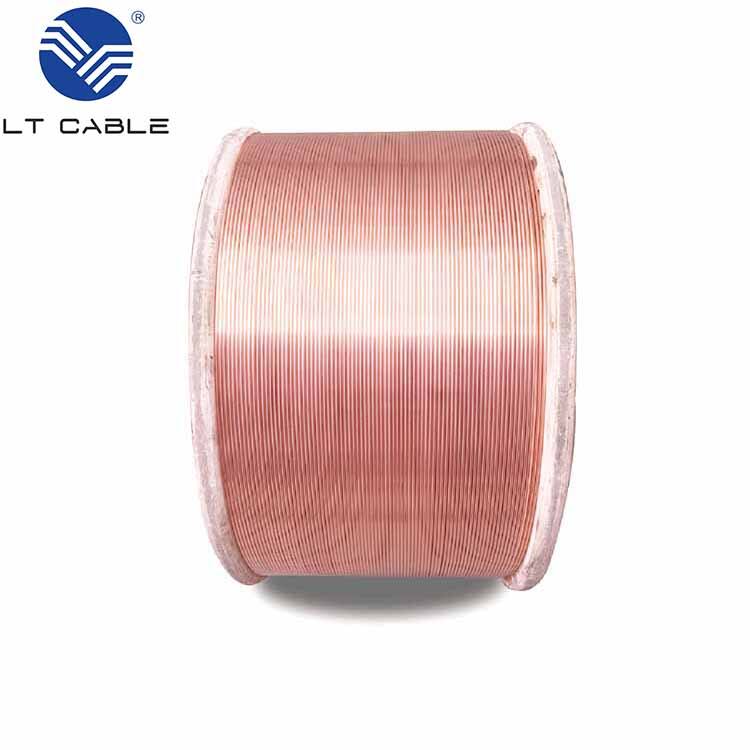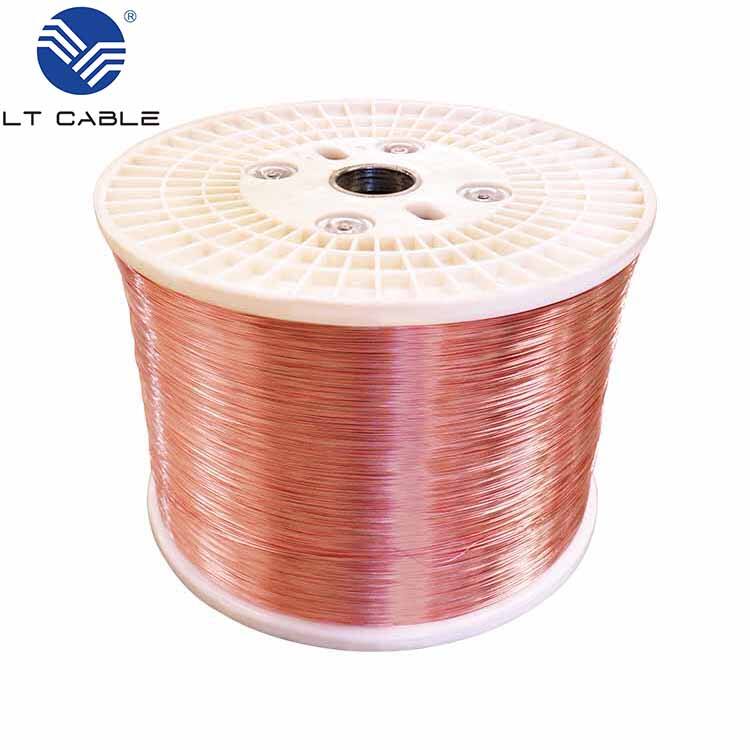
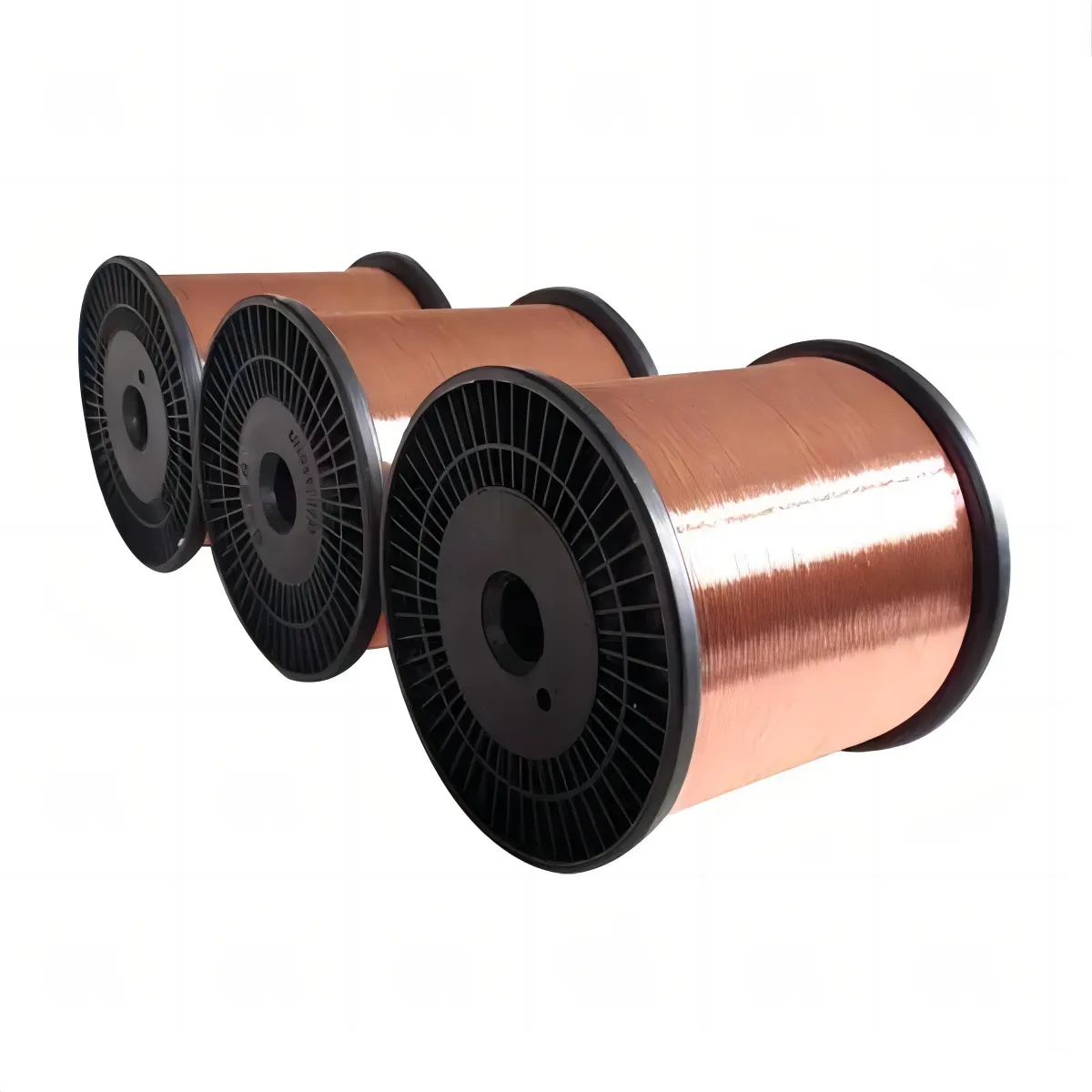
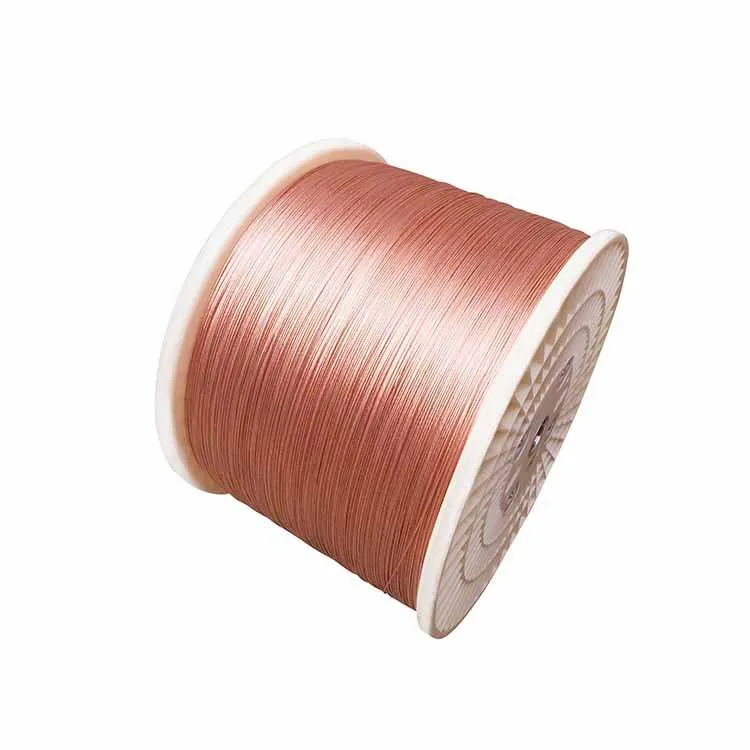
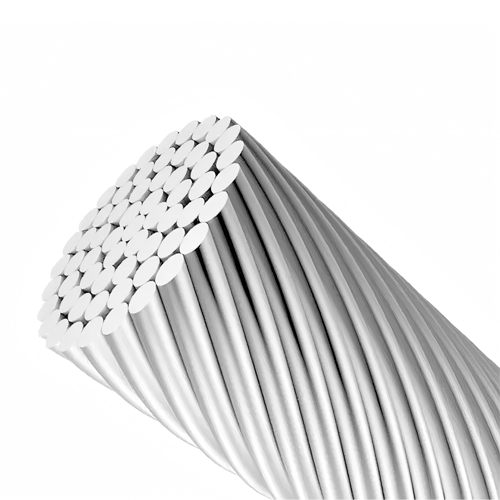
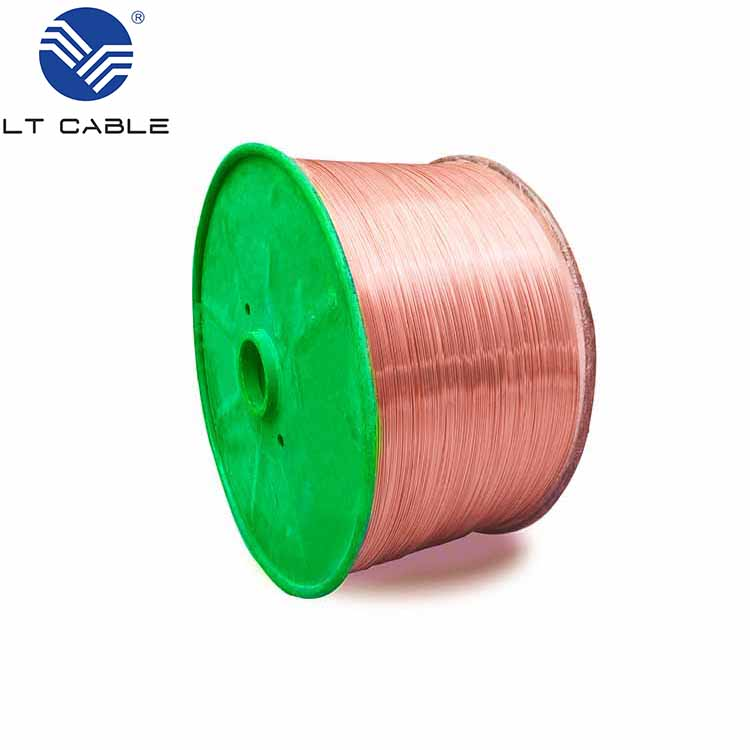
Copper Clad Aluminum Wire: Lightweight, Cost-Effective CCA Solutions

Get a Free Quote

Our representative will contact you soon.
Name
Email
Mobile
Country/Region
Choose the product you want
Message
0/1000
Unmatched Benefits of Copper Clad Aluminum Electrical Wire

Unmatched Benefits of Copper Clad Aluminum Electrical Wire

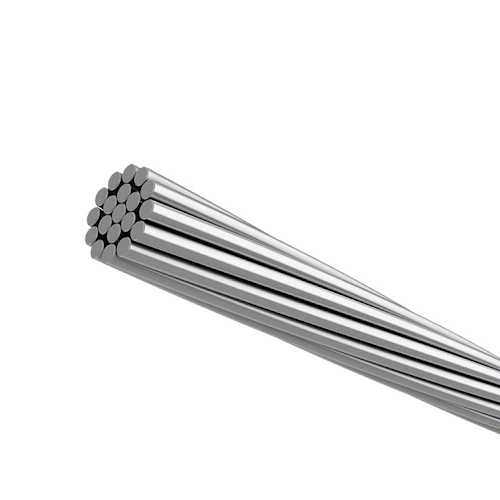
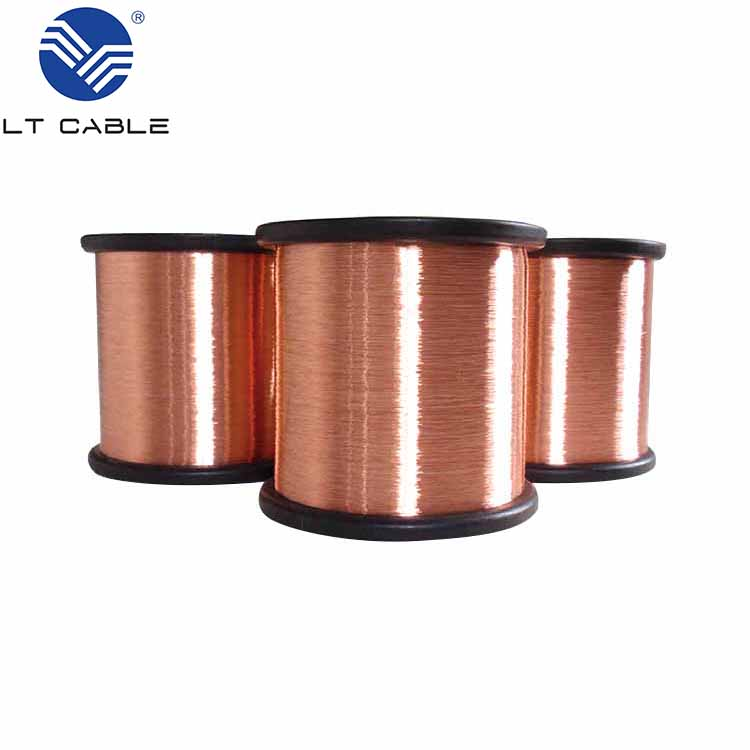
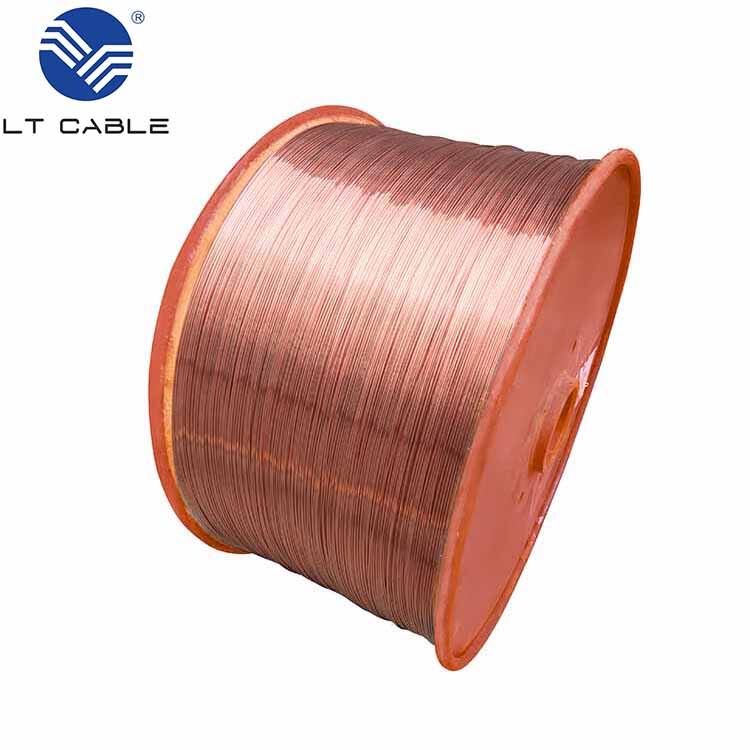
Our Copper Clad Aluminum Electrical Wire combines the best of both worlds: the conductivity of copper and the lightweight properties of aluminum. This innovative material offers significant advantages, including reduced weight for easier installation, lower material costs compared to pure copper, and excellent electrical conductivity. With our precise manufacturing processes, we ensure that every wire meets stringent quality standards, providing durability and reliability in various applications. This wire is ideal for residential, commercial, and industrial uses, ensuring that you receive a high-performance product that reduces energy loss and enhances efficiency.
Get A Quote

Transforming Electrical Solutions with Copper Clad Aluminum

Residential Wiring Revolution

Our Copper Clad Aluminum Electrical Wire was used in a large residential project where weight and cost were critical factors. The contractor reported a 30% reduction in installation time due to the wire's lightweight nature, allowing for easier handling and routing through tight spaces. The high conductivity ensured minimal energy loss, resulting in lower utility bills for homeowners. This project demonstrated that our wire can meet modern residential demands effectively.

Commercial Lighting Upgrade

A commercial lighting company chose our Copper Clad Aluminum Electrical Wire for a major upgrade in a downtown office building. The wire's lightweight and cost-effective nature allowed the company to save on both materials and labor. The enhanced conductivity of the wire led to brighter lighting with lower energy consumption, which was a key requirement for the environmentally conscious client. This case exemplifies how our product can enhance commercial installations.

Industrial Machinery Efficiency

In an industrial setting, our Copper Clad Aluminum Electrical Wire was selected for powering heavy machinery. The wire's durability under high loads and its ability to maintain conductivity over long distances resulted in improved operational efficiency. The client reported a significant decrease in downtime due to electrical failures, showcasing the reliability of our product in demanding environments.

Related products

Aluminum clad wire is more versatile than just being a product that combines aluminum and copper attributes. It is a direct result of Litong Cable's innovative production processes and cutting edge technologies designed with a focus on quality control. Every step of the production process, from raw materials to the finished product, is closely monitored to ensure precision. Along with value optimization, our management team has designed fully automated systems to improve operational efficiencies. It is because of such standards that our aluminum clad wire highly surpasses the standards set by the industry, proving to be a consistent product that the clients can trust. It is specifically designed with features required by the power distribution, telecommunication and renewable energy to conduct high levels of electricity and lose minimal weight. The satisfaction of our clients is of utmost importance to us. It is with the same conviction that we strive to have lasting business partnerships, and to achieve this we ensure the needs of each of our clients are met through our ever improving customizable options.

Frequently Asked Questions about Copper Clad Aluminum Electrical Wire

What are the benefits of using Copper Clad Aluminum Electrical Wire?

Copper Clad Aluminum Electrical Wire offers several benefits, including reduced weight for easier handling, lower costs compared to pure copper, and excellent conductivity. This makes it ideal for various applications, including residential, commercial, and industrial use.
Yes, our Copper Clad Aluminum Electrical Wire is suitable for outdoor applications, provided it is properly insulated and protected from environmental factors. The wire’s durability and resistance to corrosion make it a reliable choice for outdoor installations.

Related article

CCA Wire Resistivity & Performance: What Buyers Should Check

15

Jan

CCA Wire Resistivity & Performance: What Buyers Should Check

Understanding CCA Wire and Its Importance

Copper Clad Aluminum (CCA) wire has emerged as a popular choice in various electrical applications, offering a balance of performance, cost-effectiveness, and versatility. As a bimetallic conductor, it consists of an aluminum core with a concentric copper cladding, combining the beneficial properties of both metals. The aluminum core contributes to lightweight and cost savings, while the copper cladding enhances conductivity and corrosion resistance. For buyers, understanding the resistivity and overall performance of CCA wire is crucial to ensure it meets the specific requirements of their applications. Whether used in telecommunications, automotive wiring, or power distribution, the performance of CCA wire directly impacts the efficiency and reliability of the end product.

Key Factors Affecting CCA Wire Resistivity

Resistivity is a fundamental property of any conductor, including CCA wire, and it plays a significant role in determining its electrical performance. Several key factors influence the resistivity of CCA wire, and buyers should be aware of these when evaluating potential suppliers. One of the primary factors is the copper content. Typically, CCA wire is available with copper content ranging from 10% to 15% by cross-sectional area. Higher copper content generally results in lower resistivity and better conductivity. For example, CCA wire with 15% copper content has a conductivity of approximately 64.4% IACS (International Annealed Copper Standard), compared to 62.9% IACS for 10% copper content.
Another important factor is the manufacturing process. The quality of the metallurgical bond between the aluminum core and copper cladding directly affects the wire's resistivity. A strong, uniform bond ensures efficient current transfer between the two metals, minimizing resistance. Additionally, the purity of the copper and aluminum used in the wire can impact resistivity. Higher purity metals typically offer better conductivity and lower resistivity. Finally, the operating temperature can also affect the resistivity of CCA wire, as resistance generally increases with temperature. Buyers should consider the expected operating temperature range of their application when selecting CCA wire.

Performance Parameters to Evaluate

When assessing CCA wire, buyers should consider several performance parameters beyond resistivity to ensure it meets their specific needs. One critical parameter is tensile strength, which measures the wire's ability to withstand pulling forces without breaking. CCA wire typically has a tensile strength ranging from 100 to 150 MPa, depending on the manufacturing process and copper content. Higher tensile strength is particularly important in applications where the wire may be subjected to mechanical stress during installation or operation.
Another important parameter is elongation, which measures the wire's ability to stretch before breaking. A higher elongation percentage indicates greater flexibility and resistance to fatigue, making the wire more suitable for applications that require bending or flexing. CCA wire generally has an elongation percentage of 8% or higher for annealed wires and 1% or higher for hard-drawn wires.
Corrosion resistance is also a key consideration, especially for applications in harsh environments. The copper cladding on CCA wire provides excellent corrosion resistance, but the aluminum core can be susceptible to corrosion if exposed. Buyers should ensure that the wire is properly insulated and protected from moisture and other corrosive elements.

How to Choose the Right CCA Wire Supplier

Selecting a reliable and reputable CCA wire supplier is essential to ensure the quality and performance of the product. Buyers should consider several factors when evaluating potential suppliers, including their manufacturing capabilities, quality control processes, and industry certifications. A supplier with advanced manufacturing facilities and strict quality control measures is more likely to produce high-quality CCA wire that meets the required specifications.
Industry certifications, such as ISO 9001, can also provide assurance of the supplier's commitment to quality. Buyers should verify that the supplier's CCA wire meets relevant industry standards, such as ASTM B566 for copper-clad aluminum wire. Additionally, buyers should consider the supplier's experience and reputation in the industry. A supplier with a proven track record of delivering high-quality products and excellent customer service is more likely to provide a reliable and satisfactory experience.
Finally, buyers should consider the supplier's pricing and delivery capabilities. While cost is an important factor, it should not be the sole determining factor. Buyers should balance cost with quality and delivery time to ensure they get the best value for their money. A supplier that can offer competitive pricing, fast delivery, and flexible payment terms is more likely to be a good partner for long-term business relationships.
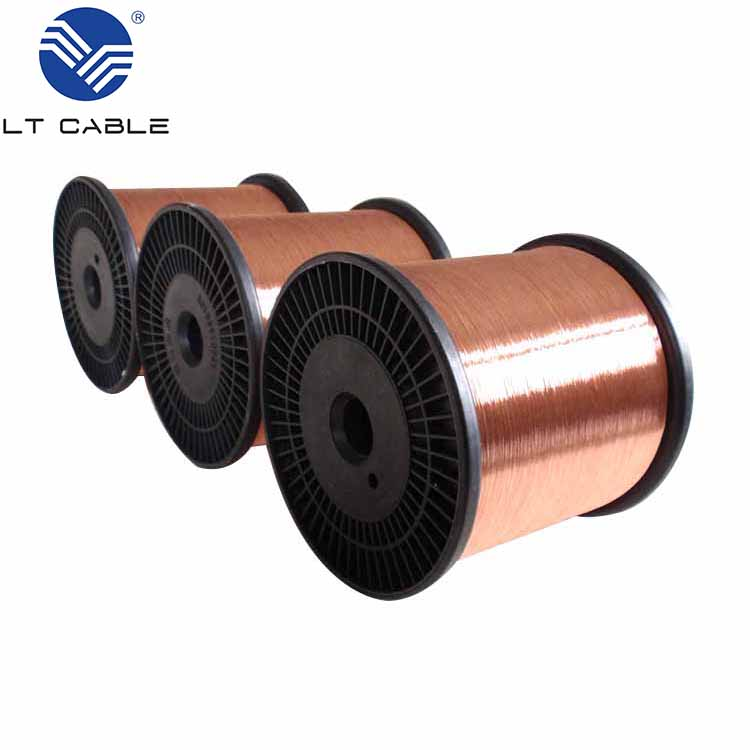
View More
CCA Wire Manufacturing Process: Cladding vs Plating

15

Jan

CCA Wire Manufacturing Process: Cladding vs Plating

Core Metallurgical Differences Between Cladding and Plating for CCA Wire

Bond Formation: Solid-State Diffusion (Cladding) vs Electrochemical Deposition (Plating)

The production of Copper-Clad Aluminum (CCA) wire involves two completely different approaches when it comes to combining metals. The first method is called cladding, which works through what’s known as solid state diffusion. Basically, manufacturers apply intense heat and pressure so that copper and aluminum atoms actually start mixing at the atomic level. What happens then is pretty remarkable - these materials form a strong, lasting bond where they become one at the microscopic level. There's literally no clear boundary between the copper and aluminum layers anymore. On the other side of things we have electroplating. This technique works differently because instead of mixing atoms together, it simply deposits copper ions onto aluminum surfaces using chemical reactions in water baths. The connection here isn't as deep or integrated though. It's more like sticking things together with glue rather than fusing them at the molecular level. Because of this difference in bonding, wires made through electroplating tend to separate more easily when subjected to physical stress or temperature changes over time. Manufacturers need to be aware of these differences when choosing their production methods for specific applications.

Interface Quality: Shear Strength, Continuity, and Cross-Sectional Homogeneity

Interfacial integrity directly governs CCA wire’s long-term reliability. Cladding yields shear strengths exceeding 70 MPa due to continuous metallurgical fusion—validated by standardized peel tests—and cross-sectional analysis shows homogeneous blending without voids or weak boundaries. Plated CCA, however, faces three persistent challenges:

  • Discontinuity risks, including dendritic growth and interfacial voids from non-uniform deposition;
  • Reduced adhesion, with industry studies reporting 15–22% lower shear strength than clad equivalents;
  • Delamination susceptibility, especially during bending or drawing, where poor copper penetration exposes the aluminum core.

Because plating lacks atomic diffusion, the interface becomes a preferential site for corrosion initiation—particularly in humid or saline environments—accelerating degradation where the copper layer is compromised.

Cladding Methods for CCA Wire: Process Control and Industrial Scalability

Hot Dip and Extrusion Cladding: Aluminum Substrate Preparation and Oxide Disruption

Getting good results from cladding starts with proper prep work on aluminum surfaces. Most shops use either grit blasting techniques or chemical etching processes to strip away that natural oxide layer and create just the right amount of surface roughness around 3.2 micrometers or less. This helps the materials bond better together over time. When we talk about hot dip cladding specifically, what happens is pretty straightforward but requires careful control. The aluminum parts get dipped into molten copper heated between roughly 1080 to 1100 degrees Celsius. At those temperatures, the copper actually starts working its way through any remaining oxide layers and begins diffusing into the base material. Another approach called extrusion cladding works differently by applying massive amounts of pressure somewhere between 700 and 900 megapascals. This forces the copper into those clean areas where there were no oxides left behind through what's known as shear deformation. Both these methods are great for mass production needs too. Continuous extrusion systems can run at speeds approaching 20 meters per minute, and quality checks using ultrasonic testing typically show interface continuity rates above 98% when running full scale commercial operations.

Sub-Arc Welding Cladding: Real-Time Monitoring for Porosity and Interfacial Delamination

In submerged arc welding (SAW) cladding processes, copper gets deposited beneath a protective layer of granular flux. This setup really cuts down on oxidation problems while giving much better control over the heat during the process. When it comes to quality checks, high speed X ray imaging at around 100 frames per second can spot those tiny pores smaller than 50 microns as they form. The system then automatically tweaks things like voltage settings, how fast the weld moves along, or even adjusts the flux feeding rate accordingly. Keeping track of temperature is also super important. The heat affected zones need to stay below about 200 degrees Celsius to stop aluminum from getting all messed up with unwanted recrystallization and grain growth that weakens the base material. After everything's done, peel tests regularly show adhesion strengths above 15 Newtons per millimeter, which meets or beats the standards set by MIL DTL 915. Modern integrated systems can handle between eight to twelve wire strands at once, and this has actually cut down on delamination issues by roughly 82% across various manufacturing facilities.

Electroplating Process for CCA Wire: Adhesion Reliability and Surface Sensitivity

Pre-Treatment Criticality: Zincate Immersion, Acid Activation, and Etch Uniformity on Aluminum

When it comes to getting good adhesion on electroplated CCA wires, surface prep matters more than almost anything else. Aluminum naturally forms this tough oxide layer that gets in the way of copper sticking properly. Most untreated surfaces just don't pass adhesion tests, with research from last year showing failure rates around 90%. The zincate immersion method works well because it lays down a thin, even layer of zinc that acts as a kind of bridge for copper to deposit onto. With standard materials like AA1100 alloy, using acid solutions with sulfuric and hydrofluoric acids creates those tiny pits across the surface. This raises surface energy somewhere between 40% to maybe 60%, which helps ensure the plating spreads out evenly instead of clumping together. When etching isn't done right, certain spots become weak points where the coating might come off after repeated heating cycles or when bent during manufacturing. Getting the timing right makes all the difference. About 60 seconds at room temperature with a pH level around 12.2 gives us zinc layers thinner than half a micrometer. If these conditions aren't met exactly, the bond strength drops dramatically, sometimes by as much as three quarters.

Copper Plating Optimization: Current Density, Bath Stability, and Adhesion Validation (Tape/Bend Tests)

The quality of copper deposits really hinges on keeping those electrochemical parameters under tight control. When it comes to current density, most shops aim for between 1 and 3 amps per square decimeter. This range gives a good balance between how fast the copper builds up and the resulting crystal structure. Go over 3 A/dm² though, and things get problematic fast. The copper grows too quickly in dendritic patterns that will crack right up when we start pulling wires later on. Maintaining bath stability means watching copper sulfate levels closely, typically keeping them somewhere between 180 and 220 grams per liter. Don't forget about those brightener additives either. If they run low, the risk of hydrogen embrittlement jumps by around 70%, which nobody wants to deal with. For adhesion testing, most facilities follow ASTM B571 standards, wrapping samples 180 degrees around a mandrel. They also do tape tests according to IPC-4101 specifications using about 15 newtons per centimeter pressure. The goal is no flaking after 20 tape pulls straight through. If something fails these tests, it's usually pointing to problems with bath contamination or poor pre-treatment processes rather than any fundamental issues with the materials themselves.

Performance Comparison of CCA Wire: Conductivity, Corrosion Resistance, and Drawability

Copper Clad Aluminum (CCA) wire comes with certain performance limitations when looking at three key factors. The conductivity typically sits between 60% to 85% of what pure copper offers according to IACS standards. This works okay for transmitting low power signals but falls short for high current applications where heat buildup becomes a real problem for both safety and efficiency. When it comes to resisting corrosion, the quality of the copper coating matters a lot. A solid, uninterrupted copper layer protects the aluminum underneath pretty well. But if there's any kind of damage to this layer - maybe from physical impacts, tiny pores in the material, or layers coming apart at the boundary - then the aluminum gets exposed and starts corroding much faster through chemical reactions. For outdoor installations, extra protective coatings made of polymers are almost always necessary, particularly in areas with regular moisture. Another important consideration is how easy the material can be shaped or drawn without breaking. Hot extrusion processes work better here since they maintain the bond between materials even after multiple shaping steps. Electroplated versions tend to have problems though because their connection isn't as strong, leading to separation issues during manufacturing. All told, CCA makes sense as a lighter weight, cheaper option compared to pure copper in situations where electrical requirements aren't too demanding. Still, it definitely has its limits and shouldn't be considered a one-size-fits-all replacement.

View More
CCA Wire for Automotive Harness: Pros, Cons, and Standards

09

Feb

CCA Wire for Automotive Harness: Pros, Cons, and Standards

Why Automotive OEMs Are Adopting CCA Wire: Weight, Cost, and EV-Driven Demand

EV Architecture Pressures: How Lightweighting and System Cost Targets Accelerate CCA Wire Adoption

The electric vehicle industry has two big challenges on its plate right now - making cars lighter to boost battery range while keeping component costs down. Copper clad aluminum (CCA) wire helps tackle both issues at once. It cuts weight by around 40% compared to regular copper wire, yet still manages about 70% of copper's conductivity according to research from Canada's National Research Council last year. Why does this matter? Because EVs need roughly 1.5 to 2 times more wiring than traditional gasoline powered vehicles, particularly when it comes to those high voltage battery packs and fast charging infrastructure. The good news is aluminum costs less upfront, which means manufacturers can save money overall. These savings aren't just pocket change either; they free up resources for developing better battery chemistries and integrating advanced driver assistance systems. There's one catch though: thermal expansion properties differ between materials. Engineers have to pay close attention to how CCA behaves under heat changes, which is why proper termination techniques following SAE J1654 standards are so important in production environments.

Real-World Deployment Trends: Tier-1 Supplier Integration in High-Voltage Battery Harnesses (2022–2024)

More Tier 1 suppliers are turning to CCA wire for their high voltage battery harnesses on those 400V plus platforms. The reason? Localized weight reductions really boost pack level efficiency. Looking at validation data from about nine major electric vehicle platforms across North America and Europe between 2022 and 2024, we see most of the action happening in three main spots. First there's those inter cell busbar connections which account for roughly 58% of what's going on. Then comes the BMS sensor arrays and finally the DC/DC converter trunk cabling. All these setups meet ISO 6722-2 and LV 214 standards too, including those tough accelerated aging tests that prove they can last around 15 years. Sure, the crimp tools need some adjustments because of how CCA expands when heated, but manufacturers still find themselves saving approximately 18% per harness unit when switching from pure copper options.

Engineering Trade-offs of CCA Wire: Conductivity, Durability, and Termination Reliability

Electrical and Mechanical Performance vs. Pure Copper: Data on DC Resistance, Flex Life, and Thermal Cycling Stability

CCA conductors have about 55 to 60 percent more DC resistance compared to copper wires of the same gauge size. This makes them more prone to voltage drops in circuits carrying large currents such as those found in battery main feeds or BMS power rails. When it comes to mechanical properties, aluminum just isn't as flexible as copper. Standardized bend tests reveal that CCA wiring usually breaks down after around 500 flex cycles maximum, whereas copper can handle over 1,000 cycles before failing under similar conditions. Temperature fluctuations pose another problem too. The repeated heating and cooling experienced in automotive environments ranging from minus 40 degrees Celsius up to 125 degrees creates stress at the interface between copper and aluminum layers. According to testing standards like SAE USCAR-21, this kind of thermal cycling can boost electrical resistance by roughly 15 to 20 percent after just 200 cycles, which significantly impacts signal quality especially in areas subject to constant vibration.

Crimp and Solder Interface Challenges: Insights from SAE USCAR-21 and ISO/IEC 60352-2 Validation Testing

Getting termination integrity right remains a major challenge in CCA manufacturing. Tests according to SAE USCAR-21 standards have shown that aluminum tends to experience cold flow issues when subjected to crimp pressure. This problem leads to around 40% more pull-out failures if the compression force or die geometry isn't just right. The solder connections also struggle with oxidation at where copper meets aluminum. Looking at ISO/IEC 60352-2 humidity tests, we see mechanical strength drops by as much as 30% compared to regular copper solder joints. Top automotive manufacturers try to get around these problems by using nickel plated terminals and special inert gas soldering techniques. Still, nothing beats copper when it comes to lasting performance over time. Because of this, detailed micro section analysis and rigorous thermal shock testing are absolute musts for any component going into high vibration environments.

Standards Landscape for CCA Wire in Automotive Harnesses: Compliance, Gaps, and OEM Policies

Key Standards Alignment: UL 1072, ISO 6722-2, and VW 80300 Requirements for CCA Wire Qualification

For automotive grade CCA wire, meeting all sorts of overlapping standards is pretty much essential if we want safe, durable wiring that actually works properly. Take UL 1072 for instance. This one deals specifically with how well medium voltage cables resist fires. The test here requires CCA conductors to survive flame propagation tests at around 1500 volts. Then there's ISO 6722-2 which focuses on mechanical performance. We're talking about at least 5000 flex cycles before failure plus good abrasion resistance even when exposed to under hood temperatures reaching 150 degrees Celsius. Volkswagen throws another curveball with their VW 80300 standard. They demand exceptional corrosion resistance from high voltage battery harnesses, requiring them to withstand salt spray exposure for over 720 hours straight. All told, these various standards help confirm whether CCA can really work in electric vehicles where every gram counts. But manufacturers need to keep an eye on conductivity losses too. After all, most applications still require performance within 15% of what pure copper delivers as a baseline.

The OEM Divide: Why Some Automakers Restrict CCA Wire Despite IEC 60228 Class 5 Acceptance

While the IEC 60228 Class 5 standard does allow for conductors with higher resistance such as CCA, most original equipment manufacturers have drawn clear lines about where these materials can be used. Typically, they limit CCA to circuits that draw less than 20 amps and completely ban it from any system where safety is a concern. The reason behind this restriction? There are still reliability issues. Testing shows that aluminum connections tend to develop about 30 percent more contact resistance over time when subjected to temperature changes. And when it comes to vibrations, CCA crimp connections break down almost three times quicker than copper ones according to SAE USCAR-21 standards in those vehicle harnesses mounted on suspensions. These test results highlight some serious holes in current standards, especially regarding how these materials hold up against corrosion over years of service and under heavy loads. As a result, car makers base their decisions more on what actually happens in real world conditions rather than just ticking boxes on compliance paperwork.

View More
CCA Wire vs Copper Wire: Key Differences, Cost, and Applications

25

Dec

CCA Wire vs Copper Wire: Key Differences, Cost, and Applications

Electrical Performance: Why CCA Wire Falls Short in Conductivity and Signal Integrity

example

DC Resistance and Voltage Drop: Real-World Impact on Power over Ethernet (PoE)

CCA wire actually has about 55 to 60 percent more DC resistance compared to pure copper because aluminum just doesn't conduct electricity as well. What does this mean? Well, there's going to be way too much voltage loss, which becomes a big problem especially with Power over Ethernet systems. When we talk about regular 100 meter cable runs, the voltage drops so low that things like IP cameras and wireless access points stop working properly. Sometimes they'll flicker on and off randomly, other times they just shut down completely. Tests done by third parties show that CCA cables keep failing the TIA-568 standards for DC loop resistance requirements, going well over the 25 ohm limit per pair. And then there's the heat issue too. All that extra resistance creates heat that wears out the insulation faster, making these cables unreliable over time in any setup where PoE is actively being used.

AC Behavior at High Frequencies: Skin Effect and Insertion Loss in Cat5e–Cat6 Installations

The idea that skin effect somehow cancels out CCA's material weaknesses doesn't hold up when looking at actual performance at high frequencies. When we get past 100 MHz, which is pretty standard for most Cat5e and Cat6 installations these days, CCA cables typically lose between 30 and 40 percent more signal strength compared to regular copper cables. The problem gets worse because aluminum has naturally higher resistance, which makes those skin effect losses even more pronounced. This leads to poor signal quality and more errors in data transmission. Tests on channel performance show that usable bandwidth can drop by as much as half in some cases. The TIA-568.2-D standard actually requires all conductors to be made from the same metal throughout the cable. This ensures stable electrical characteristics across the entire frequency range. But CCA just doesn't cut it here since there are these discontinuities where the core meets the cladding, plus aluminum itself attenuates signals differently than copper does.

Safety and Compliance: NEC Violations, Fire Risks, and the Legal Status of CCA Wire

Lower Melting Point and PoE Overheating: Documented Failure Modes and NEC Article 334.80 Restrictions

The fact that aluminum melts at around 660 degrees Celsius, which is about 40 percent cooler than copper's melting point of 1085 degrees, creates real thermal risks for Power over Ethernet applications. When carrying the same electrical load, copper clad aluminum conductors run approximately 15 degrees warmer than pure copper wires. Industry professionals have reported instances where insulation actually melts and cables start to smoke in PoE++ systems that deliver over 60 watts. This situation goes against what's specified in NEC Article 334.80. That particular code section demands that any wiring placed inside walls or ceilings must stay within safe temperature limits when continuously powered. Plenum rated areas specifically cannot contain materials that might experience thermal runaway, and many fire officials now flag CCA installations as not meeting these standards during routine building inspections.

TIA-568.2-D and UL Listing Requirements: Why CCA Wire Fails Certification for Structured Cabling

The TIA-568.2-D standard mandates solid copper conductors for all certified twisted pair structured cabling installations. The reason? Performance issues aside, there are serious safety concerns and lifespan problems with CCA that just don't cut it. Independent testing shows CCA cables fail the UL 444 standards when put through vertical tray flame tests and struggle with conductor elongation measurements too. These aren't just numbers on paper either they directly impact how well the cables hold up mechanically over time and their ability to contain fires if something goes wrong. Since getting a UL listing depends entirely on having uniform copper construction that meets specific resistance and strength criteria, CCA gets automatically ruled out of consideration. Anyone who specifies CCA for commercial work runs into major headaches down the road. Permits might get denied, insurance claims could be voided, and expensive rewiring becomes necessary especially in data centers where local authorities regularly check cable certifications during their infrastructure inspections.

Key violation sources: NEC Article 334.80 (temperature safety), TIA-568.2-D (material requirements), UL Standard 444 (communication cable safety)

Total Cost of Ownership: Hidden Risks Behind CCA Wire’s Lower Upfront Price

While CCA wire carries a lower initial purchase price, its true cost emerges only over time. A rigorous Total Cost of Ownership (TCO) analysis exposes four major hidden liabilities:

  • Premature Replacement Costs: Higher failure rates drive recabling cycles every 5–7 years–doubling labor and material expenses versus copper’s typical 15+ year service life
  • Downtime Expenses: Network outages from CCA-related connection failures cost businesses an average of $5,600 per hour in lost productivity and remediation
  • Compliance Penalties: Non-compliant installations trigger warranty voids, regulatory fines, and full-system rework–often exceeding original installation costs
  • Energy Inefficiency: Up to 25% higher resistance increases PoE heat generation, raising cooling demands and energy use in climate-controlled environments

When these factors are modeled across a 10-year horizon, pure copper consistently delivers 15–20% lower lifetime costs–even with its higher upfront investment–especially in mission-critical infrastructure where uptime, safety, and scalability are non-negotiable.

Where CCA Wire Is (and Isn’t) Acceptable: Valid Use Cases vs Prohibited Deployments

Permitted Low-Risk Applications: Short Non-PoE Runs and Temporary Installations

CCA wire can work for some situations where risk is low and duration is short. Think things like old school analog CCTV runs that don't go much beyond 50 meters or wiring for temporary events. These applications generally don't need strong power delivery, high quality signals, or meet all those permanent installation requirements. But there are limits. Don't try running CCA through walls, into plenum areas, or anywhere it might get too hot (over 30 degrees Celsius) according to NEC rules in section 334.80. And here's another thing nobody likes to mention but matters a lot: signal quality starts dropping off way before reaching that magical 50 meter threshold. At the end of the day though, what really counts is what the local building inspector says goes.

Strictly Prohibited Scenarios: Data Centers, Voice-Grade Cabling, and Commercial Building Backbones

The use of CCA wiring remains strictly off limits across critical infrastructure applications. According to TIA-568.2-D standards, commercial buildings simply cannot use this type of cabling for backbone connections or horizontal runs because of serious issues including unacceptable latency problems, frequent packet losses, and unstable impedance characteristics. The fire hazards are particularly concerning for data center environments where thermal imaging reveals dangerous hot spots reaching over 90 degrees Celsius when subjected to PoE++ loads, which clearly exceeds what's considered safe operation. For voice communication systems, another major problem develops over time as the aluminum component tends to corrode at connection points, gradually degrading signal quality and making conversations harder to understand. Both NFPA 70 (National Electrical Code) and NFPA 90A regulations explicitly forbid installation of CCA cables in any permanent structured cabling setup, labeling them as potential fire risks that pose threats to life safety in buildings where people actually work and live.

View More

Client Testimonials for Copper Clad Aluminum Electrical Wire

John Smith
Exceptional Performance in Residential Projects

Using Copper Clad Aluminum Electrical Wire in our new housing project was a game-changer. The lightweight design made installation a breeze, and the energy savings have been noticeable! Highly recommend!

Sarah Johnson
Reliable and Cost-Effective Solution

We switched to Copper Clad Aluminum for our commercial projects, and the results have been fantastic. The cost savings and improved efficiency have made a significant impact on our bottom line. Will continue using this product!

Get a Free Quote

Our representative will contact you soon.
Email
Name
Company Name
Message
0/1000
Lightweight and Easy to Install

Lightweight and Easy to Install

One of the standout features of our Copper Clad Aluminum Electrical Wire is its lightweight nature. This property significantly reduces the physical strain on electricians during installation, allowing for quicker and more efficient project completion. The ease of handling and routing in tight spaces makes it an ideal choice for modern construction projects, where time and labor costs are critical factors. Our wire's design not only enhances the installation experience but also ensures that the final setup is clean and professional, meeting the high standards expected in today's market.
Cost-Effectiveness without Compromising Quality

Cost-Effectiveness without Compromising Quality

Our Copper Clad Aluminum Electrical Wire provides an outstanding balance between cost and performance. By combining aluminum's affordability with copper's superior conductivity, we offer a product that delivers exceptional value. This cost-effectiveness is particularly beneficial for large-scale projects, where material expenses can significantly impact the overall budget. Clients can achieve high-performance electrical solutions without exceeding their financial limits, making our wire a smart investment for various applications.
  • Product Consultation & Selection

    Product Consultation & Selection

    Tailored advice, perfect fit solutions.

  • Production & Supply Chain

    Production & Supply Chain

    Efficient manufacturing, seamless supply.

  • Quality Assurance & Certification

    Quality Assurance & Certification

    Rigorous testing, global certifications.

  • Post-Sales Support & Tech Help

    Post-Sales Support & Tech Help

    Prompt assistance, ongoing support.

Get a Free Quote

Our representative will contact you soon.
Name
Email
Mobile
Country/Region
Title
Message
0/1000