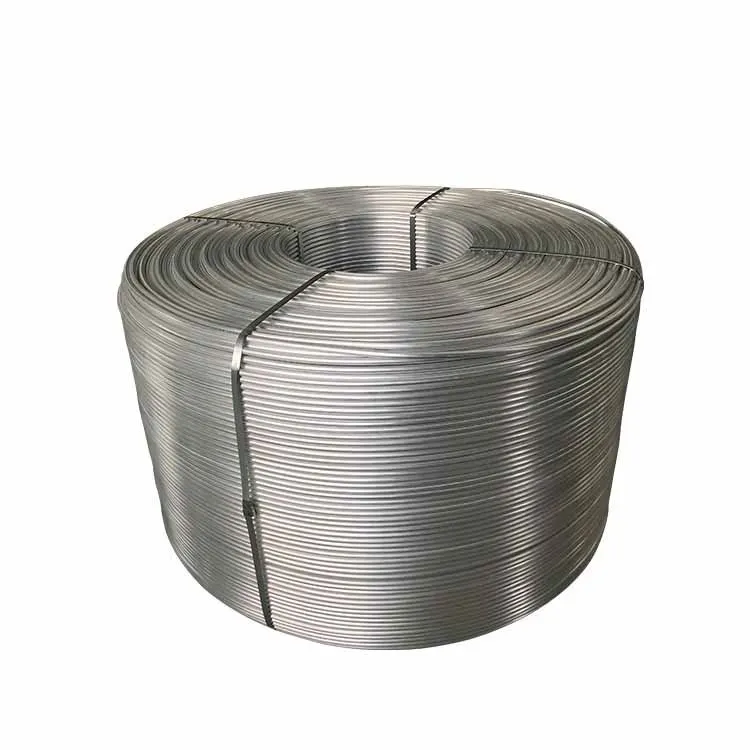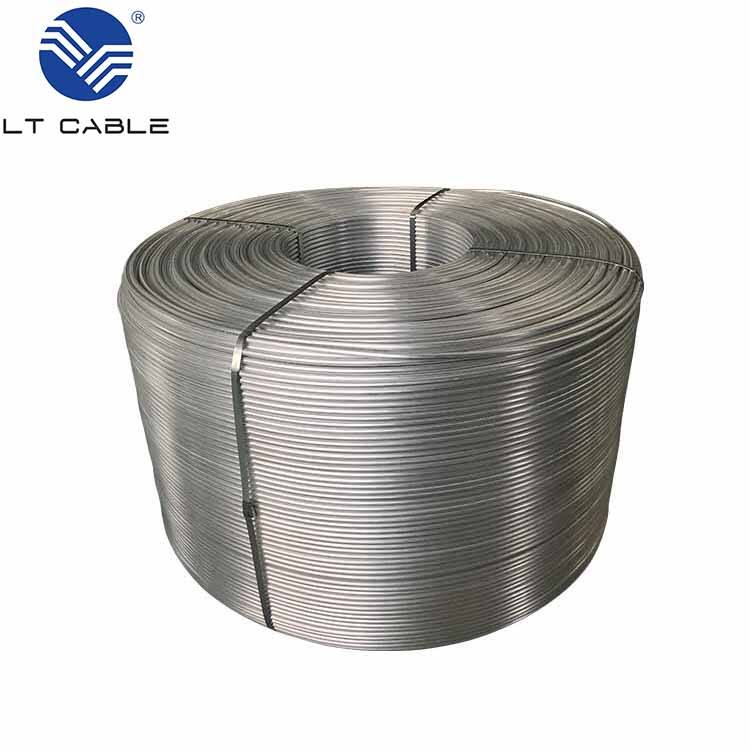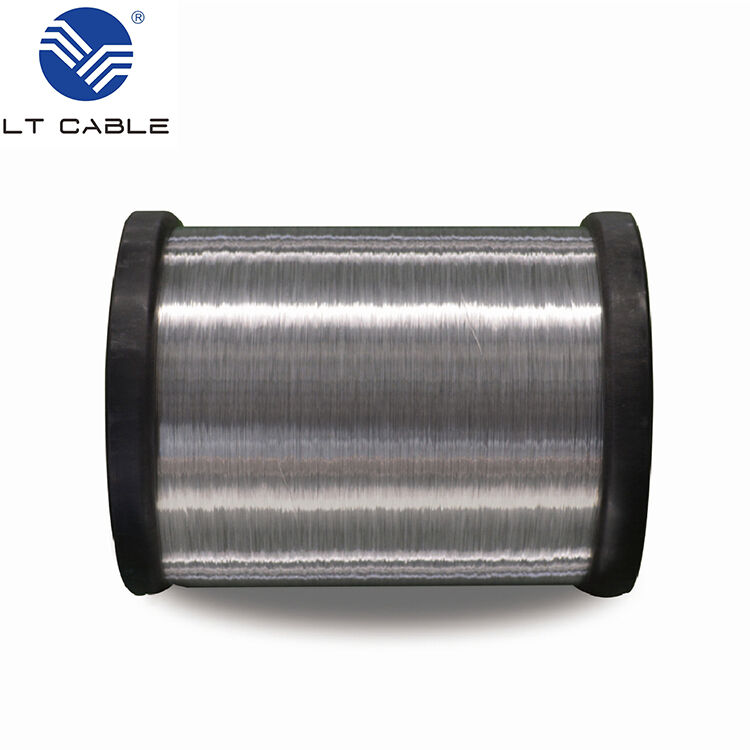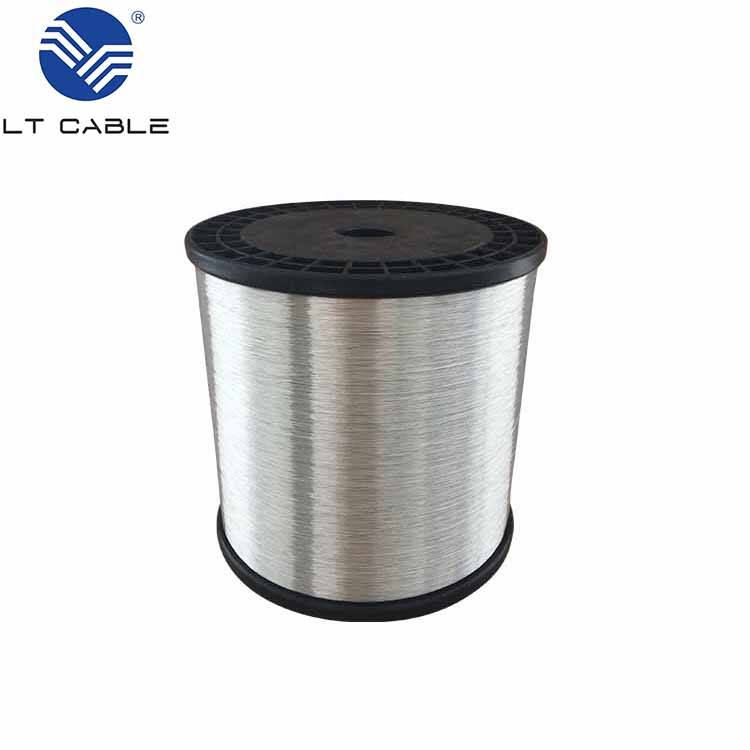
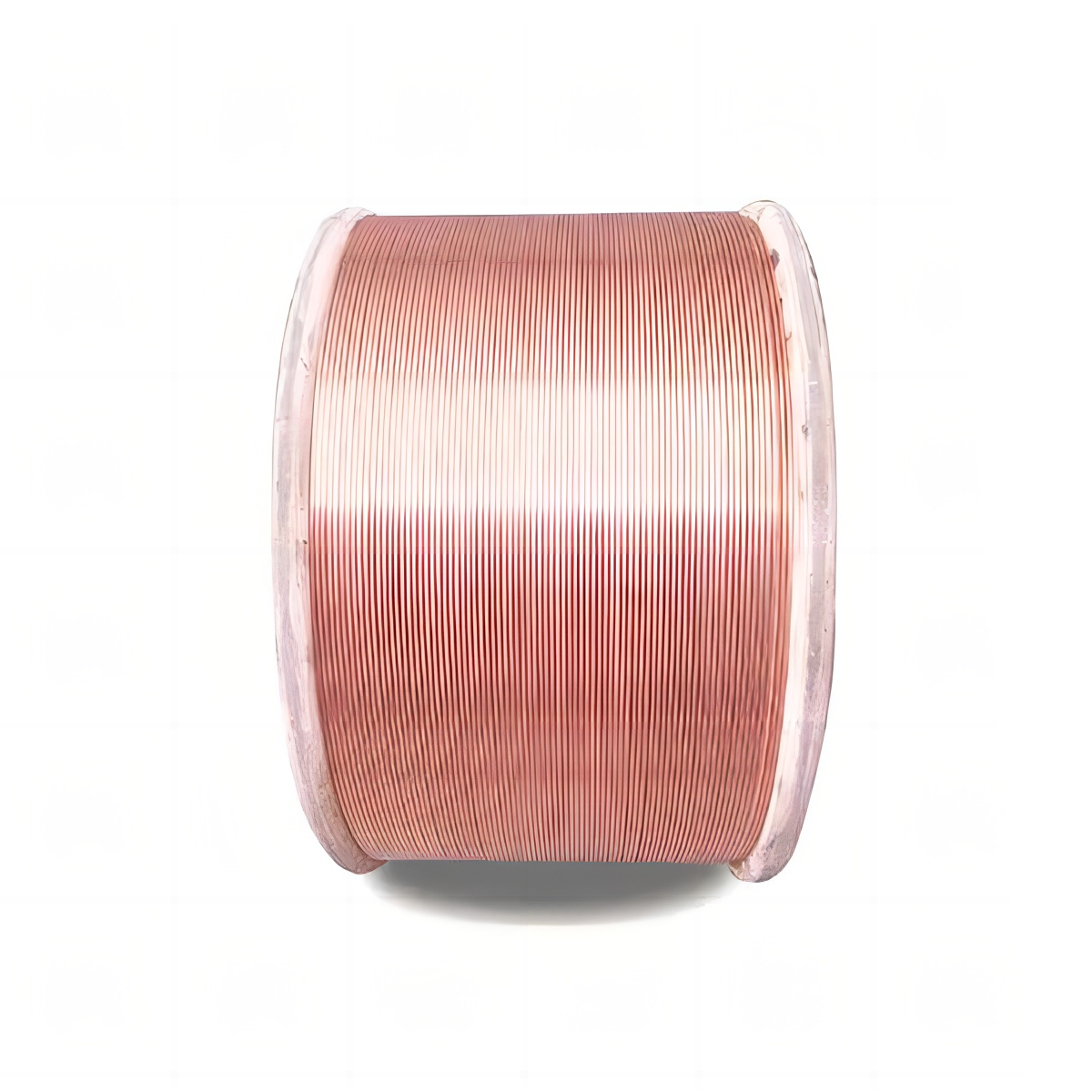
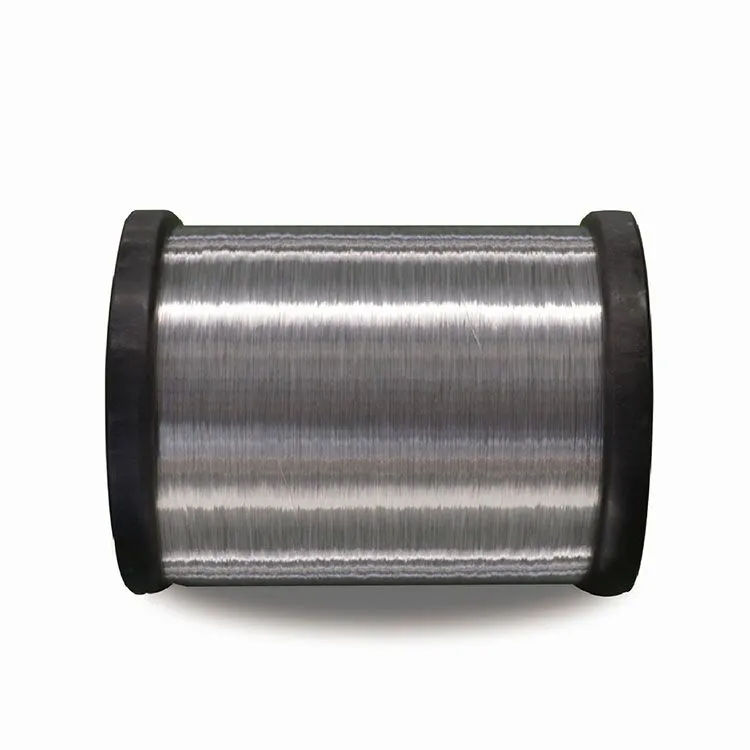
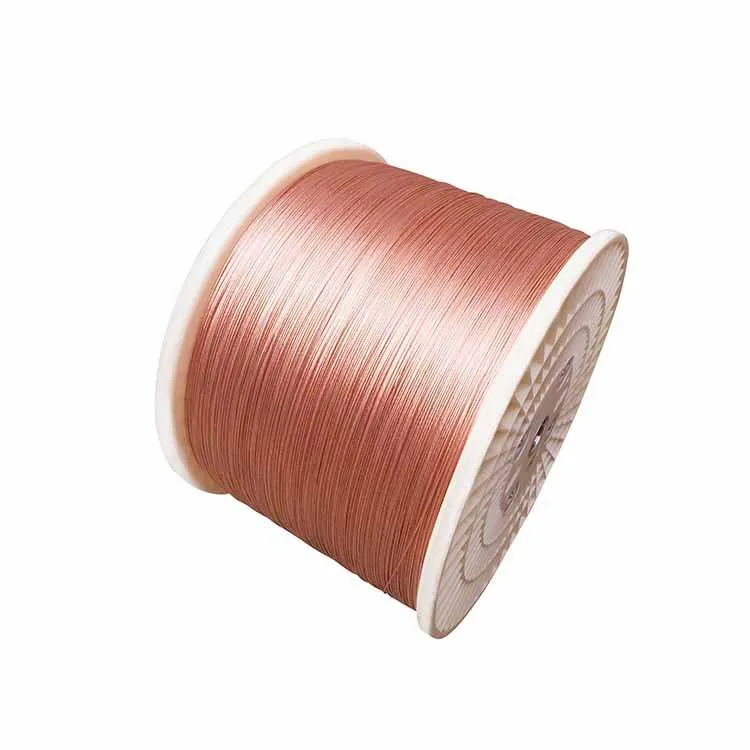
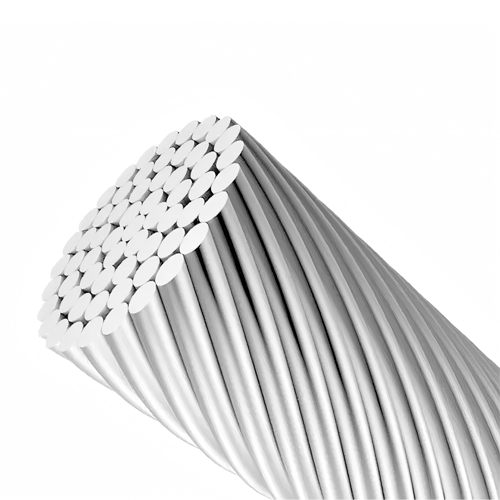
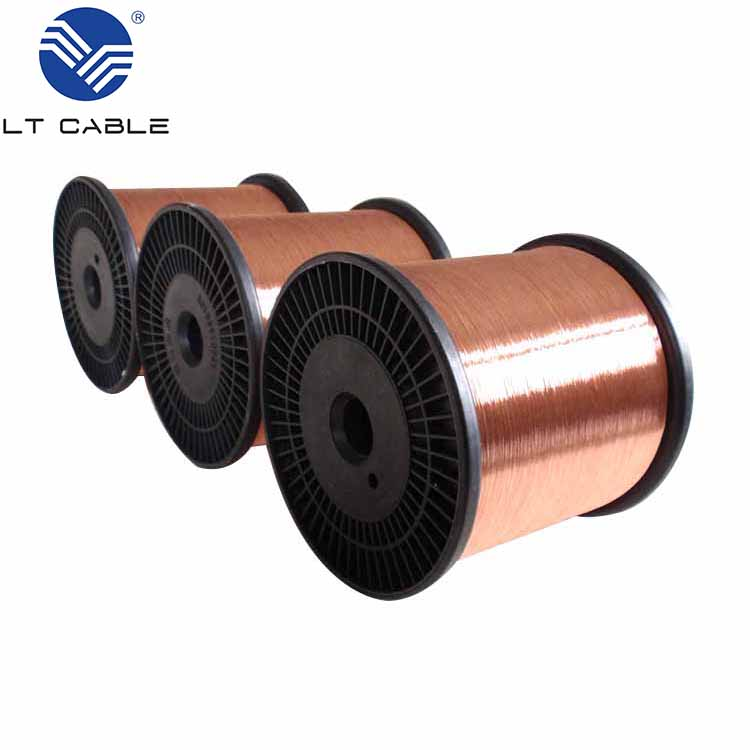
Aluminum Alloy Cable Conductor: Lightweight, High-Efficiency Solution

Get a Free Quote

Our representative will contact you soon.
Name
Email
Mobile
Country/Region
Choose the product you want
Message
0/1000
Unmatched Quality and Reliability in Aluminum Alloy Cable Conductors

Unmatched Quality and Reliability in Aluminum Alloy Cable Conductors

Our aluminum alloy cable conductors are engineered for excellence, ensuring superior conductivity, lightweight design, and enhanced durability. The unique composition of aluminum alloys provides a stronger and more resilient conductor, which translates to increased efficiency and reduced energy loss. With fully automated production lines, we guarantee precision in every step, from raw material selection to final product testing. Our commitment to quality ensures that our products meet international standards, offering clients peace of mind and long-term performance. By choosing our aluminum alloy cable conductors, you invest in a product that is designed to withstand the rigors of various applications while delivering optimal performance.
Get A Quote

Successful Implementation of Aluminum Alloy Cable Conductors in Renewable Energy Projects

Case Studies

In a recent renewable energy project, our aluminum alloy cable conductors were utilized to connect solar panels to the grid. The lightweight nature of the conductors made installation easier and reduced overall structural requirements. The project reported a 15% increase in energy efficiency compared to previous installations using traditional copper conductors. Our cables' resistance to corrosion and environmental factors ensured long-term reliability, making them the preferred choice for future projects.

Case Studies

A major telecommunications company faced challenges with signal loss in their network due to outdated wiring. By switching to our aluminum alloy cable conductors, they experienced a significant reduction in signal degradation. The improved conductivity of our cables allowed for faster data transmission and increased network reliability. This case highlights how our products can enhance performance in critical applications, driving customer satisfaction and loyalty.

Case Studies

In a large-scale industrial application, our aluminum alloy cable conductors were deployed in a manufacturing facility. The facility required robust wiring solutions that could handle high current loads while minimizing weight. Our conductors not only met but exceeded their expectations, providing a safe and efficient solution that led to a 20% reduction in energy costs. This successful implementation showcases the versatility and effectiveness of our aluminum alloy cable conductors in demanding environments.

Related products

We create aluminum alloy cable conductors based on customer's specifications and needs, no matter the industry they are in. The first step in production is sourcing the appropriate aluminum alloy that is strongest and most conductive. Because we have fully automated production lines, we can be sure to have quality control during the entire manufacturing process. All conductors are tested to pass industry standards before they are shipped, which means testing is done on their electrical and mechanical durability, as well as their performance. We also consider the value of our customers and provide them with the option of choosing the specifications that best suit their project. We have made a considerable commitment to research and development so that we can continue to supply products that are in demand while also having the ability to meet an anticipated need for products in the near future.

Frequently Asked Questions about Aluminum Alloy Cable Conductors

What are the main benefits of using aluminum alloy cable conductors?

Aluminum alloy cable conductors offer several advantages, including lightweight construction, high conductivity, and improved resistance to corrosion. These features make them ideal for various applications, particularly in environments where reduced weight and enhanced performance are critical.
While copper conductors have traditionally been favored for their conductivity, aluminum alloy conductors are increasingly preferred due to their lower weight, cost-effectiveness, and resistance to environmental factors. Additionally, aluminum alloys can achieve comparable conductivity levels to copper, making them a viable alternative.

Related article

CCA Wire Manufacturing Process: Cladding vs Plating

15

Jan

CCA Wire Manufacturing Process: Cladding vs Plating

Core Metallurgical Differences Between Cladding and Plating for CCA Wire

Bond Formation: Solid-State Diffusion (Cladding) vs Electrochemical Deposition (Plating)

The production of Copper-Clad Aluminum (CCA) wire involves two completely different approaches when it comes to combining metals. The first method is called cladding, which works through what’s known as solid state diffusion. Basically, manufacturers apply intense heat and pressure so that copper and aluminum atoms actually start mixing at the atomic level. What happens then is pretty remarkable - these materials form a strong, lasting bond where they become one at the microscopic level. There's literally no clear boundary between the copper and aluminum layers anymore. On the other side of things we have electroplating. This technique works differently because instead of mixing atoms together, it simply deposits copper ions onto aluminum surfaces using chemical reactions in water baths. The connection here isn't as deep or integrated though. It's more like sticking things together with glue rather than fusing them at the molecular level. Because of this difference in bonding, wires made through electroplating tend to separate more easily when subjected to physical stress or temperature changes over time. Manufacturers need to be aware of these differences when choosing their production methods for specific applications.

Interface Quality: Shear Strength, Continuity, and Cross-Sectional Homogeneity

Interfacial integrity directly governs CCA wire’s long-term reliability. Cladding yields shear strengths exceeding 70 MPa due to continuous metallurgical fusion—validated by standardized peel tests—and cross-sectional analysis shows homogeneous blending without voids or weak boundaries. Plated CCA, however, faces three persistent challenges:

  • Discontinuity risks, including dendritic growth and interfacial voids from non-uniform deposition;
  • Reduced adhesion, with industry studies reporting 15–22% lower shear strength than clad equivalents;
  • Delamination susceptibility, especially during bending or drawing, where poor copper penetration exposes the aluminum core.

Because plating lacks atomic diffusion, the interface becomes a preferential site for corrosion initiation—particularly in humid or saline environments—accelerating degradation where the copper layer is compromised.

Cladding Methods for CCA Wire: Process Control and Industrial Scalability

Hot Dip and Extrusion Cladding: Aluminum Substrate Preparation and Oxide Disruption

Getting good results from cladding starts with proper prep work on aluminum surfaces. Most shops use either grit blasting techniques or chemical etching processes to strip away that natural oxide layer and create just the right amount of surface roughness around 3.2 micrometers or less. This helps the materials bond better together over time. When we talk about hot dip cladding specifically, what happens is pretty straightforward but requires careful control. The aluminum parts get dipped into molten copper heated between roughly 1080 to 1100 degrees Celsius. At those temperatures, the copper actually starts working its way through any remaining oxide layers and begins diffusing into the base material. Another approach called extrusion cladding works differently by applying massive amounts of pressure somewhere between 700 and 900 megapascals. This forces the copper into those clean areas where there were no oxides left behind through what's known as shear deformation. Both these methods are great for mass production needs too. Continuous extrusion systems can run at speeds approaching 20 meters per minute, and quality checks using ultrasonic testing typically show interface continuity rates above 98% when running full scale commercial operations.

Sub-Arc Welding Cladding: Real-Time Monitoring for Porosity and Interfacial Delamination

In submerged arc welding (SAW) cladding processes, copper gets deposited beneath a protective layer of granular flux. This setup really cuts down on oxidation problems while giving much better control over the heat during the process. When it comes to quality checks, high speed X ray imaging at around 100 frames per second can spot those tiny pores smaller than 50 microns as they form. The system then automatically tweaks things like voltage settings, how fast the weld moves along, or even adjusts the flux feeding rate accordingly. Keeping track of temperature is also super important. The heat affected zones need to stay below about 200 degrees Celsius to stop aluminum from getting all messed up with unwanted recrystallization and grain growth that weakens the base material. After everything's done, peel tests regularly show adhesion strengths above 15 Newtons per millimeter, which meets or beats the standards set by MIL DTL 915. Modern integrated systems can handle between eight to twelve wire strands at once, and this has actually cut down on delamination issues by roughly 82% across various manufacturing facilities.

Electroplating Process for CCA Wire: Adhesion Reliability and Surface Sensitivity

Pre-Treatment Criticality: Zincate Immersion, Acid Activation, and Etch Uniformity on Aluminum

When it comes to getting good adhesion on electroplated CCA wires, surface prep matters more than almost anything else. Aluminum naturally forms this tough oxide layer that gets in the way of copper sticking properly. Most untreated surfaces just don't pass adhesion tests, with research from last year showing failure rates around 90%. The zincate immersion method works well because it lays down a thin, even layer of zinc that acts as a kind of bridge for copper to deposit onto. With standard materials like AA1100 alloy, using acid solutions with sulfuric and hydrofluoric acids creates those tiny pits across the surface. This raises surface energy somewhere between 40% to maybe 60%, which helps ensure the plating spreads out evenly instead of clumping together. When etching isn't done right, certain spots become weak points where the coating might come off after repeated heating cycles or when bent during manufacturing. Getting the timing right makes all the difference. About 60 seconds at room temperature with a pH level around 12.2 gives us zinc layers thinner than half a micrometer. If these conditions aren't met exactly, the bond strength drops dramatically, sometimes by as much as three quarters.

Copper Plating Optimization: Current Density, Bath Stability, and Adhesion Validation (Tape/Bend Tests)

The quality of copper deposits really hinges on keeping those electrochemical parameters under tight control. When it comes to current density, most shops aim for between 1 and 3 amps per square decimeter. This range gives a good balance between how fast the copper builds up and the resulting crystal structure. Go over 3 A/dm² though, and things get problematic fast. The copper grows too quickly in dendritic patterns that will crack right up when we start pulling wires later on. Maintaining bath stability means watching copper sulfate levels closely, typically keeping them somewhere between 180 and 220 grams per liter. Don't forget about those brightener additives either. If they run low, the risk of hydrogen embrittlement jumps by around 70%, which nobody wants to deal with. For adhesion testing, most facilities follow ASTM B571 standards, wrapping samples 180 degrees around a mandrel. They also do tape tests according to IPC-4101 specifications using about 15 newtons per centimeter pressure. The goal is no flaking after 20 tape pulls straight through. If something fails these tests, it's usually pointing to problems with bath contamination or poor pre-treatment processes rather than any fundamental issues with the materials themselves.

Performance Comparison of CCA Wire: Conductivity, Corrosion Resistance, and Drawability

Copper Clad Aluminum (CCA) wire comes with certain performance limitations when looking at three key factors. The conductivity typically sits between 60% to 85% of what pure copper offers according to IACS standards. This works okay for transmitting low power signals but falls short for high current applications where heat buildup becomes a real problem for both safety and efficiency. When it comes to resisting corrosion, the quality of the copper coating matters a lot. A solid, uninterrupted copper layer protects the aluminum underneath pretty well. But if there's any kind of damage to this layer - maybe from physical impacts, tiny pores in the material, or layers coming apart at the boundary - then the aluminum gets exposed and starts corroding much faster through chemical reactions. For outdoor installations, extra protective coatings made of polymers are almost always necessary, particularly in areas with regular moisture. Another important consideration is how easy the material can be shaped or drawn without breaking. Hot extrusion processes work better here since they maintain the bond between materials even after multiple shaping steps. Electroplated versions tend to have problems though because their connection isn't as strong, leading to separation issues during manufacturing. All told, CCA makes sense as a lighter weight, cheaper option compared to pure copper in situations where electrical requirements aren't too demanding. Still, it definitely has its limits and shouldn't be considered a one-size-fits-all replacement.
View More
How does copper - clad wire achieve such outstanding conductivity?

22

Feb

How does copper - clad wire achieve such outstanding conductivity?

Understanding Copper-Clad Wire

Copper clad wire represents a special type of composite made from either aluminum or steel at its center, wrapped with a thin copper layer. The manufacturing technique for this setup goes by the name cladding welding. During production, quality copper tape gets applied around the central metal, forming what's called a solid metallurgical bond between layers. What happens next is pretty interesting actually the copper and base metal start acting like they're one material instead of separate ones. This combination gives the wire better properties overall, making it work well across different industrial applications where strength meets conductivity requirements.

Copper-clad wire combines different materials to give it some pretty special characteristics that regular copper or aluminum wires just don't have. Copper on the outside means great conductivity, something that matters a lot when we need good electrical performance from our systems. Inside, there's usually aluminum or sometimes steel, which cuts down both the weight and what it costs to produce these wires. For manufacturers looking at their bottom line but still wanting decent conductive properties, this mix hits the sweet spot. Industries like telecommunications and power transmission find copper-clad options particularly appealing because they get most of the benefits of pure copper at a fraction of the price, even if they aren't quite as perfect as solid copper conductors.

Copper clad wires work better because of their layered construction. Copper sits on the outside where it does what it does best conducting electricity really well. Inside there's something lighter, which makes the whole thing cheaper to produce and much easier to work with during installation. This setup works great when we need lots of wire running through buildings or across landscapes without dragging around heavy cables that break the bank. Think about telephone lines stretching between poles or data cables snaking through office walls. The mix of copper and other materials creates a practical solution that balances performance against budget constraints, something manufacturers have been optimizing for decades in the ever-evolving world of electrical connections.

Benefits of Copper-Clad Aluminum Wire

Copper clad aluminum wire actually stands up better than regular copper wire when it comes to strength and lasting power, which makes it work great for all sorts of different jobs around the industry. Tests have shown these wires can handle much more tension before breaking compared to standard copper options. The real advantage becomes clear in places where there's constant wear and tear on materials. These wires bend without snapping and still keep their shape even after being stretched quite a bit, something plain copper just cant match in most situations.

When looking at the bottom line, copper clad aluminum wire comes out ahead as a smart money move. These wires cost way less than solid copper options, which cuts down on material expenses big time. That makes them especially appealing for companies working with tight budgets or trying to keep overhead low. What's really nice about this cost advantage is that manufacturers can redirect those saved dollars toward other parts of their operations. Some might invest in better quality control equipment while others could upgrade their facilities. Either way, the financial flexibility opens up new possibilities without sacrificing product quality.

One major plus point for copper-clad aluminum wire is its better resistance to corrosion, something that really extends how long these wires last before needing replacement. The reason behind this protection lies in copper itself, known for standing up well against rust and other forms of degradation. That makes copper-clad options especially good for places outside or areas with high humidity levels where regular wires might start breaking down faster. Electrical systems using this type of wiring tend to stay dependable for much longer than standard alternatives. Less frequent repairs mean lower costs down the road, and overall installations just last better without constant attention from technicians.

In summary, copper-clad aluminum wire is beneficial for its enhanced strength and durability, cost-effectiveness, and superior corrosion resistance. These properties make it an excellent choice for various applications, particularly where budgetary constraints and environmental factors play a significant role.

Applications of Copper-Clad Wire

Copper clad wire plays a big role in telecom networks these days. The copper layer actually boosts how well electricity flows through the wire, something that keeps signals strong during transmission. Because of this property, many companies go with copper clad when making coax cables for things like high speed internet connections and TV service delivery systems. Another benefit worth mentioning is that these wires help cut down on signal interference problems, so people get better reception quality overall without those annoying dropouts or fuzzy pictures.

Copper clad wire works great for electrical wiring in homes and businesses alike. It weighs less than regular copper cable and costs quite a bit less too, which means better energy efficiency overall. Electricians love working with it when they need to run wires through tight spaces or around complicated building layouts since it bends so easily. The lighter weight really helps during installations, especially up high where carrying heavy materials gets old fast. Contractors often choose copper clad wire for these reasons when budget is a concern but performance still needs to be good enough for most applications.

Copper clad wire plays a really important role when building antennas these days, especially since modern tech demands lighter materials without sacrificing signal quality. Take copper clad aluminum as an example. It weighs much less than solid copper but still conducts electricity pretty well. That's why many companies install aerial antennas using this material. The towers don't have to support as much weight, which saves money on structural requirements. Plus, signals travel through these wires just fine. For folks working on communication systems or setting up broadcast equipment, copper clad options offer both weight savings and good performance characteristics that make them stand out from other materials available in the market today.

Technical Comparisons

Knowing the difference between regular copper wire and copper-clad options matters a lot for anyone buying materials or working on electrical projects. Copper itself has amazing conductivity because it doesn't resist electricity much, usually measuring around 1.678 ohms per meter when things are at normal room temps. On the other hand, those copper-clad aluminum wires (we call them CCA) actually have a bit more resistance since they're made with an aluminum center wrapped in a thin copper coating. What makes these interesting though is that despite this small tradeoff in conductivity, they cost less money and weigh significantly less than pure copper alternatives. For many applications where budget constraints exist but performance still needs to be decent, CCA provides a good middle ground between getting the job done right and keeping expenses under control.

When deciding between stranded and solid wire setups, application requirements usually dictate which type works best. Stranded wire consists of many small strands twisted together, making it great for situations where movement happens regularly. Because of this flexibility, stranded wires don't break as easily during repeated bending motions, though they do have marginally higher resistance per foot than their solid counterparts. Solid wire has just one thick conductor inside, offering stronger construction with less resistance. These characteristics make solid wire better suited for fixed installations where long term stability matters most. Understanding these differences helps electricians pick the right kind of wire depending on what the job actually demands.

Market Trends in Wire Solutions

The wire production field is undergoing major changes right now, especially when it comes to making copper-clad wires. New tech developments have improved how these wires perform without breaking the bank on manufacturing expenses. Take the latest cladding methods for example they deliver better electrical properties but require far less actual copper than traditional approaches, which cuts down on material costs quite a bit. The shift toward these methods matters a lot because manufacturers across various sectors are constantly looking for ways to save money without compromising quality. Many companies in electronics and construction are already adopting these newer techniques as part of their broader efforts to cut costs and reduce environmental impact over time.

The future looks bright for copper-clad materials as demand seems set to rise because they offer both good value and solid performance. Recent market studies show companies are moving toward greener approaches that save money while still getting the job done right. This makes sense when we look at what industries around the world need these days. Manufacturers aren't standing still either. They keep finding new ways to work with copper clad products, which means we can expect continued expansion in this area. New rules from regulators plus growing concern about protecting our environment are giving an extra push to adoption rates across many sectors.

View More
Why Twisted Wire is the Key to Stable Car Electrical Connections

22

Mar

Why Twisted Wire is the Key to Stable Car Electrical Connections

Understanding Twisted Wire Technology in Automotive Systems

Basic Structure: Twisted vs. Solid vs. Stranded Wire

In automotive systems, twisted, solid, and stranded wires all serve different purposes thanks to their unique structures. Take twisted wire for instance it usually has those enameled strands wrapped together. People love this type because it bends easily and cuts down on that annoying electromagnetic interference we all know as EMI. The way these strands twist around each other actually helps the wire handle bumps and shakes better while still working properly. Stranded wire works similarly but just has more individual strands bundled together, which makes it super flexible for getting into tight spots where space matters most. Solid wire takes a completely different approach with one big solid core inside. This gives it great conductivity and lasting power, so it's typically used in places where the wire won't be moved much after installation.

Twisted wire has one big plus point when it comes to fighting off electromagnetic interference. The way these wires are constructed actually cuts down on EMI pretty well, something that matters a lot in cars where there's plenty of high frequency noise floating around. Take enameled wire for instance. When manufacturers twist this type together, they get that protective enamel coating working overtime to prevent shorts. This kind of setup shows up all over the place in motor windings and other critical components inside electric motors. With modern vehicles relying so heavily on clean signal paths, knowing what separates twisted from straight wiring makes all the difference. Engineers spend hours debating which wire type works best for different parts of the vehicle because getting this right can mean smoother operation and fewer headaches down the road.

How Twisting Affects Electrical Signal Integrity

When wires are twisted together, it actually helps maintain better electrical signals, which matters a lot in car electronics where signal loss can be problematic. The main benefit comes from how this twisting works against electromagnetic interference. Basically, when current flows through parallel wires, they create magnetic fields that interfere with each other. But twist those wires just right and those fields start cancelling each other out instead. Research into cable design shows that increasing the number of twists along a given length makes this cancellation even more effective. Most automotive engineers will tell you that properly twisted cables can bring down EMI to almost nothing across their entire run, keeping data transmission clean and reliable throughout the vehicle's wiring system.

Twisting wires works mainly because it cancels out magnetic fields. Current running through these twisted pairs creates opposing magnetic fields in each half of the twist. The result? Much less interference from unwanted voltages and outside noise sources. Tests back this up consistently. Car manufacturers rely heavily on this technique since their vehicles operate in all sorts of electromagnetic environments. From engine compartments to passenger cabins, there's always background electrical noise competing with important signals. That's why properly twisted wiring remains so critical throughout modern cars' increasingly complicated electrical systems.

Key Benefits of Twisted Wire for Car Electrical Connections

EMI Reduction Through Magnetic Field Cancellation

Twisting wires remains a popular approach for cutting down on electromagnetic interference (EMI) problems inside cars and trucks. When wires get twisted together, they create opposing magnetic fields that basically cancel each other out. The result? Less unwanted electrical noise messing with sensitive equipment. Research indicates these twisted arrangements knock EMI levels way down compared to regular straight wires running parallel. Some tests even found reductions exceeding 70% in certain situations. Makes sense why automotive engineers love this trick so much. In modern vehicles packed full of electronic components, keeping those signals clean matters a lot. Safety systems need reliable connections after all, and twisted wiring helps ensure communication stays intact between different parts of the vehicle's complex network.

Enhanced Durability in High-Vibration Environments

Twisted wires tend to hold up really well over time, especially when used in cars that constantly vibrate and move around. What makes them special is how they're built - the twisting lets them bend without breaking as easily as regular solid or stranded wires would under the same rough treatment. Car makers have noticed this firsthand too. Some big names in the industry report their twisted wire connections stay intact much longer when subjected to those relentless vibrations we see in vehicles day after day. Stranded wires just don't cut it in these situations since they wear down faster, and solid ones? Well, they often just snap right off completely. For anyone looking at long term reliability in automotive wiring systems where shaking and rattling is basically part of the job description, twisted wires simply offer advantages that other types just cant match up to.

Improved Flexibility for Complex Routing

Twisted wire designs offer real advantages when it comes to routing through the cramped spaces inside modern vehicles. Solid wires and those made from copper clad aluminum just don't bend well enough for all those tight corners and awkward angles that come standard in today's car interiors. The twist gives these wires the flexibility needed to snake through engine compartments and dashboards where straight runs simply won't work. For mechanics and installers, this means fewer headaches during assembly and better integration with other components. Automotive engineers appreciate this too since they can create more advanced electrical layouts without constantly fighting against the limitations of traditional wiring options. Better installation times translate into cost savings on production lines, while also helping maintain the reliability and performance standards expected from modern vehicle electrical systems.

Twisted Wire vs. Solid and Stranded Conductors

Current Capacity Comparison: Twisted vs. Solid Wire

When it comes to cars, how much electricity twisted wire can carry makes all the difference compared to regular solid wire. The twisty design actually works better for moving current because of the way the strands are woven together, creating more surface area that helps get rid of heat faster. This matters a lot in car electrical systems where keeping things running smoothly without overheating is critical. Some research published in an engineering journal found that twisted wires handle about 15 percent more current than their solid counterparts. Most car makers follow guidelines from groups like the IEC when picking out wiring materials. These rules help them choose wires that won't overheat or fail under normal driving conditions, which keeps everyone safer on the road.

Flexibility Advantage Over Copper Clad Aluminum (CCA) Wire

When it comes to flexibility, twisted wire definitely outperforms copper clad aluminum (CCA) wire, particularly in those complicated vehicle layouts we see these days. Twisted wire just bends and twists right through all those tight spots in cars without snapping, while CCA might be lighter but tends to break down when things get really complicated. Take modern car designs where wires need to snake through engine compartments and under dashboards. Mechanics actually report faster installations with twisted wires since they don't kink up so easily. Most major car manufacturers now specify twisted wire for their production lines simply because these wires hold up better during assembly and after years of vibration from everyday driving conditions something every mechanic knows matters a lot in keeping vehicles running smoothly.

Why Stranded Wire Complements Twisted Pair Designs

In automotive wiring applications, stranded wire works alongside twisted wire designs to boost performance across different vehicle systems. When combined properly, these wires maintain good connections even when subjected to vibrations and temperature changes common in cars. We see this happening in critical areas like engine management controls where reliable signal transmission matters most. The automotive industry has noticed this trend too many manufacturers now prefer using mixed wiring approaches because they get better results from combining flexible stranded conductors with the structural benefits of twisted pairs. This practice helps meet strict performance requirements while keeping electrical systems running smoothly for longer periods without failures.

Practical Applications in Modern Vehicle Systems

Stable Sensor Data Transmission for ADAS

Twisted wire is really important for keeping data transmission stable in those Advanced Driver-Assistance Systems (ADAS) found in today's cars. When manufacturers twist the wires together, it cuts down on electromagnetic interference problems. This matters a lot now that cars have so many different electronic systems packed into them. Industry numbers show that when using twisted wiring instead of other approaches, data errors drop quite a bit, making these driver assistance features both safer and more dependable over time. Take Tesla for instance they actually implemented twisted pair wiring throughout their vehicle line-up. Their engineers noticed much better sensor communication between components, especially under real world driving conditions where all sorts of electrical signals are bouncing around inside the car.

Noise-Free Audio in Infotainment Systems

Twisted wire tech plays a big role in getting clean audio from car infotainment systems. These wires work really well against electromagnetic interference, something that causes those annoying noises drivers hear while on the road. Car audio specialists will tell anyone serious about sound quality that good wiring matters a lot, especially when we're talking about twisted pairs. Take the BMW 7 Series as an example. They actually use these special wires in their audio setup so people can enjoy music without all that background static messing things up during their drive. Most car owners probably don't think about this stuff, but it makes a real difference in how satisfying the whole listening experience feels inside the vehicle cabin.

Reliable Ignition and ECU Communication

Good wiring is absolutely necessary for proper functioning of ignition systems and those important computer parts called ECUs. We've seen plenty of cars on the road with bad wiring that just plain breaks down. Take some models from a few years back where people had all sorts of trouble starting their vehicles because the wires couldn't handle the job. Twisted wire stands out because it conducts electricity better and holds up longer under stress, which keeps those vital signals moving between parts without interruption. When manufacturers invest in quality wiring solutions, they're not just preventing breakdowns but actually making cars run smoother and last longer overall. The difference might seem small at first glance, but over time it adds up to fewer repairs and happier customers.

View More
Wondering how to ensure long - term stability of aluminum alloy wire for projects? Here are some tips

27

Apr

Wondering how to ensure long - term stability of aluminum alloy wire for projects? Here are some tips

Key Factors Affecting Aluminum Alloy Wire Stability

Material Composition and Alloying Elements

What goes into making aluminum alloy wire really matters when it comes to how stable it stays during use. Manufacturers often mix in elements like magnesium, silicon, and copper to get those extra mechanical properties they need. Magnesium adds strength and helps fight off corrosion, something every manufacturer wants. Silicon makes things easier to cast and also boosts wear resistance. Getting the mix just right between all these components determines whether the wire will hold up under stress or fail when exposed to harsh environments. Industry standards set by groups such as ASTM and ISO actually spell out exactly what combinations work best for different purposes. These guidelines help keep the whole alloying process on track so companies don't end up with products that fall short of what customers expect.

Thermal Expansion and Contraction Cycles

Changes in temperature really affect aluminum wire because of how it expands and contracts when heated or cooled. Over time, this constant stretching and shrinking wears down the material, eventually causing failures in the structure. The thing about aluminum is that it expands quite a bit more than most other metals when temperatures change. That's why proper installation matters so much for keeping wires from warping or breaking down completely. Good installers know to leave some room for expansion and often use flexible connections instead of rigid ones. When done right, these small adjustments make all the difference in maintaining stable performance from aluminum wiring across different climates and conditions.

Microstructural Degradation Over Time

Aluminum alloy wires face problems when their microstructure starts breaking down after being used for a long time. Things happen at the microscopic level too - recrystallization processes and grains growing larger actually weaken what should be strong conducting material. These changes don't just occur randomly either. When wires experience constant mechanical stress plus harsh environmental factors, they degrade much faster than expected. Studies show that if aluminum alloys are subjected to ongoing pressure while also dealing with heat, their useful life gets cut short quite dramatically. For anyone working with these materials, keeping them away from extreme conditions makes all the difference. Regular checks help spot issues before they become major problems. Spotting those early warning signs means maintenance work can happen sooner rather than waiting until failure occurs unexpectedly.

Optimizing Alloy Composition for Enhanced Durability

Aluminum-magnesium alloy systems for corrosion resistance

Aluminum-magnesium alloys really stand out when it comes to resisting corrosion, especially around saltwater. That's why they're so popular in boat manufacturing and car parts that get exposed to road salt. The magic happens because magnesium mixes with aluminum to form this tough oxide coating that stops rust from spreading. Tests over the years show these special alloys hold up way better against harsh weather and chemicals compared to regular aluminum versions. For products that need to last through constant exposure to tough conditions, like coastal equipment or undercarriage components, these alloys mean longer service life without frequent replacements.

Copper-clad aluminum (CCA) wire advantages

Copper clad aluminum or CCA wires bring some pretty good advantages, especially when looking at how well they conduct electricity while being much lighter than regular copper. These wires actually conduct almost as well as pure copper but come in at a fraction of the weight, which makes them great for situations where every ounce matters. When we compare these wires to both solid copper and plain aluminum options, they strike a nice middle ground in terms of heat handling and electrical properties. The numbers back this up too many companies report around 40 percent savings just by switching to CCA for their wiring needs. Plus, there's better efficiency when transmitting power through these materials, which explains why so many manufacturers have started incorporating them into their production processes over recent years.

Role of rare earth elements in grain refinement

Adding rare earth elements to aluminum alloys helps improve how the metal grains form, which makes the whole material stronger and better at handling stress. Take cerium for instance it works wonders when mixed into aluminum. The element actually changes the way the metal grows at a microscopic level, making it both tougher and more flexible at the same time. Research shows these special additives give aluminum alloys extra staying power and let them work well even in tough conditions. We're talking about things like airplane parts or engine components where materials need to last through extreme temperatures and constant pressure. For manufacturers looking to build products that won't break down over time, this kind of enhancement has become pretty much essential in modern manufacturing practices.

Environmental and Operational Stress Considerations

Corrosion resistance in humid environments

Aluminum alloy wires really struggle with staying resistant to corrosion when exposed to damp environments. Humidity speeds up oxidation processes that weaken the wire structures over time. Industry professionals tackle this problem using different protective measures like anodizing techniques and powder coatings. What these treatments do is basically form a shield against moisture getting to the metal surface, which makes them last much longer than unprotected ones. We see this working well in practice too. Take coastal building sites for example where saltwater air would normally eat away at regular aluminum wiring. Wires treated with proper coatings hold up far better against that kind of damage, meaning they need replacing less frequently and save money on repairs down the road.

Mechanical stress tolerance in stranded wire configurations

Wire configurations made from stranded conductors tend to struggle with mechanical stress problems that impact both stability and overall performance. When several strands are twisted together, stress doesn't always spread evenly across them. This imbalance can actually cause things like fraying at connection points or outright breaks when pulled too hard. Good wire design needs to address these concerns head on. Engineers look at things like how much force the material can handle before stretching or breaking, plus how well it resists deformation over time. Following established industry standards for construction practices while picking the right diameter matters a lot too. Mining sites provide a good case study here since their cables face constant punishment from heavy machinery movement and environmental conditions. These installations typically require wires rated for significantly higher tensile strength just to survive day after day without failing catastrophically.

Thermal stability under high-load conditions

When used in heavy duty applications, aluminum wires need good thermal stability to avoid breaking down. Under heavy loads, wire temperatures can spike quite a bit, which puts their structure at risk if they cant get rid of the excess heat properly. The main things we look at for thermal performance are basically what temperature limits the wires can handle before problems start. There's plenty of field evidence showing aluminum wires work well in these situations too. Well made wires have been known to hold up just fine at around 100 degrees Celsius or higher without losing their effectiveness. Most industry guidelines agree that proper aluminum wiring maintains both conductivity and strength even when subjected to those kinds of heat levels, which means safer operation and better results in all sorts of different settings where this kind of wiring is needed.

Manufacturing Processes for Improved Performance

Controlled Annealing Techniques

Annealing techniques are really important when it comes to improving aluminum alloys for wire production. What happens during these processes is pretty fascinating actually. The thermal conditions need to be carefully managed because this changes how the metal's structure looks at a microscopic level, making wires last longer and perform better overall. Manufacturers tweak things like heat levels and how fast they cool down the material to get just the right balance between bendability, electrical conductivity, and protection against rusting. Different industries have developed their own approaches over time depending on what kind of wires they need. Some might focus on super strong wires for heavy duty uses while others prioritize something else entirely. These improvements in mechanical characteristics make all the difference in situations where wires face serious stress or extreme conditions.

Continuous Casting vs. Traditional Extrusion Methods

Looking at continuous casting versus traditional extrusion techniques for making aluminum wire, most manufacturers focus on two main factors efficiency and product quality. Continuous casting brings some real benefits to the table, notably better material properties and the ability to scale up production easily. The process cuts down on costs because it generates less waste and uses less energy overall. Molten aluminum gets turned directly into wire shape without all the intermediate steps needed in other methods. Extrusion works fine too, but tends to be more expensive since the material has to go through several shaping stages before final product comes out. Some plant managers report savings of around 15-20% in operating costs when switching to continuous casting, plus they get more uniform wire quality that holds up better during downstream processing.

Enameled Wire Coating Technologies

The coatings applied to enameled wires play a major role in improving how well these wires perform, especially when it comes to resisting corrosion and keeping good electrical properties. Different kinds of enamel create protective barriers that keep wires safe from things like moisture, chemicals, and temperature extremes, which means they last much longer before needing replacement. What makes these coatings so valuable is their ability to stop oxidation processes that gradually break down the wire's surface, something that can seriously impact conductivity over time. Manufacturers have found through testing that properly coated wires work better across many industries, from heavy machinery components to everyday gadgets we use at home. For anyone working with electrical systems, understanding the importance of quality enamel coatings isn't just technical knowledge it's practically essential for ensuring equipment runs smoothly and efficiently for years instead of months.

Installation and Maintenance Best Practices

Proper Tensioning for Solid Wire vs Stranded Wire

Proper tensioning is crucial for stabilizing and enhancing the performance of both solid and stranded aluminum wires. While solid wires are more rigid and require precise tension adjustments to avoid breakage, stranded wires need gentler handling to prevent sagging. Here are a few guidelines to help maintain optimal tensioning:

1. Ensure uniform tension across the entire length of the wire during installation to prevent weak points.

2. Use tension-adjusting tools that are calibrated specifically for the type of wire being handled.

3. Regularly inspect the installation for signs of slackness or overly tight tension, which could lead to damage over time.

Industry best practices often involve using tension meters and following manufacturer recommendations to ensure both stability and longevity of the wire.

Galvanic Corrosion Prevention Strategies

Galvanic corrosion can compromise the integrity of aluminum wire, especially when used alongside dissimilar metals. Efficient prevention strategies have been developed to mitigate this risk:

1. Apply protective coatings to aluminum wires to create a barrier against electrochemical reactions.

2. Use sacrificial anodes to divert corrosive activities from the wire itself.

3. Introduce insulating materials to physically separate the aluminum wire from incompatible metals.

Adhering to these strategies, which are also supported by standards such as the ASTM G82 for galvanic corrosion prevention, can significantly prolong the cable's operational life and maintain system reliability.

Monitoring Electrical Conductivity Degradation

Monitoring the electrical conductivity of aluminum wires is key to ensuring consistent operational efficiency. As wires age or become corroded, maintaining conductivity becomes critical to system reliability. Several methods can be employed:

1. Regular impedance testing to detect potential degradation in electrical pathways.

2. Utilize tools like ohmmeters and multimeters to assess conductivity at different junctions.

3. Implementing routine visual inspections to identify early signs of wear or corrosion.

These techniques are vital for maintaining optimal performance and are commonly used in industries where aluminum wiring is a critical component of the infrastructure. Advanced monitoring tools not only help detect deterioration early but also facilitate timely maintenance interventions.

Future Innovations in Conductor Technology

Nanostructured Aluminum Alloy Developments

Aluminum alloys with nanostructures are really pushing the boundaries in conductor tech right now, giving wires much better strength and overall performance. What makes these materials special is their tiny scale features that boost aluminum's mechanical traits, so they work great in all sorts of tough situations. Researchers working with nanotechnology are busy tweaking the mix of metals and how they process them to get even better results from these alloys. Most people in the field think we're looking at a big shift in how wires get made soon enough. We should see lighter weight options that are still super strong and conduct electricity better than anything before, which will definitely help with our growing demands on electrical systems everywhere.

Hybrid Composite Conductor Materials

When it comes to wires, hybrid composite materials are changing the game big time. By mixing aluminum with other stuff, engineers get better performance out of these materials than ever before. What makes them so great? Well, they're lighter on the scale while still conducting electricity really well. That combination works wonders in situations where getting the most bang for your buck matters most. Labs around the world are busy figuring out how these composites behave when pushed to their limits, testing everything from extreme temperatures to mechanical stress. If companies start switching to these new conductor materials, we might see some serious changes across the industry. Not only do they perform better, but they also tend to save money in the long run, which is why more manufacturers are keeping an eye on this technology development.

Smart Wire Systems with Embedded Sensors

Smart wire systems with built-in sensors represent something pretty groundbreaking for the world of wiring tech. They let operators keep tabs on wire conditions in real time, which opens up possibilities for predicting problems before they happen and making systems much more reliable overall. The sensors gather all sorts of information continuously temperature readings, how tight or loose the wires are, even their ability to conduct electricity. This constant stream of data means technicians can spot trouble spots long before anything actually breaks down, cutting down on expensive downtime and giving electrical systems a longer life span. We're already seeing these smart systems put to work in factories and other commercial environments, where they're proving themselves by boosting both efficiency and worker safety across different sectors from manufacturing plants to data centers.

View More

Client Testimonials for Aluminum Alloy Cable Conductors

John Smith
Exceptional Performance and Reliability

Since switching to Litong's aluminum alloy cable conductors, our energy efficiency has improved significantly. The lightweight design made installation a breeze, and we have experienced no signal loss since. Highly recommended!

Sarah Johnson
A Game Changer for Our Operations

The durability and performance of Litong's aluminum alloy cable conductors have transformed our manufacturing processes. We’ve seen a noticeable reduction in energy costs and downtime. Their customer service is also top-notch!

Get a Free Quote

Our representative will contact you soon.
Email
Name
Company Name
Message
0/1000
Superior Conductivity and Energy Efficiency

Superior Conductivity and Energy Efficiency

Our aluminum alloy cable conductors are designed to provide superior conductivity, which translates to lower energy losses during transmission. This efficiency not only enhances the performance of electrical systems but also contributes to significant cost savings over time. By utilizing advanced materials and manufacturing techniques, we ensure that our conductors are capable of handling high loads while maintaining optimal performance. This is particularly beneficial in applications where energy efficiency is paramount, such as renewable energy installations and industrial applications. Clients can expect reduced operational costs and improved system reliability when choosing our products.
Lightweight Design for Easy Installation

Lightweight Design for Easy Installation

One of the standout features of our aluminum alloy cable conductors is their lightweight design. This characteristic simplifies the installation process, reducing labor costs and time on site. The reduced weight also minimizes the structural requirements for supporting infrastructure, making it easier to integrate into existing systems. This advantage is particularly valuable in projects where space and weight constraints are critical, such as in telecommunications and renewable energy sectors. Our clients appreciate the ease of handling and installation, which allows them to focus on other aspects of their projects without worrying about complex wiring issues.
  • Product Consultation & Selection

    Product Consultation & Selection

    Tailored advice, perfect fit solutions.

  • Production & Supply Chain

    Production & Supply Chain

    Efficient manufacturing, seamless supply.

  • Quality Assurance & Certification

    Quality Assurance & Certification

    Rigorous testing, global certifications.

  • Post-Sales Support & Tech Help

    Post-Sales Support & Tech Help

    Prompt assistance, ongoing support.

Get a Free Quote

Our representative will contact you soon.
Name
Email
Mobile
Country/Region
Title
Message
0/1000