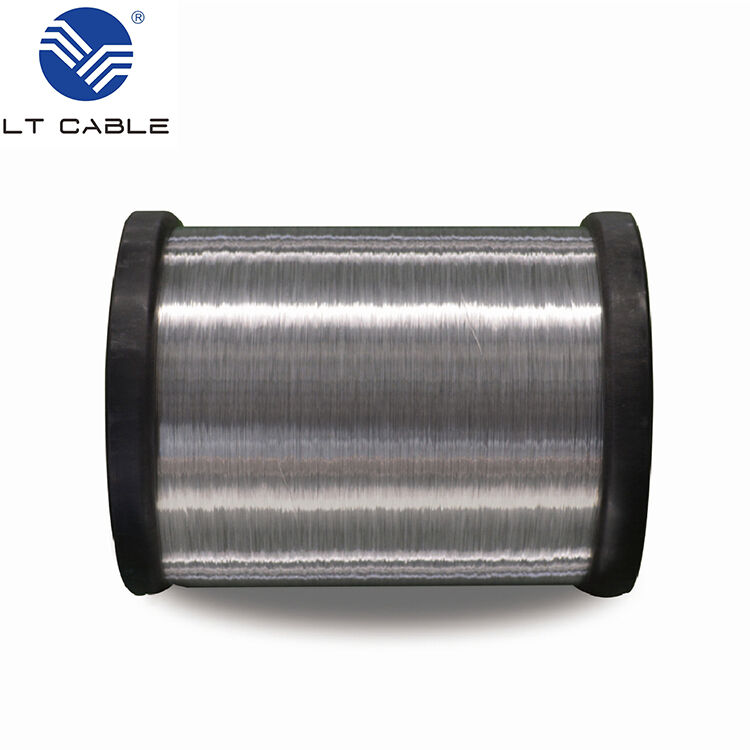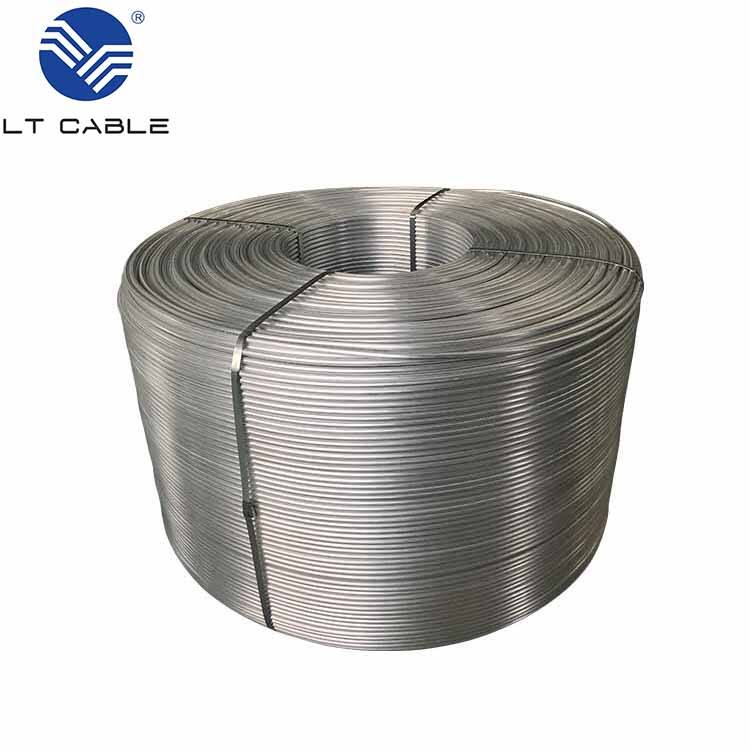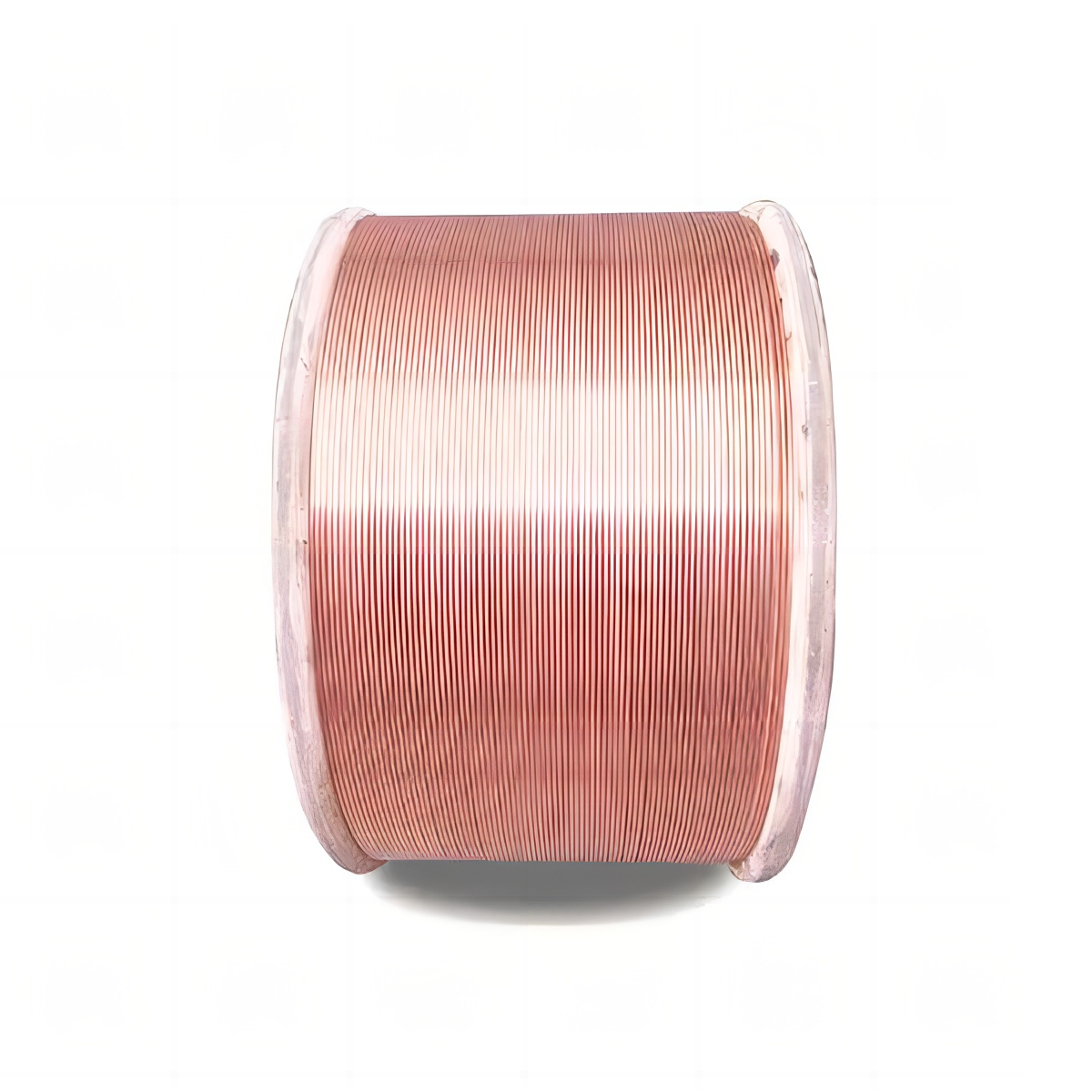
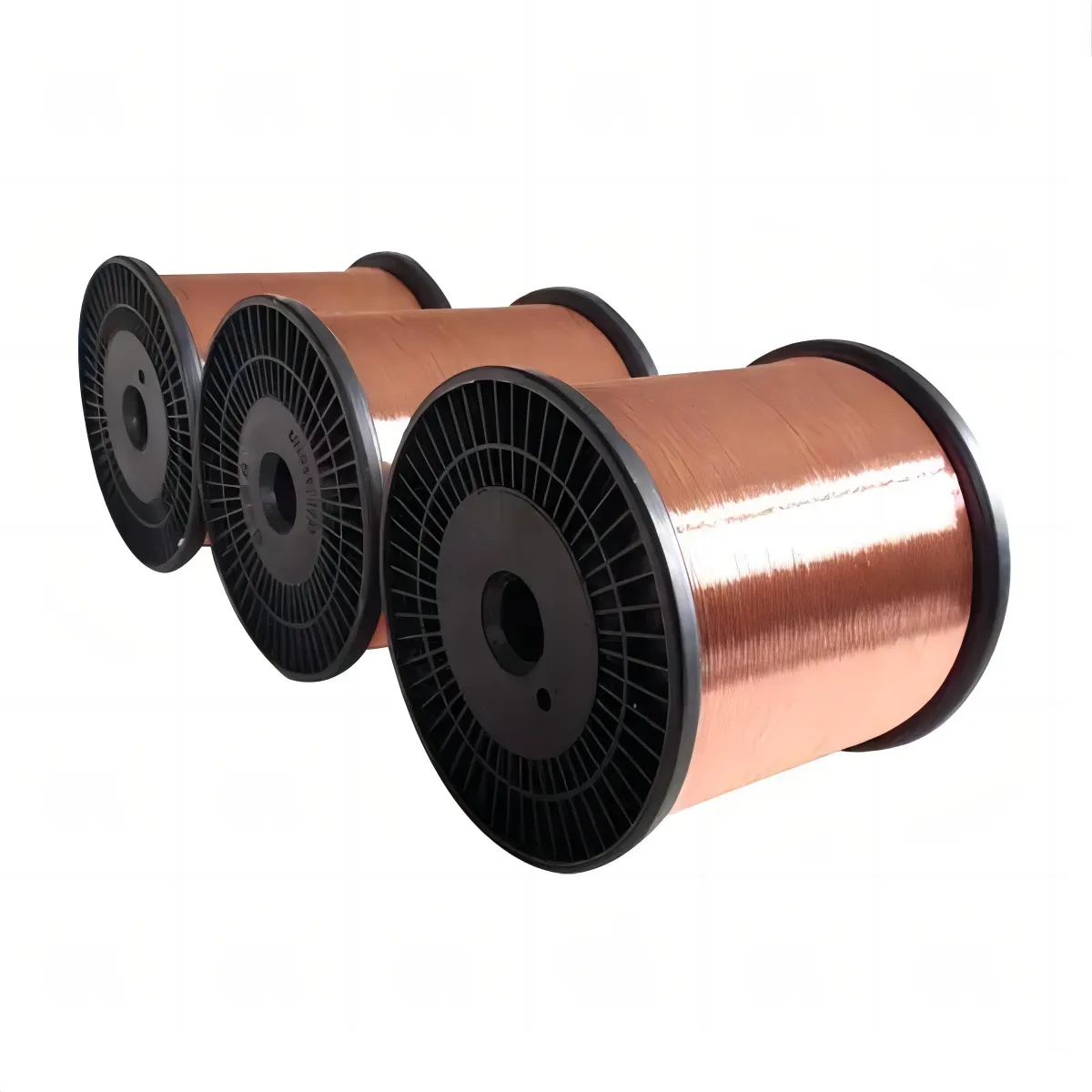
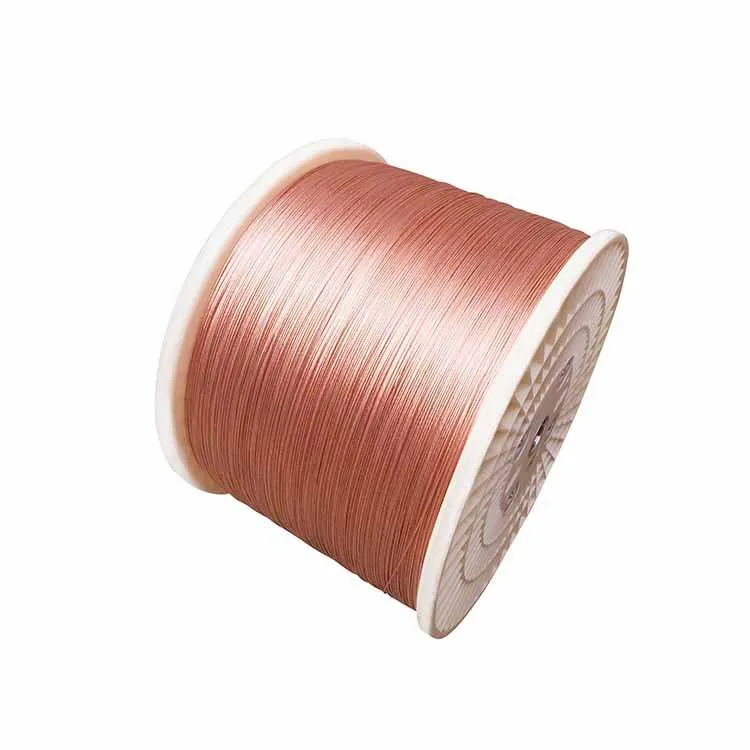
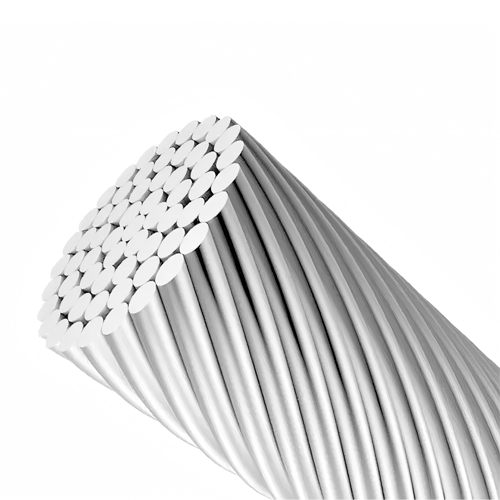
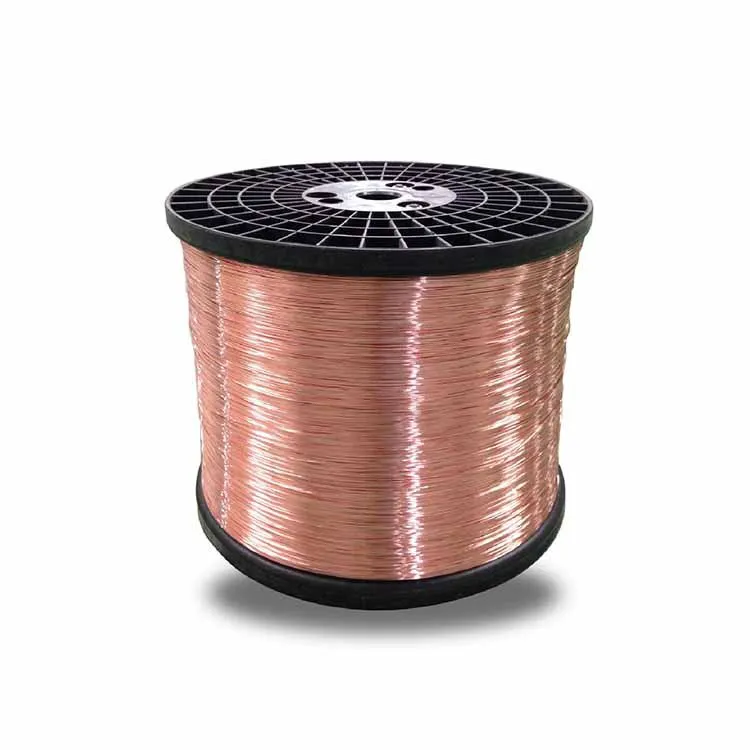
Electroplated Al-Mg Alloy Wire | High Strength & Corrosion Resistance

Get a Free Quote

Our representative will contact you soon.
Name
Email
Mobile
Country/Region
Choose the product you want
Message
0/1000

The Superior Choice for Electroplated Aluminum Magnesium Alloy Wire

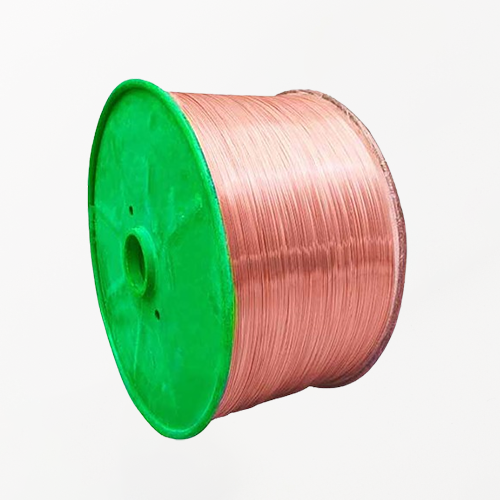
Electroplated aluminum magnesium alloy wire stands out for its exceptional strength-to-weight ratio, corrosion resistance, and excellent conductivity. Our fully automatic production lines ensure that every wire is manufactured to the highest quality standards, making it ideal for various applications, including aerospace, automotive, and construction. The unique electroplating process enhances the wire's durability and performance, ensuring longevity in even the most demanding environments. With precise control over every production step, from raw materials to final product, we guarantee that our customers receive only the best.
Get A Quote

Case Studies

Successful Implementation in Aerospace Applications

In a recent project with a leading aerospace manufacturer, our electroplated aluminum magnesium alloy wire was chosen for its lightweight yet robust properties. The wire was utilized in the construction of aircraft components, where reducing weight is critical for fuel efficiency. Our client reported a significant improvement in performance metrics and a decrease in overall production costs due to the wire's reliability and strength. This case exemplifies how our products can meet the rigorous demands of the aerospace industry while providing cost-effective solutions.

Enhancing Automotive Performance

An automotive company sought to enhance the performance of their electric vehicles and turned to our electroplated aluminum magnesium alloy wire. The wire was integrated into the vehicle's wiring harness, contributing to improved electrical conductivity and reduced weight. The client experienced a notable increase in energy efficiency and overall vehicle performance. This successful collaboration highlights our commitment to providing tailored solutions that meet the specific needs of the automotive sector.

Revolutionizing Construction Projects

In a large-scale construction project, our electroplated aluminum magnesium alloy wire was selected for its superior corrosion resistance and strength. The wire was used in structural reinforcements, ensuring safety and durability in challenging environments. The construction firm reported enhanced project timelines and reduced maintenance costs, thanks to the wire's long-lasting properties. This case demonstrates how our innovative products can transform construction practices and improve overall project outcomes.

Related products

Litong Cable offers the newest technology with the aluminum magnesium alloy wire electroplated with copper that can is ready to perform in any industry. Our cutting-edge technology includes state-of-the-art production processes with full automation which allows us to keep our quality and efficiency. Our electroplated wires have enhanced corrosion resistance, and improved mechanical properties. Because of our automated production processes, we are able to keep quality and efficiency, improving strain and corrosion resistance on our wires. We create value by designing and offer customizable engineering solutions to wire drawing, annealing, and other processes. We know that each industry is unique and so are their challenges. Our team of professionals will create innovative engineering solutions to improve our wires performance and reliability. By selecting Litong Cable, you are getting a partner that you can trust for high quality products and exceptional service.

Frequently Asked Questions

What are the main benefits of using electroplated aluminum magnesium alloy wire?

Electroplated aluminum magnesium alloy wire offers excellent strength-to-weight ratio, superior corrosion resistance, and high electrical conductivity, making it ideal for various applications.
Our fully automated production lines ensure precise control over every manufacturing step, from raw material selection to final product testing, resulting in consistently high-quality wire.

Related article

How does stranded wire support high - power transmission in factories?

22

Feb

How does stranded wire support high - power transmission in factories?

Understanding Stranded Wire in High-Power Transmission

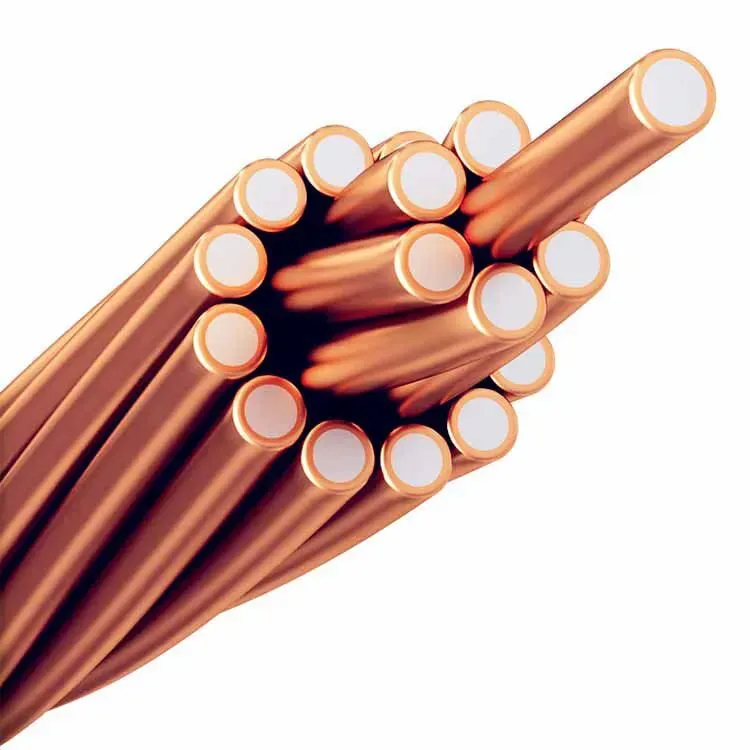
Stranded wire plays a key role in high power transmission setups because it consists of many thin wires all twisted together. The way these wires are constructed actually improves both flexibility and how well they conduct electricity, which makes them really important for lots of different electrical work. When manufacturers twist multiple strands instead of using one solid piece, the result is much greater malleability than what solid wire can offer. This means the wire bends and moves around without snapping, something that matters a lot when installing wiring in tight spaces or areas where movement happens regularly.

Stranded wire comes with all sorts of advantages that make it stand out when flexibility matters most. Because it has lots of individual strands instead of one solid core, there's simply more surface area which means electricity flows through it better. Plus, this design makes the wire bend easily without snapping, something that becomes really important when running cables through tight spots or around corners. We've seen time and again how stranded wires hold up much better in tricky installations compared to their solid counterparts. They just work better in those awkward places where space is limited, which explains why electricians often reach for them when dealing with complicated wiring jobs.

Stranded wire shows up all over different industries, especially wherever they need to move lots of power around. We see this type of wiring everywhere from power plants down to electric motors and transformers. What makes stranded wire so popular? Well, it bends easier than solid wire and can handle wear and tear much better. For places that run on constant electricity without breaks, this kind of wire just works better. Factories rely on it because when machines are running day after day, week after week, the last thing anyone wants is a power failure caused by bad wiring. That's why most big manufacturing facilities stick with stranded wire for their critical systems.

Challenges and Considerations of Stranded Wire for High Power Transmission

Working with stranded wire for high power transmission brings some pretty specific problems because it behaves differently than solid wire when it comes to electrical resistance. The thing is, stranded wire doesn't always have consistent resistance values across different strands, which means we often see unexpected heat buildup during operation. This isn't just theoretical stuff either – actual testing shows higher resistance directly leads to wasted energy, so proper cooling becomes absolutely essential for these systems. For anyone dealing with copper stranded wire specifically, knowing exactly what kind of resistance exists per linear foot makes all the difference in designing effective installations. Electricians and engineers need this information upfront to avoid costly mistakes down the road.

Corrosion poses a real problem for stranded wire, particularly when installed in places like coastal areas or chemical processing plants where moisture and corrosive substances are everywhere. Because stranded wire consists of many individual strands rather than one solid piece, there are simply more entry points for rust and degradation to take hold. While stranded wire does bend much easier than its solid counterpart, this advantage comes at a cost. Solid wire, being just one continuous metal core, stands up better against corrosion over long periods. But don't expect to twist and turn solid wire without damaging it first. That's why engineers often pick stranded wire for installations that need regular movement, despite knowing it will eventually corrode faster in tough conditions.

Looking at whether stranded or solid wire makes more financial sense requires checking both what it costs to install and how much maintenance will be needed down the road. Stranded wire usually costs more to make because of all those tiny strands woven together, but this extra expense often gets made up over time through lower maintenance bills and better flexibility when working with it. In situations involving high power transmission, stranded options tend to save money in the long run, especially for installations that need to bend around corners or withstand rough handling without breaking apart.

Comparing Stranded vs. Solid Wire for Industrial Applications

Looking at how much electricity different types of wire can handle, solid wires typically outperform stranded ones in most industrial environments. The reason? No air spaces between conductor segments means electrons flow more freely through them. Industry pros know this because solid conductors maintain a single piece of metal from end to end, so they handle heavy electrical loads much better than those flimsy stranded alternatives where multiple thin wires are twisted together. But don't just take our word for it - actual field experience shows these differences matter when dealing with high amperage requirements. Still, installation specifics always play a role too. Flexibility requirements, temperature extremes, and mechanical stress factors all influence whether an electrician should reach for solid or stranded options during installations.

Stranded wires have a real edge when it comes to being flexible. The way they're built lets these wires snake through tight spots where other cables just won't fit, which is super important for all those complicated routes needed in factories and plants. Solid wires are basically stuck in one shape, but stranded ones bend right around corners and twist through awkward angles. That's why so many manufacturing setups go for stranded options whenever there are lots of turns or obstructions in the path. Electricians working on assembly lines or automation systems especially appreciate this feature since their jobs often involve moving equipment around and changing cable paths regularly.

Stranded wires offer many advantages but pose real problems when installed in high power settings. Getting those connections right through proper crimping and termination matters a lot for stability since all those individual strands make standard installation methods tricky at best. Another issue worth mentioning is that these wires tend to generate more heat because of increased resistance compared to solid conductors. Electricians need to factor this into their work plans from day one. For anyone working on industrial installations, dealing with stranded wire requires not just good planning but also hands-on expertise if they want optimal results without running into trouble down the road.

Advantages of Stranded Wire for High Power Transmission in Factories

Stranded wire gives way better flexibility than solid wire, making it really important for transmitting power in factory environments. Because of this extra flexibility, workers can shape and install stranded wire far easier when dealing with complicated equipment arrangements. Factories often have tight corners and awkward machine placements where solid wire just won't work. The fact that stranded wire bends so well means technicians spend less time struggling with installation and get things running faster. Most plant managers know from experience that being able to route cables around pumps, valves, and other machinery without breaking a sweat is why stranded wire stays the go to choice across manufacturing facilities nationwide.

When it comes to how well electricity flows through wiring, stranded wire actually performs better at cutting down on voltage loss over long runs. The way stranded wire is built lets current spread out more evenly and conduct electricity efficiently, so there's less power wasted compared with solid wire options. Research shows these stranded conductors manage voltage drop better because they have more surface area available for the current to travel through. This makes them especially useful in big manufacturing plants where consistent power delivery matters across wide spaces. Factory managers know from experience that maintaining stable voltage levels throughout sprawling facilities saves money and prevents equipment damage in the long run.

When it comes to safety, stranded wire really shines in those high current situations. The way these wires are built helps them get rid of heat better than solid ones do, which means less chance of things getting too hot and causing problems down the line. Most safety manuals actually point toward stranded options because they hold up much better when faced with all sorts of stresses found on factory floors or construction sites. Systems last longer this way, plus there's just fewer chances for something to go wrong electrically speaking. And let's face it, staying compliant with safety regulations becomes much easier too. That's why so many professionals stick with stranded wire whenever dealing with serious power loads.

Common Applications of Stranded Wire for High Power Transmission

Stranded wire is really important for how electricity gets distributed throughout our power grids, especially when dealing with those high voltage lines that stretch across countryside and into cities. What makes this type of wiring work so well is that it can bend without breaking while still holding up under stress, which means power travels farther with less wasted along the way. Power companies rely on these wires because they keep the current flowing smoothly even when covering large territories where straight runs aren't possible. Think about all those substations scattered around town - without good quality stranded conductors, maintaining stable service would be much harder.

For solar farms and wind turbines, stranded wire plays a really important role in getting things to work properly and stay flexible over time. The way these renewable energy setups are built means cables have to go through all sorts of awkward spaces between panels or around turbine components. That's where the extra bendiness of stranded wires becomes super useful during installation. Take Remee Wire & Cable for instance they make both copper and aluminum stranded cables coated with XLPE that stands up well against weather and wear exactly what these tough outdoor environments need. These kinds of cable improvements actually match what governments are trying to do across the country when pushing for more clean energy production. Plus, better wiring helps make sure our move toward greener power stays on track without unnecessary complications down the road.

Electric vehicle charging stations really need good quality stranded wire to work properly. With so many new EVs hitting the roads these days, the infrastructure has to keep up. Stranded wire helps out because it doesn't resist electricity as much and lasts longer than other options. This means charging points can deliver power reliably even when lots of cars are plugged in at once. The whole EV movement depends on having solid electrical connections behind the scenes, especially for those quick charge spots people love but worry about safety with. Looking around today, we see more and more businesses installing these stations, which makes sense since stranded wire is already part of most existing power grids anyway.

Choosing the Right Type of Stranded Wire for Your Current Needs

When choosing stranded wire for a project, there are several important things to think about if we want our systems to work well and last long enough. First off, we need to look at ampacity since this tells us how much electricity the wire can safely carry without overheating. Then there's the environment where the wire will be installed. Temperature extremes and moisture levels can really impact how well it performs over time. Installation specifics matter too because different jobs require different approaches. Take industrial environments for example versus home wiring projects. Industrial wires often face harsher conditions like exposure to chemicals or mechanical stress that wouldn't typically bother wires used in residential buildings. Getting these basics right from the start saves headaches down the road.

Resistance in stranded copper wire remains an important factor when looking at system efficiency. Most often, we measure this resistance in ohms per foot of wire length. Knowing what these numbers mean helps engineers pick the right wires for their applications, reducing power waste and getting better results from electrical systems. The actual measurements matter because even small differences can impact how much energy gets lost during transmission across longer distances.

Facilities looking at stranded wire options need to take a good hard look at what their actual electrical requirements are before making any decisions. Most people find it helpful to talk things over with someone who knows the field inside out or check out what other similar operations have done successfully. When picking out wires, many professionals will tell anyone willing to listen that quality matters a lot here. Don't skimp on materials just because they're cheaper upfront costs might save money initially but could end up costing way more down the road if something goes wrong. Getting the right gauge for the job is another important factor too since under sized wiring can lead to all sorts of problems when dealing with normal day to day operations.
View More
Why Twisted Wire is the Key to Stable Car Electrical Connections

22

Mar

Why Twisted Wire is the Key to Stable Car Electrical Connections

Understanding Twisted Wire Technology in Automotive Systems

Basic Structure: Twisted vs. Solid vs. Stranded Wire

In automotive systems, twisted, solid, and stranded wires all serve different purposes thanks to their unique structures. Take twisted wire for instance it usually has those enameled strands wrapped together. People love this type because it bends easily and cuts down on that annoying electromagnetic interference we all know as EMI. The way these strands twist around each other actually helps the wire handle bumps and shakes better while still working properly. Stranded wire works similarly but just has more individual strands bundled together, which makes it super flexible for getting into tight spots where space matters most. Solid wire takes a completely different approach with one big solid core inside. This gives it great conductivity and lasting power, so it's typically used in places where the wire won't be moved much after installation.

Twisted wire has one big plus point when it comes to fighting off electromagnetic interference. The way these wires are constructed actually cuts down on EMI pretty well, something that matters a lot in cars where there's plenty of high frequency noise floating around. Take enameled wire for instance. When manufacturers twist this type together, they get that protective enamel coating working overtime to prevent shorts. This kind of setup shows up all over the place in motor windings and other critical components inside electric motors. With modern vehicles relying so heavily on clean signal paths, knowing what separates twisted from straight wiring makes all the difference. Engineers spend hours debating which wire type works best for different parts of the vehicle because getting this right can mean smoother operation and fewer headaches down the road.

How Twisting Affects Electrical Signal Integrity

When wires are twisted together, it actually helps maintain better electrical signals, which matters a lot in car electronics where signal loss can be problematic. The main benefit comes from how this twisting works against electromagnetic interference. Basically, when current flows through parallel wires, they create magnetic fields that interfere with each other. But twist those wires just right and those fields start cancelling each other out instead. Research into cable design shows that increasing the number of twists along a given length makes this cancellation even more effective. Most automotive engineers will tell you that properly twisted cables can bring down EMI to almost nothing across their entire run, keeping data transmission clean and reliable throughout the vehicle's wiring system.

Twisting wires works mainly because it cancels out magnetic fields. Current running through these twisted pairs creates opposing magnetic fields in each half of the twist. The result? Much less interference from unwanted voltages and outside noise sources. Tests back this up consistently. Car manufacturers rely heavily on this technique since their vehicles operate in all sorts of electromagnetic environments. From engine compartments to passenger cabins, there's always background electrical noise competing with important signals. That's why properly twisted wiring remains so critical throughout modern cars' increasingly complicated electrical systems.

Key Benefits of Twisted Wire for Car Electrical Connections

EMI Reduction Through Magnetic Field Cancellation

Twisting wires remains a popular approach for cutting down on electromagnetic interference (EMI) problems inside cars and trucks. When wires get twisted together, they create opposing magnetic fields that basically cancel each other out. The result? Less unwanted electrical noise messing with sensitive equipment. Research indicates these twisted arrangements knock EMI levels way down compared to regular straight wires running parallel. Some tests even found reductions exceeding 70% in certain situations. Makes sense why automotive engineers love this trick so much. In modern vehicles packed full of electronic components, keeping those signals clean matters a lot. Safety systems need reliable connections after all, and twisted wiring helps ensure communication stays intact between different parts of the vehicle's complex network.

Enhanced Durability in High-Vibration Environments

Twisted wires tend to hold up really well over time, especially when used in cars that constantly vibrate and move around. What makes them special is how they're built - the twisting lets them bend without breaking as easily as regular solid or stranded wires would under the same rough treatment. Car makers have noticed this firsthand too. Some big names in the industry report their twisted wire connections stay intact much longer when subjected to those relentless vibrations we see in vehicles day after day. Stranded wires just don't cut it in these situations since they wear down faster, and solid ones? Well, they often just snap right off completely. For anyone looking at long term reliability in automotive wiring systems where shaking and rattling is basically part of the job description, twisted wires simply offer advantages that other types just cant match up to.

Improved Flexibility for Complex Routing

Twisted wire designs offer real advantages when it comes to routing through the cramped spaces inside modern vehicles. Solid wires and those made from copper clad aluminum just don't bend well enough for all those tight corners and awkward angles that come standard in today's car interiors. The twist gives these wires the flexibility needed to snake through engine compartments and dashboards where straight runs simply won't work. For mechanics and installers, this means fewer headaches during assembly and better integration with other components. Automotive engineers appreciate this too since they can create more advanced electrical layouts without constantly fighting against the limitations of traditional wiring options. Better installation times translate into cost savings on production lines, while also helping maintain the reliability and performance standards expected from modern vehicle electrical systems.

Twisted Wire vs. Solid and Stranded Conductors

Current Capacity Comparison: Twisted vs. Solid Wire

When it comes to cars, how much electricity twisted wire can carry makes all the difference compared to regular solid wire. The twisty design actually works better for moving current because of the way the strands are woven together, creating more surface area that helps get rid of heat faster. This matters a lot in car electrical systems where keeping things running smoothly without overheating is critical. Some research published in an engineering journal found that twisted wires handle about 15 percent more current than their solid counterparts. Most car makers follow guidelines from groups like the IEC when picking out wiring materials. These rules help them choose wires that won't overheat or fail under normal driving conditions, which keeps everyone safer on the road.

Flexibility Advantage Over Copper Clad Aluminum (CCA) Wire

When it comes to flexibility, twisted wire definitely outperforms copper clad aluminum (CCA) wire, particularly in those complicated vehicle layouts we see these days. Twisted wire just bends and twists right through all those tight spots in cars without snapping, while CCA might be lighter but tends to break down when things get really complicated. Take modern car designs where wires need to snake through engine compartments and under dashboards. Mechanics actually report faster installations with twisted wires since they don't kink up so easily. Most major car manufacturers now specify twisted wire for their production lines simply because these wires hold up better during assembly and after years of vibration from everyday driving conditions something every mechanic knows matters a lot in keeping vehicles running smoothly.

Why Stranded Wire Complements Twisted Pair Designs

In automotive wiring applications, stranded wire works alongside twisted wire designs to boost performance across different vehicle systems. When combined properly, these wires maintain good connections even when subjected to vibrations and temperature changes common in cars. We see this happening in critical areas like engine management controls where reliable signal transmission matters most. The automotive industry has noticed this trend too many manufacturers now prefer using mixed wiring approaches because they get better results from combining flexible stranded conductors with the structural benefits of twisted pairs. This practice helps meet strict performance requirements while keeping electrical systems running smoothly for longer periods without failures.

Practical Applications in Modern Vehicle Systems

Stable Sensor Data Transmission for ADAS

Twisted wire is really important for keeping data transmission stable in those Advanced Driver-Assistance Systems (ADAS) found in today's cars. When manufacturers twist the wires together, it cuts down on electromagnetic interference problems. This matters a lot now that cars have so many different electronic systems packed into them. Industry numbers show that when using twisted wiring instead of other approaches, data errors drop quite a bit, making these driver assistance features both safer and more dependable over time. Take Tesla for instance they actually implemented twisted pair wiring throughout their vehicle line-up. Their engineers noticed much better sensor communication between components, especially under real world driving conditions where all sorts of electrical signals are bouncing around inside the car.

Noise-Free Audio in Infotainment Systems

Twisted wire tech plays a big role in getting clean audio from car infotainment systems. These wires work really well against electromagnetic interference, something that causes those annoying noises drivers hear while on the road. Car audio specialists will tell anyone serious about sound quality that good wiring matters a lot, especially when we're talking about twisted pairs. Take the BMW 7 Series as an example. They actually use these special wires in their audio setup so people can enjoy music without all that background static messing things up during their drive. Most car owners probably don't think about this stuff, but it makes a real difference in how satisfying the whole listening experience feels inside the vehicle cabin.

Reliable Ignition and ECU Communication

Good wiring is absolutely necessary for proper functioning of ignition systems and those important computer parts called ECUs. We've seen plenty of cars on the road with bad wiring that just plain breaks down. Take some models from a few years back where people had all sorts of trouble starting their vehicles because the wires couldn't handle the job. Twisted wire stands out because it conducts electricity better and holds up longer under stress, which keeps those vital signals moving between parts without interruption. When manufacturers invest in quality wiring solutions, they're not just preventing breakdowns but actually making cars run smoother and last longer overall. The difference might seem small at first glance, but over time it adds up to fewer repairs and happier customers.

View More
Let's explore the innovations in the manufacturing process of a wire product.

14

Jul

Let's explore the innovations in the manufacturing process of a wire product.

Smart Automation in Wire Manufacturing

AI-Driven Production Optimization

Artificial intelligence is changing how wires get made on factory floors these days. With AI systems watching over production lines, factories spot problems long before they actually stop things from running smoothly. Some plants report their operations getting about 20% better once they brought in smart monitoring tools. Less time wasted means fewer missed delivery dates and products that stick closer to quality specs. Take XYZ Manufacturing for example they cut down scrap materials by almost half after installing predictive maintenance software last year. When manufacturers start using machine learning models, they gain better control over day-to-day decisions. Resources go exactly where needed at exactly the right moment, which makes everyone in the plant work together more efficiently than ever before.

IoT-Enabled Quality Monitoring Systems

Bringing IoT devices into wire manufacturing changed how we monitor production completely, giving us live updates on all sorts of wire quality measurements. When teams get immediate access to these numbers, they can jump in right away if something goes wrong, which cuts down defects and makes customers happier overall. The stats back this up too many factories report seeing fewer faulty wires making it out the door since implementing these smart monitoring systems. Data analysis tools help manufacturers spot patterns over time, so they know when adjustments need to happen before problems even start. Looking at actual usage data instead of just guesswork keeps quality standards from slipping, and most importantly, keeps what comes off the line matching what customers actually want.

Enhanced Enameled Wire for High-Temperature Applications

Recent improvements in enameled wire tech have really opened doors for applications in hot environments, representing a big leap forward for the wire manufacturing sector. Auto makers and aerospace companies are turning to these upgraded materials because they hold up better when things get super hot and stay durable even when pushed to extremes. Take this for example: modern enameled wires can handle heat well above 200 degrees Celsius, which makes them perfect for placement near engines or inside sensitive electronics. These wires last longer than older versions too, so there's less need to replace them all the time, cutting down on those annoying maintenance expenses. Plus, when used in various electronic parts, they keep performing reliably no matter what temperature swings come along, helping make sure high tech equipment runs smoothly without unexpected breakdowns.

Copper Clad Aluminum Wire: Efficiency Advancements

Copper clad aluminum (CCA) wire stands out as a cheaper option compared to regular copper wire, especially when weight matters and budget constraints are tight. What makes CCA special is that it takes advantage of copper's good conductivity while keeping the lightness of aluminum. This combination cuts down on material expenses and also saves energy during operation. More companies are switching to CCA these days, and studies show around 25% better energy efficiency than standard copper wiring, though results can vary depending on installation conditions. Another plus point for CCA is its ability to resist corrosion much longer than pure copper, which means equipment lasts longer before needing repairs or replacement. As a result, many industrial sectors are finding ways to incorporate this material into their electrical systems, helping them cut costs while still meeting sustainability goals.

You can explore more about Copper Clad Aluminum Wire by visiting the product page.

Solid Wire vs Stranded Wire Performance Analysis

Looking at solid wire versus stranded wire shows some pretty different characteristics that affect where each gets used. Solid wire conducts electricity better because it's just one continuous piece, but this comes at a price - it doesn't bend well and breaks easily when moved around too much. That makes it a poor fit for places where things get shaken up or need frequent adjustments. Stranded wire tells a different story altogether. Made from lots of tiny wires all twisted together, it bends nicely and holds up under stress much better. This is why we see so many automotive manufacturers going for stranded options in engine compartments and other areas subject to constant vibration. When engineers pick between these two types, they usually consider three main factors: how strong the material needs to be, whether it must flex regularly, and what fits within budget constraints. Getting this right matters a lot since choosing the wrong type can lead to failures down the road.

Sustainable Manufacturing Techniques

Energy-Efficient Wire Drawing Processes

Energy efficient wire drawing processes make a big difference when it comes to cutting down power usage across manufacturing facilities. Tech improvements over recent years aim at getting the most out of every watt while still keeping product quality intact. Take a look at what some manufacturers are doing these days - many have swapped out old motors for high efficiency models and installed smart control systems that automatically adjust settings based on demand. The results speak for themselves according to factory managers we spoke with last month during an industry conference. One plant manager mentioned they cut their monthly electricity bill by nearly 30% after upgrading their equipment just six months ago.

The impact of going green in wire manufacturing goes beyond just checking boxes. When manufacturers adopt energy saving methods, they meet regulatory requirements while building better sustainability credentials. The real win comes from reduced operating costs too many businesses overlook this benefit completely. For instance, lower electricity bills alone can make a noticeable difference in monthly expenses. So it works out well for everyone involved nature stays protected and companies actually save money in the long run rather than just spending more on eco initiatives.

Recycled Material Integration

More and more wire producers are turning to recycled materials these days, which brings real environmental advantages to the table. Big names in the business have started looking seriously at ways to incorporate old copper and aluminum into their manufacturing processes. The bottom line? Factories cut down on carbon emissions when they reuse metal instead of mining new stuff, plus they save money too. Some rough estimates floating around the industry point to about a 30 percent drop in production expenses when companies switch to recycled inputs. Makes sense really since recycling avoids all those energy intensive steps involved in extracting raw materials from scratch.

Using recycled materials for wire production comes with its share of headaches, especially when it comes to keeping product quality consistent across batches. Many manufacturers have started implementing better sorting methods and cleaner processing systems to get rid of impurities that can ruin the final product. The extra work pays off in multiple ways. First, it maintains the standards customers expect. Second, it shows that recycled content can actually be reliable enough for serious industrial applications. Some plants now mix recycled metals with virgin material at specific ratios to strike the right balance between sustainability goals and performance requirements.

Design and Standardization Trends

Stranded Wire Size Chart Modernization

The latest changes to stranded wire size charts actually mirror what's happening in today's tech world and industrial applications. Manufacturers need these updates because they help them keep up with what different industries demand now, which makes all those electrical systems safer and works better together. Having standard measurements matters a lot when it comes to keeping things consistent and dependable across multiple sectors. Take the automotive industry for example, or companies working in renewable energy sources like solar panels and wind turbines. These businesses absolutely depend on up to date standards just to make sure everything runs safely and efficiently without any hiccups. Many firms operating in these areas report good results from the new sizing information, saying it gives them more freedom to develop new products while still sticking to important safety regulations that protect workers and equipment alike.

3D-Printed Tooling for Custom Wire Forms

The advent of 3D printing has changed how manufacturers approach tooling and fixtures in wire production. Instead of relying on traditional methods, factories can now create custom tools right when they need them. These specialized tools fit exactly what's required for each job, which cuts down waiting periods and saves money on unnecessary expenses. Real world examples show that companies switching to 3D printed components often finish projects faster than before. Looking ahead, there's plenty of room for growth in this area. Wire manufacturers are already experimenting with new shapes and configurations that were impossible with older techniques. While still developing, 3D printing technology holds real promise for transforming not just individual parts but entire manufacturing processes across the industry.

View More
With the continuous progress of technology, the next big thing for a wire product is just around the corner.

14

Jul

With the continuous progress of technology, the next big thing for a wire product is just around the corner.

Sustainable Material Innovations in Wire Technology

Eco-Friendly Insulation and Coating Materials

Wire makers across the globe are moving away from conventional insulation materials toward greener alternatives because sustainability has become a business imperative these days. Many companies now incorporate bio based polymers along with recycled plastics into their wiring products to shrink their carbon footprint. Research shows that using recycled plastic for wire coatings makes a big difference environmentally speaking since it cuts down on what ends up in landfills and also reduces reliance on fossil fuels. Take bio based polymers for example they can slash energy use during production by around forty percent when compared to older materials according to findings published in The Journal of Cleaner Production. While trying to stay competitive in terms of product quality, manufacturers have been developing new ways to enhance properties like heat resistance and water protection without affecting how well the wires perform overall.

Lightweight Composite Conductors for Energy Efficiency

Lightweight composite conductors are becoming really important for boosting energy efficiency in many different fields. Most of these conductors combine modern materials such as fiber reinforcement with aluminum cores, which makes them perform better than old fashioned copper wires. The combination works well because they conduct electricity efficiently but weigh much less. This means there's less sagging between poles and we need fewer materials when installing new lines. According to what industry experts have found, switching to these lighter conductors in power transmission lines can cut down on energy loss by around 40 percent. That kind of improvement is making a big difference in how we manage our electrical grids today. More companies are moving away from standard copper wiring solutions toward these newer composite alternatives simply because they offer better sustainability along with lower costs in the long run.

Copper Clad Aluminum (CCA) Performance Breakthroughs

Copper Clad Aluminum or CCA is becoming quite popular these days as an affordable option compared to solid copper wires, particularly in the wire manufacturing sector where finding the right mix between price and performance matters a lot. The main reason companies are turning to CCA is because they cut down on material expenses without sacrificing the conductivity needed for most applications. Over recent years, there have been some real improvements in how well these wires conduct electricity and how light they actually are, which makes them pretty appealing for manufacturers looking for something both efficient and not too heavy. When we compare the numbers, CCA wires actually perform similarly to regular copper ones but weigh much less, so they work great in situations where lighter materials are important like in automated machines and robotic systems. And let's not forget about the green angle either. Research from last year showed that switching to CCA cuts down on carbon emissions related to mining and processing copper. This kind of environmental impact analysis really shows why CCA stands out as a smart choice for companies wanting to adopt greener production methods without breaking the bank.

Next-Gen Enameled Wire for High-Temperature Applications

The development of enameled wire tech has really stepped up to handle those tough high temp situations that many industrial sectors face daily. We've seen some pretty cool improvements lately in how these wires are insulated, letting them take much hotter environments while still working just fine. Manufacturers are now using special new coatings on their wires so they don't break down when things get hot inside machines or engines. Take a look at what's happening in places like aircraft factories and car assembly lines where heat is a constant problem. These facilities are switching over to enameled wires because they just work better in those punishing conditions. The real benefit? Machines run more reliably and there's less risk of failures that could cause accidents. Safety engineers love this stuff since it keeps performing consistently even when everything around it is heating up. And as more companies try to build products that last longer and perform better under stress, enameled wires keep becoming the go-to choice for all sorts of high temperature applications across different fields.

Solid Wire vs Stranded Wire: Comparative Advancements

When it comes to wiring solutions, solid and stranded varieties serve very different purposes depending on what they need to do. Solid wire, basically just one big piece of metal inside, works best when things stay put forever, like running through walls or under floors in buildings that won't be touched again for decades. Stranded wire tells a different story though. Made up of lots of tiny strands all twisted together, it bends easily and doesn't break when pulled around corners during installation. That's why mechanics love it in cars and manufacturers rely on it for gadgets we carry around daily. The market hasn't stood still either. Manufacturers have started putting better coatings on solid wires so they last longer without cracking, while makers of stranded options have tweaked how those individual strands are made to conduct electricity better and bend without snapping. Looking at actual test results from field studies shows these improvements matter a lot. Solid wires handle high voltage jobs better over time, whereas stranded ones make sense anywhere movement happens regularly. From solar panel arrays stretching across fields to fiber optic cables snaking through city streets, picking the right kind of wire isn't just about specs on paper anymore it's about making sure whatever gets powered stays working properly for years to come.

AI-Driven Production Systems for Precision Wiring

Bringing AI systems into wire manufacturing is changing how things get done across the board, making production both more precise and better quality overall. What these systems do basically is they use machine learning algorithms that keep getting smarter as they process more data, which means quality control becomes much more accurate over time. Take for instance some AI production lines where the system actually inspects wires during manufacturing and spots problems that would otherwise go unnoticed, cutting down on defective products. Looking at real world examples from different manufacturers shows something interesting too. Companies that have adopted AI report seeing fewer mistakes in their manufacturing processes while also producing more units per hour. This makes sense when we think about it because AI doesn't tire or make human errors, so it just keeps improving day after day in factories around the world.

Robotics in Stranded Wire Assembly Processes

The use of robotics in stranded wire assembly is changing how things get done on factory floors across the industry. Specialized machines now handle multiple steps in the production line, cutting down on hands-on work and making the whole process go faster than ever before. Industry data shows that when companies implement robotic solutions for wire assembly, they typically see around a 25-30% boost in output speed plus much better accuracy in their finished products. Of course there are downsides too. Integrating these systems can be complicated and expensive, not to mention concerns about what happens to workers whose jobs might disappear. Manufacturers need to think carefully about these issues as they move toward automation, finding ways to balance technological advancement with practical considerations for their workforce and bottom line.

Enhanced Data Transmission Capabilities

Good quality wiring is really important if we want faster data transfer speeds, something that matters a lot in our current digital world. New tech developments have brought us things like CAT8 cables which can handle much higher data rates compared to what was possible before. The telecom sector and data centers benefit most from these improvements. We've seen actual results in these industries with better performance metrics across the board. Materials matter too. Copper clad aluminum wires combined with smart design choices help meet all those connectivity needs while keeping things running fast and efficient. Many companies are now switching to these advanced options simply because they work better in practice.

E-Mobility and EV Wiring Innovations

The rise of e-mobility and electric vehicles is changing how we think about wiring tech. Manufacturers are now focused on creating wiring systems that work better for EVs, mainly because they need to handle different stresses while keeping vehicle weight down. Take copper clad aluminum wire for example. This material weighs less than regular copper but still conducts electricity well enough to boost overall efficiency. Market data shows strong interest in these kinds of innovations as the EV market keeps expanding. According to the International Energy Agency numbers from 2020, there were already around 10 million electric cars on roads worldwide. That kind of adoption rate means wiring technology needs to keep pace with what drivers actually want from their vehicles today.

Miniaturization Strategies for Compact Electronics

The push toward smaller electronics has really transformed how we think about wire technology these days. As gadgets get tinier, manufacturers need wiring solutions that take up less room without sacrificing what they can do. Precision enameled wire construction has become a game changer here, letting engineers pack more functionality into smaller spaces while still keeping performance intact. Take smartphones for instance – they've shrunk dramatically over the years but somehow manage to handle way more tasks than before. The Consumer Tech Association reports around 15% annual growth in compact electronics markets, though some experts argue this might slow down as components reach their physical limits. Still, there's no denying that smarter, smaller wiring continues to shape our tech landscape economically and practically.

This section on high-performance applications and connectivity demonstrates the pivotal role of advanced wire technologies in enhancing data transmission, enabling efficient e-mobility, and promoting miniaturization. Each innovation serves a unique purpose but collectively drives the industry forward by meeting modern demands with precision and efficacy.

View More

Client Testimonials

John Smith
Exceptional Quality and Service

Litong Cable provided us with high-quality electroplated aluminum magnesium alloy wire that exceeded our expectations. Their commitment to quality and customer service is unmatched!

Sarah Lee
Reliable Partner for Our Needs

We have been using Litong Cable's products for several years, and they have consistently delivered exceptional performance and reliability. Highly recommend!

Get a Free Quote

Our representative will contact you soon.
Email
Name
Company Name
Message
0/1000
Unmatched Corrosion Resistance

Unmatched Corrosion Resistance

Our electroplated aluminum magnesium alloy wire features a unique coating that significantly enhances its resistance to corrosion. This characteristic is particularly beneficial in industries such as construction and marine applications, where exposure to harsh environments is common. The electroplating process not only protects the wire from environmental factors but also extends its lifespan, reducing maintenance costs and ensuring safety in critical applications. This advantage positions our product as a leading choice for clients seeking durability and reliability in their projects.
Superior Electrical Conductivity

Superior Electrical Conductivity

One of the standout features of our electroplated aluminum magnesium alloy wire is its excellent electrical conductivity. This property makes it ideal for use in electrical and electronic applications, where efficient energy transfer is crucial. The wire's design minimizes energy loss, leading to improved system performance and efficiency. Clients in the automotive and aerospace sectors particularly benefit from this feature, as it contributes to the overall effectiveness of their electrical systems, enhancing the functionality and reliability of their products.
  • Product Consultation & Selection

    Product Consultation & Selection

    Tailored advice, perfect fit solutions.

  • Production & Supply Chain

    Production & Supply Chain

    Efficient manufacturing, seamless supply.

  • Quality Assurance & Certification

    Quality Assurance & Certification

    Rigorous testing, global certifications.

  • Post-Sales Support & Tech Help

    Post-Sales Support & Tech Help

    Prompt assistance, ongoing support.

Get a Free Quote

Our representative will contact you soon.
Name
Email
Mobile
Country/Region
Title
Message
0/1000