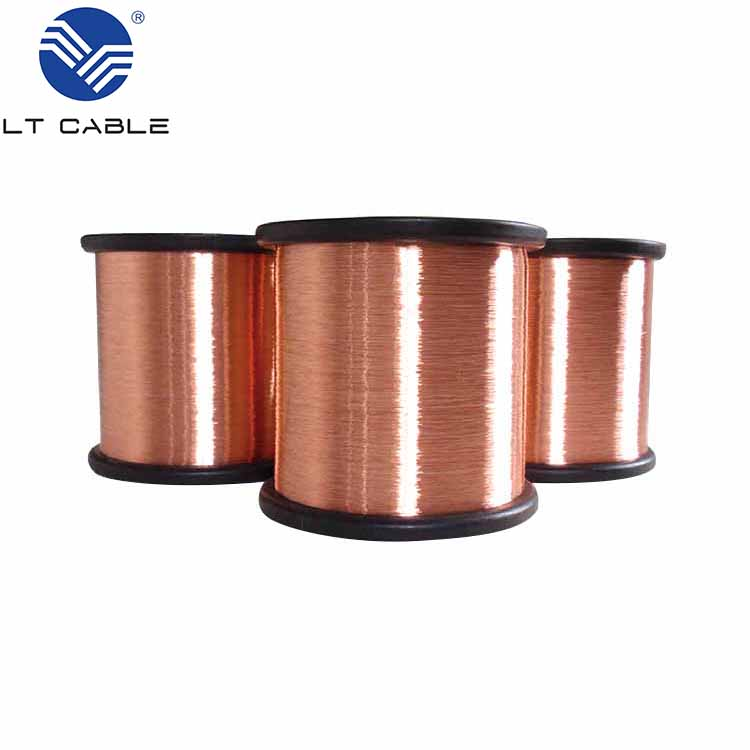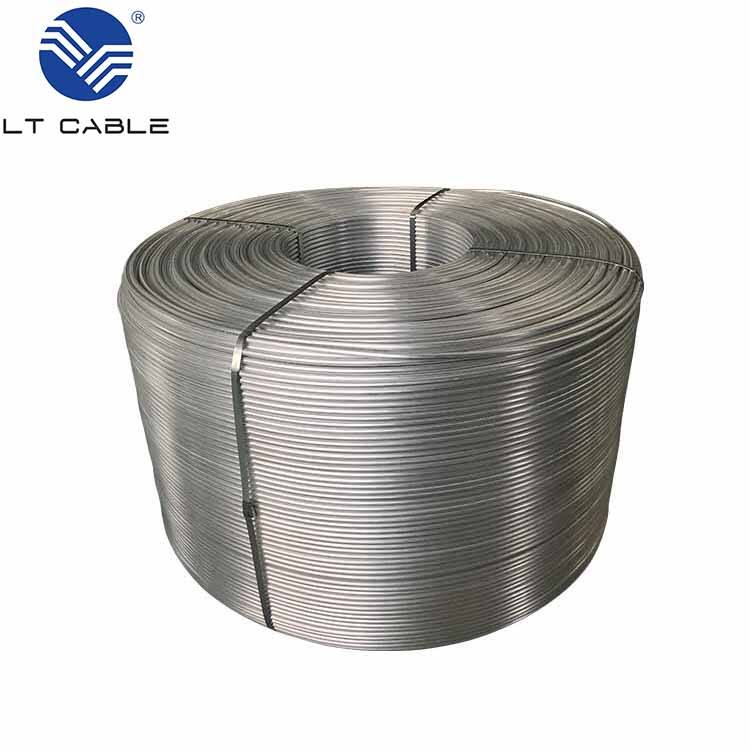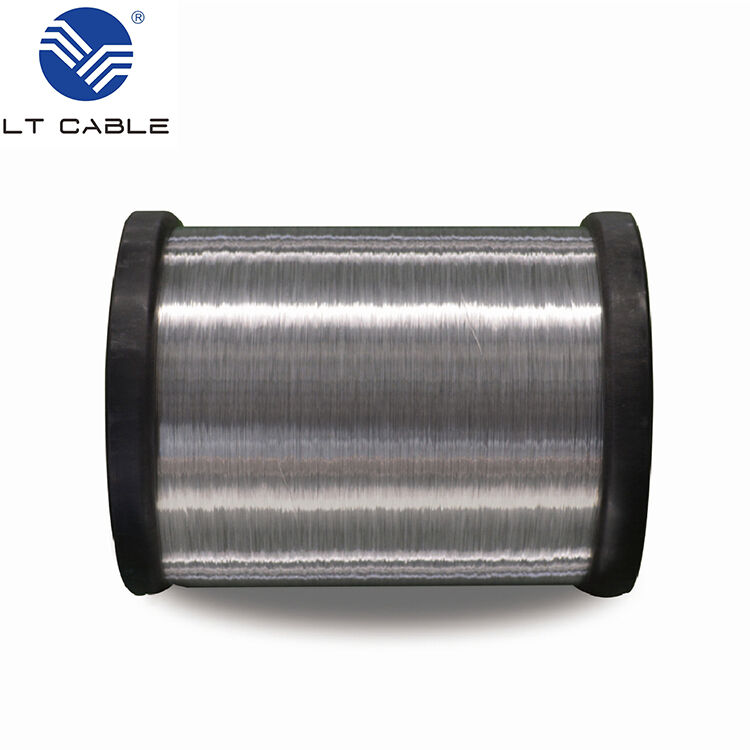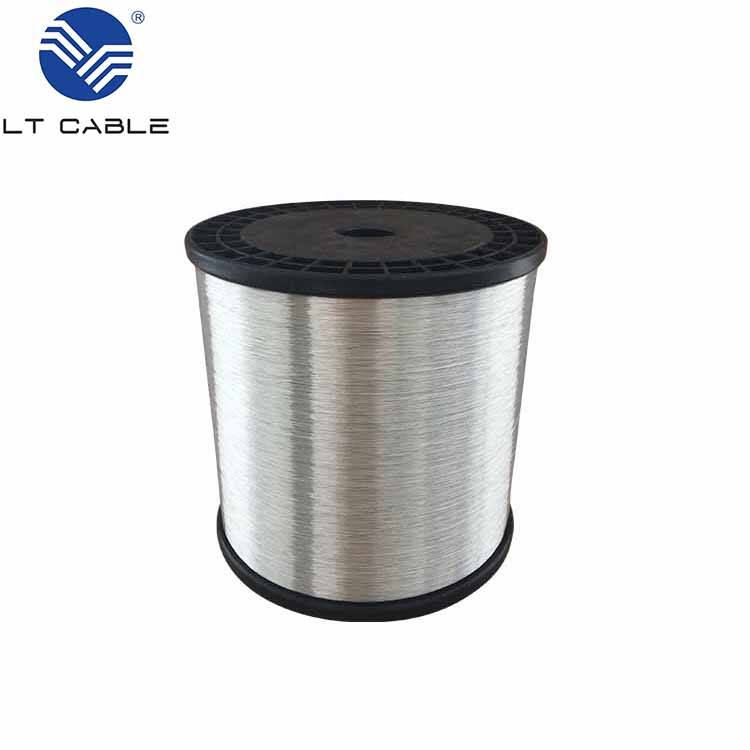
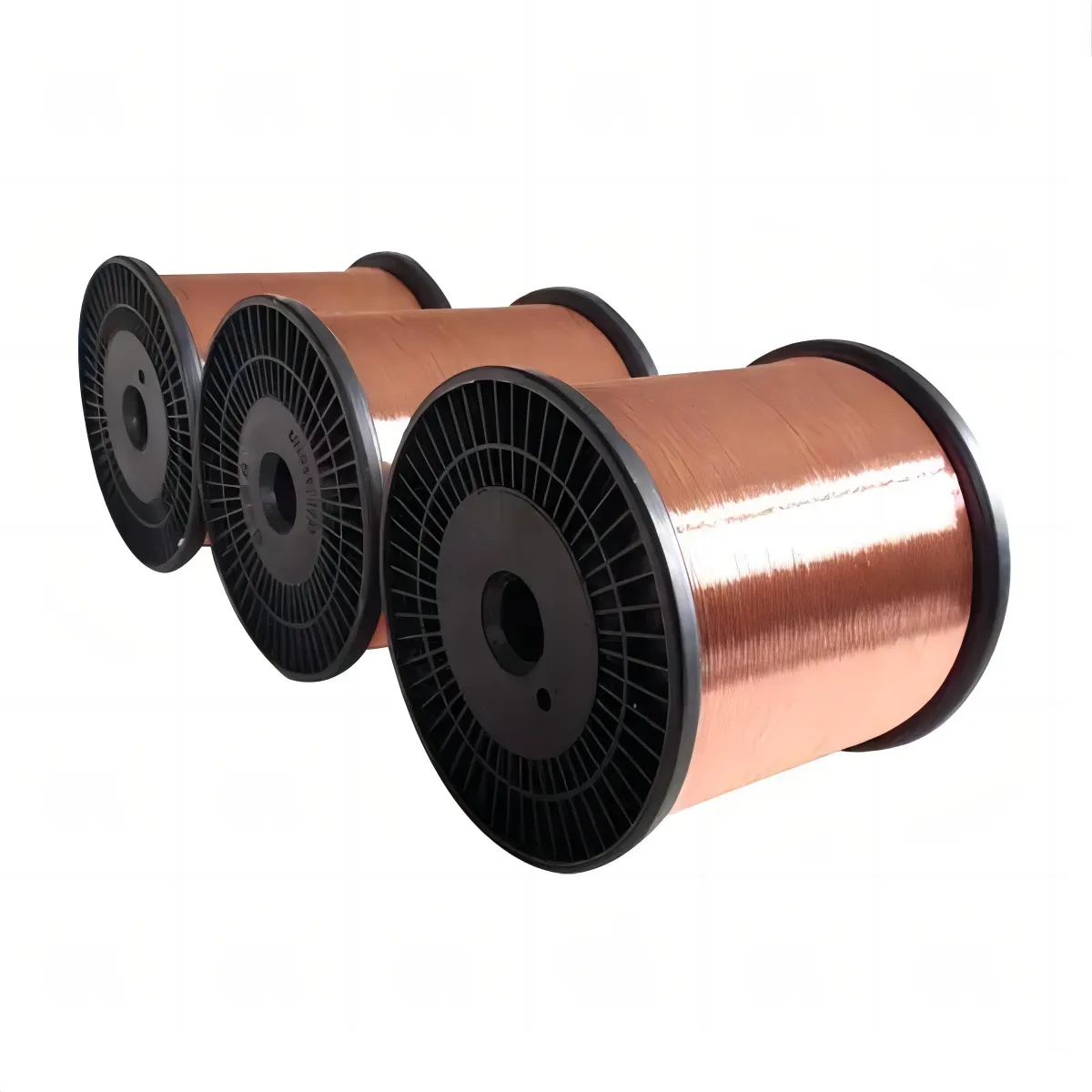
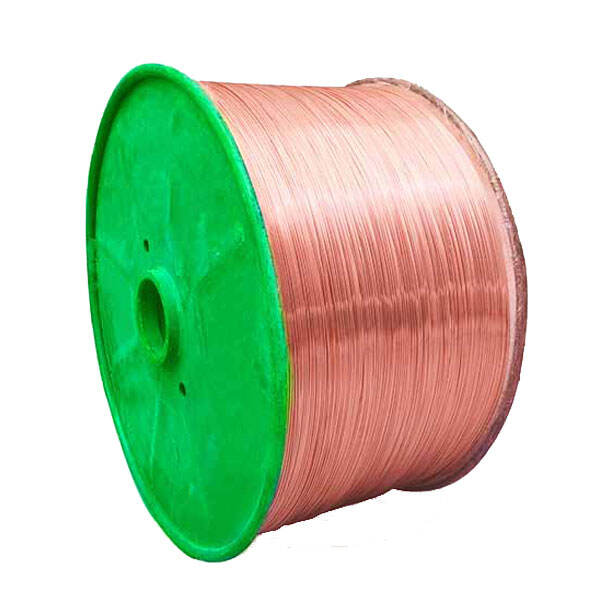
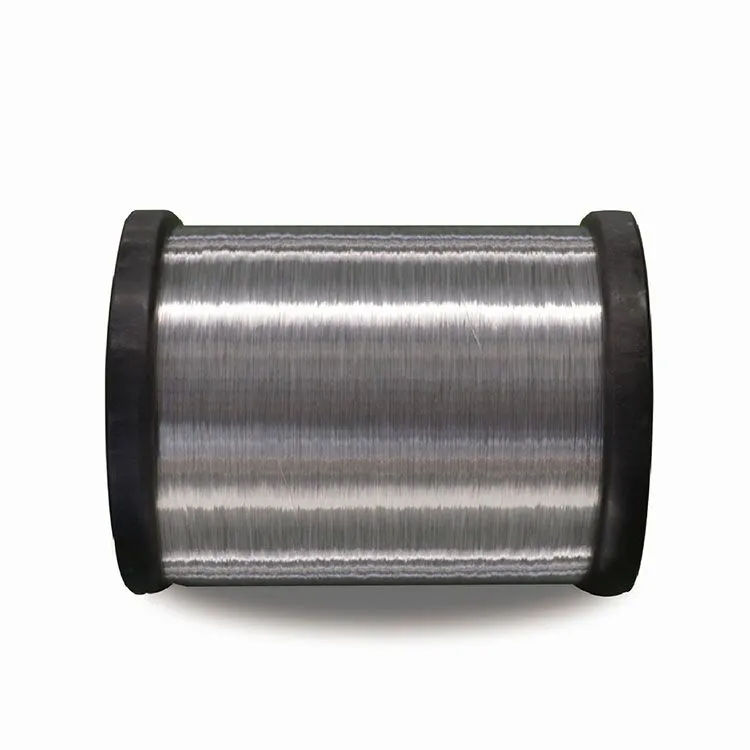
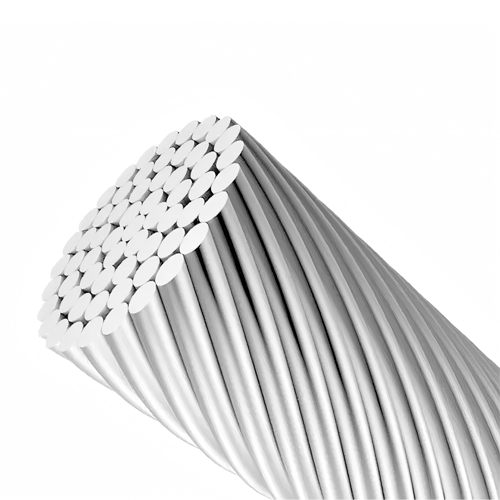
Low Density Aluminum Magnesium Alloy Wire | Aerospace & Auto Grade

Get a Free Quote

Our representative will contact you soon.
Name
Email
Mobile
Country/Region
Choose the product you want
Message
0/1000
Unmatched Benefits of Low Density Aluminum Magnesium Alloy Wire

Unmatched Benefits of Low Density Aluminum Magnesium Alloy Wire

Our low density aluminum magnesium alloy wire is engineered to deliver exceptional performance and reliability. This innovative material combines the lightweight properties of aluminum with the strength of magnesium, resulting in a wire that is not only easy to handle but also highly durable. The low density ensures that it is perfect for applications where weight is a critical factor, such as in the aerospace and automotive industries. Additionally, our wires are resistant to corrosion, enhancing their longevity and reducing maintenance costs. With fully automated production processes, we guarantee consistent quality and precision in every batch, ensuring that our clients receive only the best. Our commitment to customer value creation means we offer tailored solutions to meet specific needs, making us a trusted partner in your projects.
Get A Quote

Successful Applications of Our Low Density Aluminum Magnesium Alloy Wire

Aerospace Innovation: Lightweight Solutions for Aircraft Manufacturing

In a recent collaboration with a leading aerospace manufacturer, our low density aluminum magnesium alloy wire played a crucial role in developing lightweight components for their new aircraft model. By utilizing our wire, the manufacturer achieved significant weight reductions, leading to improved fuel efficiency and performance. The wire's excellent tensile strength and corrosion resistance ensured that the components met stringent safety standards while maintaining operational efficiency. This partnership not only showcased the versatility of our product but also highlighted our commitment to supporting advancements in aerospace technology.

Automotive Advancements: Enhancing Performance with Lightweight Materials

A prominent automotive company sought to reduce the weight of their electric vehicle components without compromising safety or performance. By integrating our low density aluminum magnesium alloy wire into their designs, they successfully lowered the overall vehicle weight, resulting in enhanced range and efficiency. The wire's unique properties allowed for innovative design solutions, making it an ideal choice for high-performance applications. This case exemplifies how our product can drive innovation in the automotive sector, providing manufacturers with the competitive edge they need in a rapidly evolving market.

Telecommunications Breakthrough: Reliable Solutions for Cable Manufacturing

In a project with a major telecommunications provider, our low density aluminum magnesium alloy wire was utilized to manufacture high-performance cables. The lightweight nature of the wire facilitated easier installation and handling, while its durability ensured long-lasting performance in various environmental conditions. The client reported a significant reduction in installation time and costs, along with improved signal transmission efficiency. This case demonstrates the effectiveness of our product in enhancing operational efficiency and reliability in telecommunications applications.

Related products

We use very advanced technology to produce our low density aluminum magnesium alloy wire to ensure high levels of precision and wire quality. Our production process begins with quality selection of raw materials and is then followed with drawing processes to shape our wire to desired specifications. Every stage of the process is consistently monitored to ensure wire integrity and performance. Our production is fully automated which is designed by our management teams, which is why we are able to guarantee quality and efficient consistency. Our aluminum and magnesium alloy wire is not only lightweight, but is also strong and corrosion resistant for a variety of use. Because of these qualities, our wire is often used in industries like aerospace and telecommunications. Customizing products is one of our biggest strengths and is why we are consistently offering the best solutions. Our commitment to customer satisfaction and continuous improvement is what drives us to stay best in the business.

Frequently Asked Questions About Low Density Aluminum Magnesium Alloy Wire

What are the key advantages of using low density aluminum magnesium alloy wire?

The key advantages include lightweight properties, high strength, excellent corrosion resistance, and versatility in various applications. This wire is ideal for industries such as aerospace, automotive, and telecommunications, where reducing weight while maintaining durability is crucial.
Our production process is fully automated and meticulously controlled at every stage, from raw material selection to final product testing. This ensures that every batch meets our high standards for quality, consistency, and performance.

Related article

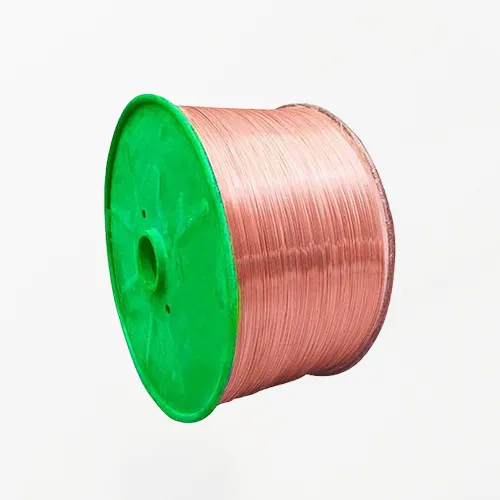
Copper-Clad Aluminum Wire: Why CCA Is Popular in Cable Industry

22

Jan

Copper-Clad Aluminum Wire: Why CCA Is Popular in Cable Industry

What Is Copper-Clad Aluminum Wire? Structure, Manufacturing, and Key Specifications

Metallurgical Design: Aluminum Core with Electroplated or Rolled Copper Cladding

Copper clad aluminum wire, or CCA for short, basically has an aluminum core wrapped in copper through processes like electroplating or cold rolling. What makes this combo so interesting is that it takes advantage of aluminum being way lighter than regular copper wires—about 60% less heavy actually—while still getting the good conductivity properties from copper plus better protection against oxidation. When making these wires, manufacturers start with high quality aluminum rods that get treated on the surface first before applying the copper coating, which helps everything stick together properly at a molecular level. How thick the copper layer is matters a lot too. Usually around 10 to maybe 15% of the total cross section area, this thin copper shell affects how well the wire conducts electricity, resists corrosion over time, and holds up mechanically when bent or stretched. The real benefit comes from preventing those pesky oxides from forming where connections meet, something pure aluminum struggles with badly. This means signals stay clean even during high speed data transfers without degradation issues.

Cladding Thickness Standards (e.g., 10%–15% by volume) and Impact on Ampacity and Flex Life

Industry standards—including ASTM B566—specify cladding volumes between 10% and 15% to optimize cost, performance, and reliability. Thinner cladding (10%) lowers material costs but limits high-frequency efficiency due to skin effect constraints; thicker cladding (15%) improves ampacity by 8–12% and flex life by up to 30%, as confirmed by IEC 60228 comparative testing.

Cladding Thickness Ampacity Retention Flex Life (Cycles) High-Frequency Efficiency
10% by volume 85–90% 5,000–7,000 92% IACS
15% by volume 92–95% 7,000–9,000 97% IACS

When copper layers get thicker, they actually help cut down on galvanic corrosion problems at connection points, which is really important stuff if we're talking about installations in damp areas or near the coast where salt air hangs around. But there's a catch here. Once we go past that 15% mark, the whole point of using CCA starts to fade away because it loses its edge in terms of being lighter and cheaper compared to regular old solid copper. The right choice depends entirely on what exactly needs to be done. For things that stay put like buildings or permanent installations, going with around 10% copper coating works just fine most of the time. On the flip side, when dealing with moving parts such as robots or machinery that gets shifted around regularly, folks tend to bump up to 15% cladding since it stands up better to repeated stress and wear over long periods.

Why Copper-Clad Aluminum Wire Delivers Optimal Value: Cost, Weight, and Conductivity Trade-Offs

30–40% Lower Material Cost vs. Pure Copper—Validated by 2023 ICPC Benchmark Data

According to the latest ICPC Benchmark numbers from 2023, CCA cuts down on conductor material expenses by around 30 to 40 percent when compared to regular solid copper wiring. Why? Well, aluminum just costs less at the market level, and manufacturers have really tight control over how much copper gets used in the cladding process. We're talking about only 10 to 15% copper content in these conductors overall. These cost savings make a big difference for expanding infrastructure projects while still keeping those safety standards intact. The impact is especially noticeable in high volume scenarios such as running the main cables through massive data centers or setting up extensive telecom network distributions across cities.

40% Weight Reduction Enables Efficient Aerial Deployment and Reduces Structural Load in Long-Run Installations

CCA weighs about 40 percent less than copper wire of the same gauge, which makes installation much easier overall. When used for aerial applications, this lighter weight means less strain on utility poles and transmission towers something that adds up to thousands of kilograms saved across long distances. Real world testing has shown workers can save around 25% of their time because they're able to work with longer sections of cable using regular equipment instead of specialized tools. The fact that these cables are lighter during transport helps cut down on shipping expenses too. This opens up possibilities where weight matters a lot, like when installing cables on suspension bridges, inside old buildings that need preservation, or even in temporary structures for events and exhibitions.

92–97% IACS Conductivity: Leveraging Skin Effect for High-Frequency Performance in Data Cables

CCA cables hit around 92 to 97 percent IACS conductivity because they take advantage of something called the skin effect. Basically, when frequencies go above 1 MHz, electricity tends to stick to the outer layers of conductors rather than flowing through the whole thing. We see this in action across several applications like CAT6A Ethernet at 550 MHz speeds, 5G network backhauls, and connections between data centers. The copper coating carries most of the signal while the aluminum inside just gives structural strength. Tests have shown that these cables maintain less than 0.2 dB difference in signal loss over distances up to 100 meters, which is basically the same performance as regular solid copper wires. For companies dealing with massive data transfers where budget constraints matter or installation weight becomes an issue, CCA offers a smart compromise without sacrificing much on quality.

Copper-Clad Aluminum Wire in High-Growth Cable Applications

CAT6/6A Ethernet and FTTH Drop Cables: Where CCA Dominates Due to Bandwidth Efficiency and Bend Radius

CCA has become the go to conductor material for most CAT6/6A Ethernet cables and FTTH drop applications these days. Weighing in at about 40% less than alternatives, it really helps when running cables both outdoors on poles and indoors where space matters. The conductivity levels sit between 92% and 97% IACS which means these cables can handle all the way up to 550 MHz bandwidth without issues. What's particularly useful is how flexible CCA naturally is. Installers can bend these cables pretty tightly, down to four times their actual diameter, without worrying about losing signal quality. This comes in handy when working around tight corners in existing buildings or squeezing through narrow wall spaces. And let's not forget the money aspect either. According to ICPC data from 2023, there are roughly 35% savings on materials costs alone. All these factors together explain why so many professionals are turning to CCA as their standard solution for dense network installations that need to last into the future.

Professional Audio and RF Coaxial Cables: Optimizing Skin Effect Without Premium Copper Costs

In professional audio and RF coaxial cables, CCA delivers broadcast-grade performance by aligning conductor design with electromagnetic physics. With 10–15% copper cladding by volume, it provides surface conductivity identical to solid copper above 1 MHz—ensuring fidelity in microphones, studio monitors, cellular repeaters, and satellite feeds. Critical RF parameters remain uncompromised:

Performance Metric CCA Performance Cost Advantage
Signal Attenuation ∼0.5 dB/m @ 2 GHz 30–40% lower
Velocity of Propagation 85%+ Equivalent to solid copper
Flex Cycle Endurance 5,000+ cycles 25% lighter than copper

By placing copper precisely where electrons travel, CCA eliminates the need for premium-priced solid copper conductors—without sacrificing performance in live sound, wireless infrastructure, or high-reliability RF systems.

Critical Considerations: Limitations and Best Practices for Copper-Clad Aluminum Wire Use

CCA definitely has some good economic advantages and makes sense logistically, but engineers need to think carefully before implementing it. The conductivity of CCA sits around 60 to 70 percent compared to solid copper, so voltage drops and heat buildup become real issues when working with power applications beyond basic 10G Ethernet or dealing with high current circuits. Because aluminum expands more than copper (about 1.3 times as much), proper installation means using torque controlled connectors and checking connections regularly in areas where temperature changes happen often. Otherwise those connections can loosen over time. Copper and aluminum don't play nice together either. Corrosion problems at their interface are well documented, which is why electrical codes now require applying antioxidant compounds wherever they connect. This helps stop the chemical reactions that degrade connections. When installations face humidity or corrosive environments, going with industrial grade insulation like cross linked polyethylene rated for at least 90 degrees Celsius becomes absolutely necessary. Bending cables too sharply beyond eight times their diameter creates tiny fractures in the outer layer, something best avoided altogether. For critical systems such as emergency power supplies or main data center links, many installers opt for a mixed strategy these days. They run CCA through distribution paths but switch back to solid copper for final connections, balancing cost savings with system reliability. And let's not forget recycling considerations. While CCA can technically be recycled through special separation methods, proper end of life handling still needs certified e waste facilities to manage materials responsibly according to environmental regulations.
View More
Having trouble with interference? Shielded cable's shielding layer has the solution.

22

Feb

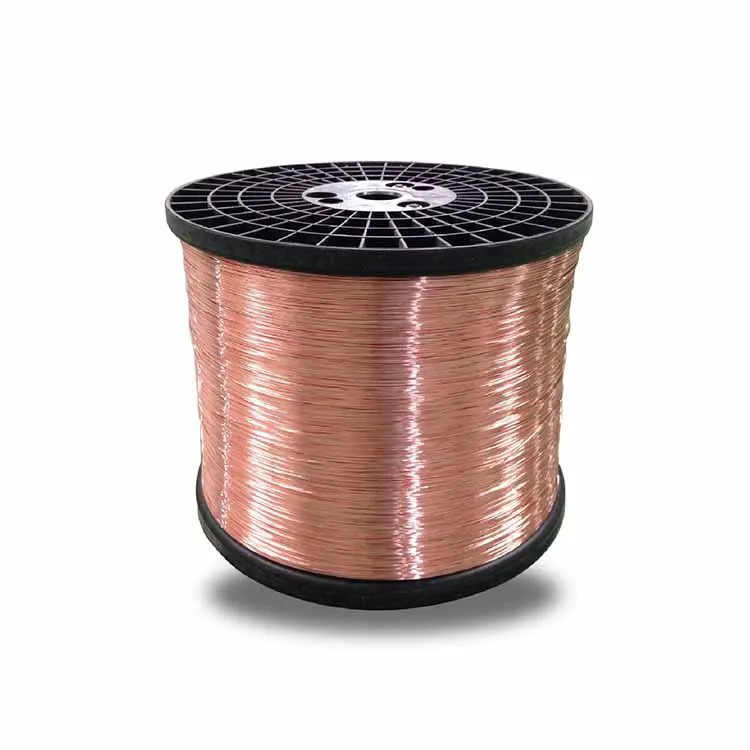
Having trouble with interference? Shielded cable's shielding layer has the solution.

What Are Shielded Cables?

Shielded cables are basically electrical wires built specifically to block electromagnetic interference (EMI). These cables have a special protective layer around them that keeps signals clean and intact as they travel through the wire. Most importantly, shielded cables help keep signals strong when there's lots of EMI floating around in industrial settings or anywhere else with heavy electronic equipment nearby. How do they work? Well, the conductors inside get wrapped in something called a conductive shield. This shield either soaks up or bounces back those pesky electromagnetic signals before they can mess up the data being transmitted through the cable.

There are several kinds of shielded cables on the market, and each one works best for certain jobs. Take coaxial cables for example. They have this core wire surrounded by insulation, then a metal shield wrapped around that, followed by another layer of protection outside. This makes them great for things like TV signals and internet connections where frequencies get pretty high. Then there are twisted pair cables we see all over Ethernet setups. The way these wires twist together actually helps cut down on electromagnetic interference (that's when unwanted signals mess with our data). Shielded cables basically come in different flavors so they can handle whatever environment they find themselves in, whether it's inside factories with lots of machinery humming away or just connecting devices around the house.

How Shielded Cables Reduce Interference

Shielded cables work pretty well against electromagnetic interference (EMI) because they have this conductive barrier that cuts down on those pesky external electromagnetic fields. Most of the time, there's a metal shield wrapped around the inside wires, usually copper or aluminum does the trick. What happens is this shield serves as protection for the inner wires, basically soaking up or bouncing back those unwanted electromagnetic signals. So the actual conductors inside stay safe from all that outside EMI stuff that could mess with their performance.

Proper grounding of the shield really matters when it comes to how well shielded cables reduce noise. If everything's grounded correctly, then all that pesky interference gets sent straight into the ground instead of messing with the actual signals inside the cable. Think about it as creating a shortcut for electromagnetic interference (EMI) so it doesn't have time to cause problems for our precious data signals. What happens if we skip this grounding step? Well, the whole point of having a shield goes out the window basically. The shield might actually start working against us, making those interference problems worse than they were before we even tried to fix them.

Looking at shielded versus unshielded cables, the benefits of having some kind of shielding become pretty obvious. Shielded cables really stand out in places where there's lots of electrical interference, cutting down on both signal loss and unwanted noise. Research indicates these shielded options can cut interference as much as 90 percent when put against regular unshielded ones, which makes signals much cleaner overall. These numbers point to why many engineers reach for shielded cables when working on complicated electronics projects where performance just cannot afford to drop off. Anyone who has dealt with frustrating signal problems knows what a difference proper shielding can make in keeping things running smoothly.

Benefits of Using Shielded Cables

Using shielded cables brings quite a few advantages to the table, mainly because they help boost signal quality while cutting down on those pesky data transmission errors we all hate. Real world testing indicates that when shielded cables are put into action, error rates drop noticeably, which makes data communication much more dependable. This matters a lot in places where there's lots of electromagnetic interference around, like near industrial equipment or power lines. These cables act as guards against annoying crosstalk and other kinds of interference that just love to mess up signals. As a result, important data stays intact whether it's being sent through computer networks, audio systems, or even medical devices where accuracy is absolutely critical.

Shielded cables tend to last longer because they're built with tough stuff like enameled wire and copper covered aluminum. The materials used give these cables a good lifespan, so they work well even when put through tough situations. These cables hold up against all sorts of rough treatment, from extreme temperatures changes to physical strain, while still doing what they're supposed to do. Since they don't break down as quickly, there's no need to replace them so often which means less money spent on new ones and fewer headaches with maintenance over time.

Shielded cables play a big role in meeting those industry standards related to electromagnetic compatibility or EMC as it's known. Most industries have strict rules in place to stop interference from messing up electronic equipment. When companies install shielded cables, they're basically ticking off regulatory boxes while making sure their gear stays within safe emission levels. This matters a lot in places like telecom networks and factory automation systems where even small disruptions can cause major problems down the line. For instance, imagine what would happen if a signal got corrupted during data transmission across thousands of miles of fiber optic lines.

Challenges of Implementing Shielded Cables

Shielded cables present several challenges mainly because they cost more than regular cables. Why? Well, these special cables require better materials during manufacturing. Take enameled wire or copper clad aluminum wire for instance these components drive up production expenses significantly. That's why shielded options end up costing about 30% more on average compared to standard unshielded versions. When companies plan out their electrical work, they need to factor in these extra costs upfront. Some businesses find ways to offset the expense by extending equipment lifespan through reduced interference damage, but others simply have to adjust their budget expectations when going with shielded solutions.

Installation of shielded cables presents another major headache for many technicians. These types of cables need specific expertise during setup if the shielding is going to work properly as intended. When someone installs them incorrectly, all those fancy shielding features basically become useless because they won't block out electromagnetic interference anymore. That means companies spend extra money on these specialized cables only to get no real benefit from them. For this reason, most experienced installers will tell anyone who asks that having qualified professionals handle shielded cabling installations makes all the difference in the world when it comes to performance outcomes.

Getting grounding right during installation makes all the difference for shielded cables. When done properly, grounding lets those shields do their job directing stray signals away from sensitive equipment. But skip this step or rush through it? The cables just won't work as well as they should. We've seen installations where poor grounding caused everything from intermittent connectivity problems to complete system failures. That means slower data transfer rates and more error messages popping up on monitoring systems. Technicians need hands-on training specifically focused on grounding techniques for different environments. A few extra minutes spent checking connections now saves hours of troubleshooting later down the road.

Applications of Shielded Cables in Various Industries

Shielded cables are really important for telecom systems because they make sure data moves fast without getting messed up along the way. The main job of these cables is stopping electromagnetic interference or EMI from messing with signals, something that actually causes problems for many businesses every day. When we're talking about places where lots of data zips through quickly like internet backbones or cellular towers, shielded cables keep those communication lines clean and working properly. Especially when dealing with high frequency stuff, these shields stop unwanted noise between cables (called crosstalk) and protect against signal quality drops that nobody wants to deal with when trying to stream movies or make video calls without lag.

Shielded cables play a critical role in medical settings where they protect life saving equipment from interference. These special cables keep sensitive electronic signals safe in important devices like MRI scanners, ultrasounds, and various patient monitors. When those signals get disrupted, even just a little bit, it can throw off diagnoses completely or worse still cause equipment malfunctions that put patients at risk. Think about how crucial accurate readings are when doctors need to spot tumors or monitor heart function. That's why hospitals rely so heavily on shielded cabling solutions. Without proper shielding, many diagnostic procedures simply wouldn't work reliably enough to save lives.

The world of industrial automation is one place where shielded cables really shine. Think about what happens inside manufacturing plants and factory floors daily. All sorts of machines and control panels run alongside equipment that generates plenty of electrical interference. Shielded cables act as protective barriers for signal transmission in these automated systems, making sure instructions get through correctly and without delay. When signals get messed up by this kind of interference, things start going wrong fast production lines stop working properly, safety protocols fail, and everyone loses valuable time waiting for fixes. That's why so many manufacturers invest in quality shielding solutions these days. They know that keeping those signals clean means smoother operations across their entire facility.

How to Choose the Right Shielded Cable

Picking out the right shielded cable means knowing how different materials affect performance in practice. Take bare stranded copper wire for example it conducts electricity really well but isn't as flexible as options like enameled or coated varieties. Stranded wire gives much needed flexibility, making it work better in places where movement happens regularly, though sometimes this comes with lower conductivity levels. The key thing here is weighing what matters most for any particular job. Some applications demand top notch conductivity while others need cables that bend without breaking down over time.

Matching cable specs to actual usage conditions matters just as much as anything else when selecting cables. Telecommunications cables aren't really comparable to what gets used in hospitals or factories because each environment has completely different demands. When picking out cables, things matter like how much EMI exists around them, whether they need to bend easily without breaking down, and if signals will stay strong enough over distance. Getting this right means the shielded cables actually work properly to block unwanted interference and keep systems running reliably day after day. Most technicians know this isn't something to guess at since poor matches lead to all sorts of headaches later on.

Conclusion

Shielded cables really matter when it comes to getting reliable performance out there in the field. These cables protect signals from all sorts of interference, which keeps data intact across different sectors like manufacturing or telecommunications. There are several materials available too copper clad aluminum, enameled wire just to name a couple so folks can pick what works best for their particular setup. We're seeing tech advance pretty fast these days, and along with that comes increased need for shielded cables because they handle the complexities of today's infrastructure better than ever before. For anyone working on installations or upgrades, keeping an eye on new cable technologies makes sense since it directly affects how well systems perform over time.

View More
To choose the right copper - clad wire for cost - effectiveness, you need to consider these factors

27

Apr

To choose the right copper - clad wire for cost - effectiveness, you need to consider these factors

Understanding Copper-Clad Wire Technology

What is Copper-Clad Aluminum (CCA) Wire?

Copper-clad aluminum (CCA) wire stands out as a special kind of electrical conductor where aluminum forms the main body but gets wrapped in a thin copper layer. What makes this combo work so well? Copper brings great conductivity while aluminum keeps things light and affordable. Manufacturers have developed different ways to make sure these materials stick together properly during production. Some common techniques are electroplating processes, hot dip coatings, welding methods, and various extrusion approaches that actually fuse the metals at a molecular level. Because of its adaptable nature, CCA finds its way into all sorts of places from telephone lines to network cables and even certain types of home wiring systems. Electricians often prefer it when budget constraints come into play without sacrificing too much on performance either.

Enameled vs. Stranded Wire Variations

The difference between enameled wire and stranded wire lies mainly in how they're built and their insulation characteristics. Enameled wire basically has one solid conductor wrapped in a thin coating that acts as insulation. This makes it great when space matters most, which explains why it shows up so much in things like motor windings where every millimeter counts. Stranded wire takes a different approach altogether it's made up of several small wires all twisted together. The result? Much better flexibility and less chance of breaking under stress. For anyone working on projects that need bending or movement, stranded wire tends to be the go to choice. Think about those complicated circuits inside electronic devices where wires have to navigate through tight spots without snapping. That's where the flexibility of stranded wire really shines.

Key Advantages Over Pure Copper

Copper Clad Aluminum (CCA) wire has some real advantages when compared to straight copper wire. For starters, it saves money, cuts down on weight, and actually conducts electricity pretty well too. The reason CCA weighs so much less? Simple math really. The inside is made of aluminum, not copper, and that makes all the difference for sectors such as cars and planes where every ounce matters. Speaking of money, CCA costs quite a bit less than regular copper wire, which explains why big construction jobs often go this route. Plus, manufacturing processes require less stuff overall, which means we're putting less pressure on our already strained copper supplies. No wonder more companies are turning to CCA these days for everything from electrical wiring to industrial equipment.

CCA vs. Oxygen-Free Copper (OFC)

When comparing Copper-Clad Aluminum (CCA) and Oxygen-Free Copper (OFC) wires, the main differences come down to how well they conduct electricity and what they cost. CCA takes advantage of copper's good conductivity but wraps it around lighter aluminum, making it cheaper than solid copper options. This works well for lots of projects, although it does mean slightly lower conductivity compared to pure copper. On the other hand, OFC gets all sorts of praise because it conducts electricity so well and has almost no impurities in it. Most people go for OFC when performance matters most, like in professional audio equipment or sensitive electronics. Studies show that OFC definitely shines in situations where top notch conductivity is needed, while CCA tends to win out when money and weight are big concerns. For anyone managing a project with tight budgets, knowing this stuff about costs versus performance makes all the difference in picking the right wire for the job.

Solid Wire vs. Stranded Wire Tradeoffs

When we look at solid versus stranded wire, there are some clear differences worth noting. Solid wire conducts electricity better because it has just one central conductor, which makes sense why it works so well in places where signals need to stay strong over long distances without much interference. That's why electricians often prefer solid wire for things like wall outlets and light fixtures that won't be moved around much. On the flip side, stranded wire gets its strength from multiple thin copper wires twisted together inside an outer jacket. This design lets the wire bend easily without breaking, which explains why mechanics love using it under car hoods where components get shaken constantly during operation. The flexibility comes at a small cost though since those extra strands do create slightly more resistance compared to solid conductors.

  1. Advantages of Solid Wire:
    • High conductivity ideal for residential wiring.
    • Easy installation and robust durability.
  2. Advantages of Stranded Wire:
    • Flexibility suited for automotive applications.
    • Lesser risk of breaking under motion or vibrations.

Industry experts, such as those from Ganpati Engineering, emphasize choosing the wire type based on specific installation needs, balancing flexibility against conductivity requirements.

When to Choose Copper-Clad Solutions

When considering copper clad options, it's important to look at what fits within financial limits while still meeting performance requirements. Copper Clad Aluminum or CCA wire stands out because it saves money compared to pure copper without losing much functionality in most low to medium voltage situations. Many engineers suggest going with CCA when the main concerns are keeping things light and affordable rather than needing top notch conductivity, which makes sense for stuff like phone lines and speaker wiring where absolute conductivity isn't everything. We're starting to see these materials pop up in newer tech areas too, including smart grid infrastructure and various energy saving systems simply because they work well enough at a fraction of the cost. Looking around the industry right now, there's definitely growing interest in these hybrid solutions as companies try to balance quality with practical budget considerations.

Industry Applications for Budget-Conscious Projects

Consumer Electronics Manufacturing

Copper Clad Aluminum or CCA wire has become pretty important in making consumer electronics because it's cheaper than regular copper while still working well in smaller gadgets. Weighs less too, which helps cut down on shipping costs when companies are trying to keep their budgets tight. A lot of manufacturers already use CCA wire in things like cheap headphones and basic circuit boards. Industry reports suggest this trend will continue growing since many factories are actively looking for ways to replace expensive solid copper wiring without sacrificing quality completely. Expect to see even more specialized uses for CCA in coming years as tech companies push harder for components that don't break the bank but still deliver decent reliability.

Automotive Electrical Systems

The automotive sector has been turning to CCA wire for electrical systems lately because it helps cut down on weight while making things run better. Industry data shows that car makers are putting CCA wire into their latest models since it gives good value for money compared to other options. Mechanics and engineers who work with these systems often point out how much lighter cars can be when using CCA without sacrificing performance, which matters a lot in today's market where fuel economy counts. Manufacturers need to keep in mind various rules and standards too. For instance, CCA wire needs to pass strict tests regarding fire resistance and conductivity before it gets approved for installation in passenger vehicles across different regions.

Renewable Energy Installations

The use of CCA wire in renewable energy installations keeps expanding because it offers good value for money while still getting the job done. Solar farms and wind turbines often rely on these wires when they need something light but able to carry electricity effectively. For instance, many solar installers now prefer CCA wire for connecting panels together since it cuts down on labor costs and doesn't strain the wallet. Field tests from several green energy sites indicate that CCA wire stands up well against traditional copper alternatives, especially when budgets are tight but performance standards remain high. As more companies push toward cleaner power generation, we're seeing increased adoption of CCA wire across different renewable sectors where cost conscious decisions matter most.

Gauge and Conductivity Requirements

Getting the right wire gauge and conductivity level matters a lot for making sure electrical systems work well. When someone picks the correct gauge, they're basically setting themselves up for better current flow through the wires, cutting down on wasted energy, and keeping the whole system running smoothly over time. This becomes really important when comparing different materials too. For instance, copper-clad wires offer certain advantages compared to other types of wiring solutions available on the market today. Let's take a look at what happens with different gauges and why conductivity makes such a difference in practical applications.

  1. Thicker Gauges (Lower Numbers):
    • Offer higher conductivity
    • Suitable for high-power applications
  2. Medium Gauges:
    • Balance between high conductivity and flexibility
    • Ideal for moderate power systems
  3. Thinner Gauges (Higher Numbers):
    • Less conductive
    • More suitable for low-power or short-run applications

Experts recommend using thicker gauges for high-powered audio systems or long runs to ensure minimal signal degradation. Ensuring a balance between the gauge and system requirements can lead to substantial improvements in both performance and energy efficiency.

Environmental Durability Factors

The environment plays a big role in how well wires perform. Humidity levels, temperature changes, and contact with chemicals all affect wire integrity over time. Projects that ignore these environmental aspects often end up dealing with surprise failures down the road. Recent advancements in coatings and insulation materials have made copper clad aluminum (CCA) wire much tougher against these environmental threats. Take high moisture areas for example. A good quality protective coating on CCA wire stops oxidation processes and prevents rust formation, which keeps the wire working properly for years. On the flip side, installations that skip proper environmental safeguards tend to face system problems later on plus higher repair bills. Planning for these environmental concerns right from the start makes sense, especially when dealing with CCA wire in complicated setups or outside applications where weather conditions vary constantly.

Certifications and Compliance Standards

When working with copper clad aluminum (CCA) wire, knowing about certifications such as UL or CE matters a lot. These marks don't just indicate good quality products they actually keep people safe while making sure everything fits within what suppliers need to deliver. We've seen more demand for CCA wires in construction sites, electrical installations, and even some automotive applications lately. That increased usage has pushed regulators to update their requirements so manufacturers must now pass tougher tests regarding both safety aspects and how well the material performs under stress. Industry professionals know from experience that sticking to these standards isn't optional stuff it prevents costly lawsuits down the road and keeps projects running without unexpected delays. At the end of day, following all those regulations goes beyond mere paperwork it protects investments and builds trust among clients who want reliable results when competing against other companies in tight markets.

View More
CCA Wire vs Copper Wire: Key Differences, Cost, and Applications

25

Dec

CCA Wire vs Copper Wire: Key Differences, Cost, and Applications

Electrical Performance: Why CCA Wire Falls Short in Conductivity and Signal Integrity

example

DC Resistance and Voltage Drop: Real-World Impact on Power over Ethernet (PoE)

CCA wire actually has about 55 to 60 percent more DC resistance compared to pure copper because aluminum just doesn't conduct electricity as well. What does this mean? Well, there's going to be way too much voltage loss, which becomes a big problem especially with Power over Ethernet systems. When we talk about regular 100 meter cable runs, the voltage drops so low that things like IP cameras and wireless access points stop working properly. Sometimes they'll flicker on and off randomly, other times they just shut down completely. Tests done by third parties show that CCA cables keep failing the TIA-568 standards for DC loop resistance requirements, going well over the 25 ohm limit per pair. And then there's the heat issue too. All that extra resistance creates heat that wears out the insulation faster, making these cables unreliable over time in any setup where PoE is actively being used.

AC Behavior at High Frequencies: Skin Effect and Insertion Loss in Cat5e–Cat6 Installations

The idea that skin effect somehow cancels out CCA's material weaknesses doesn't hold up when looking at actual performance at high frequencies. When we get past 100 MHz, which is pretty standard for most Cat5e and Cat6 installations these days, CCA cables typically lose between 30 and 40 percent more signal strength compared to regular copper cables. The problem gets worse because aluminum has naturally higher resistance, which makes those skin effect losses even more pronounced. This leads to poor signal quality and more errors in data transmission. Tests on channel performance show that usable bandwidth can drop by as much as half in some cases. The TIA-568.2-D standard actually requires all conductors to be made from the same metal throughout the cable. This ensures stable electrical characteristics across the entire frequency range. But CCA just doesn't cut it here since there are these discontinuities where the core meets the cladding, plus aluminum itself attenuates signals differently than copper does.

Safety and Compliance: NEC Violations, Fire Risks, and the Legal Status of CCA Wire

Lower Melting Point and PoE Overheating: Documented Failure Modes and NEC Article 334.80 Restrictions

The fact that aluminum melts at around 660 degrees Celsius, which is about 40 percent cooler than copper's melting point of 1085 degrees, creates real thermal risks for Power over Ethernet applications. When carrying the same electrical load, copper clad aluminum conductors run approximately 15 degrees warmer than pure copper wires. Industry professionals have reported instances where insulation actually melts and cables start to smoke in PoE++ systems that deliver over 60 watts. This situation goes against what's specified in NEC Article 334.80. That particular code section demands that any wiring placed inside walls or ceilings must stay within safe temperature limits when continuously powered. Plenum rated areas specifically cannot contain materials that might experience thermal runaway, and many fire officials now flag CCA installations as not meeting these standards during routine building inspections.

TIA-568.2-D and UL Listing Requirements: Why CCA Wire Fails Certification for Structured Cabling

The TIA-568.2-D standard mandates solid copper conductors for all certified twisted pair structured cabling installations. The reason? Performance issues aside, there are serious safety concerns and lifespan problems with CCA that just don't cut it. Independent testing shows CCA cables fail the UL 444 standards when put through vertical tray flame tests and struggle with conductor elongation measurements too. These aren't just numbers on paper either they directly impact how well the cables hold up mechanically over time and their ability to contain fires if something goes wrong. Since getting a UL listing depends entirely on having uniform copper construction that meets specific resistance and strength criteria, CCA gets automatically ruled out of consideration. Anyone who specifies CCA for commercial work runs into major headaches down the road. Permits might get denied, insurance claims could be voided, and expensive rewiring becomes necessary especially in data centers where local authorities regularly check cable certifications during their infrastructure inspections.

Key violation sources: NEC Article 334.80 (temperature safety), TIA-568.2-D (material requirements), UL Standard 444 (communication cable safety)

Total Cost of Ownership: Hidden Risks Behind CCA Wire’s Lower Upfront Price

While CCA wire carries a lower initial purchase price, its true cost emerges only over time. A rigorous Total Cost of Ownership (TCO) analysis exposes four major hidden liabilities:

  • Premature Replacement Costs: Higher failure rates drive recabling cycles every 5–7 years–doubling labor and material expenses versus copper’s typical 15+ year service life
  • Downtime Expenses: Network outages from CCA-related connection failures cost businesses an average of $5,600 per hour in lost productivity and remediation
  • Compliance Penalties: Non-compliant installations trigger warranty voids, regulatory fines, and full-system rework–often exceeding original installation costs
  • Energy Inefficiency: Up to 25% higher resistance increases PoE heat generation, raising cooling demands and energy use in climate-controlled environments

When these factors are modeled across a 10-year horizon, pure copper consistently delivers 15–20% lower lifetime costs–even with its higher upfront investment–especially in mission-critical infrastructure where uptime, safety, and scalability are non-negotiable.

Where CCA Wire Is (and Isn’t) Acceptable: Valid Use Cases vs Prohibited Deployments

Permitted Low-Risk Applications: Short Non-PoE Runs and Temporary Installations

CCA wire can work for some situations where risk is low and duration is short. Think things like old school analog CCTV runs that don't go much beyond 50 meters or wiring for temporary events. These applications generally don't need strong power delivery, high quality signals, or meet all those permanent installation requirements. But there are limits. Don't try running CCA through walls, into plenum areas, or anywhere it might get too hot (over 30 degrees Celsius) according to NEC rules in section 334.80. And here's another thing nobody likes to mention but matters a lot: signal quality starts dropping off way before reaching that magical 50 meter threshold. At the end of the day though, what really counts is what the local building inspector says goes.

Strictly Prohibited Scenarios: Data Centers, Voice-Grade Cabling, and Commercial Building Backbones

The use of CCA wiring remains strictly off limits across critical infrastructure applications. According to TIA-568.2-D standards, commercial buildings simply cannot use this type of cabling for backbone connections or horizontal runs because of serious issues including unacceptable latency problems, frequent packet losses, and unstable impedance characteristics. The fire hazards are particularly concerning for data center environments where thermal imaging reveals dangerous hot spots reaching over 90 degrees Celsius when subjected to PoE++ loads, which clearly exceeds what's considered safe operation. For voice communication systems, another major problem develops over time as the aluminum component tends to corrode at connection points, gradually degrading signal quality and making conversations harder to understand. Both NFPA 70 (National Electrical Code) and NFPA 90A regulations explicitly forbid installation of CCA cables in any permanent structured cabling setup, labeling them as potential fire risks that pose threats to life safety in buildings where people actually work and live.

View More

Client Testimonials for Our Low Density Aluminum Magnesium Alloy Wire

John Smith
Exceptional Quality and Performance

We have been using Litong Cable's low density aluminum magnesium alloy wire for our aerospace projects, and the results have been outstanding. The wire's lightweight yet strong properties have allowed us to innovate and improve our designs significantly.

Sarah Lee
A Game Changer for Our Production Line

The low density aluminum magnesium alloy wire from Litong Cable has transformed our automotive manufacturing process. Its durability and ease of handling have reduced our production time and costs, allowing us to deliver better products to our customers.

Get a Free Quote

Our representative will contact you soon.
Email
Name
Company Name
Message
0/1000
Lightweight Yet Strong: The Perfect Combination

Lightweight Yet Strong: The Perfect Combination

Our low density aluminum magnesium alloy wire combines the best of both worlds—lightweight properties and exceptional strength. This unique combination allows for innovative designs in various applications, particularly in industries where weight reduction is critical, such as aerospace and automotive. The wire's strength ensures that it can withstand demanding conditions, making it a reliable choice for manufacturers seeking to enhance their product performance without compromising safety.
Corrosion Resistance for Longevity

Corrosion Resistance for Longevity

One of the standout features of our low density aluminum magnesium alloy wire is its superior corrosion resistance. This property is vital for applications exposed to harsh environmental conditions, such as marine and outdoor installations. By utilizing our wire, clients can significantly extend the lifespan of their products, reducing maintenance costs and ensuring reliability over time. Our commitment to quality means that our wire maintains its integrity, even in the most challenging environments.
  • Product Consultation & Selection

    Product Consultation & Selection

    Tailored advice, perfect fit solutions.

  • Production & Supply Chain

    Production & Supply Chain

    Efficient manufacturing, seamless supply.

  • Quality Assurance & Certification

    Quality Assurance & Certification

    Rigorous testing, global certifications.

  • Post-Sales Support & Tech Help

    Post-Sales Support & Tech Help

    Prompt assistance, ongoing support.

Get a Free Quote

Our representative will contact you soon.
Name
Email
Mobile
Country/Region
Title
Message
0/1000