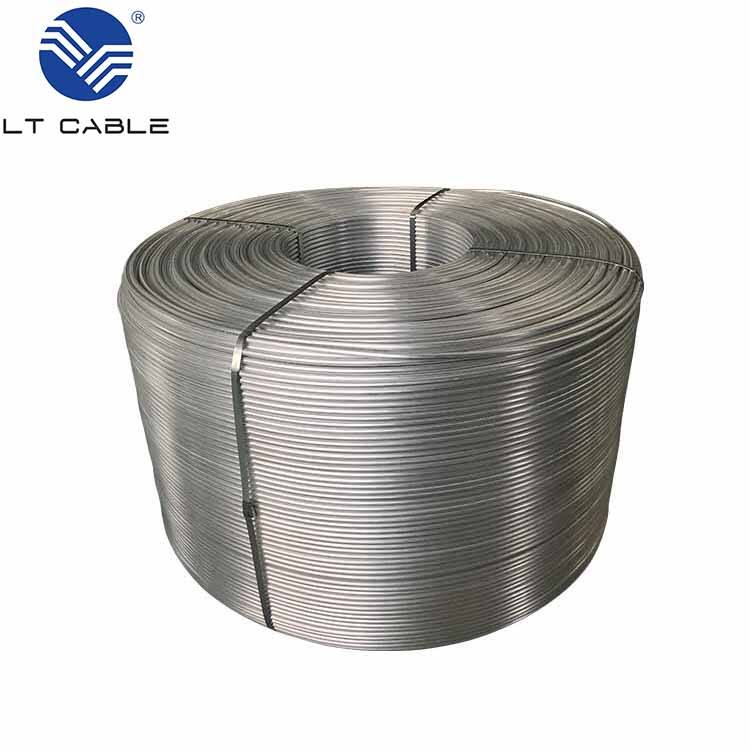
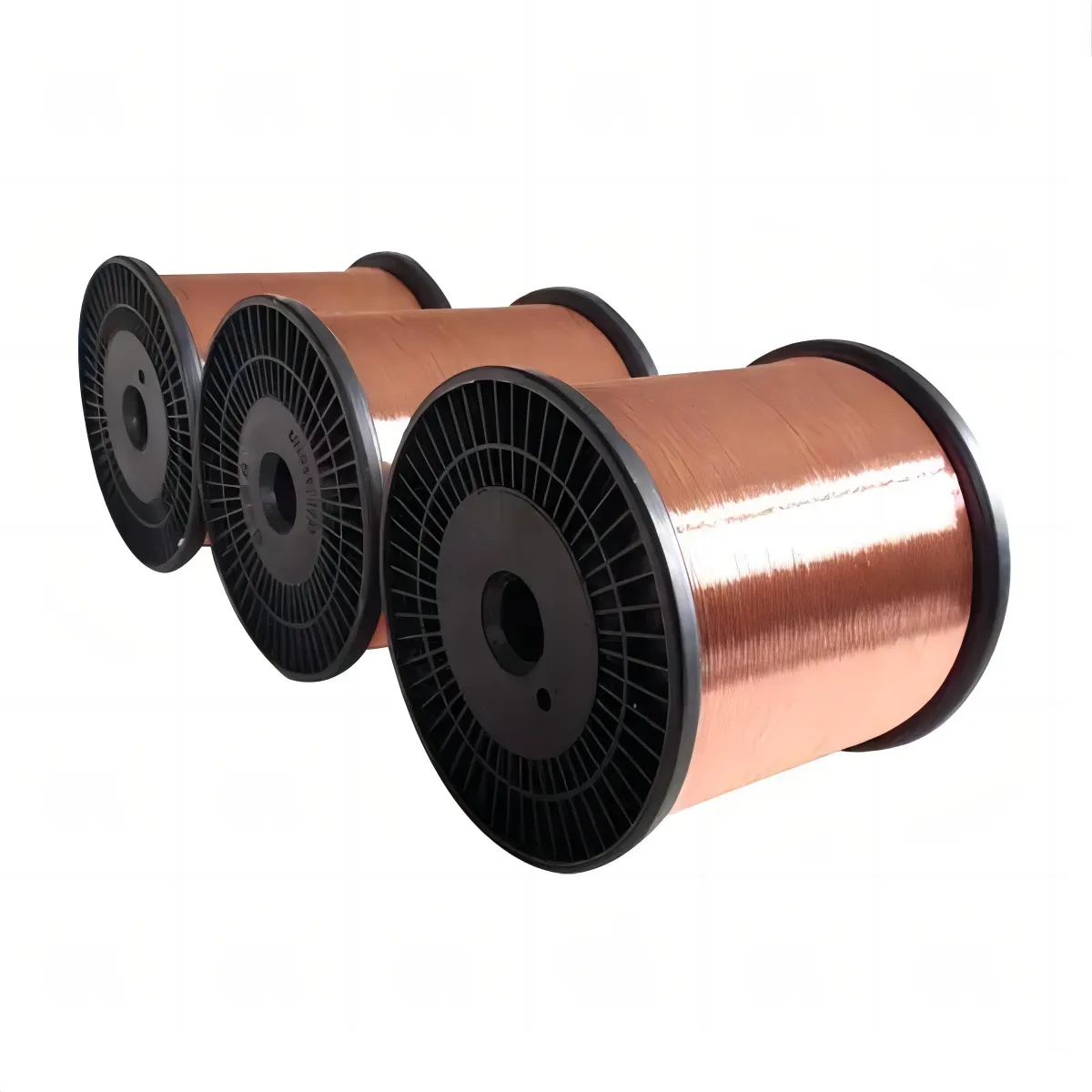
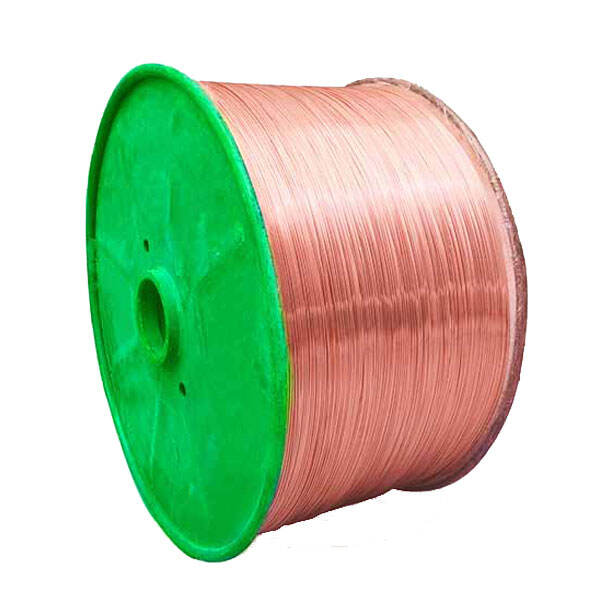
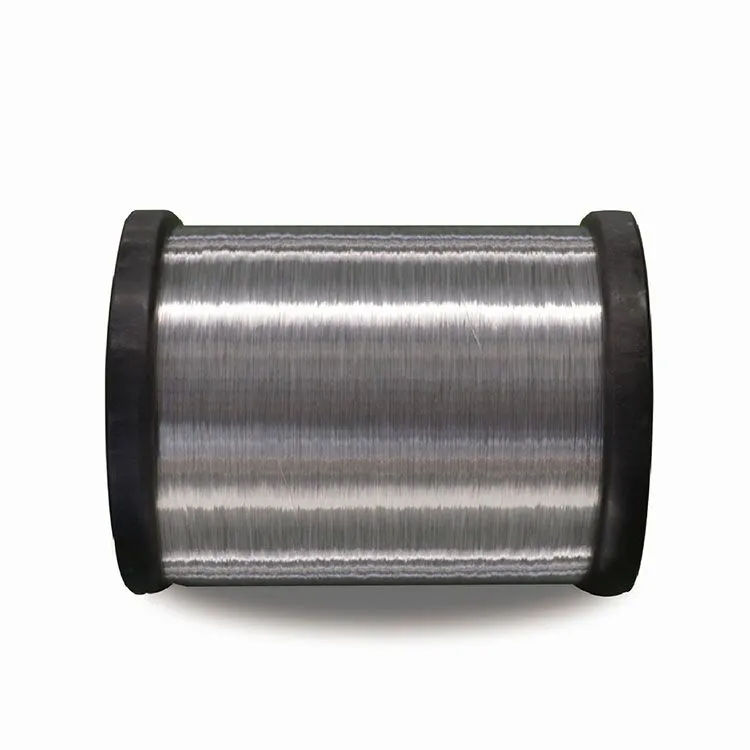
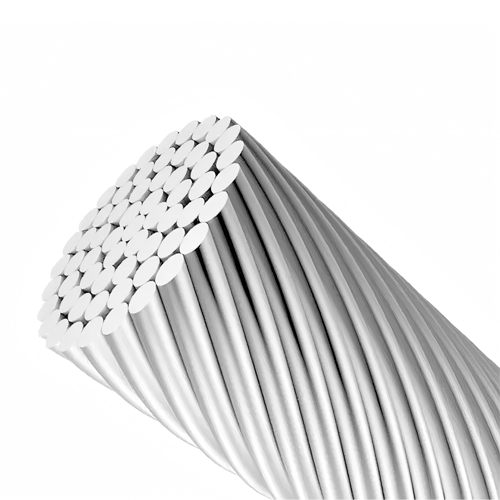
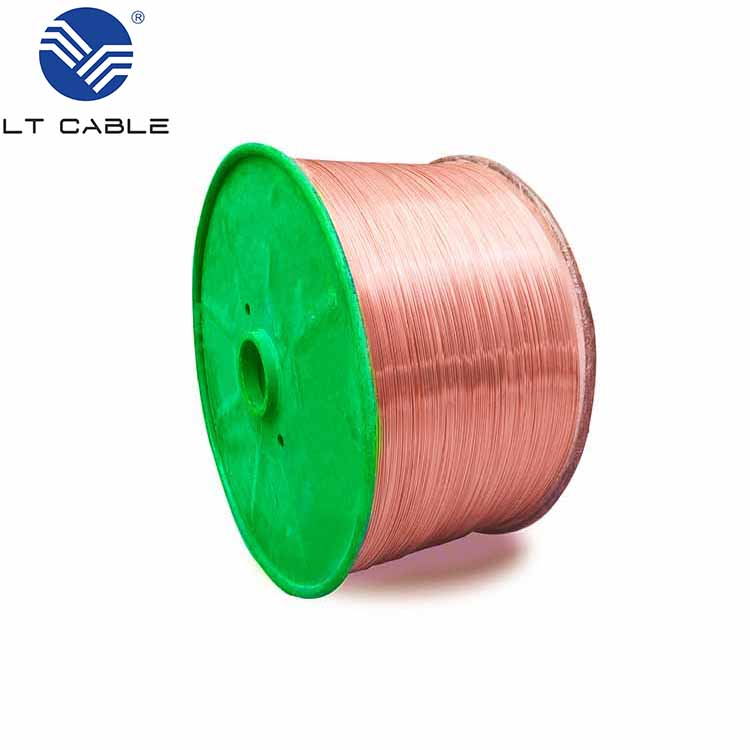
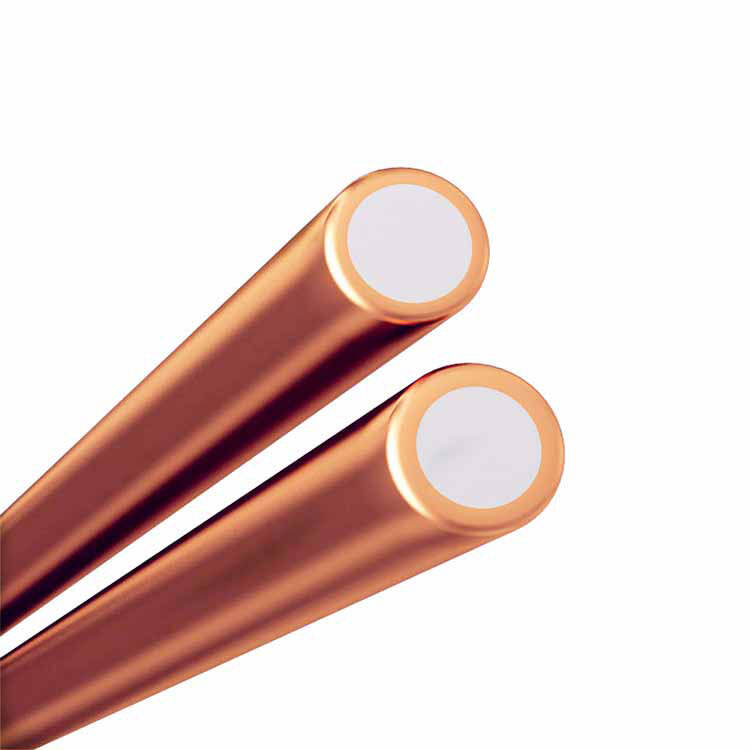
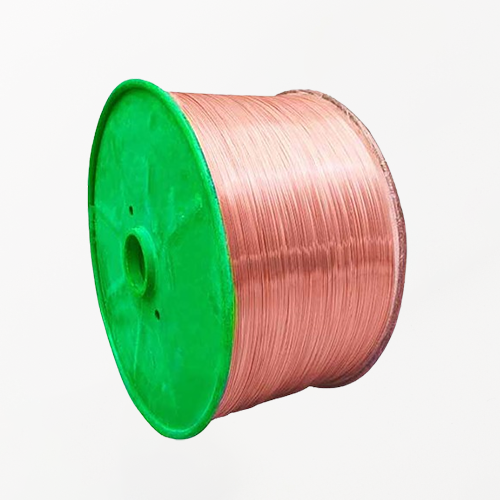
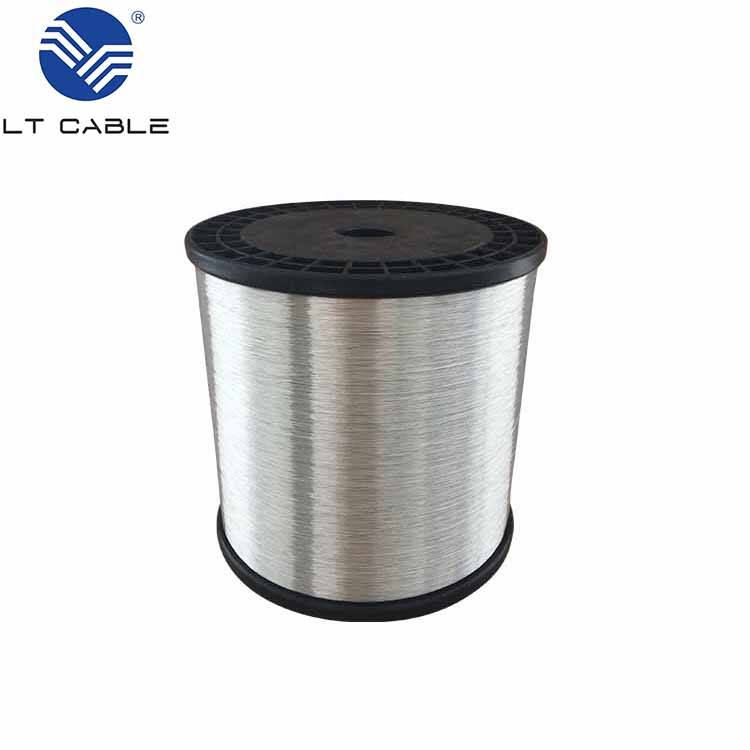
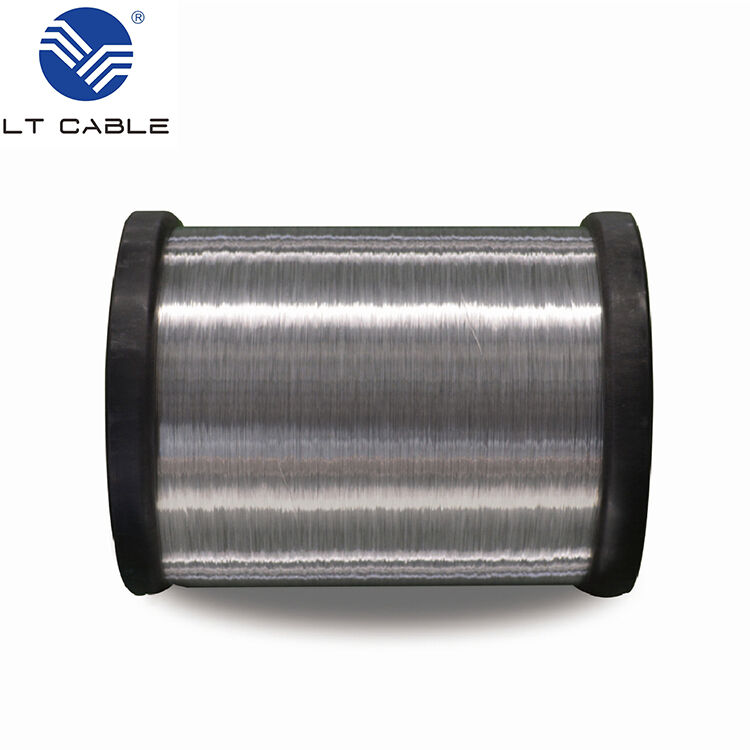
Bare Aluminum Magnesium Alloy Wire | High-Strength, Lightweight

Get a Free Quote

Our representative will contact you soon.
Name
Email
Mobile
Country/Region
Choose the product you want
Message
0/1000
Unmatched Quality and Performance

Unmatched Quality and Performance

Our Bare Aluminum Magnesium Alloy Wire stands out in the market for its exceptional strength, lightweight properties, and corrosion resistance. Designed for a variety of applications, this wire offers superior conductivity and durability, making it ideal for industries ranging from aerospace to electronics. With our fully automated production lines, we ensure precision in every step, from raw material selection to the final product. Our commitment to quality ensures that our clients receive only the best, enhancing their operational efficiency and product longevity.
Get A Quote

Transforming Electrical Solutions

Leading Aerospace Manufacturer

A prominent aerospace manufacturer faced challenges with weight and conductivity in their wiring systems. By switching to our Bare Aluminum Magnesium Alloy Wire, they reduced the overall weight by 30%, significantly improving fuel efficiency in their aircraft. The wire's excellent conductivity ensured reliable performance in critical electrical systems, leading to increased safety and operational reliability.

Innovative Electronics Company

An innovative electronics company sought a lightweight yet durable wire for their new product line. They chose our Bare Aluminum Magnesium Alloy Wire for its superior mechanical properties and flexibility. The result was a product that not only met but exceeded market expectations, allowing the company to enhance its reputation and expand its customer base.

Renewable Energy Sector

A renewable energy firm required a wire that could withstand harsh environmental conditions while maintaining high conductivity. Our Bare Aluminum Magnesium Alloy Wire provided the perfect solution, ensuring longevity and reliability in their solar panel installations. This partnership not only improved their product performance but also contributed to their sustainability goals.

Related products

The entire process of making Bare Aluminum Magnesium Alloy Wire begins with procuring top quality raw materials with the aid of quality control standards. The production process then uses advanced wire-drawing techniques and controls to get the wire to the exact desired diameter. After drawing the wire to the desired diameter, the wire then undergoes an annealing process, which increases the wire\'s ductility and strength. Rigorous quality control is executed after every stage of the process. Having maintained this standard for decades, Litong Cable is able to offer the world customized solutions for Bare Aluminum Magnesium Alloy Wire. Meeting the growing and varying demands of diverse industries around the world is what inspires Litong Cable to innovate and add value for its customers.

Frequently Asked Questions

What are the main benefits of using Bare Aluminum Magnesium Alloy Wire?

Bare Aluminum Magnesium Alloy Wire offers a combination of lightweight properties, high strength, and excellent corrosion resistance. These features make it suitable for various applications, including aerospace, automotive, and electronics. Its superior conductivity enhances performance while reducing overall weight, leading to improved efficiency.
Our wire is produced using fully automated production lines, ensuring precision and consistency. We carefully select high-quality raw materials, followed by processes such as drawing and annealing, all monitored for quality control to deliver a superior product.

Related article

CCAM Wire Conductivity & Strength: Performance Overview

08

Jan

CCAM Wire Conductivity & Strength: Performance Overview

Electrical Conductivity of CCAM Wire: Physics, Measurement, and Real-World Impact

How Aluminum Coating Affects Electron Flow vs. Pure Copper

CCAM wire combines the best of both worlds really – copper's excellent conductivity paired with aluminum's lighter weight benefits. When we look at pure copper, it hits that perfect 100% mark on the IACS scale, but aluminum only gets to about 61% because electrons just don't move as freely through it. What happens at the copper-aluminum boundary in CCAM wires? Well, those interfaces create scattering points which actually increase resistivity somewhere between 15 and 25 percent compared to regular copper wires of the same thickness. And this matters a lot for electric vehicles since higher resistance means more energy loss during power distribution. But here's why manufacturers still go for it: CCAM cuts down on weight by roughly two thirds compared to copper, all while maintaining around 85% of copper's conductivity levels. That makes these composite wires particularly useful for connecting batteries to inverters in EVs, where every gram saved contributes to longer driving ranges and better heat control throughout the system.

IACS Benchmarking and Why Lab Measurements Differ from In-System Performance

IACS values are derived under tightly controlled lab conditions—20°C, annealed reference samples, no mechanical stress—which rarely reflect real-world automotive operation. Three key factors drive performance divergence:

  • Temperature sensitivity: Conductivity declines ~0.3% per °C above 20°C, a critical factor during sustained high-current operation;
  • Interface degradation: Vibration-induced microcracks at the copper–aluminum boundary increase localized resistance;
  • Oxidation at terminations: Unprotected aluminum surfaces form insulating Alâ‚‚O₃, raising contact resistance over time.

Benchmark data shows CCAM averaging 85% IACS in standardized lab tests—but drops to 78–81% IACS after 1,000 thermal cycles in dynamometer-tested EV harnesses. This 4–7 percentage-point gap validates the industry practice of derating CCAM by 8–10% for high-current 48V applications, ensuring robust voltage regulation and thermal safety margins.

Mechanical Strength and Fatigue Resistance of CCAM Wire

Yield Strength Gains from Aluminum Cladding and Implications for Harness Durability

Aluminum cladding in CCAM boosts yield strength around 20 to 30 percent compared to pure copper, which makes a real difference in how well the material resists permanent deformation when installing harnesses, particularly in situations where space is limited or there's significant pulling force involved. The extra structural strength helps cut down on fatigue issues at connectors and areas prone to vibrations like suspension mounts and motor housing points. Engineers take advantage of this property to use smaller wire sizes while still maintaining adequate safety levels for important connections between batteries and traction motors. Ductility does drop a bit when exposed to extreme temperatures ranging from minus 40 degrees Celsius up to plus 125 degrees, but testing shows that CCAM performs well enough across standard automotive temperature ranges to meet the necessary ISO 6722-1 standards for both tensile strength and elongation properties.

Bend-Fatigue Performance in Dynamic Automotive Applications (ISO 6722-2 Validation)

In dynamic vehicle zones—including door hinges, seat tracks, and sunroof mechanisms—CCAM undergoes repeated flexing. Per ISO 6722-2 validation protocols, CCAM wire demonstrates:

  • Minimum 20,000 bend cycles at 90° angles without failure;
  • Retention of ≥95% initial conductivity post-testing;
  • Zero sheath fractures even at aggressive 4mm bend radii.

Though CCAM exhibits 15–20% lower fatigue resistance than pure copper beyond 50,000 cycles, field-proven mitigation strategies—such as optimized routing paths, integrated strain relief, and reinforced overmolding at pivot points—ensure long-term reliability. These measures eliminate connection failures across typical vehicle service life expectations (15 years/300,000 km).

Thermal Stability and Oxidation Challenges in CCAM Wire

Aluminum Oxide Formation and Its Effect on Long-Term Contact Resistance

The fast oxidation of aluminum surfaces creates a big problem for CCAM systems over time. When exposed to regular air, aluminum forms a nonconducting layer of Al2O3 at around 2 nanometers per hour. If nothing stops this process, the oxide buildup increases terminal resistance by as much as 30% within just five years. This leads to voltage drops across connections and creates heat problems that engineers really worry about. Looking at old connectors through thermal cameras shows some pretty hot areas, sometimes above 90 degrees Celsius, exactly where the protective plating has started to fail. Copper coatings do help slow down oxidation somewhat, but tiny scratches from crimping operations, repeated bending, or constant vibrations can punch through this protection and let oxygen reach the aluminum underneath. Smart manufacturers combat this resistance growth by putting nickel diffusion barriers under their usual tin or silver coatings and adding antioxidant gels on top. This double protection keeps contact resistance under 20 milliohms even after 1,500 thermal cycles. Real world testing shows less than 5% loss in conductivity throughout an entire vehicle's service life, which makes these solutions worth implementing despite the extra costs involved.

System-Level Performance Trade-Offs of CCAM Wire in EV and 48V Architectures

Moving to higher voltage systems, especially those running on 48 volts, changes how we think about wiring designs completely. These setups cut down on current needed for the same amount of power (remember P equals V times I from basic physics). This means wires can be thinner, which saves a lot of copper weight compared to old 12 volt systems maybe around 60 percent less depending on specifics. CCAM takes things even further with its special aluminum coating that adds more weight savings without losing much conductivity. Works great for stuff like ADAS sensors, air conditioning compressors, and those 48 volt hybrid inverters that don't need super high conductivity anyway. At higher voltages, the fact that aluminum conducts electricity worse isn't such a big deal because power loss happens based on current squared times resistance rather than voltage squared over resistance. Still worth noting though that engineers need to watch out for heat buildup during fast charging sessions and make sure components aren't overloaded when cables are bundled together or sitting in areas with bad airflow. Combine proper termination techniques with standards compliant fatigue testing and what do we get? Better energy efficiency and more room inside vehicles for other components all while keeping safety intact and making sure everything lasts through regular maintenance cycles.

View More
Custom Solutions with Ccs Wire for Industrial and Electrical Companies

26

Jan

Custom Solutions with Ccs Wire for Industrial and Electrical Companies

Understanding Custom Solutions in Electrical Performance

Custom solutions in the context of electrical performance refer to tailored designs and implementations that address specific application requirements. Unlike off-the-shelf products which are designed to meet general needs, custom solutions are crafted to integrate seamlessly with unique operational environments, ensuring compatibility and optimal performance. Such solutions are particularly beneficial when standard products fall short in meeting an application's precise demands. Custom solutions significantly enhance the efficiency and reliability of electrical systems across various industries. For instance, in aerospace, bespoke solutions can accommodate the critical safety and precision requirements. In the automotive industry, these solutions enable integration with advanced technological frameworks for vehicle electrification. Similarly, within consumer electronics, custom-built electrical components ensure devices operate effectively under diverse consumer demands—not only boosting performance but also extending the lifespan and dependability of the systems involved. This adaptability makes custom solutions indispensable for industries that require high precision and flexibility in their operations.

Benefits of Custom CCS Wire Solutions

Custom CCS (Copper-Clad Steel) wire solutions offer tailored designs that specifically address unique electrical needs, ensuring optimal performance. These solutions are crafted to meet desired specifications, such as specific conductivity levels and flexibility, which are often required in intricate electrical setups. By customizing CCS wires, businesses can achieve electrical configurations that maximize efficiency and minimize energy loss, resulting in cost savings and consistent performance across various applications. One of the most notable advantages of custom CCS wire solutions is their enhanced electrical performance. These wires are designed to reduce resistance, thereby improving the current flow and minimizing power loss. Additionally, the inherent durability of CCS wires ensures a longer lifespan, making them a reliable choice for demanding environments. Whether for aerospace systems or automotive wiring, custom CCS solutions offer the resilience to withstand varying degrees of stress and thermal challenges. Furthermore, the flexibility and adaptability of custom solutions support innovation in electrical engineering. As technology evolves, so do the requirements for electrical components. Custom CCS wire solutions can be modified to meet new application needs, allowing businesses to stay at the forefront of technological advancements. This adaptability ensures that as industries progress, the wiring solutions can be adjusted accordingly, promoting continuous improvement and fostering innovation.

Custom Solutions: Solid Wire vs Stranded Wire

When considering custom wire solutions, it's essential to understand the characteristics of solid wire. Solid wire is known for its excellent conductance due to its single, continuous strand, which facilitates efficient electrical flow. Additionally, its inherent mechanical strength makes it suitable for static applications where the wire will not be frequently moved or bent. This makes solid wire ideal for use in fixed installations such as building wiring and electrical panels. On the other hand, stranded wire offers distinct advantages, particularly in terms of flexibility. Comprising multiple small strands twisted together, stranded wire is more resistant to fatigue from bending and vibration. This characteristic makes it particularly well-suited for dynamic applications where the wire needs to be frequently flexed or moved, such as in robotics or automotive wiring harnesses. Its flexibility also contributes to easier installation in tight or complex spaces. Choosing between solid and stranded wire for custom solutions depends on several factors. Consider the installation environment: solid wire is more effective in stable, static environments, whereas stranded wire excels in dynamic settings. Evaluate the need for flexibility—if regular movement or vibration is expected, stranded wire is preferable. Lastly, assess the required electrical performance; solid wire may be more efficient for higher conductance needs. By understanding these factors, you can tailor the choice of wire to the application’s specific demands.

Exploring Enameled Wire for Enhanced Performance

Enameled wire is a specialized type of wire known for its excellent insulation and electrical properties, making it a critical component in many electrical applications. The wire is coated with a thin layer of enamel, which serves as insulation against electrical shorts. This insulation helps the wire withstand high temperatures, often up to 200°C, making it suitable for a wide range of operating conditions. Additionally, enameled wire exhibits excellent dielectric properties, reducing energy loss and enhancing electrical efficiency. Enameled wire is commonly utilized in various electrical projects, particularly those involving magnets. For instance, it is frequently used in the windings of electric motors, transformers, and inductors. These components benefit from the precise and compact winding capabilities of enameled wire, which optimizes the performance of the magnetic fields they generate. This makes it a preferred choice in industries ranging from automotive to consumer electronics and industrial machinery. The benefits of enameled wire over other wire types are numerous. Due to its ability to resist heat, it offers improved durability and longevity, particularly in applications subjected to high temperatures. Its compact dielectric coating also reduces space requirements, allowing for more compact designs without compromising performance. Additionally, enameled wire's durability ensures it can withstand harsh environments, contributing to its reliability in demanding applications. These advantages make enameled wire a superior choice for enhancing performance in electrical engineering projects.

The Role of CCA Wire in Custom Electrical Solutions

Copper Clad Aluminum (CCA) wire is a specialized type of electrical conductor that effectively combines the benefits of both aluminum and copper. By coating an aluminum core with a thin layer of copper, CCA wire offers several distinct advantages. It maintains much of the conductivity of copper wire while significantly reducing weight and cost. This unique combination makes CCA wire a popular choice for various custom solutions where weight, cost, and conductivity are crucial factors. One of the main benefits of CCA wire is its cost-effectiveness. Although it is not as conductive as pure copper wire, it is considerably lighter, which makes it easier to handle and install, and costs less due to the lower amount of copper used. This makes CCA wire an attractive option for budget-conscious projects without sacrificing essential performance. Additionally, its physical properties contribute to its versatility in various applications. CCA wire is particularly valuable in industries such as telecommunications, automotive, and HVAC systems. In telecommunications, its lightweight nature helps reduce the weight of cabling over long distances, thus making installation easier and cheaper. In automotive applications, CCA wire can be used in circuits where high current carrying capacity isn't crucial but cost and weight are significant considerations. For HVAC systems, the improved flexibility and reduced weight of CCA wires assist in simpler installations while maintaining satisfactory performance levels. These diverse applications demonstrate the flexibility of CCA wire in meeting custom electrical solution requirements.

Choosing the Right Custom Wire for Your Needs

Selecting the right custom wire begins with assessing your specific electrical requirements. It's essential to consider factors such as voltage, current, and the environment where the wire will be used. For instance, high-voltage applications demand wires with specific insulation properties, while environments exposed to moisture or extreme temperatures may require special protective coatings. By understanding these needs, you can ensure the wire selected will perform safely and efficiently. Budget considerations also play a crucial role in choosing custom wire solutions. While it might be tempting to opt for cheaper options, investing in quality wires can lead to considerable long-term savings. High-quality materials and designs not only enhance performance but also reduce the frequency of replacements and repairs, ultimately lowering overall costs. Finally, do not underestimate the value of expert advice. Collaborating with suppliers and engineers can provide unique insights into the optimal wire options for your specific application. Their expertise ensures that the wire chosen will not only meet your needs but also comply with industry standards and regulations. This collaboration is key to achieving the best balance between functionality, durability, and cost-effectiveness.

Conclusion: The Future of Custom Solutions in Electrical Performance

In an era where efficiency and reliability are paramount, tailored solutions in electrical systems play an essential role in performance optimization. Leveraging custom wire solutions and technologies allows businesses to fine-tune their electrical journeys, ensuring systems not only meet their current requirements but are also adaptable for future needs. Such customization results in unparalleled efficiency improvements and system reliability. Looking ahead, technological advancements are set to further revolutionize custom solutions. Innovations in materials and design practices offer exciting possibilities for future applications. Enhanced conductive materials and eco-friendly options promise to improve performance while reducing environmental impact. As these advancements continue to unfold, the landscape of custom electrical solutions will expand, offering even greater possibilities for those ready to harness tailor-made technological opportunities.
View More
Let's explore how the cost - control strategy affects the price of photovoltaic wire

27

Apr

Let's explore how the cost - control strategy affects the price of photovoltaic wire

Material Innovations Driving PV Wire Cost Efficiency

Copper Clad Aluminum (CCA) vs Traditional Copper Conductors

Copper Clad Aluminum, or CCA for short, is changing how we look at conductors in photovoltaic systems because it manages to combine good performance with lower prices. Basically, what we have here is aluminum inside with a copper coating around it, which cuts costs by about half when compared to regular copper wires. And since CCA weighs much less than pure copper, installers find it easier to work with, which means less time spent on installations and fewer expenses overall. We're seeing this material gain traction in the market place as solar panel manufacturers hunt for options that don't break the bank but still deliver solid results. Take a look at recent trends, and it becomes clear that more companies are switching to CCA solutions as global demand for solar energy continues to rise year after year.

However, the transition to CCA isn't without obstacles. Challenges include ensuring compatibility with existing infrastructure and overcoming the perception that traditional copper conductors are more reliable. Despite these challenges, the demand for copper clad aluminum wires grows due to their economic and functional benefits in large-scale solar installations.

Enameled Wire Advancements for Photovoltaic Applications

New developments in enameled wire tech are making solar systems perform better than ever before. These wires now handle heat much better and conduct electricity more effectively, something really important when dealing with the big power needs of solar setups. Real world tests show these improvements actually make solar panels work at higher efficiencies, so it's no surprise that enameled wires have become a key component in today's photovoltaic systems. For anyone looking to maximize their solar investment, understanding how these wires contribute to overall system performance is becoming increasingly valuable.

New designs that cut down on voltage loss during those long cable runs really highlight why enameled wire matters so much in the industry. When systems lose less energy this way, the overall costs drop significantly while still getting maximum power out of each installation. The solar industry has been working hard to tweak these details for years now, trying to get better value from photovoltaic setups. For homeowners thinking about going solar, these kinds of improvements mean their investment pays off faster and works better over time, which explains why more people are seriously considering solar as a green alternative despite the upfront expense.

Aluminum Alloy Conductors in Solar Energy Systems

Aluminum alloy conductors are becoming popular alternatives for solar power installations because they're light weight and won't corrode easily. Compared to copper or other metals traditionally used, these alloys make installation much simpler since workers don't have to deal with heavy cables, plus shipping them around costs less money too. Research across different regions shows pretty good results when it comes to how reliable these materials actually are. Most importantly, aluminum alloys keep performing well even after years of exposure to harsh weather conditions, something many industry experts consider crucial for solar projects located in coastal areas or places with extreme temperatures.

The market is seeing more people go for aluminum alloy conductors these days, mainly because companies want to be greener and save money at the same time. When looking at what's happening across the sector, there's clearly a move toward options that don't harm the planet while still making financial sense. Aluminum alloys have become pretty popular lately since they help cut down on carbon emissions from solar panel setups. We're talking about actual reductions here too, not just theoretical benefits. For instance, many manufacturers report lower greenhouse gas outputs when switching to these materials. What we're witnessing isn't just another passing trend but rather a fundamental change in how solar tech is being built today with materials that deliver real performance gains alongside better environmental outcomes.

Manufacturing Process Optimization Strategies

Scale Economies in Stranded Wire Production

Economies of scale really matter when it comes to cutting down production expenses for stranded wire makers. When manufacturers boost their output volumes, they typically see those costs drop on a per unit basis. Take companies expanding operations from small batch runs to full scale production lines for example. They tend to save money across multiple areas including raw materials, workforce costs, and factory overhead simply because resources get used more efficiently. One actual plant we looked at saw something pretty interesting happen too. As their monthly output jumped around 50 percent, the price tag per individual unit actually fell by about 20 percent. That kind of saving adds up fast. But here's the catch. These cost advantages also attract more competitors into the market. So businesses need to keep coming up with new ideas and improvements just to hold onto their existing customer base within this tough stranded wire sector.

Automation in Photovoltaic Wire Manufacturing

The manufacturing of photovoltaic wires is getting a major boost from automation technology, making everything faster, more consistent, and safer overall. When factories implement automated systems, they typically see production times drop dramatically, which translates into real money saved on labor expenses. Some industry reports suggest that certain automation setups can slash production time around 30% give or take depending on the setup. Of course there's a catch though many small scale producers find themselves facing steep capital expenditures when switching over to fully automated lines. These kinds of investments definitely require careful planning since while the long run savings are tempting, not every business has the financial flexibility to justify such big ticket purchases right now.

Quality Control Protocols Reducing Waste

Strong quality control isn't just good practice it's essential if manufacturers want to cut down on waste and boost their bottom line. When companies catch defects early on during production runs, they save tons of money that would otherwise go into fixing problems later. Take automotive parts makers for example many report around 15% less material going to waste after implementing tighter controls, plus about 10% better overall production speed. Looking at numbers like defect rates and how much product actually makes it through each stage gives a clear picture of whether these efforts are paying off. Most forward thinking manufacturers now incorporate methods like Six Sigma into daily operations. This helps maintain consistent quality across batches while making sure precious resources aren't thrown away on substandard products that fail inspection anyway.

Performance vs Cost: Technical Considerations

Stranded vs Solid Wire Conductivity Analysis

Looking at stranded versus solid wire reveals some important differences in how well they conduct electricity, which matters a lot when it comes to getting power from solar installations. Research shows solid wires tend to conduct better because there's no break in the metal running through them, so these work great over longer distances without losing much energy along the way. Stranded wires on the other hand consist of several thin strands twisted together, giving them flexibility that makes installation easier, even if they don't quite match solid wires in conductivity. Solar panel setups often need this kind of bendable wiring especially for those tracking systems that follow the sun throughout the day. Installers typically go with stranded options here even though they sacrifice a bit of conductivity for all that movement capability.

When choosing between solid and stranded wire for solar projects, real world situations matter a lot. Solid wire works best when there's little movement and everything needs to run efficiently over time, think about those fixed ground mount installations where the conductivity just keeps working day after day. Stranded wire is actually better suited for places where things get moved around quite a bit, especially on rooftops where panels might need adjusting seasonally. The flexibility stops the wire from breaking or getting kinked during these adjustments. Thickness matters too. Thicker wires cut down on resistance so electricity flows better through the system. That's why most installers go for thicker gauges in systems that handle higher power loads, since thin wires just can't keep up with the demands of bigger solar arrays.

Resistance Characteristics in PV Wire Design

Getting a handle on resistance properties matters a lot when we talk about designing those photovoltaic (PV) wires because this factor really affects how well the whole solar system works. When there's resistance in the wiring, some power gets lost along the way, which means engineers need to look closely at how different kinds of wires stack up against each other regarding these losses. Take stranded copper wires for example their resistance changes quite a bit depending on their thickness and how they're put together, something that can make or break energy efficiency across installations. What we see happening now is manufacturers working hard to cut down on resistance while still keeping prices reasonable. They're experimenting with new materials and clever ways to arrange the wires themselves, all aimed at making sure electricity flows through them with minimal hassle.

Industry standards play a big role in setting resistance specs and really affect how solar installations work overall. When companies stick to these rules, their wiring actually performs better and stays safe in the long run. Take the National Electrical Code as a case in point. The NEC has all sorts of detailed requirements that manufacturers need to meet if they want to keep resistance low and systems running smoothly. This directly affects which wires get chosen for different projects. The push for lower resistance is definitely moving forward, but there's always this tug-of-war between what works best technically and what fits into budget constraints. New materials might offer great performance improvements, but often come with price tags that make installers scratch their heads over whether the benefits outweigh the extra costs.

Durability Trade-offs in Cost-Reduction Approaches

When trying to cut expenses, many manufacturers end up sacrificing durability which eventually causes performance problems down the road. A common practice is substituting cheaper alternatives for quality materials, like replacing solid copper with copper-clad aluminum in wiring applications. The result? Products don't last nearly as long and become much more susceptible to damage from weather conditions and temperature changes. We've seen this happen plenty of times across different sectors. Take outdoor electrical installations for example those exposed to sunlight day after day. Without proper protection, these wires start breaking down faster than expected. The consequences are pretty obvious replacement costs go through the roof and operations come grinding to a halt when systems fail unexpectedly.

Putting good practices into place actually keeps things lasting longer without breaking the bank too much. Take for instance when better quality materials are used just where they really need it most, like spots that get hit by rough weather or heavy usage. This approach extends how long products last but doesn't blow up expenses. Industry experts keep stressing the importance of thorough checks during production. They want problems found early before they become big headaches later on. Looking at what's happening in the field shows us something interesting about warranties getting claimed because of failed materials. When companies fix these issues right from the start, they save themselves a ton of money down the road on fixing broken stuff or replacing it entirely. All these lessons help solar panel makers find that sweet spot between spending smartly and making sure their products can handle whatever comes their way over time.

Global Market Dynamics for Photovoltaic Wires

Raw Material Price Volatility Impacts

Raw material prices swing wildly these days, especially for copper and aluminum, creating real headaches for folks in the solar panel business. These price swings usually come from big money movements around the world plus all sorts of political stuff happening across borders that messes with how much stuff gets made versus how much people want it. The numbers don't lie either industry data shows just how much these ups and downs hit manufacturer bottom lines hard. Take copper for example when tensions flare between countries or economies start shaking, suddenly those copper bills go through the roof. Manufacturers then pass on those extra expenses straight to customers who end up paying more for their solar installations. Smart companies are now looking at different ways to handle this problem. Some are spreading out where they buy materials from instead of relying on one source, while others lock in deals ahead of time so they know exactly what their costs will be next quarter. Making these kinds of changes helps keep prices reasonable despite all the chaos in commodity markets right now.

Regional Manufacturing Cost Variations

The price tag on making photovoltaic wires varies quite a bit depending on where things get made. Take Southeast Asia for instance – many factories there have an edge because wages are generally lower and the local economy works better for manufacturing operations. That means companies can actually make these solar wires cheaper than in places like Europe or North America where rules about safety and environmental standards tend to drive up expenses, not to mention what people expect to be paid for their work. Smart businesses set up shop where costs make sense, adjusting their supply lines accordingly so they're getting the most bang for their buck. When companies do this right, they end up selling products at prices customers want to pay without sacrificing profits, which naturally helps them grab bigger chunks of different markets around the world. Getting good at this kind of strategic positioning matters a lot when trying to stay ahead in today's global marketplace.

Tariff Policies Affecting Wire Pricing

The recent wave of tariff policies has really shaken up the global pricing landscape for photovoltaic wires, changing how countries trade with each other and what's happening in the markets. Take a look at what happens when tariffs hit imported goods - manufacturers who depend on materials from overseas suddenly face higher costs, which gets passed down to consumers buying solar panels. Many companies are dealing with this by moving factories nearer to where they sell their products or building out local manufacturing facilities instead of relying so much on imports. Some firms in Germany actually managed to turn things around by forming joint ventures with suppliers in Southeast Asia while developing new production techniques. Looking ahead, most analysts predict continued turbulence as governments tweak their tariff structures. The solar industry is going to need constant adjustments to stay competitive globally. Manufacturers should probably start thinking about flexible supply chains now rather than waiting until another round of tariffs hits.

Case Study: Germany's Solar Expansion Model

Government Incentives Driving Cost-Effective Adoption

Germany has made some serious strides in solar power thanks mostly to strong government support programs. Financial help comes in many forms including cash rebates and tax breaks which really cut down what people and businesses pay upfront when getting into solar. Take the German Renewable Energy Act from back in 2000 as an example. This legislation basically changed everything by guaranteeing payments to those producing clean energy over the long haul. By 2023 this approach had pushed solar installations past 81 gigawatts worldwide. These kinds of incentives completely reshaped how the market works, creating lots of competition between local companies making solar panels and equipment. As a result, Germany now stands out as one of the top countries in renewable energy innovation. Looking at the numbers showing more solar panels going up after these policies started makes it clear why so many other nations are watching closely.

Large-Scale Deployment Efficiency Gains

Germany has seen real improvements in efficiency since installing so many solar panels across the country. The numbers back this up too there was definitely more energy coming out and it became cheaper to produce as well. Take 2023 for example when German solar plants generated around 61 terawatt hours, making up just over 11.9 percent of all electricity produced nationally. What makes Germany stand out is how they combined good government policies with modern grid technology that actually works together. This setup helps make sure none of that clean energy goes to waste. And beyond just saving money on bills, what Germany did creates something other nations can aim for when building their own solar industries worldwide.

Lessons for Global PV Wire Standardization

What Germany does with PV wire standards offers some pretty important takeaways for manufacturers around the world. When they stick strictly to their quality requirements, German companies have managed to make solar installations safer while also running them more efficiently. Standardized wires mean factories don't have to constantly adjust their equipment when switching between different product lines or system components. Of course there are still hurdles when trying to get all countries on board with similar regulations since every region has its own rules and testing protocols. Still worth noting though, the way Germany keeps pushing for top notch standards shows other nations exactly what needs doing if they want better manufacturing outcomes and cleaner energy generation overall. Their example gives everyone else something tangible to work towards in making PV wiring standards consistent worldwide.

Future Outlook for PV Wire Economics

Emerging Conductor Technologies

New conductor tech such as high temp superconductors and various nanomaterials might just change everything about photovoltaic wires. What makes them interesting is that they could boost efficiency quite a bit while bringing down expenses, which would totally transform how we collect and move solar energy around. According to some folks in the field, HTS materials cut down on those pesky resistance losses during transmission, whereas certain nano stuff provides really good conductivity without weighing things down too much. Still, getting these into mainstream use faces real obstacles. Production remains expensive and requires special manufacturing setups most companies aren't equipped for right now. Finding ways to bridge the gap between cutting edge science and practical affordability will determine whether these breakthroughs actually reach consumers beyond just lab environments.

Recycling Initiatives Reducing Lifecycle Costs

The photovoltaic wire sector is seeing real progress with recycling efforts that slash lifecycle expenses and boost green credentials. Many operations now focus on recovering materials such as copper and aluminum from old wiring, which brings substantial financial gains for manufacturers. Some actual numbers tell the story best - certain programs have managed to trim production costs around 30% while sending far less waste to landfills. Take Copper Clad Aluminum Wire recycling for instance. By getting those precious metals back into circulation instead of letting them sit in scrap heaps, companies save money and protect ecosystems at the same time. Government regulations matter too. When laws support sustainable practices, businesses tend to follow suit. We've seen this happen across different regions where policy changes led to noticeable improvements in wire manufacturing economics over just a few years.

Policy Shifts in Renewable Energy Infrastructure

Changes in government policies around renewable energy are shaking up the economics of photovoltaic wires, bringing both fresh chances and headaches for manufacturers. When governments get behind clean energy initiatives, they tend to attract big money into the sector which naturally brings prices down while pushing companies to innovate faster. According to industry reports, the combination of policy support and capital injections has cut manufacturing expenses by about 15 percent over the past few years alone. Looking ahead, lawmakers need to think seriously about upgrading electrical grids across the country, setting consistent standards for wire quality, and generally creating an environment where solar power can thrive without bureaucratic roadblocks. Getting these things right would give the photovoltaic wire business a real boost, helping it compete better against traditional options while moving closer to those lofty international climate targets we all keep hearing about.

View More
Let's explore the innovations in the manufacturing process of a wire product.

14

Jul

Let's explore the innovations in the manufacturing process of a wire product.

Smart Automation in Wire Manufacturing

AI-Driven Production Optimization

Artificial intelligence is changing how wires get made on factory floors these days. With AI systems watching over production lines, factories spot problems long before they actually stop things from running smoothly. Some plants report their operations getting about 20% better once they brought in smart monitoring tools. Less time wasted means fewer missed delivery dates and products that stick closer to quality specs. Take XYZ Manufacturing for example they cut down scrap materials by almost half after installing predictive maintenance software last year. When manufacturers start using machine learning models, they gain better control over day-to-day decisions. Resources go exactly where needed at exactly the right moment, which makes everyone in the plant work together more efficiently than ever before.

IoT-Enabled Quality Monitoring Systems

Bringing IoT devices into wire manufacturing changed how we monitor production completely, giving us live updates on all sorts of wire quality measurements. When teams get immediate access to these numbers, they can jump in right away if something goes wrong, which cuts down defects and makes customers happier overall. The stats back this up too many factories report seeing fewer faulty wires making it out the door since implementing these smart monitoring systems. Data analysis tools help manufacturers spot patterns over time, so they know when adjustments need to happen before problems even start. Looking at actual usage data instead of just guesswork keeps quality standards from slipping, and most importantly, keeps what comes off the line matching what customers actually want.

Enhanced Enameled Wire for High-Temperature Applications

Recent improvements in enameled wire tech have really opened doors for applications in hot environments, representing a big leap forward for the wire manufacturing sector. Auto makers and aerospace companies are turning to these upgraded materials because they hold up better when things get super hot and stay durable even when pushed to extremes. Take this for example: modern enameled wires can handle heat well above 200 degrees Celsius, which makes them perfect for placement near engines or inside sensitive electronics. These wires last longer than older versions too, so there's less need to replace them all the time, cutting down on those annoying maintenance expenses. Plus, when used in various electronic parts, they keep performing reliably no matter what temperature swings come along, helping make sure high tech equipment runs smoothly without unexpected breakdowns.

Copper Clad Aluminum Wire: Efficiency Advancements

Copper clad aluminum (CCA) wire stands out as a cheaper option compared to regular copper wire, especially when weight matters and budget constraints are tight. What makes CCA special is that it takes advantage of copper's good conductivity while keeping the lightness of aluminum. This combination cuts down on material expenses and also saves energy during operation. More companies are switching to CCA these days, and studies show around 25% better energy efficiency than standard copper wiring, though results can vary depending on installation conditions. Another plus point for CCA is its ability to resist corrosion much longer than pure copper, which means equipment lasts longer before needing repairs or replacement. As a result, many industrial sectors are finding ways to incorporate this material into their electrical systems, helping them cut costs while still meeting sustainability goals.

You can explore more about Copper Clad Aluminum Wire by visiting the product page.

Solid Wire vs Stranded Wire Performance Analysis

Looking at solid wire versus stranded wire shows some pretty different characteristics that affect where each gets used. Solid wire conducts electricity better because it's just one continuous piece, but this comes at a price - it doesn't bend well and breaks easily when moved around too much. That makes it a poor fit for places where things get shaken up or need frequent adjustments. Stranded wire tells a different story altogether. Made from lots of tiny wires all twisted together, it bends nicely and holds up under stress much better. This is why we see so many automotive manufacturers going for stranded options in engine compartments and other areas subject to constant vibration. When engineers pick between these two types, they usually consider three main factors: how strong the material needs to be, whether it must flex regularly, and what fits within budget constraints. Getting this right matters a lot since choosing the wrong type can lead to failures down the road.

Sustainable Manufacturing Techniques

Energy-Efficient Wire Drawing Processes

Energy efficient wire drawing processes make a big difference when it comes to cutting down power usage across manufacturing facilities. Tech improvements over recent years aim at getting the most out of every watt while still keeping product quality intact. Take a look at what some manufacturers are doing these days - many have swapped out old motors for high efficiency models and installed smart control systems that automatically adjust settings based on demand. The results speak for themselves according to factory managers we spoke with last month during an industry conference. One plant manager mentioned they cut their monthly electricity bill by nearly 30% after upgrading their equipment just six months ago.

The impact of going green in wire manufacturing goes beyond just checking boxes. When manufacturers adopt energy saving methods, they meet regulatory requirements while building better sustainability credentials. The real win comes from reduced operating costs too many businesses overlook this benefit completely. For instance, lower electricity bills alone can make a noticeable difference in monthly expenses. So it works out well for everyone involved nature stays protected and companies actually save money in the long run rather than just spending more on eco initiatives.

Recycled Material Integration

More and more wire producers are turning to recycled materials these days, which brings real environmental advantages to the table. Big names in the business have started looking seriously at ways to incorporate old copper and aluminum into their manufacturing processes. The bottom line? Factories cut down on carbon emissions when they reuse metal instead of mining new stuff, plus they save money too. Some rough estimates floating around the industry point to about a 30 percent drop in production expenses when companies switch to recycled inputs. Makes sense really since recycling avoids all those energy intensive steps involved in extracting raw materials from scratch.

Using recycled materials for wire production comes with its share of headaches, especially when it comes to keeping product quality consistent across batches. Many manufacturers have started implementing better sorting methods and cleaner processing systems to get rid of impurities that can ruin the final product. The extra work pays off in multiple ways. First, it maintains the standards customers expect. Second, it shows that recycled content can actually be reliable enough for serious industrial applications. Some plants now mix recycled metals with virgin material at specific ratios to strike the right balance between sustainability goals and performance requirements.

Design and Standardization Trends

Stranded Wire Size Chart Modernization

The latest changes to stranded wire size charts actually mirror what's happening in today's tech world and industrial applications. Manufacturers need these updates because they help them keep up with what different industries demand now, which makes all those electrical systems safer and works better together. Having standard measurements matters a lot when it comes to keeping things consistent and dependable across multiple sectors. Take the automotive industry for example, or companies working in renewable energy sources like solar panels and wind turbines. These businesses absolutely depend on up to date standards just to make sure everything runs safely and efficiently without any hiccups. Many firms operating in these areas report good results from the new sizing information, saying it gives them more freedom to develop new products while still sticking to important safety regulations that protect workers and equipment alike.

3D-Printed Tooling for Custom Wire Forms

The advent of 3D printing has changed how manufacturers approach tooling and fixtures in wire production. Instead of relying on traditional methods, factories can now create custom tools right when they need them. These specialized tools fit exactly what's required for each job, which cuts down waiting periods and saves money on unnecessary expenses. Real world examples show that companies switching to 3D printed components often finish projects faster than before. Looking ahead, there's plenty of room for growth in this area. Wire manufacturers are already experimenting with new shapes and configurations that were impossible with older techniques. While still developing, 3D printing technology holds real promise for transforming not just individual parts but entire manufacturing processes across the industry.

View More

Client Feedback

John Smith
Exceptional Quality and Service

Litong Cable's Bare Aluminum Magnesium Alloy Wire has transformed our production line. The quality is unmatched, and the service has been excellent. We highly recommend them!

Sarah Lee
Reliable Partner for Innovation

Working with Litong Cable has been a game-changer for our electronics company. Their wire not only improved our product but also helped us expand our market presence. Fantastic experience!

Get a Free Quote

Our representative will contact you soon.
Email
Name
Company Name
Message
0/1000
Lightweight Yet Strong

Lightweight Yet Strong

Our Bare Aluminum Magnesium Alloy Wire is engineered to deliver an optimal strength-to-weight ratio. This characteristic is crucial for industries like aerospace and automotive, where weight reduction directly translates to enhanced performance and fuel efficiency. By utilizing our wire, clients can achieve significant weight savings without compromising on strength or durability. This advantage allows for innovative designs and improved product performance, positioning our clients ahead in competitive markets.
Superior Corrosion Resistance

Superior Corrosion Resistance

The inherent properties of aluminum magnesium alloys provide exceptional resistance to corrosion, making our wire an ideal choice for applications in harsh environments. Whether in coastal areas or industrial settings, our wire maintains its integrity and performance over time. This durability reduces maintenance costs and extends the lifespan of products, offering clients a reliable solution that withstands the test of time.
  • Product Consultation & Selection

    Product Consultation & Selection

    Tailored advice, perfect fit solutions.

  • Production & Supply Chain

    Production & Supply Chain

    Efficient manufacturing, seamless supply.

  • Quality Assurance & Certification

    Quality Assurance & Certification

    Rigorous testing, global certifications.

  • Post-Sales Support & Tech Help

    Post-Sales Support & Tech Help

    Prompt assistance, ongoing support.

Get a Free Quote

Our representative will contact you soon.
Name
Email
Mobile
Country/Region
Title
Message
0/1000