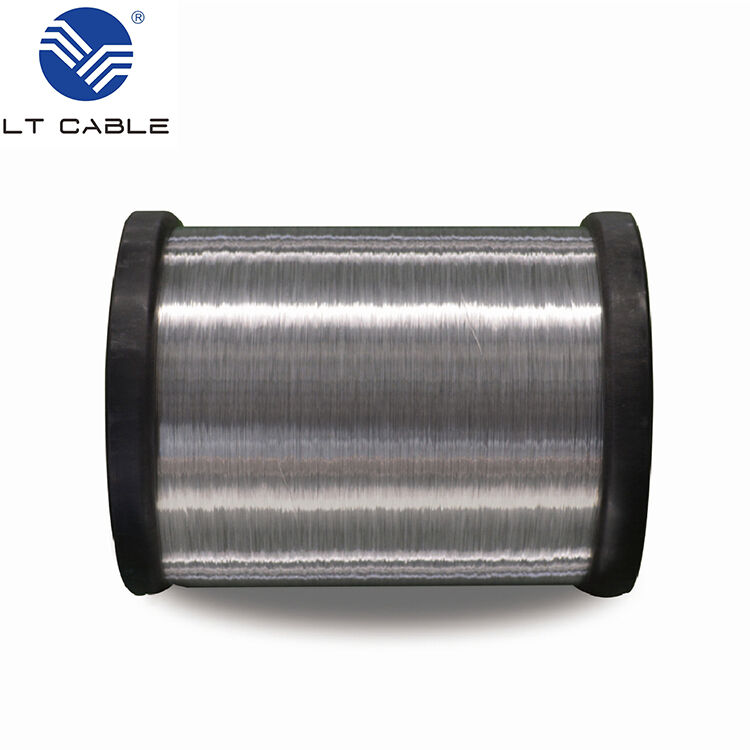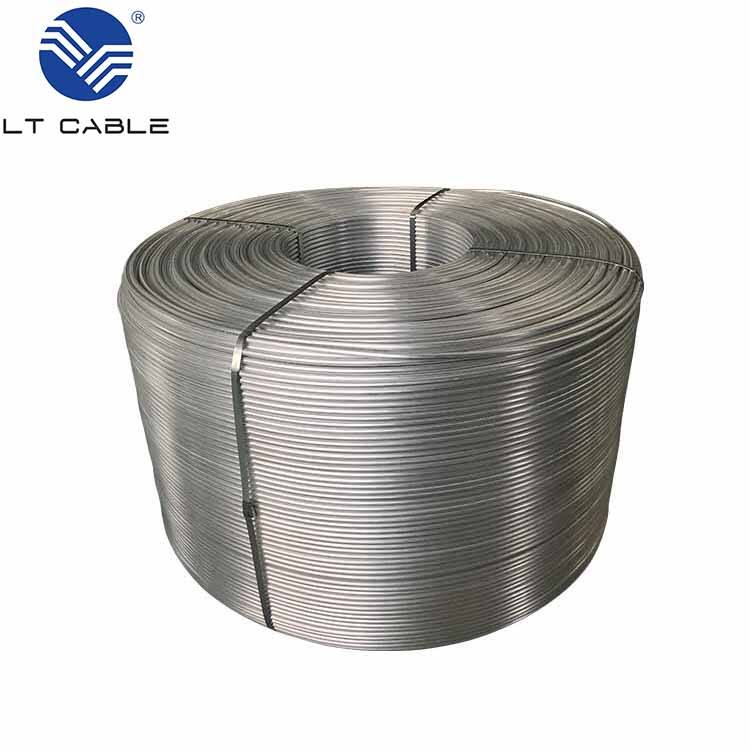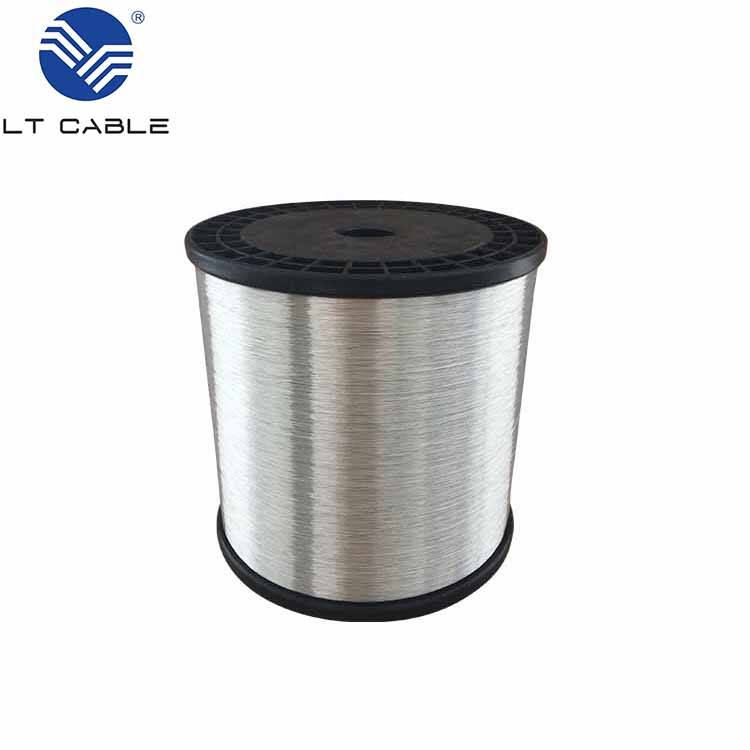
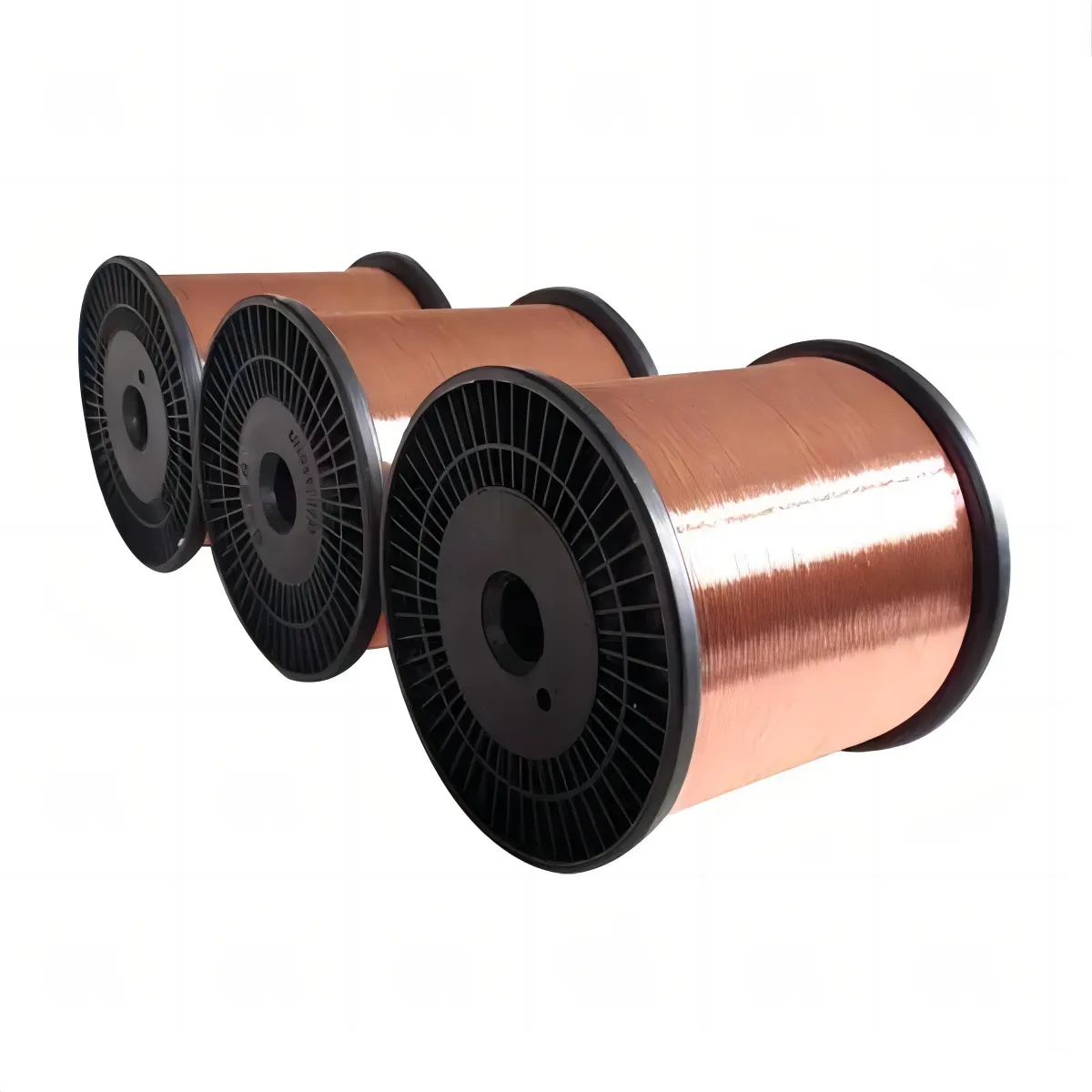
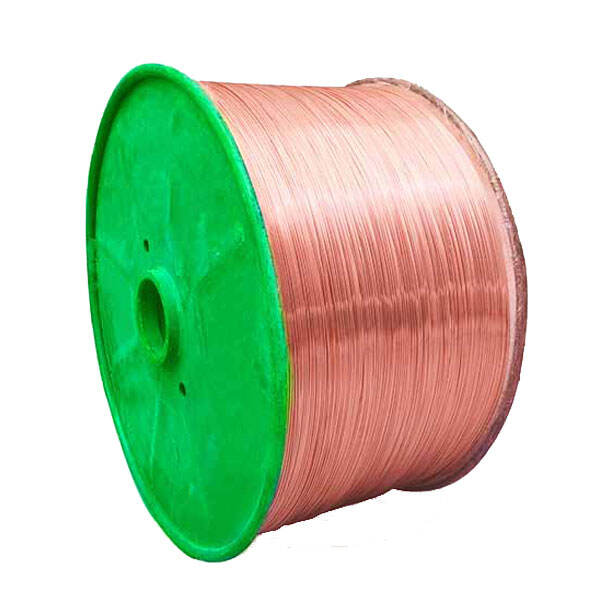
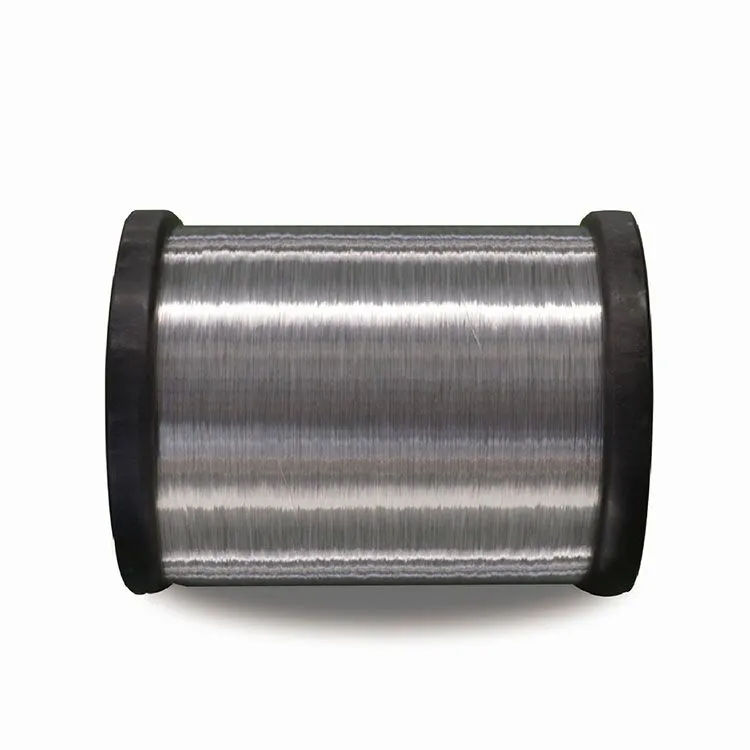
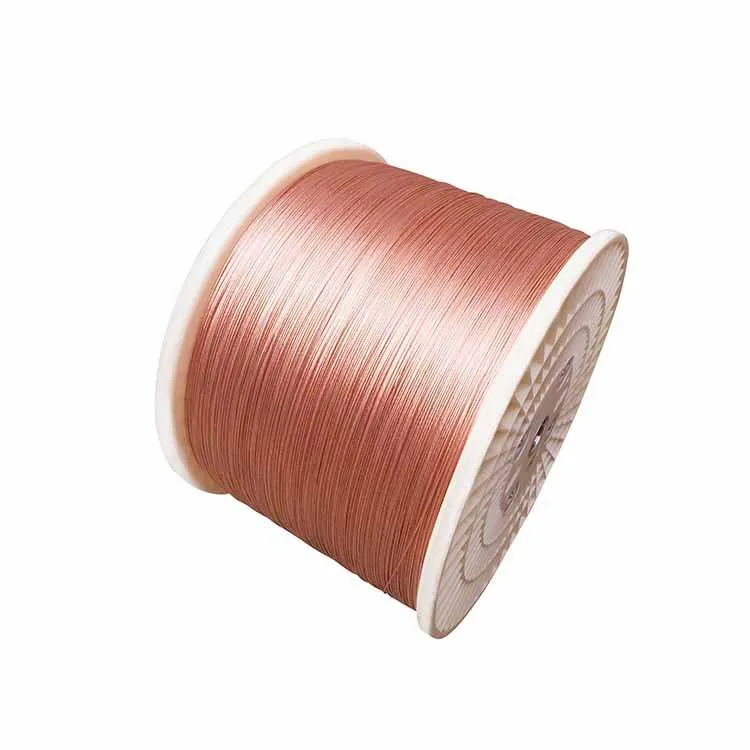
014mm Al-Mg Aluminum Magnesium Alloy Wire | High-Strength & Corrosion-Resistant

Get a Free Quote

Our representative will contact you soon.
Name
Email
Mobile
Country/Region
Choose the product you want
Message
0/1000
Premium Quality Al-Mg Aluminum Magnesium Alloy Wire

Premium Quality Al-Mg Aluminum Magnesium Alloy Wire

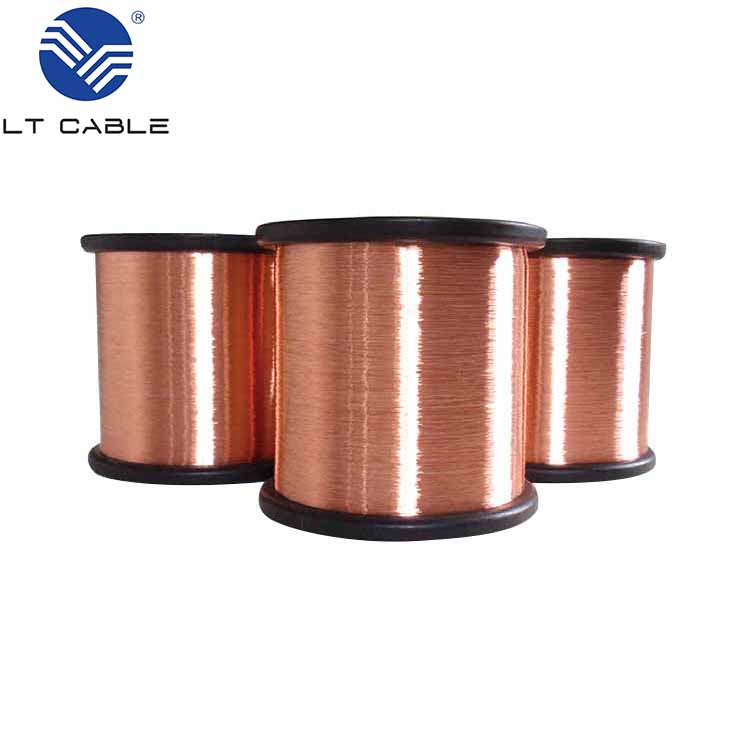
Our 014mm Al-Mg aluminum magnesium alloy wire stands out due to its exceptional strength, lightweight properties, and excellent corrosion resistance. This alloy wire is specifically designed for various applications, including electrical wiring and structural components, ensuring reliability and durability. Our fully automated production lines guarantee precision in every phase, from raw material production to wire drawing and annealing. This meticulous control over the manufacturing process results in a product that not only meets but exceeds industry standards. Moreover, we offer customized solutions tailored to the unique needs of our clients, reinforcing our commitment to customer value creation. With Litong Cable, you are assured of a product that combines performance with quality, making it an ideal choice for demanding applications.
Get A Quote

Case Studies

Successful Implementation of 014mm Al-Mg Alloy Wire in Aerospace

In a recent project, our 014mm Al-Mg aluminum magnesium alloy wire was chosen by a leading aerospace manufacturer for its lightweight and high-strength properties. The wire was utilized in the production of critical components that required exceptional durability and resistance to harsh environmental conditions. The client reported a significant reduction in weight without compromising structural integrity, leading to enhanced fuel efficiency and performance of their aircraft. Our precise manufacturing process ensured that the wire met stringent aerospace standards, showcasing the effectiveness of our products in high-stakes industries.

014mm Al-Mg Alloy Wire in Renewable Energy Solutions

A prominent renewable energy firm integrated our 014mm Al-Mg aluminum magnesium alloy wire into their solar panel systems. The wire’s excellent conductivity and corrosion resistance proved vital in ensuring the longevity and efficiency of the solar installations. By using our wire, the company reduced maintenance costs and improved the overall performance of their energy systems. This case exemplifies how our products not only meet technical specifications but also contribute to sustainable energy solutions.

Enhancing Automotive Performance with Al-Mg Alloy Wire

An automotive manufacturer incorporated our 014mm Al-Mg aluminum magnesium alloy wire in their latest vehicle model to improve electrical efficiency and reduce weight. The wire’s unique properties allowed for a more compact design of wiring systems, leading to increased vehicle performance and fuel efficiency. Feedback from the client highlighted the wire's reliability and superior performance under various operating conditions, emphasizing our commitment to providing high-quality solutions for the automotive industry.

Related products

Our 0.14mm aluminum magnesium alloy wire is used in multiple industries such as aerospace, automotive, and renewable energy. The production of our wires begins with top notch quality of raw material selection. Advanced drawing techniques are used to obtain precise diameter uniformity which is then wired into uniform products for use in high conductivity strength applications. The wire then is sent to an annealing process which enhances flexibility and ductility. Once processed, the wire is best for intricate design applications. Litong Cable has fully automated production lines, which is our source of pride, as these automated production lines are an original design by our management. This degree of automation improves the production capabilities of the machines and reduces the need for human labor. This shifts the reliance on human quality control, which is usually the weakest link in the production process, to machine quality control, which is consistent and thus improves the quality of the final product.

Your clients’ needs differ. This is why we allow for customization options, such as alloy corrosion, tensile strength, corrosion, conductivity, etc. This particular option for customizing alloy corrosion will please your client immensely because they will have the option to decrease custom corrosion.

Frequently Asked Questions about 014mm Al-Mg Aluminum Magnesium Alloy Wire

What are the key benefits of using 014mm Al-Mg aluminum magnesium alloy wire?

The 014mm Al-Mg aluminum magnesium alloy wire offers numerous benefits, including lightweight properties, high strength, excellent corrosion resistance, and superior conductivity. These attributes make it ideal for various applications, such as electrical wiring and structural components, where reliability and performance are critical.
Yes, we provide customization options for our 014mm Al-Mg aluminum magnesium alloy wire. Clients can specify requirements such as tensile strength, conductivity levels, and other properties to meet their unique application needs.

Related article

CCAM Wire Conductivity & Strength: Performance Overview

08

Jan

CCAM Wire Conductivity & Strength: Performance Overview

Electrical Conductivity of CCAM Wire: Physics, Measurement, and Real-World Impact

How Aluminum Coating Affects Electron Flow vs. Pure Copper

CCAM wire combines the best of both worlds really – copper's excellent conductivity paired with aluminum's lighter weight benefits. When we look at pure copper, it hits that perfect 100% mark on the IACS scale, but aluminum only gets to about 61% because electrons just don't move as freely through it. What happens at the copper-aluminum boundary in CCAM wires? Well, those interfaces create scattering points which actually increase resistivity somewhere between 15 and 25 percent compared to regular copper wires of the same thickness. And this matters a lot for electric vehicles since higher resistance means more energy loss during power distribution. But here's why manufacturers still go for it: CCAM cuts down on weight by roughly two thirds compared to copper, all while maintaining around 85% of copper's conductivity levels. That makes these composite wires particularly useful for connecting batteries to inverters in EVs, where every gram saved contributes to longer driving ranges and better heat control throughout the system.

IACS Benchmarking and Why Lab Measurements Differ from In-System Performance

IACS values are derived under tightly controlled lab conditions—20°C, annealed reference samples, no mechanical stress—which rarely reflect real-world automotive operation. Three key factors drive performance divergence:

  • Temperature sensitivity: Conductivity declines ~0.3% per °C above 20°C, a critical factor during sustained high-current operation;
  • Interface degradation: Vibration-induced microcracks at the copper–aluminum boundary increase localized resistance;
  • Oxidation at terminations: Unprotected aluminum surfaces form insulating Alâ‚‚O₃, raising contact resistance over time.

Benchmark data shows CCAM averaging 85% IACS in standardized lab tests—but drops to 78–81% IACS after 1,000 thermal cycles in dynamometer-tested EV harnesses. This 4–7 percentage-point gap validates the industry practice of derating CCAM by 8–10% for high-current 48V applications, ensuring robust voltage regulation and thermal safety margins.

Mechanical Strength and Fatigue Resistance of CCAM Wire

Yield Strength Gains from Aluminum Cladding and Implications for Harness Durability

Aluminum cladding in CCAM boosts yield strength around 20 to 30 percent compared to pure copper, which makes a real difference in how well the material resists permanent deformation when installing harnesses, particularly in situations where space is limited or there's significant pulling force involved. The extra structural strength helps cut down on fatigue issues at connectors and areas prone to vibrations like suspension mounts and motor housing points. Engineers take advantage of this property to use smaller wire sizes while still maintaining adequate safety levels for important connections between batteries and traction motors. Ductility does drop a bit when exposed to extreme temperatures ranging from minus 40 degrees Celsius up to plus 125 degrees, but testing shows that CCAM performs well enough across standard automotive temperature ranges to meet the necessary ISO 6722-1 standards for both tensile strength and elongation properties.

Bend-Fatigue Performance in Dynamic Automotive Applications (ISO 6722-2 Validation)

In dynamic vehicle zones—including door hinges, seat tracks, and sunroof mechanisms—CCAM undergoes repeated flexing. Per ISO 6722-2 validation protocols, CCAM wire demonstrates:

  • Minimum 20,000 bend cycles at 90° angles without failure;
  • Retention of ≥95% initial conductivity post-testing;
  • Zero sheath fractures even at aggressive 4mm bend radii.

Though CCAM exhibits 15–20% lower fatigue resistance than pure copper beyond 50,000 cycles, field-proven mitigation strategies—such as optimized routing paths, integrated strain relief, and reinforced overmolding at pivot points—ensure long-term reliability. These measures eliminate connection failures across typical vehicle service life expectations (15 years/300,000 km).

Thermal Stability and Oxidation Challenges in CCAM Wire

Aluminum Oxide Formation and Its Effect on Long-Term Contact Resistance

The fast oxidation of aluminum surfaces creates a big problem for CCAM systems over time. When exposed to regular air, aluminum forms a nonconducting layer of Al2O3 at around 2 nanometers per hour. If nothing stops this process, the oxide buildup increases terminal resistance by as much as 30% within just five years. This leads to voltage drops across connections and creates heat problems that engineers really worry about. Looking at old connectors through thermal cameras shows some pretty hot areas, sometimes above 90 degrees Celsius, exactly where the protective plating has started to fail. Copper coatings do help slow down oxidation somewhat, but tiny scratches from crimping operations, repeated bending, or constant vibrations can punch through this protection and let oxygen reach the aluminum underneath. Smart manufacturers combat this resistance growth by putting nickel diffusion barriers under their usual tin or silver coatings and adding antioxidant gels on top. This double protection keeps contact resistance under 20 milliohms even after 1,500 thermal cycles. Real world testing shows less than 5% loss in conductivity throughout an entire vehicle's service life, which makes these solutions worth implementing despite the extra costs involved.

System-Level Performance Trade-Offs of CCAM Wire in EV and 48V Architectures

Moving to higher voltage systems, especially those running on 48 volts, changes how we think about wiring designs completely. These setups cut down on current needed for the same amount of power (remember P equals V times I from basic physics). This means wires can be thinner, which saves a lot of copper weight compared to old 12 volt systems maybe around 60 percent less depending on specifics. CCAM takes things even further with its special aluminum coating that adds more weight savings without losing much conductivity. Works great for stuff like ADAS sensors, air conditioning compressors, and those 48 volt hybrid inverters that don't need super high conductivity anyway. At higher voltages, the fact that aluminum conducts electricity worse isn't such a big deal because power loss happens based on current squared times resistance rather than voltage squared over resistance. Still worth noting though that engineers need to watch out for heat buildup during fast charging sessions and make sure components aren't overloaded when cables are bundled together or sitting in areas with bad airflow. Combine proper termination techniques with standards compliant fatigue testing and what do we get? Better energy efficiency and more room inside vehicles for other components all while keeping safety intact and making sure everything lasts through regular maintenance cycles.
View More
CCAM Wire Explained: What Is Copper Clad Aluminum Magnesium wire?

15

Jan

CCAM Wire Explained: What Is Copper Clad Aluminum Magnesium wire?

Introduction to CCAM Wire

In the ever-evolving world of electrical engineering and cable manufacturing, the demand for high-performance, cost-effective conductors is paramount. Among the innovative solutions that have emerged to meet this demand is Copper Clad Aluminum Magnesium wire, commonly known as CCAM wire. This advanced bimetallic conductor has gained significant traction in various industries, offering a compelling balance of electrical performance, mechanical strength, and economic efficiency. As a leading manufacturer in the wire and cable industry, Litong Cable recognizes the transformative potential of CCAM wire and is committed to providing its customers with cutting-edge solutions that push the boundaries of what's possible.

What is Copper Clad Aluminum Magnesium (CCAM) Wire?

CCAM wire is a sophisticated composite conductor that integrates the best properties of three distinct metals into a single, high-performance wire. At its core, it consists of a robust aluminum-magnesium alloy, which provides exceptional mechanical strength and light weight. This core is then concentrically clad with a layer of high-purity copper (typically 99.9% pure), which delivers excellent electrical conductivity. The bonding between the aluminum-magnesium core and the copper cladding is achieved through a advanced metallurgical process, ensuring a seamless and durable interface that can withstand the rigors of manufacturing and application. This unique construction results in a wire that offers the optimal combination of conductivity, strength, and lightness, making it an ideal choice for a wide range of demanding applications.

Key Properties and Advantages of CCAM Wire

CCAM wire boasts a remarkable set of properties that make it superior to traditional conductors like pure copper or standard aluminum wire. One of its most significant advantages is its high tensile strength, which typically ranges from 180 to 250 MPa. This enhanced strength, a direct result of the aluminum-magnesium core, makes CCAM wire much more resistant to breakage during installation and operation, particularly in applications where the wire is subjected to mechanical stress or vibration. Additionally, CCAM wire offers excellent electrical conductivity, with a conductivity rating of approximately 35-55% IACS (International Annealed Copper Standard), depending on the copper content. While slightly lower than pure copper, this conductivity is more than sufficient for most high-frequency signal transmission and power distribution applications, especially when considering the other benefits it provides.
Another key advantage of CCAM wire is its light weight. With a density of around 2.85 to 3.63 g/cm³, it is significantly lighter than pure copper wire (which has a density of 8.96 g/cm³). This reduced weight offers numerous benefits, including lower transportation costs, easier handling and installation, and reduced structural load in applications such as aerospace and automotive wiring. Furthermore, CCAM wire exhibits good corrosion resistance, thanks to the protective copper cladding and the inherent properties of the aluminum-magnesium alloy core. This makes it suitable for use in harsh environments where exposure to moisture, chemicals, or other corrosive agents is a concern.

Applications of CCAM Wire

The unique combination of properties offered by CCAM wire makes it suitable for a diverse range of applications across multiple industries. One of its primary uses is in the manufacturing of high-frequency signal transmission cables, such as coaxial cables for cable television (CATV) systems, 50Ω RF cables, and leaky cables. In these applications, the excellent conductivity of the copper cladding ensures efficient signal transmission with minimal loss, while the high tensile strength of the aluminum-magnesium core ensures the cable can withstand the stresses of installation and use. CCAM wire is also widely used in data cables, including LAN cables (Cat5e, Cat6), telephone cables, and USB cables, where its light weight and good conductivity contribute to reliable data transfer.
In the power transmission sector, CCAM wire is used in the production of power cables, control cables, and automotive cables. Its light weight and high strength make it an ideal choice for use in vehicles, where reducing weight is critical for improving fuel efficiency. CCAM wire is also used in building wiring, where its corrosion resistance and ease of installation make it a practical alternative to traditional copper wire. Additionally, it finds applications in special electromagnetic wires, such as voice coils for headphones and speakers, and windings for motors and transformers.

CCAM Wire vs. Other Conductor Types

When compared to other commonly used conductor types, CCAM wire offers a number of distinct advantages. Compared to pure copper wire, CCAM wire is significantly lighter and less expensive, while still providing good electrical conductivity. This makes it a cost-effective alternative for applications where weight and cost are important considerations. While pure copper wire has a higher conductivity, the difference is often negligible for many applications, and the other benefits of CCAM wire more than compensate for this slight reduction in performance.
Compared to standard aluminum wire, CCAM wire offers superior conductivity and corrosion resistance. Aluminum wire is prone to oxidation, which can lead to increased resistance and potential connection problems over time. The copper cladding on CCAM wire provides a barrier against oxidation, ensuring long-term performance and reliability. Additionally, the aluminum-magnesium core of CCAM wire offers higher tensile strength than standard aluminum wire, making it more durable and less likely to break during installation or use.

Conclusion

In conclusion, Copper Clad Aluminum Magnesium (CCAM) wire is a versatile and high-performance conductor that offers a unique combination of electrical, mechanical, and economic benefits. Its innovative construction, which combines a strong aluminum-magnesium core with a conductive copper cladding, makes it an ideal choice for a wide range of applications, from high-frequency signal transmission to power distribution. As a leading manufacturer in the wire and cable industry, Litong Cable is dedicated to producing high-quality CCAM wire that meets the evolving needs of its customers. Whether you're looking for a cost-effective alternative to pure copper wire or a lightweight, high-strength conductor for demanding applications, CCAM wire is an excellent choice that delivers exceptional performance and value.
View More
How can a wire product solve the problem of signal interference?

14

Jul

How can a wire product solve the problem of signal interference?

Fundamentals of Signal Interference in Wiring

What Causes Signal Interference in Electrical Systems?

Most signal problems in electrical systems come from electromagnetic interference or EMI for short. Basically, outside electromagnetic fields mess with normal signal transmission. When this happens, signals get weaker and communication errors pop up all over the place, which makes electrical systems work less efficiently and reliably. A specific form of EMI called radio frequency interference creates special headaches because it really messes with communication signals, particularly bad in wireless setups. Poor grounding and not enough shielding inside equipment just makes these problems worse. Good grounding helps cut down on voltage differences that cause interference issues. Proper shielding blocks those pesky outside signals from getting in. That's why EMC standards matter so much in this field. These standards make sure different devices can coexist without messing each other up, something manufacturers take very seriously when designing new products.

Types of Interference: EMI vs RFI Explained

Getting clear on what separates EMI from RFI makes all the difference when dealing with signal problems. EMI basically messes with electronics everywhere, coming from things like lightning strikes (natural) or machines running nearby (artificial). If left unchecked, it can really throw sensitive equipment off track. Then there's RFI, which falls under the broader EMI category but specifically relates to radio waves. Think about how cell towers or Wi-Fi routers create this kind of interference. When technicians know whether they're facing EMI or RFI issues, they pick the right protective measures for cables and shielding materials. Standards bodies like CISPR and the FCC set limits on acceptable levels of both types of interference. Engineers follow these guidelines closely when building systems so everything works together without causing electromagnetic chaos.

Wire Types for Minimizing Signal Interference

Stranded Wire vs Solid Wire: Flexibility and Performance

Stranded wire is basically just lots of tiny wires twisted together, and this gives it way more flexibility than other types. That's why electricians love using it when they need to run cables around corners or through tight spaces. Think about those complicated home theater setups where wires have to snake through walls all over the place. On the flip side, solid wire comes as one big chunk of metal. It conducts electricity better because there's less resistance, but don't expect much bendiness from it. The downside? Those stiff wires can be real pain to work with in tricky installations. Still, they're pretty good for things like power lines or industrial equipment where the cable stays put most of the time without needing constant adjustment.

In situations where things get shaken around or moved frequently, most engineers go with stranded wire because it handles those conditions better without breaking down over time. When deciding between stranded versus solid wire, folks need to think about how easy it will be to install alongside what kind of electrical work needs doing. Solid wires might be simpler to run through walls but struggle when there's any flexing involved. Stranded offers flexibility at the cost of slightly different conductivity characteristics. Getting this right matters a lot for making sure wiring jobs last long term without causing headaches later on.

Advantages of Enameled Wire for EMI Reduction

Enameled wire has that thin coating which actually makes it pretty good at fighting off electromagnetic interference or EMI for short. Because of this property, it works really well in all sorts of delicate electronic setups where even small amounts of interference can cause problems. The best part? These wires take up much less room during installation compared to other options, yet they still keep signals clean and strong throughout their operation. A lot of studies have shown how useful these wires are specifically in motor designs and transformer constructions. They cut down on unwanted noise between components and generally make everything run smoother than standard alternatives would allow.

Different types of enamel coatings offer additional benefits, providing thermal and mechanical protection. This versatility makes enameled wire a reliable option across various demanding environments requiring both durability and precision. By integrating enameled wire into electrical systems, one can achieve efficient EMI mitigation without compromising on space or integrity.

Bare Stranded Copper Wire Applications

Bare stranded copper wire shows up all over the place where good grounding and bonding are needed. The stuff conducts electricity so well that electricians love using it whenever they need to move current efficiently through a system. But there's a catch - copper corrodes pretty easily when exposed to moisture and chemicals, which means most installations end up with some kind of protective coating or treatment applied. We see this type of wiring everywhere from telephone lines running across neighborhoods to high voltage power grids spanning entire regions. The combination of flexibility and minimal resistance makes it workhorse material for these critical infrastructure projects despite those maintenance requirements.

Understanding environmental conditions is crucial when selecting bare stranded copper wire, as it needs proper protection against potential corrosive elements. These considerations ensure this wire type remains an optimal choice for specific applications looking for both flexibility and conductivity without compromising on durability.

Selecting Wires to Combat Signal Issues

Interpreting Stranded Wire Size Charts for Optimal Performance

Getting the right wire size for whatever job we're working on really matters if we want our electrical systems to perform well. The American Wire Gauge system measures wire sizes, and this actually impacts how much resistance there will be plus what kind of current load the wire can carry. Larger diameter wires simply handle more power, which makes sense why they work best when dealing with higher wattage requirements like big appliances or industrial equipment. When looking at those stranded wire charts, folks often get confused between different gauges so it pays off to double check everything carefully. This helps prevent issues down the road where devices might not function properly because of voltage drops across long runs. Before making any purchases though, always look at what the manufacturers recommend for their products and follow established codes in the field. Taking these steps ensures our installations run smoothly without unnecessary energy waste or safety concerns later on.

Material Considerations: Copper vs Other Conductors

Picking the correct wire material matters a lot, which is why copper stays so widely used despite other options available. Copper conducts electricity really well and generally holds up better over time in most electrical work. Aluminum wires do weigh less and cost less upfront, but they just don't conduct as efficiently and tend to resist current flow more than copper does. When it comes down to choosing between different conductor materials, folks need to look at what their particular project needs, where it will be installed, and how much money they actually want to spend. Looking at actual test results from similar installations gives a good idea about how these materials hold up in practice. For instance, copper might be worth the extra investment in high load situations even though aluminum could save cash in smaller jobs where weight isn't such an issue.

Shielding Essentials: Foil vs Braided Shields

Good shielding matters a lot when protecting electronics from electromagnetic interference or EMI as it's commonly called. Foil shielding works really well against those high frequency signals but doesn't perform so great at lower frequencies where braided shielding tends to shine. Braided options have another advantage too they're much more flexible and handle physical stress better than their foil counterparts. Many engineers actually recommend using both types together when dealing with mixed frequency environments. Knowing what kind of interference exists in a given setting helps determine which shielding solution makes sense for maintaining strong signals and reliable operation over time.

Implementation and Testing Strategies

Proper Grounding Techniques for Interference Prevention

Getting the grounding right creates a safe route for those pesky stray currents while cutting down on interference problems throughout electrical systems. A star grounding setup works wonders here since it ties everything back to one central point instead of letting multiple paths create those annoying ground loops that mess with signals so much. Companies need to check their grounding regularly not just because regulations demand it but also to make sure things actually work properly over time. Research keeps coming out showing how important good grounding really is for keeping systems running reliably day after day without unexpected issues popping up from nowhere. When looking at electrical installations across different industries, making sure every component has proper grounding remains fundamental if we want environments where interference simply doesn't happen.

Testing Wire Performance in EMI/RFI Environments

When testing how wires perform in EMI/RFI environments, what we're really looking at is their ability to withstand electromagnetic and radio frequency interference. Tools like oscilloscopes, spectrum analyzers, and those specialized EMI receivers help track signal quality while watching how the wires behave when exposed to different conditions. Getting good baseline readings before installing anything makes sense if we want to compare things later once everything's up and running. The data collected during these tests does more than just inform what's happening right now. It actually helps shape decisions for upcoming projects too. Manufacturers find this information particularly useful when they're trying to tweak their designs for better performance. While no test is ever completely foolproof, these assessments provide real value for anyone serious about making improvements to existing installations or planning new ones down the road.

Common Installation Mistakes to Avoid

Getting installation right matters a lot when it comes to keeping wires performing well and cutting down on interference problems. A lot of folks mess up by routing cables wrong or not putting enough space between them and things that cause interference, which can really hurt signal quality. Not following the installation rules properly is another big problem we see all the time, and this just makes everything worse for the wires and increases those pesky interference issues. Shielding cables properly and making sure all connections are tight might seem basic, but these steps get ignored surprisingly often during installations. We've found that proper training for installers makes a huge difference in reducing these kinds of errors. When teams know what they're doing, systems tend to last longer and work better overall, which saves money in the long run for everyone involved.

View More
Let's explore the innovations in the manufacturing process of a wire product.

14

Jul

Let's explore the innovations in the manufacturing process of a wire product.

Smart Automation in Wire Manufacturing

AI-Driven Production Optimization

Artificial intelligence is changing how wires get made on factory floors these days. With AI systems watching over production lines, factories spot problems long before they actually stop things from running smoothly. Some plants report their operations getting about 20% better once they brought in smart monitoring tools. Less time wasted means fewer missed delivery dates and products that stick closer to quality specs. Take XYZ Manufacturing for example they cut down scrap materials by almost half after installing predictive maintenance software last year. When manufacturers start using machine learning models, they gain better control over day-to-day decisions. Resources go exactly where needed at exactly the right moment, which makes everyone in the plant work together more efficiently than ever before.

IoT-Enabled Quality Monitoring Systems

Bringing IoT devices into wire manufacturing changed how we monitor production completely, giving us live updates on all sorts of wire quality measurements. When teams get immediate access to these numbers, they can jump in right away if something goes wrong, which cuts down defects and makes customers happier overall. The stats back this up too many factories report seeing fewer faulty wires making it out the door since implementing these smart monitoring systems. Data analysis tools help manufacturers spot patterns over time, so they know when adjustments need to happen before problems even start. Looking at actual usage data instead of just guesswork keeps quality standards from slipping, and most importantly, keeps what comes off the line matching what customers actually want.

Enhanced Enameled Wire for High-Temperature Applications

Recent improvements in enameled wire tech have really opened doors for applications in hot environments, representing a big leap forward for the wire manufacturing sector. Auto makers and aerospace companies are turning to these upgraded materials because they hold up better when things get super hot and stay durable even when pushed to extremes. Take this for example: modern enameled wires can handle heat well above 200 degrees Celsius, which makes them perfect for placement near engines or inside sensitive electronics. These wires last longer than older versions too, so there's less need to replace them all the time, cutting down on those annoying maintenance expenses. Plus, when used in various electronic parts, they keep performing reliably no matter what temperature swings come along, helping make sure high tech equipment runs smoothly without unexpected breakdowns.

Copper Clad Aluminum Wire: Efficiency Advancements

Copper clad aluminum (CCA) wire stands out as a cheaper option compared to regular copper wire, especially when weight matters and budget constraints are tight. What makes CCA special is that it takes advantage of copper's good conductivity while keeping the lightness of aluminum. This combination cuts down on material expenses and also saves energy during operation. More companies are switching to CCA these days, and studies show around 25% better energy efficiency than standard copper wiring, though results can vary depending on installation conditions. Another plus point for CCA is its ability to resist corrosion much longer than pure copper, which means equipment lasts longer before needing repairs or replacement. As a result, many industrial sectors are finding ways to incorporate this material into their electrical systems, helping them cut costs while still meeting sustainability goals.

You can explore more about Copper Clad Aluminum Wire by visiting the product page.

Solid Wire vs Stranded Wire Performance Analysis

Looking at solid wire versus stranded wire shows some pretty different characteristics that affect where each gets used. Solid wire conducts electricity better because it's just one continuous piece, but this comes at a price - it doesn't bend well and breaks easily when moved around too much. That makes it a poor fit for places where things get shaken up or need frequent adjustments. Stranded wire tells a different story altogether. Made from lots of tiny wires all twisted together, it bends nicely and holds up under stress much better. This is why we see so many automotive manufacturers going for stranded options in engine compartments and other areas subject to constant vibration. When engineers pick between these two types, they usually consider three main factors: how strong the material needs to be, whether it must flex regularly, and what fits within budget constraints. Getting this right matters a lot since choosing the wrong type can lead to failures down the road.

Sustainable Manufacturing Techniques

Energy-Efficient Wire Drawing Processes

Energy efficient wire drawing processes make a big difference when it comes to cutting down power usage across manufacturing facilities. Tech improvements over recent years aim at getting the most out of every watt while still keeping product quality intact. Take a look at what some manufacturers are doing these days - many have swapped out old motors for high efficiency models and installed smart control systems that automatically adjust settings based on demand. The results speak for themselves according to factory managers we spoke with last month during an industry conference. One plant manager mentioned they cut their monthly electricity bill by nearly 30% after upgrading their equipment just six months ago.

The impact of going green in wire manufacturing goes beyond just checking boxes. When manufacturers adopt energy saving methods, they meet regulatory requirements while building better sustainability credentials. The real win comes from reduced operating costs too many businesses overlook this benefit completely. For instance, lower electricity bills alone can make a noticeable difference in monthly expenses. So it works out well for everyone involved nature stays protected and companies actually save money in the long run rather than just spending more on eco initiatives.

Recycled Material Integration

More and more wire producers are turning to recycled materials these days, which brings real environmental advantages to the table. Big names in the business have started looking seriously at ways to incorporate old copper and aluminum into their manufacturing processes. The bottom line? Factories cut down on carbon emissions when they reuse metal instead of mining new stuff, plus they save money too. Some rough estimates floating around the industry point to about a 30 percent drop in production expenses when companies switch to recycled inputs. Makes sense really since recycling avoids all those energy intensive steps involved in extracting raw materials from scratch.

Using recycled materials for wire production comes with its share of headaches, especially when it comes to keeping product quality consistent across batches. Many manufacturers have started implementing better sorting methods and cleaner processing systems to get rid of impurities that can ruin the final product. The extra work pays off in multiple ways. First, it maintains the standards customers expect. Second, it shows that recycled content can actually be reliable enough for serious industrial applications. Some plants now mix recycled metals with virgin material at specific ratios to strike the right balance between sustainability goals and performance requirements.

Design and Standardization Trends

Stranded Wire Size Chart Modernization

The latest changes to stranded wire size charts actually mirror what's happening in today's tech world and industrial applications. Manufacturers need these updates because they help them keep up with what different industries demand now, which makes all those electrical systems safer and works better together. Having standard measurements matters a lot when it comes to keeping things consistent and dependable across multiple sectors. Take the automotive industry for example, or companies working in renewable energy sources like solar panels and wind turbines. These businesses absolutely depend on up to date standards just to make sure everything runs safely and efficiently without any hiccups. Many firms operating in these areas report good results from the new sizing information, saying it gives them more freedom to develop new products while still sticking to important safety regulations that protect workers and equipment alike.

3D-Printed Tooling for Custom Wire Forms

The advent of 3D printing has changed how manufacturers approach tooling and fixtures in wire production. Instead of relying on traditional methods, factories can now create custom tools right when they need them. These specialized tools fit exactly what's required for each job, which cuts down waiting periods and saves money on unnecessary expenses. Real world examples show that companies switching to 3D printed components often finish projects faster than before. Looking ahead, there's plenty of room for growth in this area. Wire manufacturers are already experimenting with new shapes and configurations that were impossible with older techniques. While still developing, 3D printing technology holds real promise for transforming not just individual parts but entire manufacturing processes across the industry.

View More

What Our Clients Say about 014mm Al-Mg Aluminum Magnesium Alloy Wire

John Smith
Exceptional Quality and Performance

The 014mm Al-Mg aluminum magnesium alloy wire from Litong Cable has significantly improved our production efficiency. The quality is outstanding, and the wire's performance has exceeded our expectations in various applications. We highly recommend their products!

Sarah Lee
Reliable Supplier with Excellent Service

We have been sourcing the 014mm Al-Mg wire for our renewable energy projects, and Litong Cable has proven to be a reliable partner. Their customer service is top-notch, and the product quality is consistently high. We appreciate their commitment to meeting our needs!

Get a Free Quote

Our representative will contact you soon.
Email
Name
Company Name
Message
0/1000
Unique Properties of 014mm Al-Mg Aluminum Magnesium Alloy Wire

Unique Properties of 014mm Al-Mg Aluminum Magnesium Alloy Wire

The 014mm Al-Mg aluminum magnesium alloy wire is distinguished by its unique combination of lightweight and high-strength properties. This makes it an ideal choice for applications where reducing weight is crucial without sacrificing structural integrity. The wire’s excellent corrosion resistance further enhances its suitability for use in harsh environments, such as marine and industrial applications, ensuring longevity and reliability. Additionally, its superior conductivity makes it a preferred option for electrical applications, promoting efficient energy transfer and minimizing losses. This versatility allows the wire to be used across various industries, providing solutions that meet the specific demands of each sector.
 Advanced Manufacturing Techniques for Superior Quality

Advanced Manufacturing Techniques for Superior Quality

At Litong Cable, we utilize advanced manufacturing techniques to produce our 014mm Al-Mg aluminum magnesium alloy wire. Our fully automated production lines are designed to minimize human error while maximizing efficiency and precision. Each step of the manufacturing process, from raw material selection to final testing, is closely monitored to ensure that the wire meets the highest quality standards. This commitment to quality control not only enhances the performance of our products but also builds trust with our clients. By investing in state-of-the-art technology and skilled personnel, we are able to deliver a product that stands out in the market.
  • Product Consultation & Selection

    Product Consultation & Selection

    Tailored advice, perfect fit solutions.

  • Production & Supply Chain

    Production & Supply Chain

    Efficient manufacturing, seamless supply.

  • Quality Assurance & Certification

    Quality Assurance & Certification

    Rigorous testing, global certifications.

  • Post-Sales Support & Tech Help

    Post-Sales Support & Tech Help

    Prompt assistance, ongoing support.

Get a Free Quote

Our representative will contact you soon.
Name
Email
Mobile
Country/Region
Title
Message
0/1000