Al-Mg Conductor Benefits: Lightweight, Corrosion-Resistant & Efficient

Get a Free Quote

Our representative will contact you soon.
Name
Email
Mobile
Country/Region
Choose the product you want
Message
0/1000
The Unmatched Benefits of Al-Mg Conductors

The Unmatched Benefits of Al-Mg Conductors

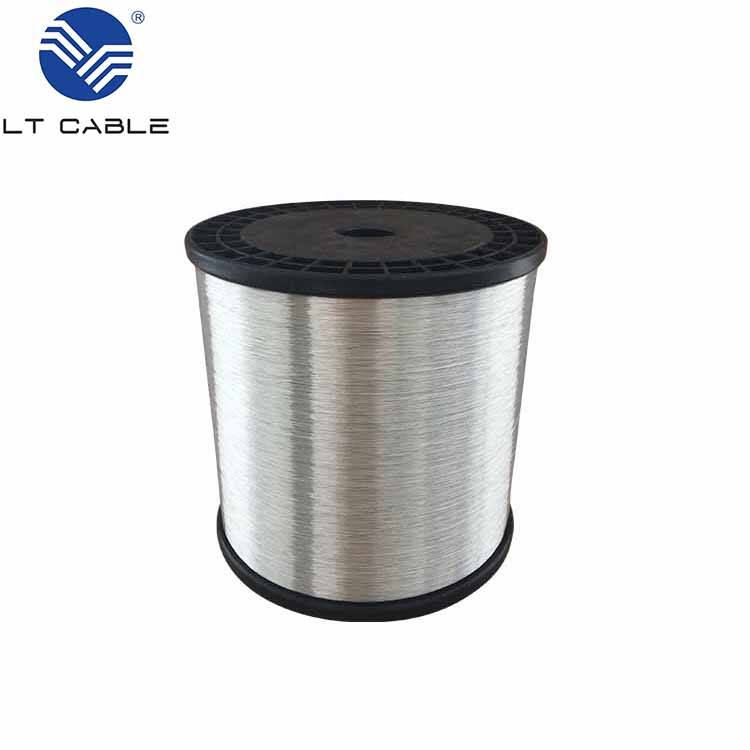
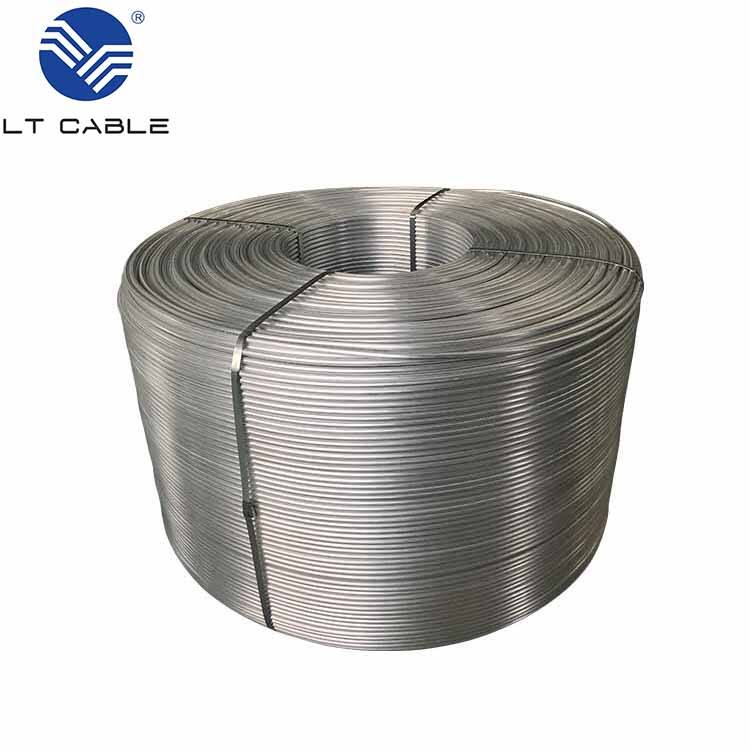
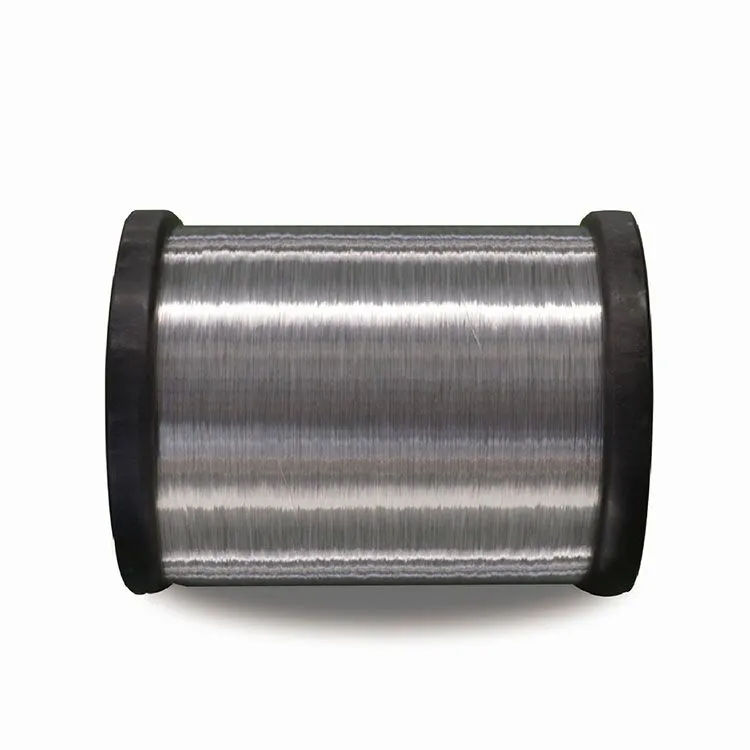
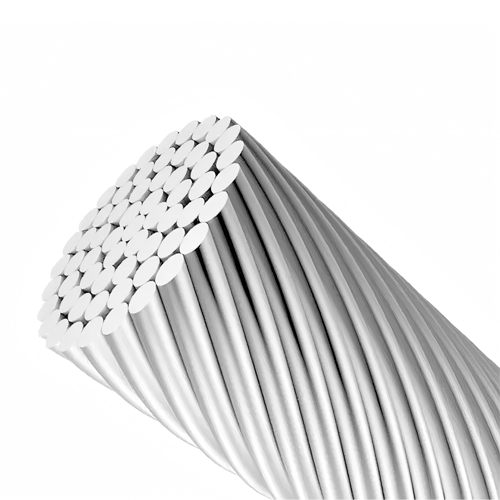
Al-Mg conductors are increasingly becoming the preferred choice for electrical transmission due to their unique combination of lightweight, high conductivity, and excellent corrosion resistance. These features not only enhance the efficiency of power transmission but also significantly reduce installation and maintenance costs. The use of aluminum-magnesium alloy ensures that the conductors maintain their integrity even in harsh environmental conditions, making them ideal for a variety of applications. Moreover, our fully automated production lines guarantee precision and quality in every strand, ensuring that our clients receive the best products tailored to their specific needs.
Get A Quote

Case Studies

Successful Implementation of Al-Mg Conductors in Urban Infrastructure

In a recent project in a major urban area, our Al-Mg conductors were chosen for their lightweight properties, which allowed for easier installation in densely populated regions. The project involved replacing outdated copper lines with our advanced conductors, resulting in a 30% reduction in installation time and a significant decrease in energy losses. The client reported enhanced reliability and performance in their electrical grid, showcasing the effectiveness of our products in modernizing urban infrastructure.

Al-Mg Conductors in Renewable Energy Projects

Our Al-Mg conductors played a crucial role in a large-scale solar energy project where high efficiency and durability were paramount. The lightweight nature of the conductors facilitated easier mounting on solar panels, leading to a streamlined installation process. Additionally, the corrosion resistance of the aluminum-magnesium alloy ensured long-term performance in varying weather conditions, ultimately contributing to the project's sustainability goals. The client praised the conductors for their reliability, which was instrumental in achieving a successful energy output.

Enhancing Transmission Efficiency with Al-Mg Conductors

In a collaboration with a regional utility company, we provided our Al-Mg conductors to replace traditional materials in their high-voltage transmission lines. The result was a remarkable improvement in transmission efficiency, with a reported 15% increase in power delivery to end-users. The lightweight and strong properties of the conductors allowed for longer spans between poles, reducing the need for additional infrastructure. The utility company expressed satisfaction with the enhanced performance and lower operational costs associated with our conductors.

Related products

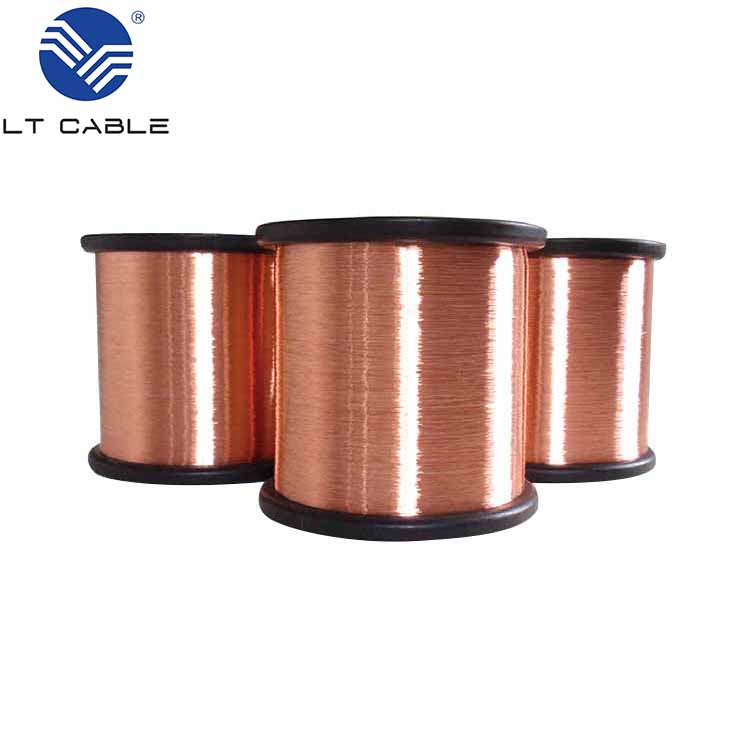
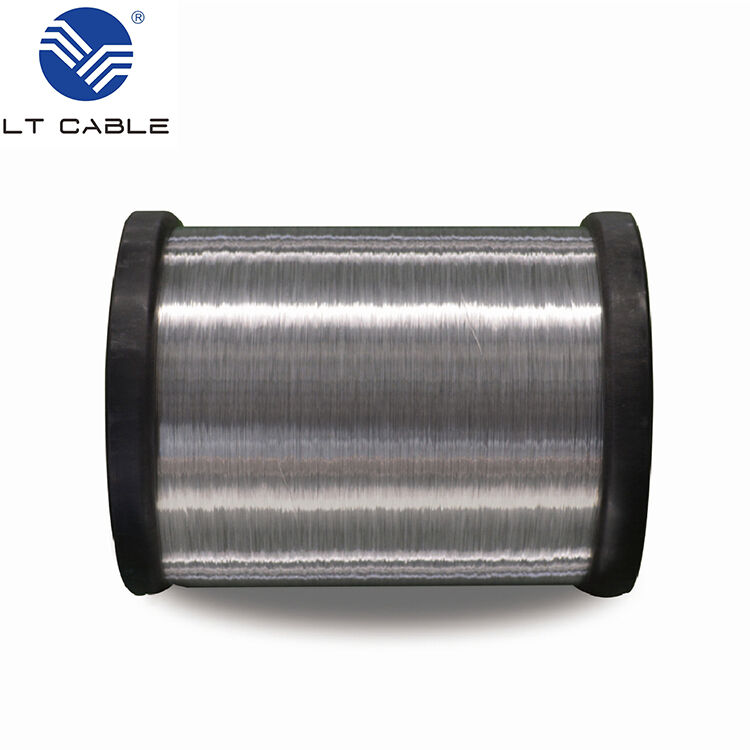
Al-Mg conductors made from aluminum and magnesium alloys are changing the way the electrical transmission industry works. Their unique properties include high levels of conductivity, a lightweight design, and excellent resistance to corrosion. They are ideal for both overhead and underground application. From raw material selection to the final product, the entire manufacturing process is controlled to ensure quality and performance standards of every conductor are met. The Al-Mg conductor manufacturing process starts with the proper selection of aluminum and magnesium. High-grade aluminum and magnesium are then advanced into alloys and strands through ideal processing techniques. After strands, are drawn to specifications, they go through an annealing process. This enhances the flexibility and conductivity of the strands. Custom solutions meet the specific demands of automated production lines. Also, Al-Mg conductors lightweight quality lowers the structural load on supporting infrastructure. This results in less maintenance and installation costs. They are able to meet even the toughest weather conditions. Litong Cable is dedicated to delivering the best innovative solutions.

Frequently Asked Questions About Al-Mg Conductors

What are Al-Mg conductors used for?

Al-Mg conductors are primarily used in electrical transmission and distribution systems due to their lightweight, high conductivity, and corrosion resistance. They are suitable for overhead lines, renewable energy applications, and urban infrastructure projects.
Al-Mg conductors are lighter and more cost-effective than copper conductors, offering similar or better conductivity. Additionally, they have superior corrosion resistance, making them ideal for long-term use in various environments.

Related article

CCA Wire Resistivity & Performance: What Buyers Should Check

15

Jan

CCA Wire Resistivity & Performance: What Buyers Should Check

Understanding CCA Wire and Its Importance

Copper Clad Aluminum (CCA) wire has emerged as a popular choice in various electrical applications, offering a balance of performance, cost-effectiveness, and versatility. As a bimetallic conductor, it consists of an aluminum core with a concentric copper cladding, combining the beneficial properties of both metals. The aluminum core contributes to lightweight and cost savings, while the copper cladding enhances conductivity and corrosion resistance. For buyers, understanding the resistivity and overall performance of CCA wire is crucial to ensure it meets the specific requirements of their applications. Whether used in telecommunications, automotive wiring, or power distribution, the performance of CCA wire directly impacts the efficiency and reliability of the end product.

Key Factors Affecting CCA Wire Resistivity

Resistivity is a fundamental property of any conductor, including CCA wire, and it plays a significant role in determining its electrical performance. Several key factors influence the resistivity of CCA wire, and buyers should be aware of these when evaluating potential suppliers. One of the primary factors is the copper content. Typically, CCA wire is available with copper content ranging from 10% to 15% by cross-sectional area. Higher copper content generally results in lower resistivity and better conductivity. For example, CCA wire with 15% copper content has a conductivity of approximately 64.4% IACS (International Annealed Copper Standard), compared to 62.9% IACS for 10% copper content.
Another important factor is the manufacturing process. The quality of the metallurgical bond between the aluminum core and copper cladding directly affects the wire's resistivity. A strong, uniform bond ensures efficient current transfer between the two metals, minimizing resistance. Additionally, the purity of the copper and aluminum used in the wire can impact resistivity. Higher purity metals typically offer better conductivity and lower resistivity. Finally, the operating temperature can also affect the resistivity of CCA wire, as resistance generally increases with temperature. Buyers should consider the expected operating temperature range of their application when selecting CCA wire.

Performance Parameters to Evaluate

When assessing CCA wire, buyers should consider several performance parameters beyond resistivity to ensure it meets their specific needs. One critical parameter is tensile strength, which measures the wire's ability to withstand pulling forces without breaking. CCA wire typically has a tensile strength ranging from 100 to 150 MPa, depending on the manufacturing process and copper content. Higher tensile strength is particularly important in applications where the wire may be subjected to mechanical stress during installation or operation.
Another important parameter is elongation, which measures the wire's ability to stretch before breaking. A higher elongation percentage indicates greater flexibility and resistance to fatigue, making the wire more suitable for applications that require bending or flexing. CCA wire generally has an elongation percentage of 8% or higher for annealed wires and 1% or higher for hard-drawn wires.
Corrosion resistance is also a key consideration, especially for applications in harsh environments. The copper cladding on CCA wire provides excellent corrosion resistance, but the aluminum core can be susceptible to corrosion if exposed. Buyers should ensure that the wire is properly insulated and protected from moisture and other corrosive elements.

How to Choose the Right CCA Wire Supplier

Selecting a reliable and reputable CCA wire supplier is essential to ensure the quality and performance of the product. Buyers should consider several factors when evaluating potential suppliers, including their manufacturing capabilities, quality control processes, and industry certifications. A supplier with advanced manufacturing facilities and strict quality control measures is more likely to produce high-quality CCA wire that meets the required specifications.
Industry certifications, such as ISO 9001, can also provide assurance of the supplier's commitment to quality. Buyers should verify that the supplier's CCA wire meets relevant industry standards, such as ASTM B566 for copper-clad aluminum wire. Additionally, buyers should consider the supplier's experience and reputation in the industry. A supplier with a proven track record of delivering high-quality products and excellent customer service is more likely to provide a reliable and satisfactory experience.
Finally, buyers should consider the supplier's pricing and delivery capabilities. While cost is an important factor, it should not be the sole determining factor. Buyers should balance cost with quality and delivery time to ensure they get the best value for their money. A supplier that can offer competitive pricing, fast delivery, and flexible payment terms is more likely to be a good partner for long-term business relationships.
View More
CCAM Wire Conductivity & Strength: Performance Overview

08

Jan

CCAM Wire Conductivity & Strength: Performance Overview

Electrical Conductivity of CCAM Wire: Physics, Measurement, and Real-World Impact

How Aluminum Coating Affects Electron Flow vs. Pure Copper

CCAM wire combines the best of both worlds really – copper's excellent conductivity paired with aluminum's lighter weight benefits. When we look at pure copper, it hits that perfect 100% mark on the IACS scale, but aluminum only gets to about 61% because electrons just don't move as freely through it. What happens at the copper-aluminum boundary in CCAM wires? Well, those interfaces create scattering points which actually increase resistivity somewhere between 15 and 25 percent compared to regular copper wires of the same thickness. And this matters a lot for electric vehicles since higher resistance means more energy loss during power distribution. But here's why manufacturers still go for it: CCAM cuts down on weight by roughly two thirds compared to copper, all while maintaining around 85% of copper's conductivity levels. That makes these composite wires particularly useful for connecting batteries to inverters in EVs, where every gram saved contributes to longer driving ranges and better heat control throughout the system.

IACS Benchmarking and Why Lab Measurements Differ from In-System Performance

IACS values are derived under tightly controlled lab conditions—20°C, annealed reference samples, no mechanical stress—which rarely reflect real-world automotive operation. Three key factors drive performance divergence:

  • Temperature sensitivity: Conductivity declines ~0.3% per °C above 20°C, a critical factor during sustained high-current operation;
  • Interface degradation: Vibration-induced microcracks at the copper–aluminum boundary increase localized resistance;
  • Oxidation at terminations: Unprotected aluminum surfaces form insulating Alâ‚‚O₃, raising contact resistance over time.

Benchmark data shows CCAM averaging 85% IACS in standardized lab tests—but drops to 78–81% IACS after 1,000 thermal cycles in dynamometer-tested EV harnesses. This 4–7 percentage-point gap validates the industry practice of derating CCAM by 8–10% for high-current 48V applications, ensuring robust voltage regulation and thermal safety margins.

Mechanical Strength and Fatigue Resistance of CCAM Wire

Yield Strength Gains from Aluminum Cladding and Implications for Harness Durability

Aluminum cladding in CCAM boosts yield strength around 20 to 30 percent compared to pure copper, which makes a real difference in how well the material resists permanent deformation when installing harnesses, particularly in situations where space is limited or there's significant pulling force involved. The extra structural strength helps cut down on fatigue issues at connectors and areas prone to vibrations like suspension mounts and motor housing points. Engineers take advantage of this property to use smaller wire sizes while still maintaining adequate safety levels for important connections between batteries and traction motors. Ductility does drop a bit when exposed to extreme temperatures ranging from minus 40 degrees Celsius up to plus 125 degrees, but testing shows that CCAM performs well enough across standard automotive temperature ranges to meet the necessary ISO 6722-1 standards for both tensile strength and elongation properties.

Bend-Fatigue Performance in Dynamic Automotive Applications (ISO 6722-2 Validation)

In dynamic vehicle zones—including door hinges, seat tracks, and sunroof mechanisms—CCAM undergoes repeated flexing. Per ISO 6722-2 validation protocols, CCAM wire demonstrates:

  • Minimum 20,000 bend cycles at 90° angles without failure;
  • Retention of ≥95% initial conductivity post-testing;
  • Zero sheath fractures even at aggressive 4mm bend radii.

Though CCAM exhibits 15–20% lower fatigue resistance than pure copper beyond 50,000 cycles, field-proven mitigation strategies—such as optimized routing paths, integrated strain relief, and reinforced overmolding at pivot points—ensure long-term reliability. These measures eliminate connection failures across typical vehicle service life expectations (15 years/300,000 km).

Thermal Stability and Oxidation Challenges in CCAM Wire

Aluminum Oxide Formation and Its Effect on Long-Term Contact Resistance

The fast oxidation of aluminum surfaces creates a big problem for CCAM systems over time. When exposed to regular air, aluminum forms a nonconducting layer of Al2O3 at around 2 nanometers per hour. If nothing stops this process, the oxide buildup increases terminal resistance by as much as 30% within just five years. This leads to voltage drops across connections and creates heat problems that engineers really worry about. Looking at old connectors through thermal cameras shows some pretty hot areas, sometimes above 90 degrees Celsius, exactly where the protective plating has started to fail. Copper coatings do help slow down oxidation somewhat, but tiny scratches from crimping operations, repeated bending, or constant vibrations can punch through this protection and let oxygen reach the aluminum underneath. Smart manufacturers combat this resistance growth by putting nickel diffusion barriers under their usual tin or silver coatings and adding antioxidant gels on top. This double protection keeps contact resistance under 20 milliohms even after 1,500 thermal cycles. Real world testing shows less than 5% loss in conductivity throughout an entire vehicle's service life, which makes these solutions worth implementing despite the extra costs involved.

System-Level Performance Trade-Offs of CCAM Wire in EV and 48V Architectures

Moving to higher voltage systems, especially those running on 48 volts, changes how we think about wiring designs completely. These setups cut down on current needed for the same amount of power (remember P equals V times I from basic physics). This means wires can be thinner, which saves a lot of copper weight compared to old 12 volt systems maybe around 60 percent less depending on specifics. CCAM takes things even further with its special aluminum coating that adds more weight savings without losing much conductivity. Works great for stuff like ADAS sensors, air conditioning compressors, and those 48 volt hybrid inverters that don't need super high conductivity anyway. At higher voltages, the fact that aluminum conducts electricity worse isn't such a big deal because power loss happens based on current squared times resistance rather than voltage squared over resistance. Still worth noting though that engineers need to watch out for heat buildup during fast charging sessions and make sure components aren't overloaded when cables are bundled together or sitting in areas with bad airflow. Combine proper termination techniques with standards compliant fatigue testing and what do we get? Better energy efficiency and more room inside vehicles for other components all while keeping safety intact and making sure everything lasts through regular maintenance cycles.

View More
CCAM Wire Explained: What Is Copper Clad Aluminum Magnesium wire?

15

Jan

CCAM Wire Explained: What Is Copper Clad Aluminum Magnesium wire?

Introduction to CCAM Wire

In the ever-evolving world of electrical engineering and cable manufacturing, the demand for high-performance, cost-effective conductors is paramount. Among the innovative solutions that have emerged to meet this demand is Copper Clad Aluminum Magnesium wire, commonly known as CCAM wire. This advanced bimetallic conductor has gained significant traction in various industries, offering a compelling balance of electrical performance, mechanical strength, and economic efficiency. As a leading manufacturer in the wire and cable industry, Litong Cable recognizes the transformative potential of CCAM wire and is committed to providing its customers with cutting-edge solutions that push the boundaries of what's possible.

What is Copper Clad Aluminum Magnesium (CCAM) Wire?

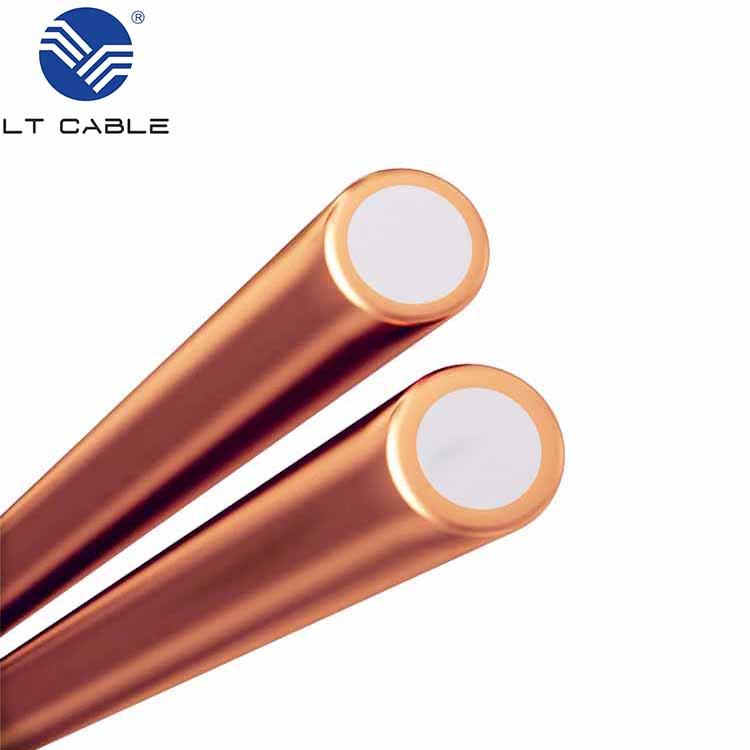
CCAM wire is a sophisticated composite conductor that integrates the best properties of three distinct metals into a single, high-performance wire. At its core, it consists of a robust aluminum-magnesium alloy, which provides exceptional mechanical strength and light weight. This core is then concentrically clad with a layer of high-purity copper (typically 99.9% pure), which delivers excellent electrical conductivity. The bonding between the aluminum-magnesium core and the copper cladding is achieved through a advanced metallurgical process, ensuring a seamless and durable interface that can withstand the rigors of manufacturing and application. This unique construction results in a wire that offers the optimal combination of conductivity, strength, and lightness, making it an ideal choice for a wide range of demanding applications.

Key Properties and Advantages of CCAM Wire

CCAM wire boasts a remarkable set of properties that make it superior to traditional conductors like pure copper or standard aluminum wire. One of its most significant advantages is its high tensile strength, which typically ranges from 180 to 250 MPa. This enhanced strength, a direct result of the aluminum-magnesium core, makes CCAM wire much more resistant to breakage during installation and operation, particularly in applications where the wire is subjected to mechanical stress or vibration. Additionally, CCAM wire offers excellent electrical conductivity, with a conductivity rating of approximately 35-55% IACS (International Annealed Copper Standard), depending on the copper content. While slightly lower than pure copper, this conductivity is more than sufficient for most high-frequency signal transmission and power distribution applications, especially when considering the other benefits it provides.
Another key advantage of CCAM wire is its light weight. With a density of around 2.85 to 3.63 g/cm³, it is significantly lighter than pure copper wire (which has a density of 8.96 g/cm³). This reduced weight offers numerous benefits, including lower transportation costs, easier handling and installation, and reduced structural load in applications such as aerospace and automotive wiring. Furthermore, CCAM wire exhibits good corrosion resistance, thanks to the protective copper cladding and the inherent properties of the aluminum-magnesium alloy core. This makes it suitable for use in harsh environments where exposure to moisture, chemicals, or other corrosive agents is a concern.

Applications of CCAM Wire

The unique combination of properties offered by CCAM wire makes it suitable for a diverse range of applications across multiple industries. One of its primary uses is in the manufacturing of high-frequency signal transmission cables, such as coaxial cables for cable television (CATV) systems, 50Ω RF cables, and leaky cables. In these applications, the excellent conductivity of the copper cladding ensures efficient signal transmission with minimal loss, while the high tensile strength of the aluminum-magnesium core ensures the cable can withstand the stresses of installation and use. CCAM wire is also widely used in data cables, including LAN cables (Cat5e, Cat6), telephone cables, and USB cables, where its light weight and good conductivity contribute to reliable data transfer.
In the power transmission sector, CCAM wire is used in the production of power cables, control cables, and automotive cables. Its light weight and high strength make it an ideal choice for use in vehicles, where reducing weight is critical for improving fuel efficiency. CCAM wire is also used in building wiring, where its corrosion resistance and ease of installation make it a practical alternative to traditional copper wire. Additionally, it finds applications in special electromagnetic wires, such as voice coils for headphones and speakers, and windings for motors and transformers.

CCAM Wire vs. Other Conductor Types

When compared to other commonly used conductor types, CCAM wire offers a number of distinct advantages. Compared to pure copper wire, CCAM wire is significantly lighter and less expensive, while still providing good electrical conductivity. This makes it a cost-effective alternative for applications where weight and cost are important considerations. While pure copper wire has a higher conductivity, the difference is often negligible for many applications, and the other benefits of CCAM wire more than compensate for this slight reduction in performance.
Compared to standard aluminum wire, CCAM wire offers superior conductivity and corrosion resistance. Aluminum wire is prone to oxidation, which can lead to increased resistance and potential connection problems over time. The copper cladding on CCAM wire provides a barrier against oxidation, ensuring long-term performance and reliability. Additionally, the aluminum-magnesium core of CCAM wire offers higher tensile strength than standard aluminum wire, making it more durable and less likely to break during installation or use.

Conclusion

In conclusion, Copper Clad Aluminum Magnesium (CCAM) wire is a versatile and high-performance conductor that offers a unique combination of electrical, mechanical, and economic benefits. Its innovative construction, which combines a strong aluminum-magnesium core with a conductive copper cladding, makes it an ideal choice for a wide range of applications, from high-frequency signal transmission to power distribution. As a leading manufacturer in the wire and cable industry, Litong Cable is dedicated to producing high-quality CCAM wire that meets the evolving needs of its customers. Whether you're looking for a cost-effective alternative to pure copper wire or a lightweight, high-strength conductor for demanding applications, CCAM wire is an excellent choice that delivers exceptional performance and value.
View More
CCA Wire Conductivity Explained: How It Compares to Pure Copper

25

Dec

CCA Wire Conductivity Explained: How It Compares to Pure Copper

What Is CCA Wire and Why Does Conductivity Matter?

Copper Clad Aluminum (CCA) wire has an aluminum center wrapped with a thin copper coating. This combination gives us the best of both worlds – the light weight and cost benefits of aluminum plus the good surface properties of copper. The way these materials work together means we get around 60 to 70 percent of what pure copper can do when it comes to conducting electricity according to IACS standards. And this makes a real difference in how well things perform. When conductivity drops, resistance goes up, which leads to wasted energy as heat and bigger voltage losses across circuits. Take for instance a simple setup with 10 meters of 12 AWG wire running 10 amps direct current. Here, CCA wires might show almost double the voltage drop compared to regular copper wires – about 0.8 volts instead of just 0.52 volts. That kind of gap can actually cause problems for delicate equipment such as those used in solar power installations or car electronics where consistent voltage levels are essential.

CCA definitely has its perks in terms of cost and weight, especially for things like LED lights or car parts where production runs aren't huge. But here's the catch: because it conducts electricity worse than regular copper, engineers need to do some serious math on how long those wires can be before they become a fire risk. The thin layer of copper around the aluminum isn't there to boost conductivity at all. Its main job is making sure everything connects properly with standard copper fittings and preventing those nasty corrosion problems between metals. When someone tries passing off CCA as actual copper wire, that's not just misleading customers but actually breaking electrical codes too. The aluminum inside just doesn't handle heat or repeated bending the same way copper does over time. Anyone working with electrical systems really needs to know this stuff upfront, particularly when safety matters more than saving a few bucks on materials.

What Is CCA Wire and Why Does Conductivity Matter?

Electrical Performance: CCA Wire Conductivity vs. Pure Copper (OFC/ETP)

IACS Ratings and Resistivity: Quantifying the 60–70% Conductivity Gap

The International Annealed Copper Standard (IACS) benchmarks conductivity against pure copper at 100%. Copper-clad aluminum (CCA) wire achieves only 60–70% IACS due to aluminum’s higher inherent resistivity. While OFC maintains 0.0171 Ω·mm²/m resistivity, CCA ranges between 0.0255–0.0265 Ω·mm²/m—increasing resistance by 55–60%. This gap directly impacts power efficiency:

Material IACS Conductivity Resistivity (Ω·mm²/m)
Pure Copper (OFC) 100% 0.0171
CCA (10% Cu) 64% 0.0265
CCA (15% Cu) 67% 0.0255

Higher resistivity forces CCA to dissipate more energy as heat during transmission, reducing system efficiency—especially in high-load or continuous-duty applications.

Voltage Drop in Practice: 12 AWG CCA vs. OFC Over a 10m DC Run

Voltage drop exemplifies real-world performance differences. For a 10m DC run with 12 AWG wire carrying 10A:

  • OFC: 0.0171 Ω·mm²/m resistivity yields 0.052Ω total resistance. Voltage drop = 10A × 0.052Ω = 0.52V.
  • CCA (10% Cu): 0.0265 Ω·mm²/m resistivity creates 0.080Ω resistance. Voltage drop = 10A × 0.080Ω = 0.80V.

The 54% higher drop in CCA wire risks triggering under-voltage shutdowns in sensitive DC systems. To match OFC performance, CCA requires either larger gauges or shorter runs—both of which narrow its practical advantage.

When Is CCA Wire a Viable Choice? Application-Specific Trade-Offs

Low-Voltage & Short-Run Scenarios: Automotive, PoE, and LED Lighting

CCA wire has some real world benefits when the reduced conductivity isn't such a big deal compared to what we save on costs and weight. The fact that it conducts electricity at about 60 to 70 percent of pure copper matters less for things like low voltage systems, small current flows, or short cable runs. Think about stuff like PoE Class A/B equipment, those LED light strips people put all over their houses, or even car wiring for extra features. Take automotive applications for instance. The fact that CCA weighs around 40 percent less than copper makes a huge difference in vehicle wiring harnesses where every gram counts. And let's face it, most LED installations need tons of cable, so the price difference adds up fast. As long as cables stay under about five meters, the voltage drop stays within acceptable ranges for most applications. This means getting the job done without breaking the bank on expensive OFC materials.

Calculating Maximum Safe Run Lengths for CCA Wire Based on Load and Tolerance

Safety and good performance depend on knowing how far electrical runs can go before voltage drops become problematic. The basic formula goes like this: Maximum Run Length in meters equals Voltage Drop Tolerance multiplied by Conductor Area divided by Current times Resistivity times two. Let's see what happens with a real world example. Take a standard 12V LED setup pulling about 5 amps current. If we allow a 3% voltage drop (which works out to around 0.36 volts), and use 2.5 square millimeter copper clad aluminum wire (with resistivity roughly 0.028 ohms per meter), our calculation would look something like this: (0.36 times 2.5) divided by (5 times 0.028 times 2) gives approximately 3.2 meters as maximum run length. Don't forget to check these numbers against local regulations such as NEC Article 725 for circuits carrying lower power levels. Going beyond what the math suggests can lead to serious problems including wires getting too hot, insulation breaking down over time, or even complete equipment failure. This becomes especially critical when environmental conditions are warmer than normal or multiple cables are bundled together since both situations create extra heat buildup.

Misconceptions About Oxygen-Free Copper and CCA Wire Comparisons

Many people think the so called "skin effect" somehow makes up for the issues with CCA's aluminum core. The idea is that at high frequencies, current tends to gather near the surface of conductors. But research shows otherwise. Copper Clad Aluminum actually has about 50-60% more resistance when it comes to direct current compared to solid copper wire because aluminum just isn't as good at conducting electricity. This means there's more voltage drop across the wire and it gets hotter when carrying electrical loads. For Power over Ethernet setups this becomes a real problem since they need to deliver both data and power through the same cables while keeping things cool enough to avoid damage.

There's another common misunderstanding about oxygen free copper (OFC). Sure, OFC has around 99.95% purity compared to regular ETP copper at 99.90%, but the actual difference in conductivity isn't that big – we're talking about less than 1% better on the IACS scale. When it comes to composite conductors (CCA), the real issue isn't the copper quality at all. The problem stems from the aluminum base material used in these composites. What makes OFC worth considering for some applications is actually its ability to resist corrosion much better than standard copper, especially in harsh conditions. This property matters far more in practical situations than those tiny conductivity improvements over ETP copper ever will.

Factor CCA Wire Pure Copper (OFC/ETP)
Conductivity 61% IACS (aluminum core) 100–101% IACS
Cost Savings 30–40% lower material cost Higher base cost
Key Limitations Oxidation risk, PoE incompatibility Minimal conductivity gain vs. ETP

Ultimately, CCA wire’s performance gaps stem from fundamental aluminum properties—not remediable through copper cladding thickness or oxygen-free variants. Specifiers should prioritize application requirements over purity marketing when evaluating CCA viability.

View More

Customer Feedback on Al-Mg Conductors

John Smith
Transformative Experience with Al-Mg Conductors

Switching to Al-Mg conductors has transformed our energy distribution. The lightweight design made installation a breeze, and we've seen a noticeable drop in energy losses since implementation.

Sarah Johnson
Reliable and Efficient Solutions

The Al-Mg conductors provided by Litong Cable have exceeded our expectations in performance and durability. We appreciate the tailored solutions that meet our specific project needs.

Get a Free Quote

Our representative will contact you soon.
Email
Name
Company Name
Message
0/1000
Exceptional Lightweight Design

Exceptional Lightweight Design

The lightweight nature of Al-Mg conductors significantly reduces the structural load on supporting infrastructure, allowing for longer spans between poles and minimizing installation costs. This advantage is particularly beneficial in urban areas where space is limited and installation challenges are prevalent. Our conductors provide a perfect balance of strength and weight, ensuring optimal performance without compromising safety.
Superior Corrosion Resistance

Superior Corrosion Resistance

Al-Mg conductors are designed to withstand harsh environmental conditions, thanks to their excellent corrosion resistance. This feature ensures that the conductors maintain their integrity and performance over time, even in coastal or industrial areas where exposure to moisture and pollutants is common. By choosing Al-Mg conductors, clients can reduce maintenance costs and extend the lifespan of their electrical systems.
  • Product Consultation & Selection

    Product Consultation & Selection

    Tailored advice, perfect fit solutions.

  • Production & Supply Chain

    Production & Supply Chain

    Efficient manufacturing, seamless supply.

  • Quality Assurance & Certification

    Quality Assurance & Certification

    Rigorous testing, global certifications.

  • Post-Sales Support & Tech Help

    Post-Sales Support & Tech Help

    Prompt assistance, ongoing support.

Get a Free Quote

Our representative will contact you soon.
Name
Email
Mobile
Country/Region
Title
Message
0/1000